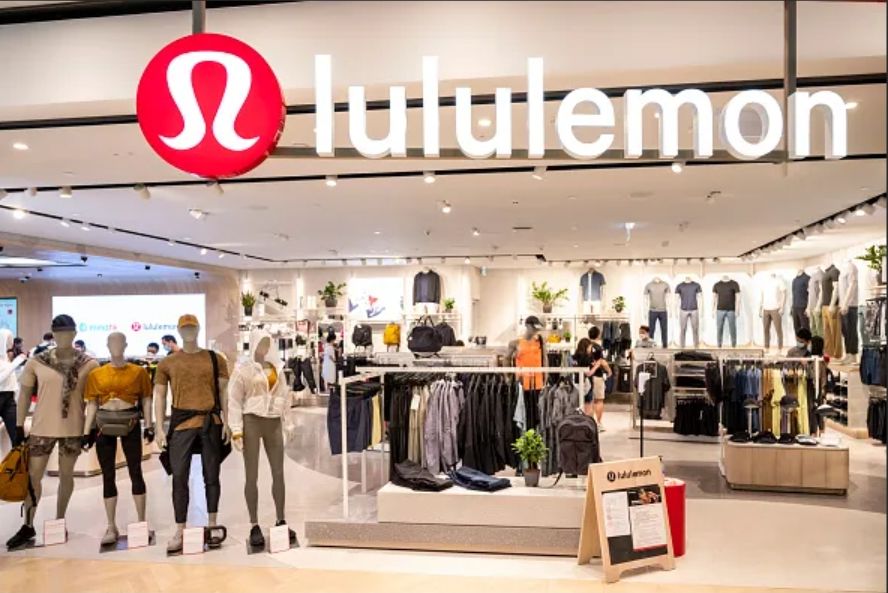
That $128 yoga pant hanging in your cart? It might have traveled further than your last vacation. Lululemon's iconic maple leaf logo screams "Canadian heritage." But those buttery-soft leggings tell a different story—one that's global and complex.
You've probably flipped over a price tag before. "Made in Sri Lanka" stares back at you. Does that justify the premium price? Why does a Vancouver-born brand make almost nothing in North America? These are the right questions to ask.
Here's the reality: Lululemon's manufacturing network covers 14 countries across three continents. Over 40 manufacturing partners work with lululemon. Each partner focuses on specific fabric technologies and garment types.
What matters most might surprise you. Where your activewear comes from is less important than how it's made. Who's making it counts. Does the brand's transparency match its sky-high pricing? That's what we need to know.
Let's look behind the scenes at one of athleisure's biggest success stories. Your investment in those Align pants—is it supporting ethical practices or just clever marketing?
BSO: Global Supply Chain StatsLululemon's Main Manufacturing Countries and What They Make
Asia handles most of Lululemon's production. Over 80% of every piece they sell comes from factories across the continent. Three countries do most of the work: China, Vietnam, and Cambodia.
China still makes some products, but not many. Less than 10% of Lululemon's current items carry the "Made in China" label. This is a big change from pre-2014. Back then, Chinese factories made most of the products. The shift wasn't about quality. Chinese manufacturers of lululemon are great at technical fabrics. It was about risk management. Lululemon learned that relying too much on one country creates problems.
Vietnam took over a lot of the work. Lululemon needed to spread out their factories. Vietnamese facilities became the top choice. Labor costs were lower. Infrastructure was getting better. Plus, garment makers there had real experience. Many factories already made products for Nike and Adidas. They knew how to handle performance fabrics. Vietnam now makes a big portion of Lululemon's yoga pants, sports bras, and technical tops.
Cambodia joined the mix not long ago. Lululemon wanted more factory options. So they expanded into Cambodian facilities. The country gives them another location to protect against disruptions. Production there is smaller than Vietnam or what China used to be. But Cambodia shows Lululemon's goal: spread out the risk.
The remaining 20% of sourcing has its own story. Australia and New Zealand provide special materials. Think natural rubber for yoga mats and certain performance fabrics. These partnerships focus on quality, not quantity. Lululemon gets specific parts from regions that do them best. Final production might happen somewhere else.
This spread across countries isn't random. It's planned protection against tariffs, political problems, and pandemic-style shutdowns that can stop production overnight.
BSO: Country Production ShareMajor Factory Partners: By Location
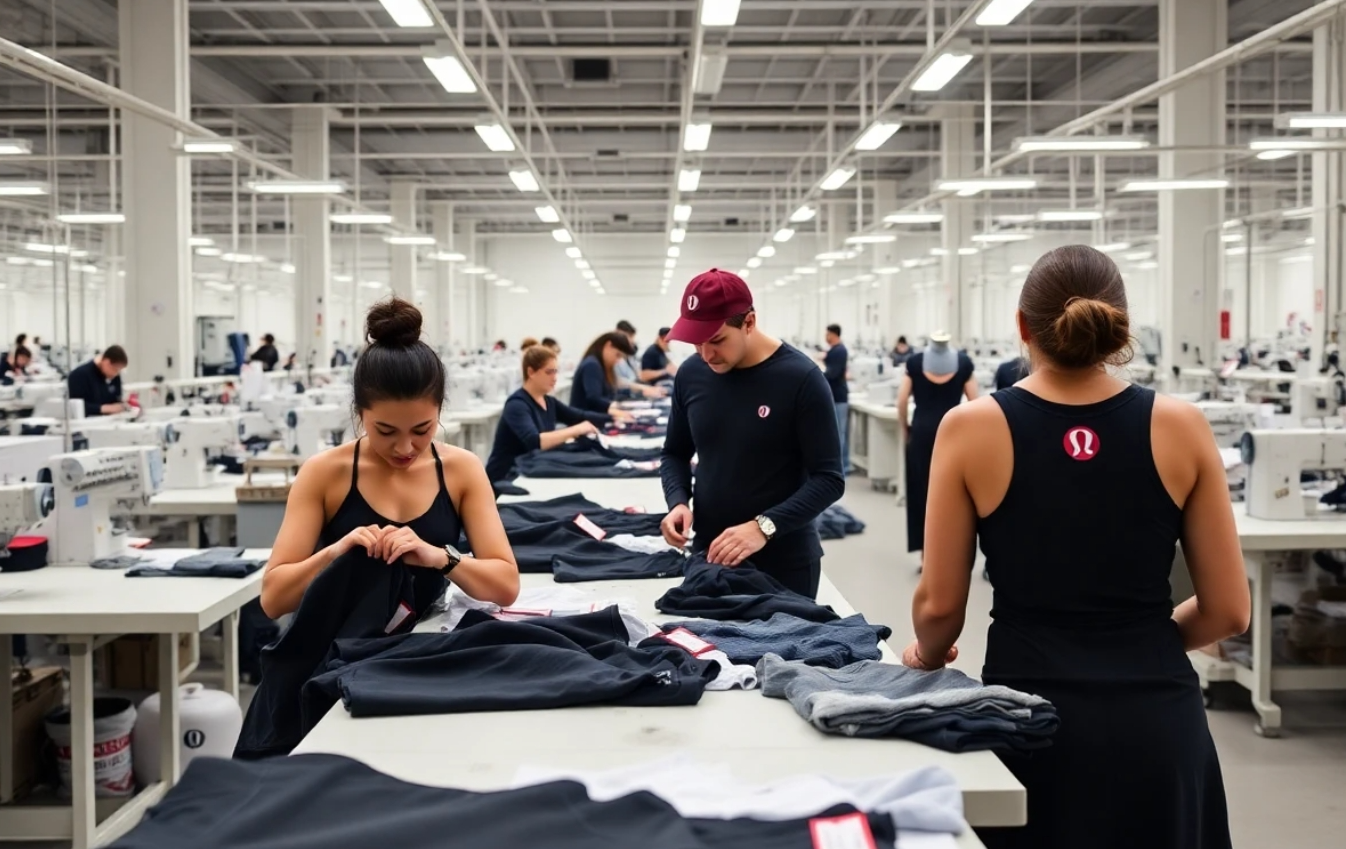
Lululemon doesn't own a single sportswear factory. Not one. They partner with select manufacturers who can handle technical fabrics and meet quality standards.
Eclat Textile Co. (Taiwan/Vietnam) stands out as a major partner. This isn't some unknown factory—Eclat makes fabrics for Nike, Under Armour, and Adidas too. Their Vietnamese facilities produce a large portion of Lululemon's Nulu fabric. You know that buttery-soft feeling in Align pants? That's Eclat's work. They've put over $50 million into their Vietnam operations since 2015. The factories employ around 8,000 workers across multiple sites. Eclat has partnered with Lululemon since 2010. That makes them one of the oldest partners.
Youngone Corporation (Bangladesh/Vietnam/Cambodia) makes many of Lululemon's structured pieces. Jackets, hoodies, and heavier items come from them. Their Cambodian facilities opened in 2018 to meet Lululemon's need for diverse production. Youngone follows strict social rules. They're SA8000 certified. This means independent auditors check working conditions every year. The partnership focuses on green practices. Youngone's Vietnam factory of lululemon runs on 40% renewable energy.
Hirdaramani Group (Sri Lanka) handles premium items that need complex construction. Think Define jackets and sports bras with multiple panels. Sri Lankan factories have something special—a skilled workforce trained in technical garment work. Hirdaramani employs over 40,000 people across their facilities. They've worked with Lululemon since 2012. The company put $15 million into training programs between 2019-2023. Their workers handle the tricky seam work that cheaper factories can't manage.
Makalot Industrial (China/Vietnam) specializes in seamless tech and laser-cutting. Their Shanghai facility produces limited-edition items and new product launches. Vietnam operations handle mass production once designs are ready. Makalot excels at innovation. They co-develop fabric tech with Lululemon's product team.
Each partner gets audited every three months. The audits cover labor practices, environmental standards, and quality checks. Lululemon publishes a map showing exact facility locations. It's updated twice a year and available on their website.
Lululemon's Supply Chain: Outsourcing vs. Owning Factories

Lululemon owns zero factories. Not a single sewing machine. Not one production floor. This might seem odd for a company worth over $40 billion. But it's intentional.
The brand runs "strategic outsourcing with vertical oversight." Sounds complicated. It's simple, really. Lululemon keeps total control over what matters—design, fabric innovation, quality standards. Everything else? They hand it to specialists who do it better.
Here's how it works. The Vancouver design team creates every product in-house. They develop those exclusive fabrics—Nulu, Everlux, Nulux. Then they work with manufacturing partners to bring those designs to life. But Lululemon doesn't sign long-term contracts with most suppliers. As of 2023, most lululemon manufacturer relationships operate without binding agreements.
This creates both freedom and risk. Freedom to switch partners if quality drops. Freedom to find better facilities. Risk because suppliers aren't locked in either. A factory could prioritize another brand's order over Lululemon's. The pandemic made this a real problem. Some partners delayed shipments to focus on clients with guaranteed contracts.
But Lululemon makes up for this through relationships, not paperwork. They've worked with select partners for over a decade. Regular VCoE (Vendor Code of Engagement) assessments happen throughout the year. These aren't quick check-ins. Teams spend days at facilities. They review everything from worker conditions to fabric quality control.
The company avoids full vertical integration on purpose. Owning factories would require massive capital investment—we're talking hundreds of millions of dollars. Plus expertise that apparel brands don't usually have. Managing lululemon factory workers, maintaining equipment, dealing with local labor laws across multiple countries—it's a whole different business.
Why Outsourcing Wins for Technical Fabrics
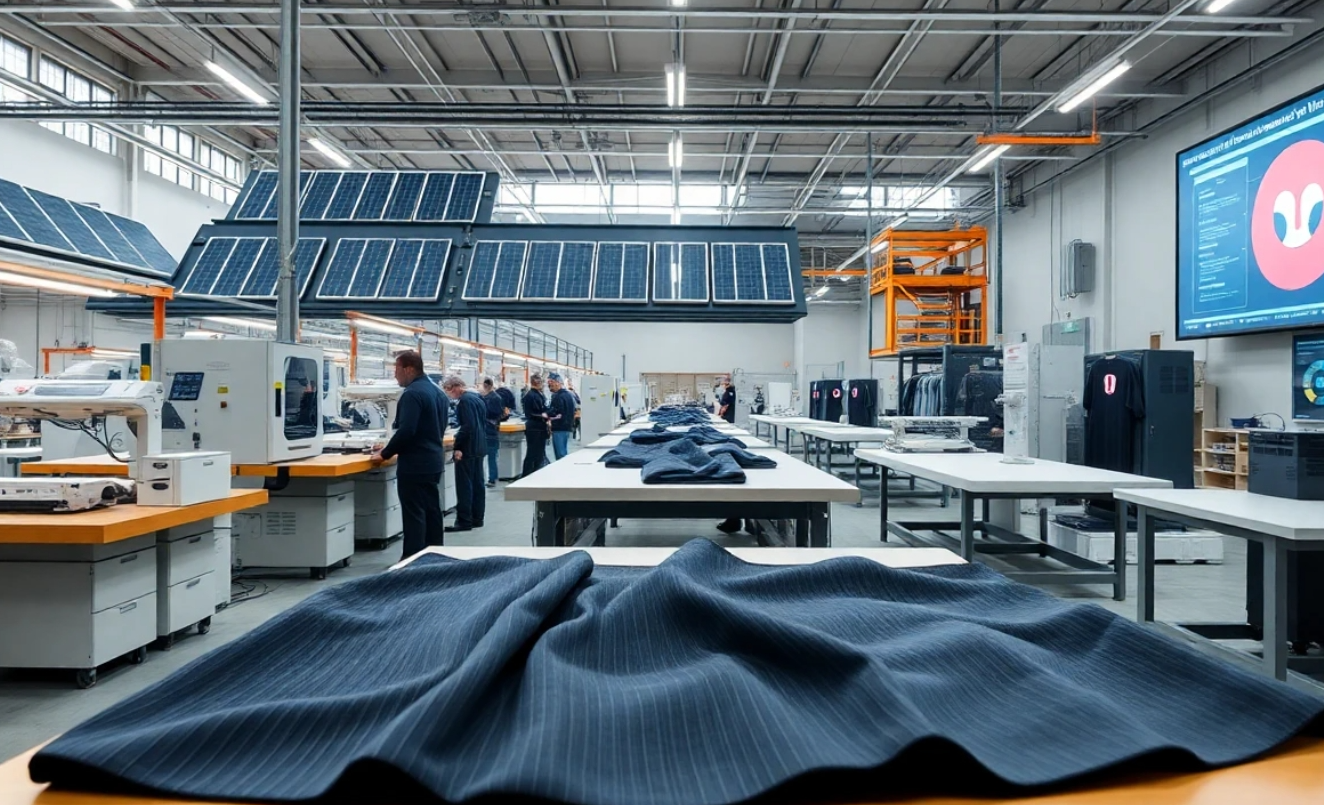
Few textile lululemon manufacturers can produce Lululemon's fabrics. The technical requirements are too specialized. This creates dependency, yes. But it also means their partners invest big in capabilities that serve Lululemon's needs.
Take Eclat Textile. They've spent over $50 million upgrading their Vietnam facilities since 2015. Much of that investment went toward machinery that produces Nulu fabric to Lululemon's exact specifications. Would Eclat make that investment without a strong partnership? Likely not.
This model gives Lululemon flexibility that owned factories can't match. Customer preferences shift fast in activewear. Seamless leggings dominated in 2019. By 2022, shoppers wanted pockets and durability over sleekness. Lululemon adapted fast. They could redirect orders to different partners with different capabilities.
The AI-Powered Middle Ground
Lululemon uses technology to get vertical integration benefits without the ownership burden. AI systems now optimize product creation and inventory management. The result? A 17% increase in e-commerce revenue in 2023. Stockouts dropped a lot.
The company's medium-term plan pushes this further. They're using consumer data to stage fabric development in real-time. Instead of ordering fabrics six months ahead, they receive style and color inputs during production. This responsive approach mimics fast-fashion brands like Zara—but with premium quality.
Information flows faster now: consumer → retailer → distributor → manufacturer. Better data means Lululemon can adjust orders mid-season. They maintain strategic control without owning the production line.
The supply chain includes 8 distribution centers (7 leased, 1 owned). A ninth opens in Brampton, Ontario by 2026. Logistics partners—DHL, XPO Logistics, Bleckmann, FedEx—handle transportation. Lululemon chooses air, water, or land routes based on destination and urgency. All partners commit to reducing carbon footprint. This aligns with Lululemon's sustainability goals.
Vertical integration remains "unlikely" for the foreseeable future. The outsourcing model works too well. It keeps costs flexible, quality high, and innovation steady—exactly what a $128 yoga pant requires.
CTA 1Need Custom Sportswear Like Lululemon?
We manufacture premium activewear with the same quality standards as top global brands. Get your custom quote today.
Get Free QuoteManufacturing Quality Control: China-Made vs. Other Countries
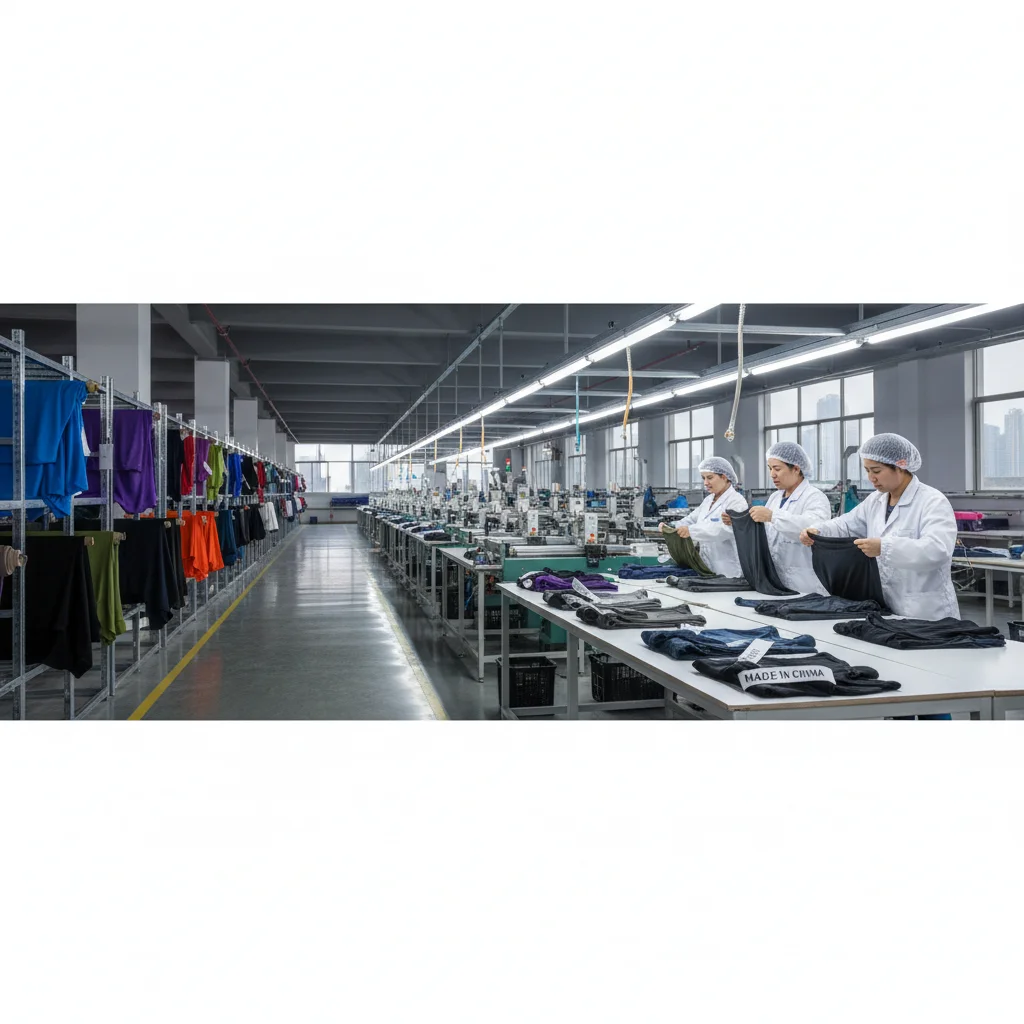
China's manufacturing reputation took a beating over the years. "Made in China" used to mean cheap and disposable. The activewear industry tells a different story now—one that might surprise you.
The 2026 Asia Manufacturing Index ranks China #1 across the continent. Their innovation score hits 93 out of 100. Higher education infrastructure scores 92. Workforce scale and domestic chain strength? Both perfect 100s. These aren't flukes. Decades of investment in technical capabilities built this. Premium brands need exactly what China offers now.
BSO: 2026 Asia Manufacturing Index - China ScoresThe Numbers Behind Quality Standards
Lululemon's Chinese manufacturing partners follow strict AQL (Acceptable Quality Limit) standards. Major defects—think holes or torn seams that make items unsellable—must stay at or below 2.5%. Minor issues like loose threads can't exceed 4.0%. These thresholds get agreed upon before any contract is signed.
BSO: AQL Quality StandardsQuality control happens in three stages. Pre-Production Inspection catches problems before mass manufacturing starts. Teams verify raw materials against the Golden Sample. That's the perfect reference piece approved by Lululemon's design team. One Chinese facility caught a shade mismatch in zippers during PPI. This single check saved an entire 5,000-jacket batch from disaster.
During Production Inspection kicks in at 10-20% completion. Inspectors examine seams, stitching precision, and label placement on the first finished items. A sewing machine mis-set and creating repeated errors? They catch it here. Fix it once, save thousands of pieces.
Pre-Shipment Inspection is the final gate. Production hits 100% and about 80% of items are packed. Random AQL sampling begins. From a 3,000-piece order, inspectors might pull 125 garments. Defects exceed the agreed limits? The entire shipment gets rejected. They also verify packaging integrity and barcode accuracy.
What Sets China Apart (and Where It Falls Short)
Chinese activewear manufacturers lead in areas that matter for technical activewear. Their domestic chain strength scores a perfect 100. Every component Lululemon needs exists within the country. Need moisture-wicking polyester? Check. Laser-cutting equipment? Done. Specialized seamless knitting machines? Already installed.
But China isn't perfect everywhere. Logistics performance scores 68 out of 100. Free trade agreements lag at 45 compared to Singapore's 98. R&D investment reaches just 49 out of 100, trailing Japan and Korea.
Here's where it gets interesting though. Chinese factories compensate for R&D gaps with pure speed. Design-to-market timelines run in weeks, not months. Lululemon wants to test a new fabric technology? Chinese partners prototype faster than competitors elsewhere.
Modern Chinese facilities now use robotics and AI for consistency. Automated cutting removes human error in pattern pieces. Computer-guided sewing creates uniform seam allowances. Human inspectors still review everything. They're checking precision that machines maintain better than manual labor ever could.
The country's manufacturing focus shifted hard in 2026. Government priorities emphasize "quality first" over volume. Investment pours into standardization, efficiency upgrades, and domestic technology substitution. This isn't the China of bargain-basement products anymore.
Compare a China-made Lululemon piece to one from Vietnam or Cambodia. Quality differences are minimal. The real distinction lies in capabilities. Chinese factories handle complex constructions and new fabric technologies better. Vietnamese facilities excel at scaling proven designs. Cambodian partners offer cost advantages on simpler items.
Your "Made in China" Align pants? They went through more rigorous inspections than most items in your closet—regardless of where they came from.
Ethical Manufacturing and Sustainability Practices
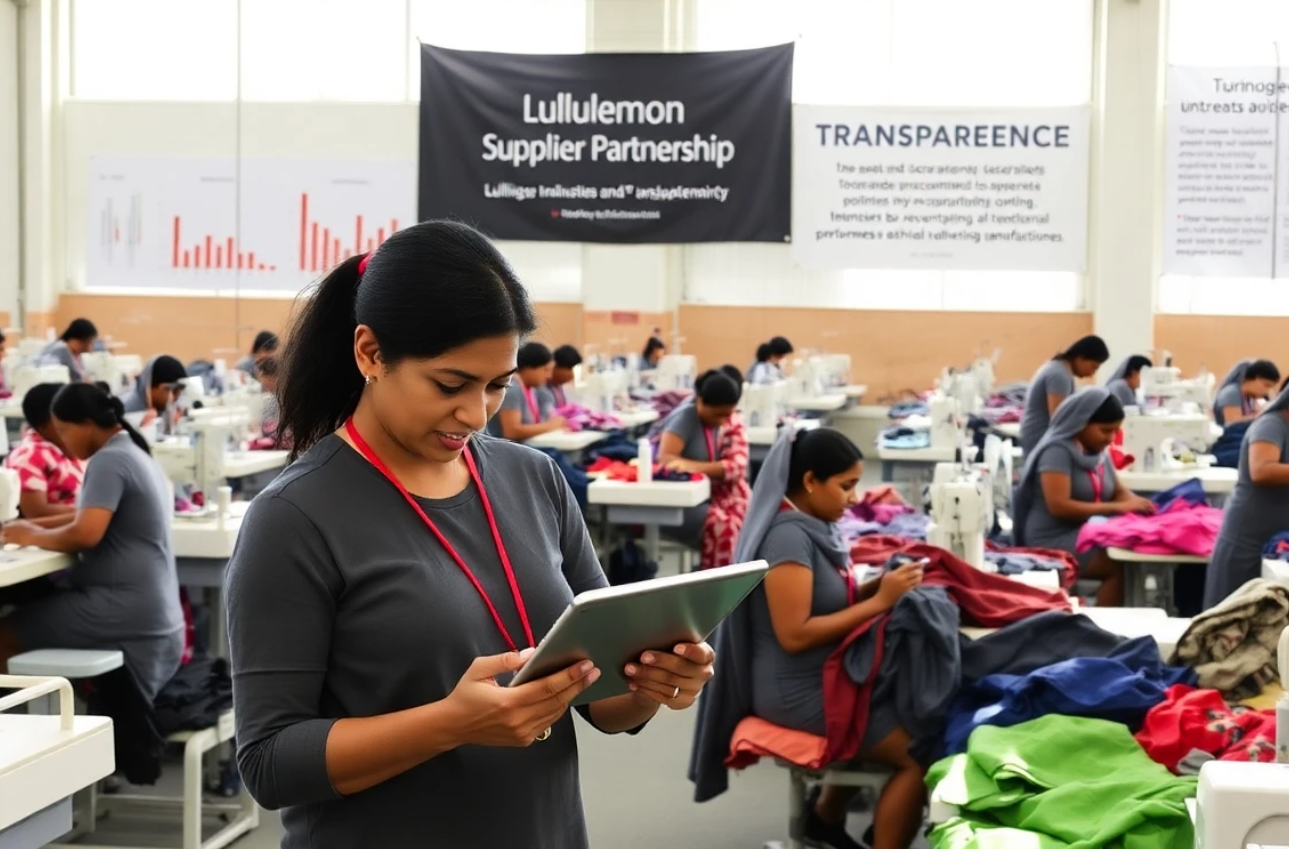
Lululemon's sustainability story doesn't start with a grand mission statement. It starts with a problem they created—mountains of fabric waste, energy-hungry factories, and a supply chain that stretched carbon footprints across oceans.
The athletic wear industry faces pressure like never before. 72% of global consumers now pay premium prices for sustainable products. That's not a niche market anymore. It's the mainstream telling brands: clean up your act or lose our business. Lululemon heard this loud and clear.
BSO: Sustainability Key StatsTheir response? A multi-layer approach that tackles manufacturing ethics and environmental impact at the same time. Not perfect, but improving with clear targets.
The Net-Zero Commitment (And What It Means)
Lululemon joined the 45% of manufacturers who announced formal net-zero goals. Their deadline? 2050 for total operations. But unlike vague corporate promises, they broke this into checkpoints. By 2030, they're cutting Scope 1 and 2 emissions by 60% from 2018 levels.
What does that look like in practice? Energy efficiency comes first. Their partner factories—Eclat, Youngone, Hirdaramani—must hit renewable energy benchmarks. Youngone's Vietnam facility runs on 40% renewable power . That's not charity work. Lululemon prioritizes contracts with manufacturers who invest in solar, wind, and waste heat recovery systems.
The bigger challenge sits in Scope 3 emissions. That's everything outside their direct control. Raw materials, transportation, factory operations they don't own. This accounts for over 90% of their total carbon footprint. Cutting this requires working with every lululemon supplier in the chain.
Material Innovation: Beyond Greenwashing
Sustainable fabrics sound nice in marketing. Making them work in high-performance activewear? That's the hard part. Lululemon can't just switch to organic cotton and call it a day. Technical fabrics need moisture-wicking, stretch recovery, and durability that natural fibers don't provide.
Their solution focuses on circular materials . The Be Planet collection uses recycled nylon and polyester without losing performance. Each piece diverts plastic bottles and old fishing nets from landfills. By 2025, they aimed for 75% of their fabrics to contain recycled or sustainable materials. They're tracking at 65% right now—progress, not perfection.
But here's what matters more: durability by design . A yoga pant that lasts five years instead of one cuts waste better than any recycling program. Lululemon's quality control standards support this. Those strict AQL limits? They ensure items don't fall apart after a few washes. Customers keep their Aligns for years. That's circular economy in action.
Factory Worker Conditions: The Harder Conversation
Sustainability isn't just about trees and oceans. It's about the 8,000 workers at Eclat's Vietnam facilities. The 40,000 employees across Hirdaramani's operations. Real people making your $128 leggings.
BSO: Key Factory Partner ScaleLululemon publishes a Vendor Code of Engagement that covers wages, working hours, and safety conditions. Every manufacturing partner signs it. Independent auditors verify compliance every quarter—not once a year. Big difference. Issues can arise any month.
Their partnership with Better Work—a team-up between the International Labour Organization and World Bank—adds external oversight. Third-party auditors visit factories unannounced. They interview workers in private. Check payroll records. Inspect facilities for safety violations.
Results from 2023 audits showed 83% of checked facilities met or beat labor standards. The remaining 17% ? Lululemon gives them corrective action plans with deadlines. Fail to improve? The partnership ends. This happened with three lululemon suppliers between 2020-2023.
Worker training investments tell another story. Hirdaramani put $15 million into skill development programs from 2019-2023. These aren't token gestures. Trained workers earn higher wages. They advance into technical roles. The factory benefits from lower turnover and better quality output.
The Water Crisis They're Addressing
Textile manufacturing devours water. Dyeing fabrics alone can use 200 tons of water per ton of fabric . Scale that across Lululemon's production volume and you've got a serious problem.
Their approach targets water usage at the source. Partner factories must use closed-loop water systems . Used water gets treated and recycled back into production instead of dumped into rivers. Youngone's facilities cut freshwater usage by 30% since 2019 using this method.
BSO: Water Conservation StatsWaterless dyeing technology is entering the mix too. DyeCoo's supercritical CO2 dyeing process cuts out water for certain fabrics. It's more expensive upfront. But it saves on water treatment costs and environmental cleanup. Lululemon started testing this with select product lines in 2023.
40% of consumers favor brands with waste and recycling programs. Water conservation fits right in that category. It's also a business need—water scarcity threatens textile regions across Asia.
The Take Back Program (And Its Limitations)
Since 2021, Lululemon accepts used gear through their Like New program. Customers trade in old items. The brand cleans, repairs, and resells them at lower prices. Pieces beyond repair get recycled or converted into new products.
Sounds great in theory. The reality? Less than 5% of items sold get returned through this program. Most customers don't know it exists. Others find the trade-in credit too small compared to resale platforms like Poshmark.
Still, it creates infrastructure for circular fashion. The more participation grows, the more material stays out of landfills. Lululemon recovered over 1.8 million items through 2023. That's 1.8 million pieces not rotting in dumps or getting burned.
Where They're Falling Short
Let's be honest about the gaps. Lululemon's sustainability reports reveal as much by what they leave out as what they include.
Transportation emissions get few detailed breakdowns. Air freight moves products fast but creates massive carbon footprints. The brand hasn't committed to cutting air shipping. They balance speed-to-market against environmental impact—and speed often wins.
Microplastic shedding from synthetic fabrics goes mostly unaddressed. Every wash of your Nulu leggings releases tiny plastic particles into waterways. Lululemon knows this but offers no solution beyond recommending washing bags that capture some fibers. Industry-wide answers don't exist yet.
Supply chain transparency has limits too. They publish lululemon factory locations twice a year. But Tier lululemon 2 and Tier 3 lululemon suppliers—the fabric mills and raw material providers—remain mostly hidden. Problems often hide in these earlier stages.
The Business Case for Going Green
Here's the part that makes cynics roll their eyes: sustainability drives profits. It's not all goodwill. 68% of manufacturers now use corporate-wide sustainability strategies, up from 39% in 2019. They're not doing this from the goodness of their hearts.
ESG-focused products (Environmental, Social, Governance) drove 56% of growth in consumer goods— 18% above expected rates. Sustainable credentials don't just attract customers. They command premium pricing. Remember that 9.7% average premium consumers pay for sustainable products? That goes straight to margins.
BSO: ESG Business Case StatsInvestors care too. Asset managers screen more for ESG compliance. Poor sustainability practices limit access to capital. Good ones open funding doors. Lululemon's sustainability commitments make them attractive to ESG-focused investment funds.
What Matters to You
Strip away corporate language and investor presentations. What should you care about?
Your Lululemon purchase supports factories with clear labor standards. Not perfect, but verified by third parties. The fabric contains recycled materials that perform as well as virgin synthetics. Production happens in facilities moving toward renewable energy.
Will buying Lululemon save the planet? No. Does choosing them over fast-fashion alternatives reduce harm? Yes. The $128 price tag includes investments that Forever 21 or Shein never make—worker training, water recycling, material innovation.
The sustainability gap between goals and reality still exists. But the direction is clear. Consumer pressure keeps pushing it forward. Every time someone asks "where is this made and under what conditions?"—brands listen. Because 78% of US consumers feel better buying sustainable products. That's money talking.
Your next yoga pant purchase carries weight beyond the fabric. Choose wisely.
CTA 2Launch Your Activewear Brand
From yoga pants to sports bras — we produce OEM/ODM sportswear with ethical manufacturing standards and fast turnaround times.
Explore ManufacturingWhy Lululemon Doesn't Manufacture in Canada/USA

The maple leaf on every tag tells you where Lululemon was born. It doesn't tell you where your leggings came from. That happens thousands of miles away—in Guangdong, Vietnam, or Sri Lanka.
North American production makes up less than 1% of Lululemon's output. Some limited collaborations happen for regional demand. But primary manufacturing? It doesn't exist in Canada or the USA. The reasons go deeper than cheaper labor.
The Infrastructure Just Isn't There
Technical activewear needs a complete system. You need fabric mills that produce moisture-wicking synthetics. Dye houses that can handle precise color matching. Laser-cutting facilities. Seamless knitting machines. Quality control labs that test how stretchy and durable the fabric is.
Asia built this setup over decades. China alone houses 9 facilities in Guangdong that specialize in apparel and footwear. Zhejiang province runs 6 facilities focused on accessories and garments. Jiangsu operates 5 high-tech textile plants. These aren't isolated factories. They're industrial clusters. Every component exists within a 50-mile radius.
BSO: China Manufacturing ClustersWant to produce Nulu fabric in North America? You'd need to import the machinery from Asia. Train workers who've never handled technical textiles. Build relationships with chemical suppliers of lululemon who don't operate here. The timeline stretches into years. The cost? Sky-high.
Best Pacific Textile in Dongguan employs 3,001-3,500 workers producing performance fabrics. Toray Sakai Weaving in Nantong runs similar numbers for advanced textiles. North American factories can't match this scale. The skilled workforce doesn't exist in large enough numbers.
Labor Costs Tell Half the Story
Yes, wages in Cambodia and Vietnam run lower than Canada or the USA. But that's not the main driver. Lululemon charges premium prices. They could absorb higher labor costs if the infrastructure existed.
The real issue? Efficiency at scale . Asian facilities handle vertical integration. North American operations can't copy this. A single Chinese facility manages fabric production, dyeing, cutting, and assembly under one roof. Lead times shrink. Quality control happens at every stage. Transportation costs between separate vendors disappear.
Chung Jye Shoes in Zhao Qing employs 3,500 workers making footwear. Huai An Yuan Tong runs the same headcount producing accessories. These facilities operate with precision. North American manufacturers struggle to match this—not because of skill gaps, but because the supporting system never developed here.
Free Trade Advantages Seal the Deal
Vietnam produces 20-25% of Lululemon's total output. Why? The Comprehensive and Progressive Agreement for Trans-Pacific Partnership (CPTPP) cuts import tariffs to Western markets. Vietnamese-made activewear enters the USA and Canada cheaper than if it were produced at home and exported elsewhere.
Suppliers like Qingdao Li Jinrui maintain 100% on-time delivery with 60% reorder rates . That consistency comes from mature logistics networks. Shanghai port access means containers move faster than anywhere in North America. The chain works like clockwork. It's been refined for decades.
The Certification Reality
Producing Lululemon-quality activewear requires ISO 9001 quality certification, Oeko-Tex 100 for chemical safety, and WRAP for ethical labor standards. Asian manufacturers already hold these. They've invested in compliance because major brands demand it.
Setting up the same certifications in North American facilities? The costs run into millions before producing a single garment. Independent audits through SEDEX and amfori verify compliance. Asian suppliers of lululemon already know this system. North American startups would be learning from scratch.
BSO: Certification BadgesLululemon's Canadian headquarters designs every product. They develop the fabrics. They control quality standards. But making those designs real requires infrastructure. Asia spent thirty years building it—and North America doesn't have it.
Product-Specific Manufacturing Insights
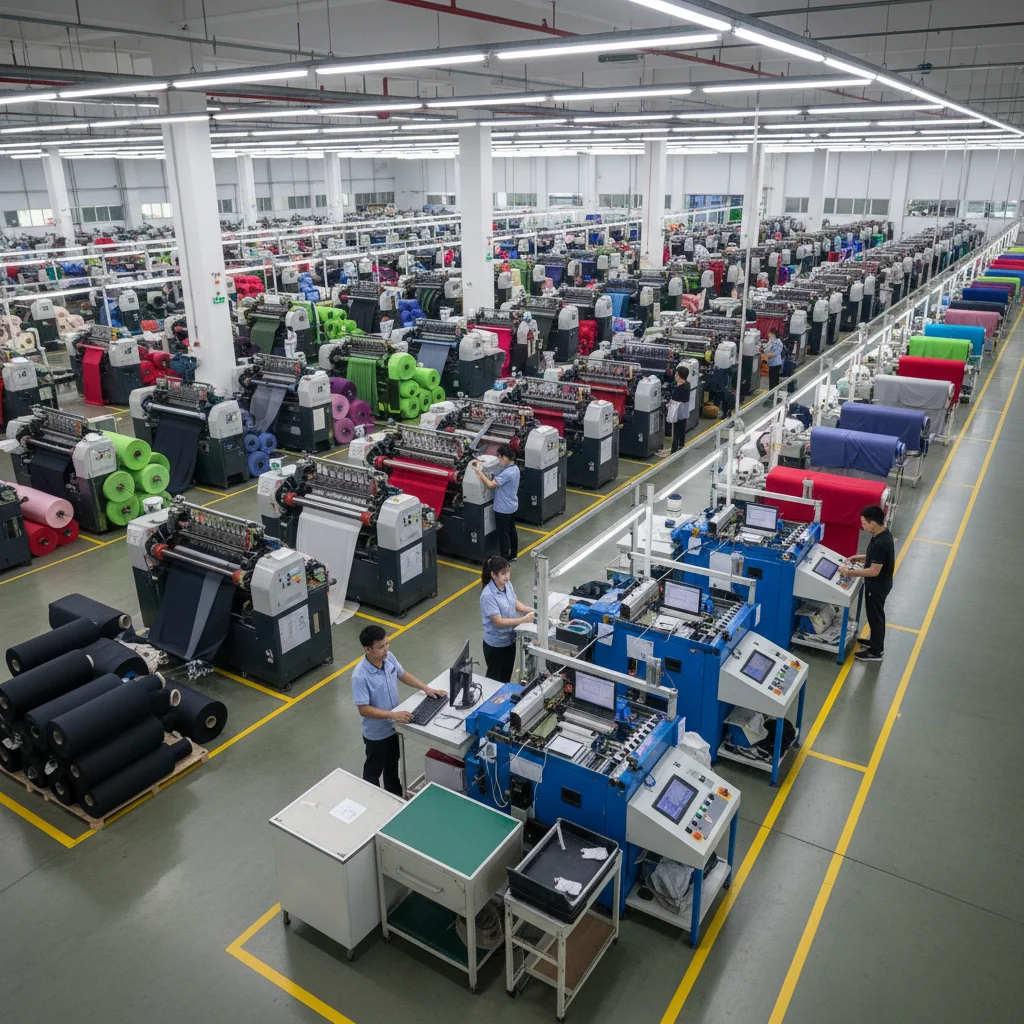
Different Lululemon products come from different places—and that's by design. The brand matches factories to orders with purpose. Each facility focuses on specific garment types. They do this based on their technical skills and equipment.
BSO: Product-Specific Manufacturing SourcesAlign Pants (Nulu fabric) come from Vietnam and Sri Lanka. Eclat Textile's Vietnamese operations handle most Nulu production. The fabric needs precise four-way stretch recovery. Plus, it has that buttery-soft feel. Sri Lankan facilities from Hirdaramani Group make smaller batches. Think seasonal colors and limited editions. These factories have workers trained in seamless construction. That's what Align pants need.
Fast and Free Tights (Nulux fabric) split between Vietnam and Cambodia. The lighter, slicker Nulux fabric needs different machines than Nulu. Youngone Corporation's Cambodian facilities run high-speed production for these training pieces. Their automated cutting systems handle the precise paneling. This creates the streamlined fit.
Define Jackets and structured outerwear come from China and Sri Lanka. These pieces need complex construction. You get multiple fabric types, interior structure, and precise zipper placement. Chinese facilities in Guangdong province have the technical skills for multi-panel assembly. Hirdaramani's Sri Lankan operations make premium versions. These have details like thumbholes and hidden pockets.
Sports bras get made in Sri Lanka and Taiwan. Lululemon's bras—from the Energy Bra to the Enlite—need specialized knowledge. Multiple cup sizes, adjustable straps, and encapsulation technology call for pattern precision. Few facilities can do this well. Taiwan-based partners focus on seamless bra production. They use circular knitting machines. These create the full piece without side seams.
Accessories (bags, headbands, socks) come from China's Jiangsu and Zhejiang provinces. These regions have dedicated accessory manufacturing clusters. Smaller items need different production lines than apparel. The quality control standards stay the same—same AQL limits, same inspection protocols. But the facilities work at smaller scales with faster turnaround times.
This focus on specific products explains why moving production to North America is so hard. You can't just set up one factory and make everything. Each product category needs its own skills, machines, and trained workers. Asia spent decades building these resources.
How to Verify Your Lululemon Product's Origin
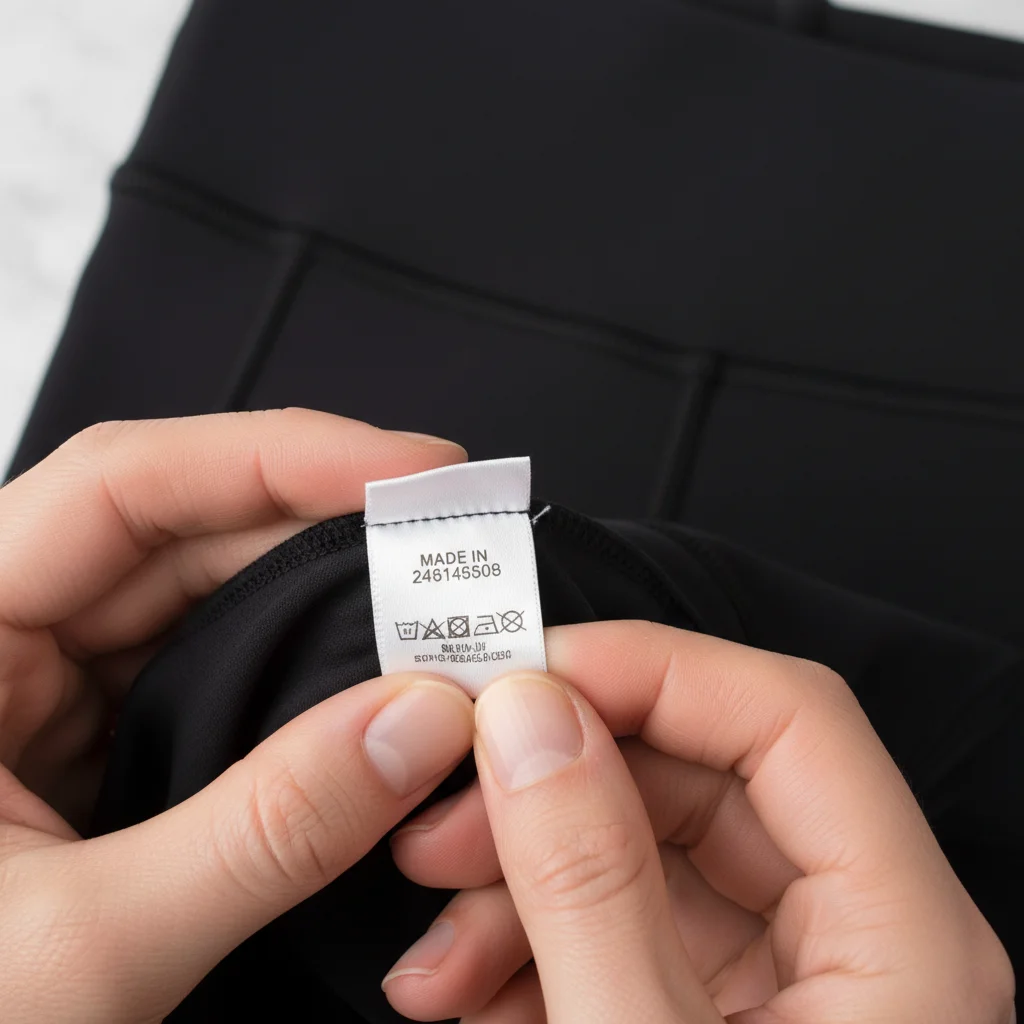
Flip over that care label. You're looking for something simple, but it matters. You just spent over $100 on leggings.
Authentic Lululemon labels have three must-haves: the "lululemon" brand name, a style ID (like LU9BSJS-BLK or 146408765 ), and the "Made in" country tag. Care instructions should be there too. They're printed clean without smudging.
Real labels show quality in the details. The stitching feels tight. No fraying edges. No loose threads. Text appears crisp and easy to read. No blurring. No peeling ink. The label stays attached to the garment. It doesn't hang by a thread or curl at the edges. Font alignment stays the same. Colors don't change halfway through.
Red flags that scream fake : blurry text that looks photocopied, fonts that don't match official Lululemon design, missing style IDs, or "Made in" countries that don't match current production (like "Made in Italy" for yoga pants). Cheap label material that feels thin? Walk away.
Here are specific examples. A Fanny Pack in black has style ID LU9BSJS-BLK . The Goal Smasher Jacket shows LW4CGBS . An Albumin & Linen Handbag ? Look for LU9BSJS-052929 . Match these to what you're buying. One number off? That's not a typo. It's a fake.
Buying secondhand or something feels off? Third-party authentication can help. LegitApp starts at $4 USD . You submit clear photos. Follow their guidelines. Two or more authenticators review your item. Human experts plus AI. You get an AUTHENTIC or REPLICA verdict. You also get a digital certificate (like # 3066123689299189 ). This removes all guesswork.
Think you've found a fake Lululemon site or store? Contact their Guest Education Centre. Don't buy from sellers who won't give official receipts. Got an email from lululemon@gmail.com ? Delete it. Lululemon doesn't use Gmail.
Your purchase needs verification. The label tells the truth. You just need to know how to read it.
CTA 3Start Your Custom Sportswear Order
30+ years of OEM experience. Low MOQ. Full quality control. Trusted by brands in 50+ countries. Contact us for a custom sportswear quote.
Contact Us NowFuture of Lululemon's Manufacturing: Trends and Changes
Lululemon's manufacturing roadmap just hit turbulence. U.S. tariffs on Vietnam and China—plus the removal of the de minimis rule—will cut $240 million from gross profit in 2025. By 2026? That number hits $320 million . This isn't a small tweak. The brand must rethink how it sources and prices products.
Gross margins show the pain in numbers. They peaked above 58% in the past. Recent quarters show 55-56% instead. Chain pressures played a role. So did promotional pricing. Labor costs rose. Quality issues forced inventory fixes. All of this added up. Operating margins fell too—from over 22% at their peak to 17.9% in 2024. Future projections look tight: low case 11.9% , mid 12.8% , high 13.4% . Cost cuts and restructuring can do so much.
BSO: Financial Impact CardsManufacturing Shifts to Offset Tariff Pain
The brand can't eat $320 million in tariff hits without moving production. Expect more plants in Bangladesh, Sri Lanka, and Indonesia. These countries offer tariff breaks. They have proven garment infrastructure. Vietnam and China won't vanish fast. But their share of total production will drop. New partnerships take time to build. Quality control needs checks. Workers need training on Lululemon's technical fabric standards.
This shift creates risk in the short term. New plants mean learning curves. Delays pop up. Quality issues appear until processes settle. Remember those inventory fixes in 2024? That's what happens with weak production standards.
Revenue Growth Depends on International Markets
The Americas segment shows weakness. Q3 2025 net revenue fell 2% to $1.7 billion . U.S. sales face competition. Inflation bites. Tariff-driven price hikes make it worse. Leadership changes won't fix this fast. The slowdown runs into 2026.
International markets need to pick up the slack. Women's products still lead at $6.7 billion in 2024. Men's grew to $2.6 billion . Other categories hit $1.3 billion . Growth plans for 2026 range from 4.2% (low) to 5.2% (high). The high case needs strong demand from abroad. Manufacturing flexibility helps here. Products launch faster. Regional production sits closer to growing markets. Less need for air freight from Asia to North America.
BSO: 2024 Revenue by CategoryCost of Revenue Reality
Between 2020 and 2024, cost of revenue jumped 123% —from $1.94 billion to $4.32 billion . Revenue climbed to $10.59 billion , so gross margin held at 59.22% . But keeping margins steady gets harder as tariffs arrive. The brand faces a choice: raise prices or squeeze margins more. Higher prices might push away budget shoppers. Tighter margins cut funds for innovation and green efforts.
Chain breaks and raw material inflation stay top threats in risk reports. The company pays no dividends. It carries no interest costs. Every dollar goes back into efficient operations and better manufacturing. That money needs to pay off. Fast.
Lululemon's manufacturing future rides on speed—speed to spread production, speed to lock in new partners, speed to keep quality up while costs drop. The next two years decide if that $128 yoga pant holds its price or goes up.
Conclusion
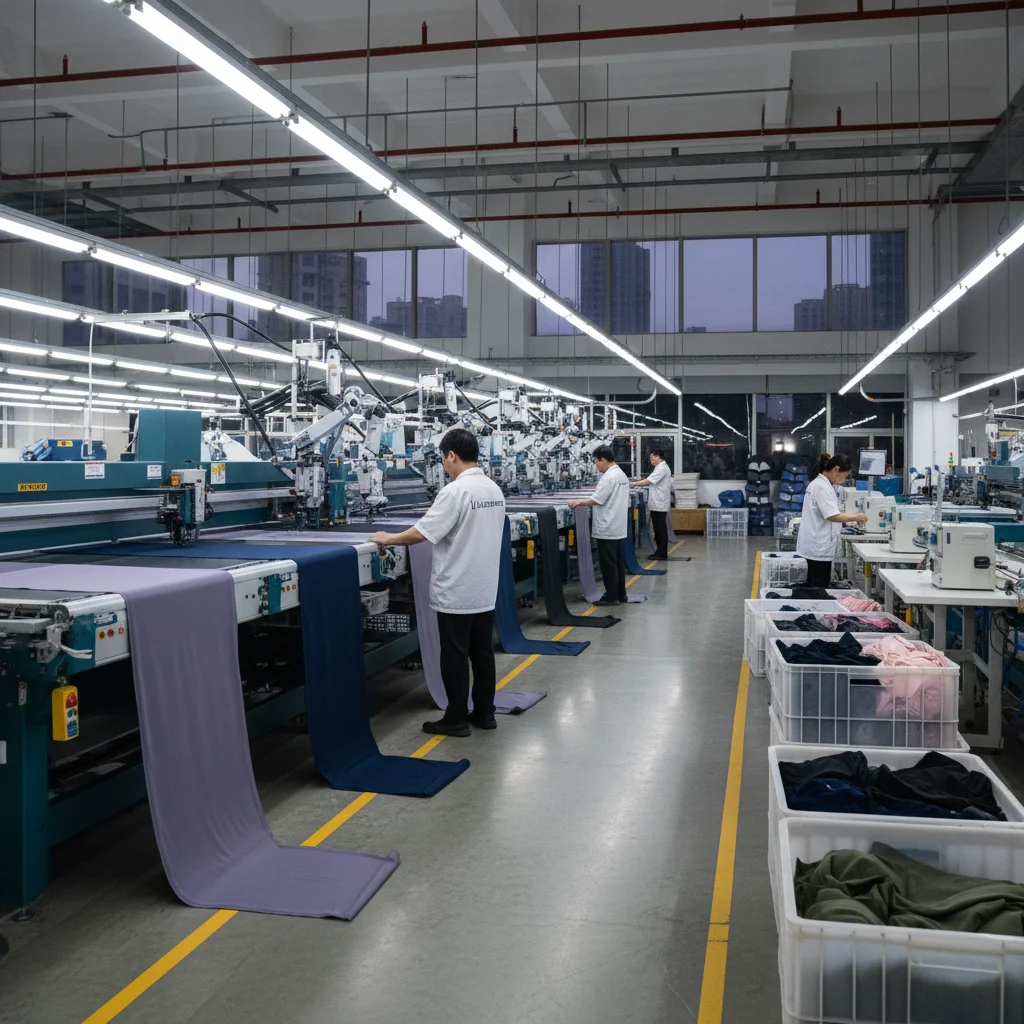
Knowing where Lululemon is made changes how you shop. Those premium yoga pants? They're not just Canadian-designed dreams. They come from a global network across 35+ countries. Cambodia, Vietnam, Bangladesh, and Sri Lanka handle most production. Yes, most pieces are made in Asia. But that doesn't hurt their quality. Lululemon runs strict factory audits. They're members of the Fair Labor Association. Their technical fabric production is cutting-edge. Ethical manufacturing and premium quality work together here.
Here's what matters: the "Made in China" or "Made in Bangladesh" tag doesn't tell everything. Lululemon commits to transparency. They publish their lululemon factory list. They aim for 75% sustainable materials by 2025. This shows they're in it for the long haul. Next time you eye that $128 pair of Align pants, flip to the care label. Check the lululemon factory code against their Vendor Code of Ethics. You'll know what you're investing in. Your money supports more than great activewear. It backs a production system that's getting better. That's worth every dollar.