Playing golf at 90°F and high humidity does more than make you sweat. It kills your swing, breaks your focus, and drags down your whole round — often before you hit the fifth hole.
Summer golf asks more from your wardrobe. A random polo and a pair of shorts won't cut it.
The right moisture-wicking golf shirt pulls sweat away from your skin fast. Breathable shorts keep your legs from overheating. A few smart fabric picks can separate a strong finish from spending the back nine counting down holes to the clubhouse AC.
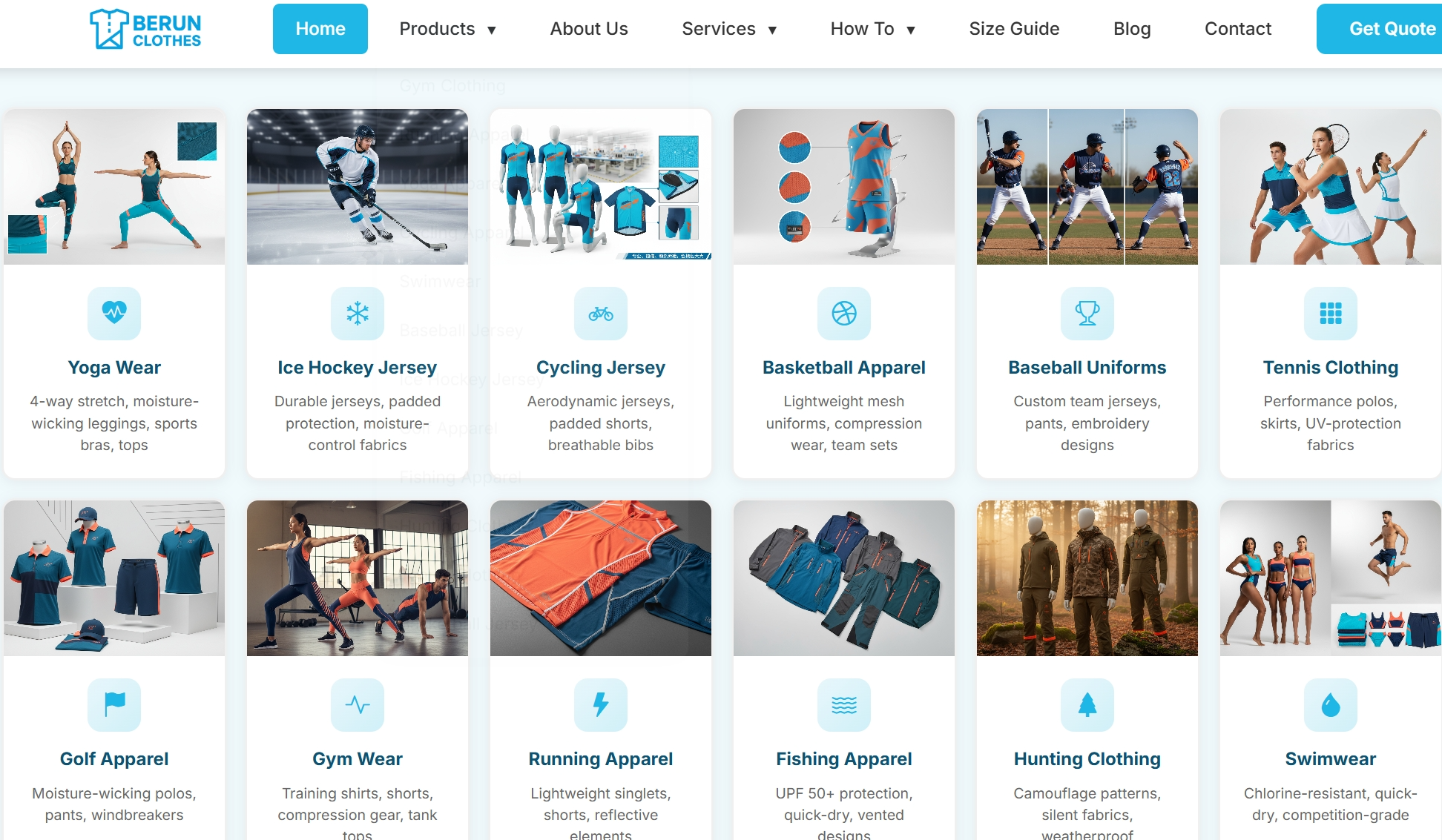
Behind many of the lightweight polos, skirts, and breathable shorts designed for hot-weather play are specialized summer golf apparel suppliers for men & women who focus on moisture-wicking fabrics and ventilation-friendly designs built specifically for high-temperature rounds.
This guide covers what to wear for both men and women. New to the dress code? You'll get clear answers here. A seasoned player fine-tuning your warm-weather setup? There's something useful here too. The goal is simple — stay cool, look sharp, and have fun out there.
Why Fabric Is Everything in Summer Golf (Performance Fabrics 101)

Here is a number worth sitting with: 68% of golfers either take breaks or quit their round early because of heat. Not because they played poorly. Not because of the course. Because their clothes failed them.
Fabric is not a detail. In summer golf, it is the whole conversation.
What Performance Fabric Actually Does
The difference between a good round and a miserable one often comes down to what is happening at skin level. Moisture-wicking golf shirts do more than absorb sweat. They pull moisture away from your body and push it to the fabric surface. From there, it evaporates. That evaporation is what cools you down. Cotton traps moisture against the skin. Performance polyester blends push it out. That gap matters more at hole twelve than most golfers expect.
Behind many high-performance polos used on modern courses are specialized Moisture-wicking golf shirts suppliers that engineer fabrics specifically to accelerate sweat evaporation while keeping the shirt lightweight during long summer rounds.
Research from Stanford backs this up. Nanoporous polyethylene fabric — the science behind products like CoolLife — keeps the body surface 4°F cooler than cotton under the same conditions. A 2°C drop in surface temperature sounds small. On the course in August, that is the difference between a sharp, focused swing and a backswing that falls apart.
73% of golfers report that warm weather hurts their performance. For close to a quarter of them, the drop is significant.
The Three Fabric Properties That Matter Most
Pick any summer golf apparel . Ask these three questions before you buy:
Does it wick and dry fast? Sweat that sits on fabric clings to your body. That cling throws off your swing mechanics and chips away at your confidence.
Does it offer UPF/UV protection? Sun protection golf clothing blocks infrared radiation — which makes up about half of your total heat load — without adding bulk or weight.
Does it stretch in four directions? A full golf swing needs full, free rotation. Fabric that fights your movement does not just feel stiff — it cuts into your mechanics and costs you distance.
How the Fabrics Compare
Fabric | Cooling Performance | Durability | Feel |
|---|---|---|---|
Polyester Blend | Excellent — evaporation-based cooling | High — built for 18+ holes | Dry, temperature-regulating |
Nylon | Moderate — quick-dry but slower cooling | Very high — weather-resistant | Good airflow |
Bamboo | Natural absorption, softer feel | Moderate | Breathable, but retains more heat than synthetics |
Many advanced cooling garments now come from brands working with custom cooling technology golf apparel developers who integrate ventilation mapping, technical yarn structures, and heat-diffusion fabrics specifically designed for high-temperature sports environments.
For cooling golf apparel , polyester blends lead the field in thermal regulation. They handle sustained heat better than natural fibers and stay strong through all 18 holes without breaking down.
Bad fabric shows up fast. You get sticky, sweat-soaked clothing that clings to your skin. Fabric that goes see-through when wet. Material that locks your shoulders mid-swing. These are not small issues. They explain why 84% of golfers prefer brands with verified cooling technology over those without it.
You make the fabric decision in the store. You live with it across eighteen holes.
Men's Summer Golf Outfit: Building a Complete Look from Head to Toe

A well-dressed man on the course doesn't happen by accident. Every piece has a job — and in summer, that job is keeping you dry, mobile, and looking like you belong there.
The Polo: Still the Foundation
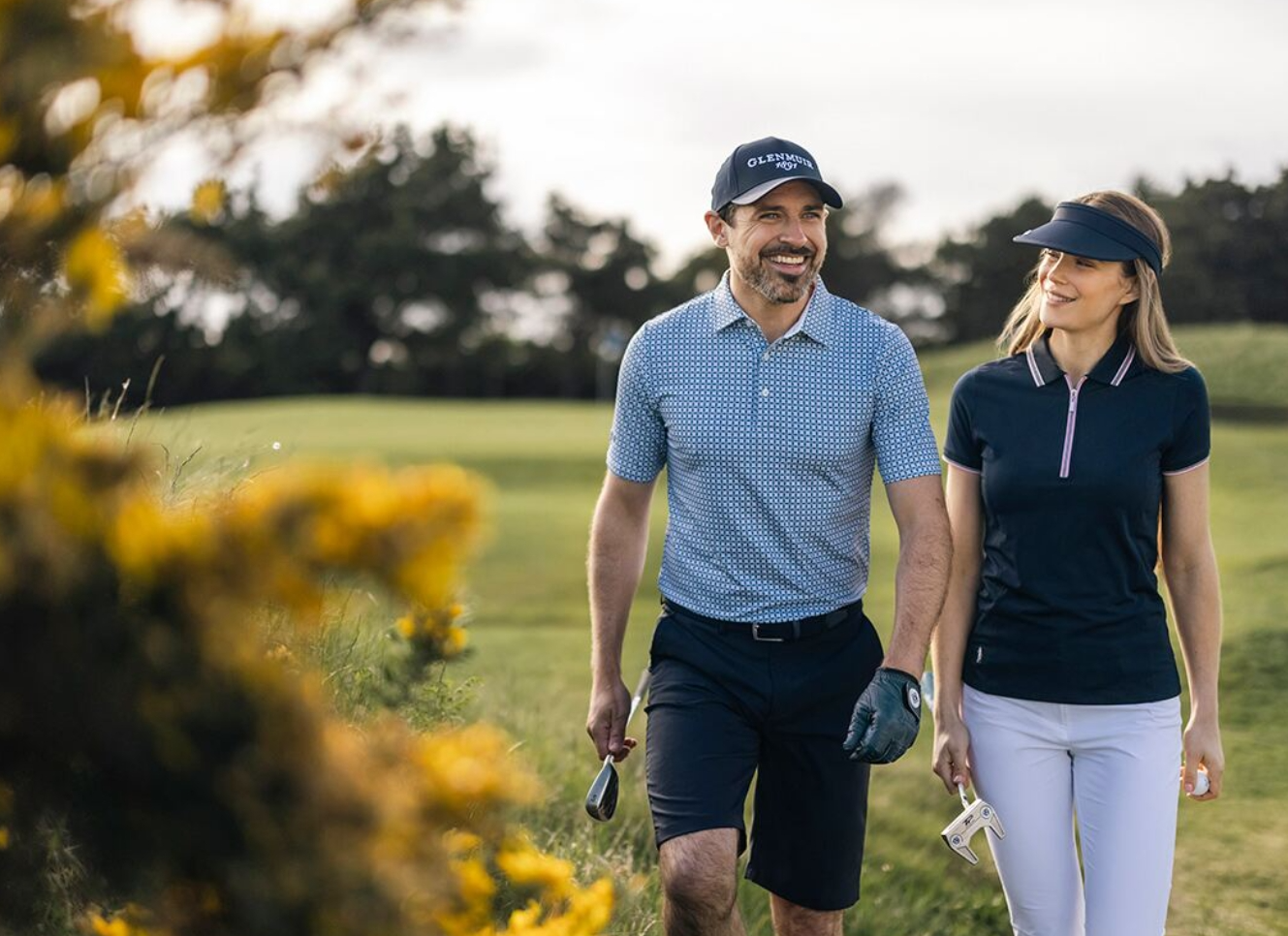
The golf polo shirt for men in summer is the anchor of any course outfit. Not because tradition demands it, but because it works. A good polo balances structure and function — collar intact, fabric built to move air.
Look for 80–100% polyester blends with spandex woven in. That combo gives you moisture-wicking action and the four-way stretch your backswing needs. Mock neck and collarless designs are picking up real momentum heading into 2026. Many now carry UPF 50+ protection built into the weave itself — not sprayed on as an afterthought.
Behind many of these modern performance polo manufacturers are companies specializing in custom breathable summer golf apparel for men.
developing lightweight knit structures that maximize airflow without sacrificing collar shape or course-ready structure.
One rule holds no matter the trend: light colors. White, pale blue, soft grey. Light colors reflect heat. Dark ones trap it. On a July afternoon, you feel that difference fast.
Shorts or Pants: Read the Day
Breathable golf shorts for men are the right call as temperatures climb.
Keep the fit slim — never more than three inches above the knee. Khaki, tan, and beige are your best palette options. Skip cargo pockets and drawstrings. Most courses ban them, and they add bulk you don't need. Deep side pockets for a scorecard and a few tees — that's all the extra storage worth carrying.
Prefer lightweight golf pants ? Go with a flat-front, slim-cut performance style in neutral tones. Hybrid fabrics with UPF 50 protection are easy to find now. They move almost the same as shorts out on the course.
Finishing the Look
Golf shoes: Non-negotiable. Match them to your belt, every time.
Belt: Keep it clean and simple. Coordination isn't optional.
Cap or visor: This is functional gear, not a style add-on. Sun in your eyes on the approach shot costs you strokes — a cap fixes that.
Sunglasses: Most golfers overlook these. You get better depth perception and real comfort across a full eighteen holes.
The complete warm-weather formula is straightforward: moisture-wicking polo + tailored shorts + matched belt and shoes + cap . Clean, functional, course-appropriate — and built to carry you through all eighteen holes without slowing you down.
Women's Summer Golf Outfit: Style Meets Function on the Course

Women's golf fashion has outpaced most other sports in functional elegance. Summer is where that difference shows most.
The modern course demands two things at once: clothes that perform under heat and clothes that hold up at a well-kept clubhouse. Getting both right is straightforward. You just need to know which pieces do the real work.
Tops: Breathable Without Sacrificing Polish
A moisture-wicking golf shirt for women doesn't mean boxy or forgettable. Sleeveless and short-sleeve styles are accepted on most courses — and the smart choice in summer heat. Look for fitted silhouettes in UPF 50+ performance polyester . This fabric pushes sweat outward and reflects solar heat instead of soaking it in.
Collars are optional on many courses now. What's not optional is fabric that stays opaque when wet and doesn't cling as the round goes on. That detail is what separates functional cooling golf apparel from clothing that only looks athletic.
Bottoms: Three Options Worth Knowing
The golf skort is the most versatile piece in women's summer golf. It looks polished at the first tee. It moves well at impact. Plus, it settles the shorts-or-skirt debate in a single garment. Slim-fit golf shorts and lightweight golf pants — cropped or capri lengths — are just as course-appropriate.
Fit matters, so get it right. Here's a reference for common US sizing:
Size | Bust | Waist | Hips |
|---|---|---|---|
S (4–6) | 34⅛–36" | 26½–33" | 37½–38¼" |
M (8–10) | 36¼–38" | 28–35" | 39¼–40¼" |
L (12–14) | 38¾–41" | 30¾–37" | 41¾–42½" |
Measure at the fullest part of your bust, natural waistline, and fullest seat. A 27" inseam is standard for regular lengths across most women's golf dress and pant styles.
The Finishing Layer
Closed-toe golf shoes are mandatory — no sandals, no open-toe, no exceptions. A visor or wide-brim cap cuts glare on approach shots and keeps your UV protection golf wear working from head down. Lightweight gloves and a simple belt pull the look together. Functional and sharp at the same time.
The formula: sleeveless wicking top + golf skort or tailored shorts + matched shoes and cap . Refined, comfortable, and ready for eighteen holes in July heat.
Golf Course Dress Code in Summer: What's Allowed and What Gets You Turned Away

Nothing kills a summer tee time faster than being turned away at the pro shop door. It happens more than people admit. And it almost always happens to someone who thought a clean T-shirt and nice shorts were enough.
They weren't. Here's why, and what works.
Private vs. Public: The Standards Are Not the Same
The course you're playing shapes the rules you're following. Private clubs hold the line: collared shirts, no denim, fitted cuts. These are member-tradition spaces. They enforce their rules without exception. Show up in a graphic tee and you won't make it past the front desk.
Public and municipal courses take a looser approach. Over 55% of public course operators still consider a dress code necessary most or all of the time — but the bar is much lower. Access matters here. 70% of non-golfers say relaxed dress codes make them more willing to play. That pull between tradition and growth is real. Most public courses have chosen growth, and they've done it without making a big announcement.
Still, even the relaxed ones have limits.
What Gets You Turned Away
These are the violations that end rounds before they start:
The Outfit That Gets You In Every Time
Men: Go with a collared polo — tucked in, since 80% of players do — paired with tailored knee-length shorts, a belt, and golf shoes or clean sneakers. Business casual is your safest fallback.
Women: A fitted polo, blouse, or skort in a clean cut works well. Knee-length shorts or a skirt are solid choices. Golf sneakers or flats finish the look. Leggings are accepted at more relaxed venues.
One step worth taking before any new course: check their website or call ahead. Hot climates allow more flexibility, but private clubs hold firm on their standards. Five minutes of research prevents a wasted drive.
How to Stay Cool on the Course: Practical Tips Beyond Clothing
A moisture-wicking golf shirt helps — but it has limits. At 90°F with heavy humidity, your outfit is the foundation. It won't carry the whole load on its own.
Play the Clock
Book your tee time before 10 AM or after 4 PM. August daytime highs hit 86°F. Evenings cool down to 65°F, which puts far less strain on your body. That two-hour shift in timing costs nothing and saves you real energy.
Drink Before You're Thirsty
Thirst means you're already dehydrated. Target 16–20 oz of water every 3–4 holes — about every 75–100 minutes across a four-hour round. In 80–90°F heat, your body loses 1–2 liters of sweat per hour. Drink at a steady pace. Don't wait and gulp it all at once.
The Cooling Towel Method
Soak a towel in ice water for two to three minutes. Wring it out. Drape it across your neck or forehead for 10–15 minutes. Re-soak every half hour. This simple method drops your skin temperature by 10–15°F for up to 30 minutes. Most golfers are surprised by how sharp that reset feels.
Sunscreen Is Non-Negotiable
Put on SPF 30+ broad-spectrum sunscreen 15–30 minutes before your round — about one ounce for full-body coverage. Reapply every two hours. A four-to-five-hour round in full sun without reapplication gives you zero protection. It's just raw exposure. Focus on your face, neck, arms, and hands. Used right, sunscreen cuts UV burn risk by 95% .
Layer Smart for Morning Rounds
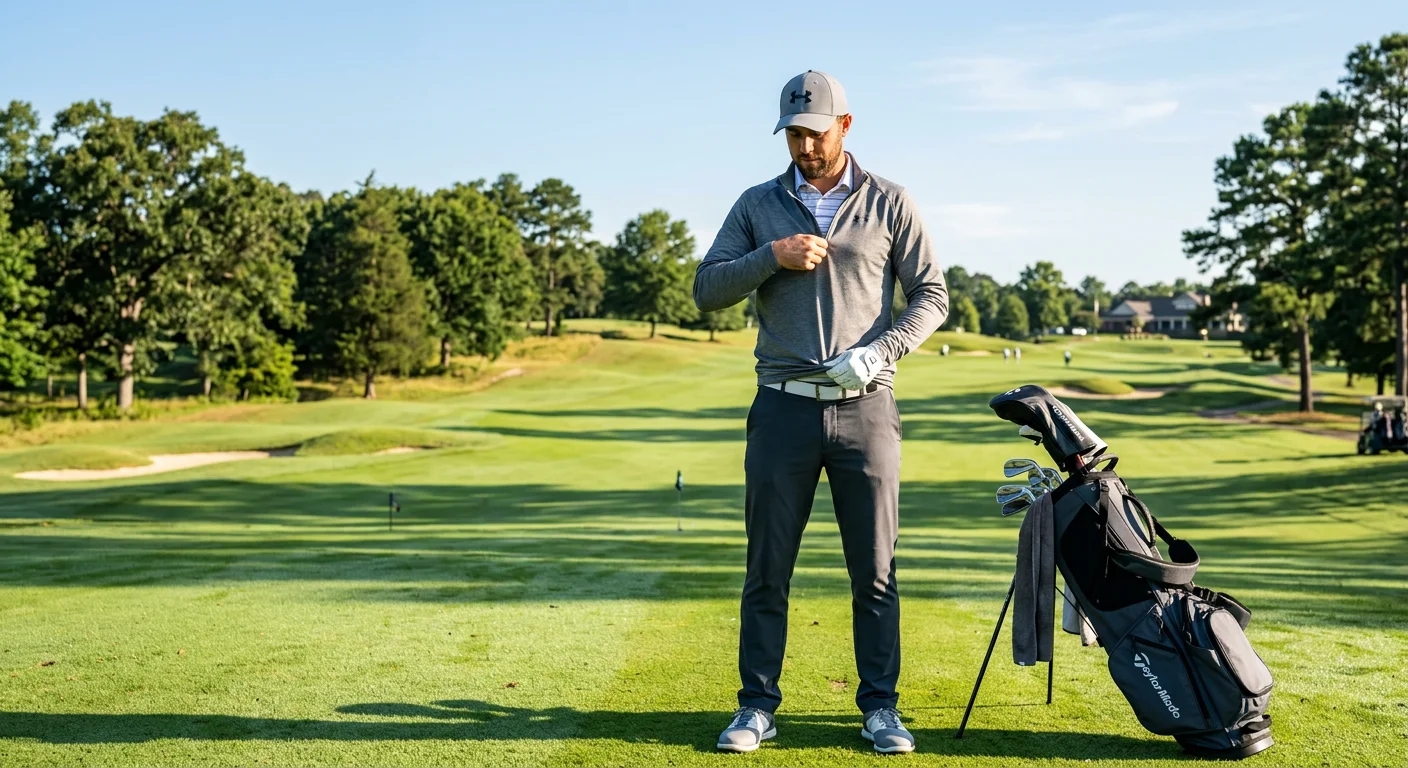
Morning air at 65°F climbs to 86°F by midday. Pack a lightweight quarter-zip — moisture-wicking polyester, four to six ounces — over your performance polo. Unzip as the sun rises. Zip back up in shade or wind. That one layer gives you 10–15°F of insulation flexibility . No extra bulk in your bag. No drag on your swing.
Summer Golf Outfit Ideas: Complete Look Combinations for Men & Women
Theory gets you started. But at some point, you need to see how the pieces fit together — what a finished look actually feels like on the course.
These six combinations cover the full range: traditional club rounds, casual morning nines, and social tournaments where the 19th hole matters just as much as the first tee.
Men: Three Looks That Cover Every Summer Scenario
The Conservative Classic
Start with a white short-sleeve polo — 80% polyester, 15% cotton, 5% elastane. Pair it with khaki slim-fit stretch pants cut to ankle length. A white belt ties the whole look together. The palette is simple: crisp white with navy accents. It works on any traditional course and holds up from the first tee through a long, humid afternoon.
→ Shop this look at berunclothes.com
The Sporty Athletic
This look centers on a floral print tournament jersey polo built with Puma's fusion yarn flex construction. Wear it with tailored moisture-wicking joggers and a sage midlayer. Electric blue and eucalyptus green make a bold statement — without crossing into costume territory. It's the right pick for casual nine-hole rounds and warm practice sessions where you want freedom of movement and a look worth wearing.
The Fashion-Forward
Go with a collarless polo in a bold print. Add emerald green trousers with high-contrast navy trim. Finish with a cropped, drapey pullover and minimal hardware. Citrus coral and emerald is one of 2026's strongest color combinations on the course. It carries straight into the clubhouse after your round, too.
Women: Three Looks Built Around the Skort
The Conservative Classic
The cornflower blue Odetta skort features a pleated back, A-line cut, striped waistband, and UPF 50+ protection. Pair it with the matching Nala sleeveless polo in white and cornflower color block, tucked in. You get subtle stripes, a flowing silhouette, and a cool palette that works in summer heat. This combination is built for formal summer rounds where you need both polish and performance.
→ Shop this look at berunclothes.com
The Sporty Athletic
The monogram peach Nicky pleated skort is patterned, with undershorts and side panels for coverage and movement. Pair it with a matching polo and a long-sleeve full-zip layer in peach and orange tones. Yes, a long sleeve in the heat sounds like the wrong call. It isn't. The sleeve blocks direct sun while the moisture-wicking fabric underneath keeps you cool. Swishy pleats, a comfortable waist, and easy movement on breezy hot days.
The Fashion-Forward
The two-tone Clarity skort in Pastel Haze gives you a 17" A-line cut, box pleats, concealed pockets, and stretch undershorts. Top it with a lilac Thrive cap sleeve polo. Or swap the polo for bold green paisley pants — if your venue allows it. Purple and lilac with green is the color story taking over social play in 2026. The untucked A-line length flatters a wide range of body types and stays course-appropriate throughout.
A few numbers worth knowing before you shop:
UPF 50+ is now standard across 80%+ of performance golf outfits — skorts, polos, and midlayers included.
The 17" A-line skort has become the top cut for women's summer play. It gives you full rotation without the fabric getting in the way of your swing.
Electric blues are up 30% for 2026. Emerald, matcha green, and citrus orange are holding steady as the new neutrals — all of them pair well with navy and white in both men's and women's looks.
Your Summer Golf Clothing Checklist: Everything You Need Before You Tee Off
Pack smart, and the heat becomes something you manage — not something that manages you.
Run through this list before your next round. It covers both men and women, broken down by category. Nothing complicated. Just the pieces that do real work as temperatures climb.
Men
Tops: 3–5 moisture-wicking polos — polyester or nylon blends, light colors, UPF protection built in
Bottoms: 2–3 breathable golf shorts — stretchy, above-knee cut. Plus 1–2 lightweight golf pants with stretch panels
Outerwear: 1 lightweight windbreaker. Good for cool mornings on the course
Footwear: 2 pairs of golf shoes + moisture-wicking socks
Accessories: Wide-brim cap or visor, polarized sunglasses, 2 lightweight gloves, 1 belt
Women
Tops: 3–5 wicking polos or fitted tops + 1 long-sleeve UV shirt for sun-heavy days
Bottoms: 2–3 UPF 50+ golf skorts + 1–2 stretch capris or pants
Outerwear: 1 wind-resistant light jacket
Footwear: 1–2 pairs breathable golf shoes + wicking socks
Accessories: Cap or visor, polarized sunglasses, 1–2 gloves, belt
The core requirements for both: moisture-wicking fabric, four-way stretch, UPF-rated materials, and light colors that push heat away instead of pulling it in. Go for 4–5 polos and at least 2–3 shorts. That gives you enough rotation to stay dry and fresh through a full week of summer play.
Conclusion

Summer golf doesn't have to mean suffering through nine holes in sweat-soaked misery. The right moisture-wicking golf shirt , breathable bottoms, and UV-blocking layers aren't just comfort upgrades. They're the difference between a round you enjoy and one you endure.
Here's what it comes down to: choose performance fabrics that work with your body. Dress to meet the course's standards without giving up function. Build outfits that let you move without restriction from the first tee to the eighteenth green.
You've got the knowledge. Now it's time to put it to work.
Browse berunclothes.com to find sun protection golf clothing and performance pieces built for this — real heat, real rounds, real style. Shopping for yourself or gearing up a partner? Your perfect summer golf outfit is right there waiting.
Go play. Look good doing it.