Table of Contents
You're at the store, staring at swimsuit tags. Which one lasts all summer? That polyester-spandex blend sounds fancy. But what does it mean for your beach trips?
Swimsuit fabric isn't marketing talk. It's the gap between a suit that fades after three pool visits and one that stays bright for years.For swimsuit manufacturers and suppliers, fabric selection is also what separates a reliable long-term product line from costly returns and complaints.
Chlorinated pools destroy some fabrics. You might need strong UV protection. Or you just want something that dries fast before you drive home. The material decides everything.
We decoded the fabric labels. We tested the claims. This guide covers chlorine-resistant fabrics and eco-friendly options.
You'll learn which blend fits your swimming style. That matters more than any pattern.
Primary Swimsuit Fabric Types (3 Core Materials)
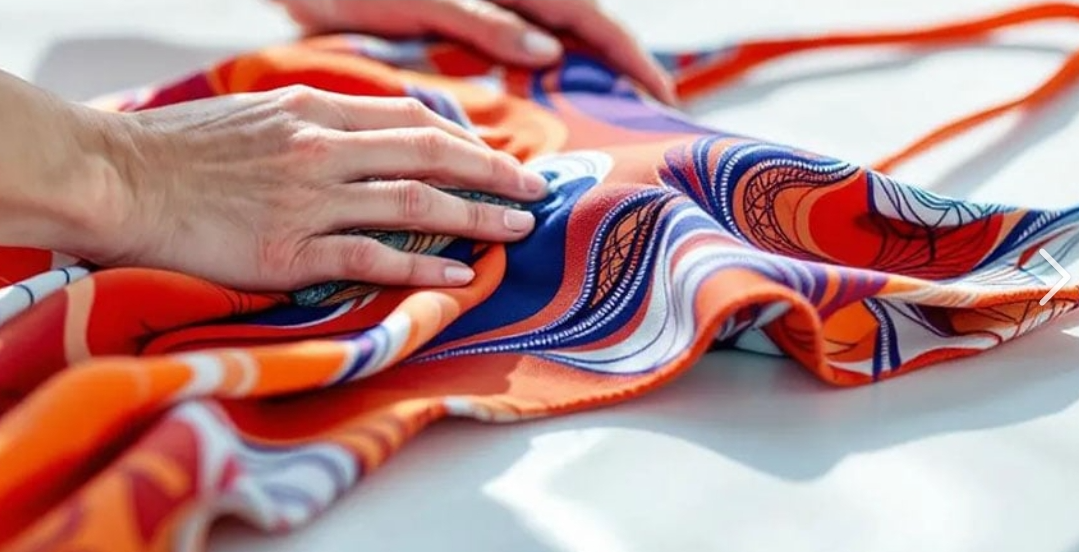 3 Core Materials Overview Cards
Three fibers dominate every swimsuit you'll find. They mix in different ratios to create the fabric that touches your skin. Each one helps you decode those confusing care labels.
Nylon: The Soft Performer
Most solid-colored swimwear starts with nylon spandex blend fabric. The formula runs 80-90% nylon paired with 10-20% spandex. That combination gives you the soft, glossy finish you feel on a new suit.
Nylon dries faster than cotton but slower than polyester. It absorbs more water than other synthetics. Your suit feels heavier in the pool. The trade-off? Superior softness and a satin-like sheen that flatters under any light.
The fiber resists abrasion from rough pool edges and sandy beaches. Tight weaving prevents snags. UV stabilizers lock in bright colors season after season. But here's the catch: nylon struggles with printing processes. Patterned swimwear switches to polyester swimsuit fabric instead.
Polyester: The Chlorine Fighter
Competitive swimmers trust chlorine resistant fabric made from polyester. The standard mix combines 85% polyester with 15% spandex. Some brands push 75-85% polyester with 15-25% spandex for specific performance needs.A reliable swimsuit supplier or OEM/ODM swimwear partner will usually recommend high-grade polyester for training and competitive lines due to its superior chlorine resistance and shape retention.
This durable swimwear material leads the market for good reason. It shrugs off chlorine damage that destroys lesser fabrics. Saltwater phases it less. The fiber repels moisture better than nylon. Your suit stays lighter in water.
Quick dry swimsuit material means you're not sitting in a damp car seat. Polyester delivers the fastest drying time of any swimwear fiber. Shape retention stays solid through dozens of washes. The texture feels firmer and less silky than nylon. That firmness means longer-lasting structure.
Low-grade polyester pills fast. Untreated versions fade under chlorine assault. Quality matters with this fiber.
Spandex: The Stretch Essential (Lycra/Elastane)
Elastane in swimsuits provides the bounce-back you need. This fiber stretches 5-8 times its original length, then snaps right back. It appears under three names: spandex in North America, elastane in Europe, and Lycra swimwear material as a trademarked blend.
No swimsuit uses pure spandex. The fiber lacks durability and turns transparent in water. It blends with nylon or polyester to create compression swimsuit fabric that moves with your body.
Racing suits demand 15-20% spandex for drag reduction and compression. Recreational swimwear runs 20-25% spandex for maximum comfort. Never go below 10% spandex. That's the minimum for proper shape retention.
Here's the vulnerability: chlorine, heat, body oils, UV rays, and saltwater all attack spandex over time. The fiber loses its bounce-back ability. You'll notice sagging and exposed threads. Too much spandex reduces durability and UV protection. The sweet spot balances stretch with longevity.
Quick Comparison
Fabric Comparison GridThe best swimsuits blend these three fibers in smart ratios. Your ideal ratio depends on where you swim and how often.
Common Fabric Mix Formulas (Industry Standards)
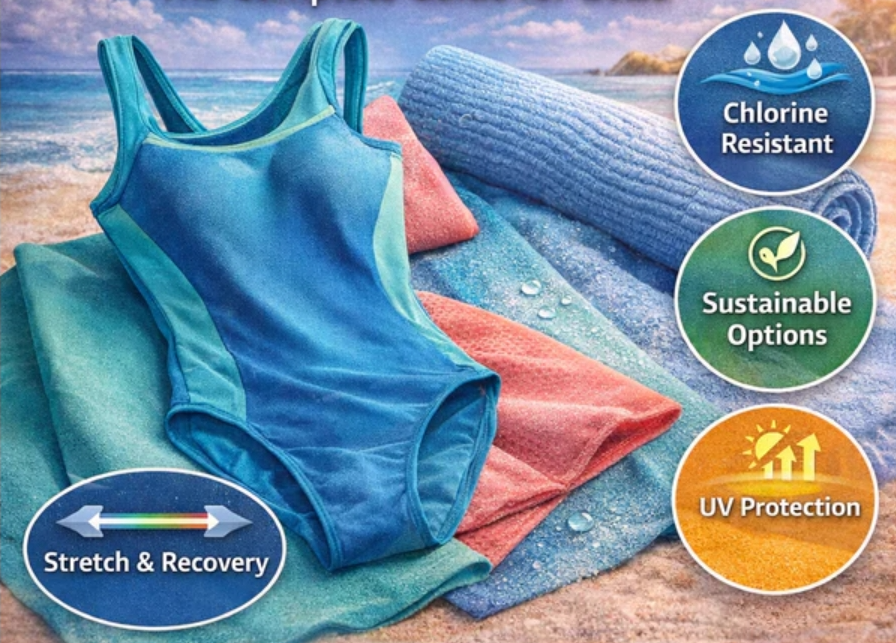
Swimsuit makers use tested recipes to mix their fibers. These formulas balance how well the suit works, what it costs, and how long it lasts. Know the standard ratios. This helps you spot quality before you buy.
Everyday Swimwear Blends
Everyday Blend Formula CardsStandard nylon formula: 82% nylon + 18% spandex gives you everyday comfort. This mix stretches enough for casual swimming. Your suit keeps its shape. Brands adjust within 80-85% nylon and 15-20% spandex. Style determines the exact ratio.
Basic polyester formula: 85% polyester + 15% elastane works for regular pool swimmers. More polyester fights chlorine damage better than nylon. Budget suits often use 80% polyester + 20% elastane. This makes the fabric feel softer.
Premium soft blend: 78% nylon + 22% Xtra Life Lycra creates luxury swimwear that lasts. The upgraded elastane fights chlorine breakdown 5-10 times longer than standard spandex. Expect to pay 30-40% more for this formula.
Race and Training Formulas
Race & Training Formula CardsCompetition standard: 75% polyester + 25% Lycra Sport gives maximum compression and speed. Elite athletes prefer this ratio. It reduces drag. The extra elastane supports muscles tightly. Movement stays free.
Training suit formula: 88% PBT polyester + 12% elastane handles constant chlorine exposure. PBT (polybutylene terephthalate) fights chemical breakdown better than standard polyester. Swimmers training 6+ days per week need this strength.
UV protection blend: 92% polyester + 8% elastane blocks harmful rays. Less elastane reduces UV penetration. Beach volleyball players and outdoor swimmers benefit from this sun-smart ratio.
How to Calculate Blend Percentages
The industry standard formula measures fiber by weight: (Weight of Fiber ÷ Total Blend Weight) × 100 = Fiber %
Here's an example: A fabric sample weighs 100 grams total. It contains 82 grams nylon and 18 grams spandex. The calculation shows 82% nylon and 18% spandex .
Good manufacturers of swimsuits test blend accuracy using ISO 1833 standards. They use chemicals to dissolve one fiber. They weigh what remains. Then they calculate the real percentages. Take a 10-gram sample. It loses 5 grams after chemical treatment. This proves a true 50-50 blend.
Quality Control Standards
Premium swimwear brands keep tight tolerance ranges. Acceptable variation is ±2% from stated percentages. A suit labeled 82% nylon might contain 80-84% nylon. Anything beyond 3% variation shows poor quality control.
Defect calculation formula: (Defective Units ÷ Total Production Units) × 100 = Defect Rate %
Top swimsuits manufacturers keep defect rates under 2%. Say 8 suits out of 200 fail quality checks. That's a 4% defect rate . Industry leaders won't accept this.
How to Read Your Swimsuit Label
Look for these formula clues on care tags:
"82% Polyamide, 18% Elastane" means standard nylon-spandex blend (polyamide is nylon's chemical name)
"Xtra Life Lycra" shows premium elastane with 5-10x chlorine resistance
"PBT polyester" means serious training-grade strength
No specific percentages listed suggests lower-quality making
The blend formula affects every part of swimsuit performance. That 3% difference in elastane decides your suit's fate. Will it keep its shape after 50 wears? Or will it stretch out after 20?
Fabric Performance Comparison (Polyester vs Nylon)
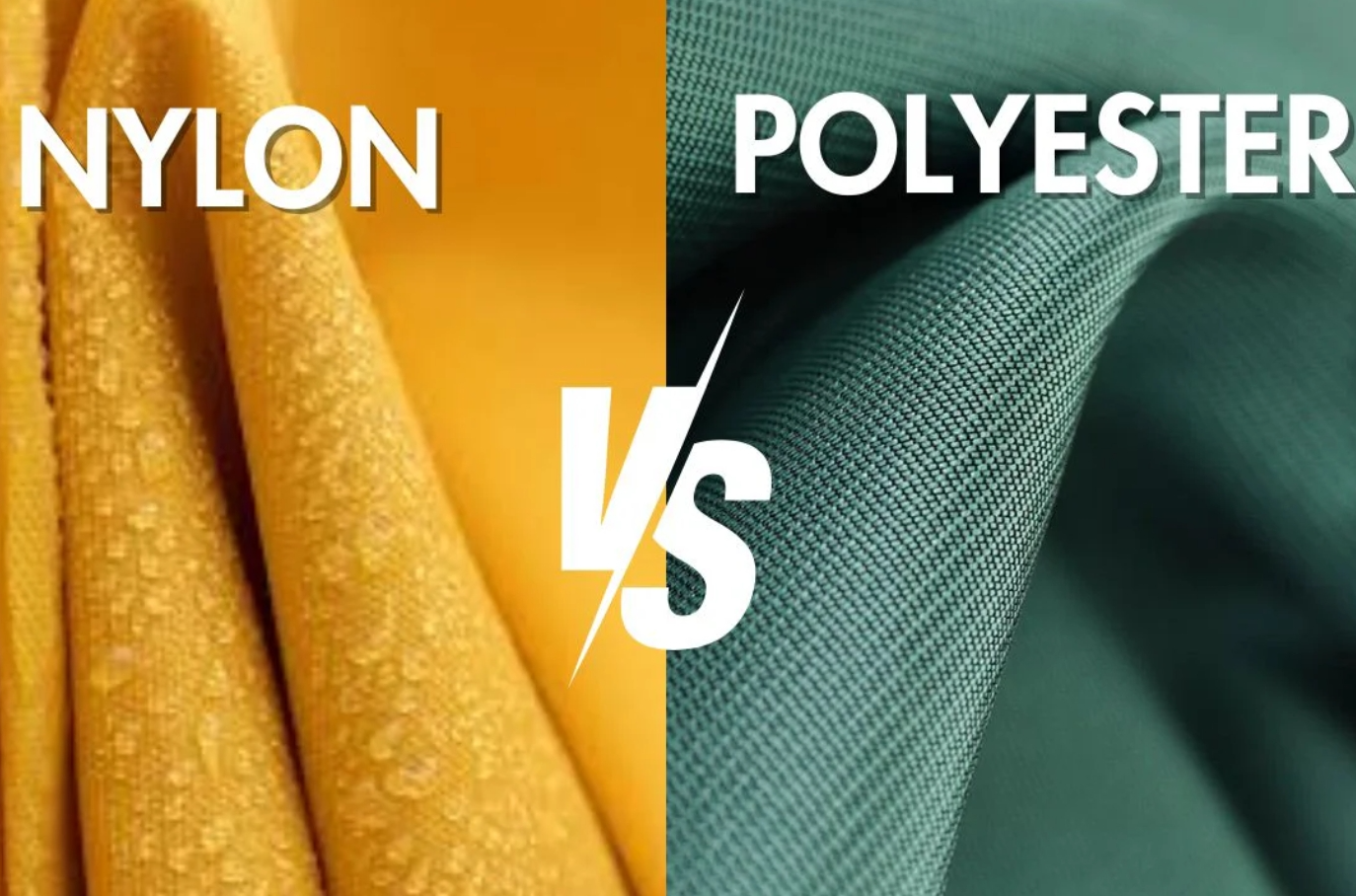
Two fabrics dominate the swimwear rack. They act very different in water. Knowing their performance gaps saves you from buyer's remorse and wasted money.
Moisture Behavior: The Key Difference
Moisture Comparison CardsPolyester swimsuit fabric absorbs less than 1% of its weight in water. Nylon spandex blend fabrics soak up 4-4.5% moisture—that's four times more weight dragging you down. This moisture difference explains why polyester feels lighter during laps.For performance-focused swimsuit manufacturers, low water absorption is a critical metric when developing training and competition swimwear lines.
The gap widens with drying time. Polyester wicks moisture 25-30% faster than nylon. Your polyester suit air-dries in 2-3 hours. Nylon needs 4-6 hours. Swim before work? Pack wet suits for travel? This matters.
Water absorption creates a chain reaction. More moisture means longer drying times. Longer dampness breeds bacteria and odors faster. Nylon holds moisture, so it's not ideal for quick dry swimsuit material needs.
Strength and Structure Performance
Nylon delivers better tensile strength. That's the force needed to tear the fabric. It handles more pulling and stretching than polyester before breaking. You get durable swimwear material that survives rough pool edges and hard wear.
But tensile strength tells part of the story. Polyester holds its shape better. It fights shape distortion under heat and stress. Your polyester suit won't stretch out as fast. It won't shrink in the dryer either.
Elastic recovery separates winners from losers. Nylon snaps back to its original shape well. Polyester shows moderate recovery. Compression swimsuit fabric for racing suits blends both: nylon provides the snap-back, polyester adds strength.
UV and Chemical Resistance
Polyester crushes nylon in UV protection. It blocks more harmful rays. The fiber structure fights sun damage longer. Beach swimmers need this UV protection swimwear fabric advantage.
Lab tests reveal a harsh truth: no 15-denier fabric (nylon or polyester) survives 90+ days of strong UV exposure without breaking down. But polyester lasts much longer before damage starts.
Chlorine resistant fabric performance favors polyester. The fiber's chemical structure fights pool chlorine attack better. Nylon breaks down faster under constant chemical exposure. Training 4+ days per week? You need polyester-dominant blends.
Practical Trade-offs
Pilling ratings run 3.5-4.5 for nylon (less prone) versus 2.5-3.5 for polyester (more prone). Those tiny fabric balls appear faster on polyester suits with repeated friction. Nylon fights wear better and keeps surfaces smoother longer.
Density measurements show polyester weighs 1390 kg/m³ versus nylon's 1140 kg/m³. Heavier doesn't mean worse. It means different performance traits for specific swimming styles.
The melting points sit close together: nylon at 260°C, polyester at 258°C. Neither will melt during normal care. But both need the same heat care during washing and drying.
Chlorine Resistance & Chemical Durability
Pool chemistry attacks your swimsuit from day one. Sodium hypochlorite—the compound in chlorine bleach—breaks down fabric fibers with every swim. The damage builds up quietly. Your favorite suit loses its shape. Or it gets that washed-out look.
Chlorine resistant fabric isn't just marketing speak. It's engineered fiber technology that fights chemical breakdown. Standard polyester can handle 15% sodium hypochlorite exposure for 30 days. The damage stays minimal. Lab tests show almost no fiber breakdown under these harsh conditions. Nylon fails this test faster.
Temperature affects resistance. At 20°C (68°F), most quality polyester swimsuit fabric keeps its structure intact. Heat things up to 50°C (122°F)—common in heated pools and hot tubs—and lower-grade materials show effects within 7 days.
The PBT Advantage
PBT vs Standard Polyester ComparisonPBT polyester (polybutylene terephthalate) sets the gold standard for durable swimwear material in chlorinated water. This modified polyester version beats standard PET polyester at resisting chemical attack. The molecular structure fights breakdown from chlorine and body oils.
Competitive swimmers training 20+ hours each week need this protection. Regular polyester suits last 3-4 months under heavy chlorine exposure. PBT formulas stretch that timeline to 8-12 months. You'll pay 40-60% more upfront. But your cost-per-swim drops sharply.
Xtra Life Lycra Technology
Xtra Life Lycra Performance CardsStandard elastane in swimsuits dies fast in chlorine. The spandex fibers lose stretch after 50-80 pool sessions. Xtra Life Lycra changes this. This Lycra swimwear material version gives you 5-10 times better chlorine resistance. Pre-treatment chemistry makes the difference.Many high-end swimsuit factories specify Xtra Life Lycra for long-life training and competitive collections.
The technology protects the polymer chains from oxygen damage. Your suit keeps its compression and shape recovery longer. Expect 200+ wears before breakdown starts showing. That's the difference between replacing your suit twice per season versus once every two years.
UV Protection Properties
Dark polyester blocks more UV rays than light nylon. That's physics, not opinion. Three things control how much radiation hits your skin at the beach: fabric density, color depth, and chemical coatings.
UPF Rating CardsUPF ratings work like SPF for sunscreen. UPF 15 blocks 93.3% of UV radiation. UPF 30 stops 96.7%. UPF 50+ fabric lets through just 2% penetration—the top rating for UV protection swimwear fabric . Most basic swimsuit material? UPF 3.67. You're wearing almost nothing for sun protection.
Titanium dioxide (TiO2) coatings change everything. This treatment pushes fabric to UPF 55.82—well past the "excellent" mark of 50. The tiny particles absorb UV light through a special process. What does that mean? The coating builds a shield that bounces harmful rays away before they pass through the fabric.
Color matters more than you think. Dark fabrics soak up more UV radiation than pale shades. A black polyester suit beats a white one with the same weave. Wet fabric acts different based on what it's made from. Some materials lose protection after getting soaked. Others keep blocking rays.
Performance swimwear now uses ocean-based compounds called MAAs (mycosporine-like amino acids). Two types—palythine and asterina-330—block a wider range of UV light than old-school oxybenzone sunscreens. These natural treatments give you better UVA and UVB protection.
Loose-fitting compression swimsuit fabric in dark colors gives you top protection without chemicals. The fabric becomes your first defense layer. Then you add sunscreen on top.
Sustainable & Green Swimsuit Materials
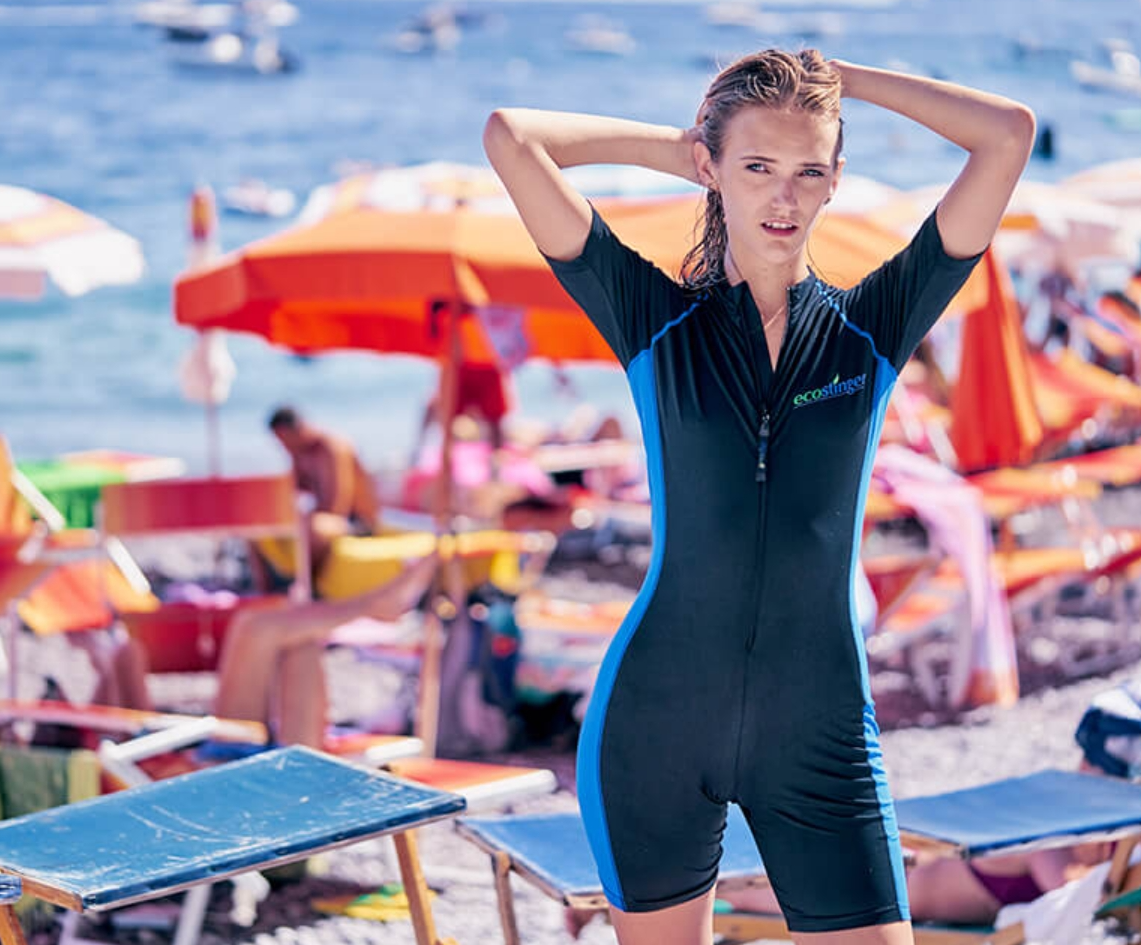 Sustainable Market Growth Cards
The sustainable swimwear market hit USD 8.7 billion in 2024. That number climbs to USD 12.1 billion by 2030. Swimmers who care about the environment aren't chasing trends. They want fabrics that perform well and protect oceans.
REPREVE: Plastic Bottles Reborn
REPREVE recycled polyester led the sustainable swimwear market in 2022. This durable swimwear material takes plastic bottles and turns them into high-performance fabric. Bottles come from landfills. They become fibers as strong as virgin polyester.
The market value should reach USD 6.8 billion by 2030. That's 4.5% growth each year. Swimmers want chlorine resistant fabric that also reduces carbon footprints. REPREVE gives you the same quick dry swimsuit material performance as standard polyester. You sacrifice nothing for sustainability.
ECONYL: Ocean Waste Transformed
Discarded fishing nets kill marine life for decades. ECONYL regenerated nylon gives that waste a second life. The brand collects fishing nets, carpet scraps, and ocean plastics. These materials become nylon spandex blend fabric that performs like virgin nylon.
This UV protection swimwear fabric grows at 7.6% each year through 2030. The circular economy model works well here. Waste becomes raw material. Raw material becomes swimwear. Worn swimwear gets regenerated again. Adidas uses ECONYL in competition suits. Olympic swimmers show that recycled materials maintain speed and compression.
Bio-Based Elastane Revolution
Standard elastane in swimsuits comes from petroleum. LYCRA EcoMade and ECOModa-100 change that. These plant-based options use renewable materials instead of fossil fuels. You get the same 5-8x stretch capability. Manufacturing emissions drop by 30-50% compared to traditional spandex.
Bio-based spandex costs 25-40% more than standard elastane. That price gap shrinks as production grows. Summersalt and Vitamin A adopted these materials first. Both brands target beach lovers who invest in responsible materials.
Certifications That Matter
Certification Badge CardsREACH compliance (EU regulation) blocks harmful chemicals from production. GOTS certification verifies organic fiber content. Bluesign System approval shows the entire supply chain passed environmental audits. Look for these labels. They separate real sustainability from greenwashing.
Closed-loop dyeing processes recycle 95% of water used in coloring fabric. Traditional dyeing dumps chemical-filled water into rivers. Smart brands now use systems that filter and reuse dyeing water over and over.
Performance Without Compromise
Sustainable doesn't mean giving up function. Modern green fabrics deliver:
Sustainable Performance FeaturesOuterknown, founded by surfer Kelly Slater, builds entire collections around recycled polyester swimsuit fabric with competition-grade compression. The suits test the same as petroleum-based versions in lap time trials.
The Price Reality
Price Comparison CardsSustainable swimwear costs 30-60% more than regular suits upfront. A REPREVE bikini runs USD 85-120 versus USD 50-70 for standard polyester. Green fabrics often last longer than cheaper options. Better durability means fewer replacements. Your cost-per-wear drops over two seasons.
Direct-to-consumer brands use transparency to explain pricing. QR codes on tags show material origins, swimsuits factory conditions, and lifecycle carbon costs. You see where your money goes.
Market Momentum
Leisure swimmers drove 2022's sustainable swimwear demand. Beach trips, pool parties, and tropical vacations mean longer wear times. Comfort and durability matter more than shaving milliseconds off lap times. These buyers want style that protects the planet.
Overall Swimwear Market GrowthThe overall swimwear market grows from USD 22.9 billion in 2025 to USD 41.7 billion by 2035. Sustainable options take a bigger share as production costs fall and performance improves. Reversible designs and mix-and-match pieces give you more wardrobe options. You buy fewer suits total.
Choose green lycra swimwear material if ocean protection matters to you. The technology works. The performance delivers. Plus, your suit won't end up choking sea turtles.
Conclusion
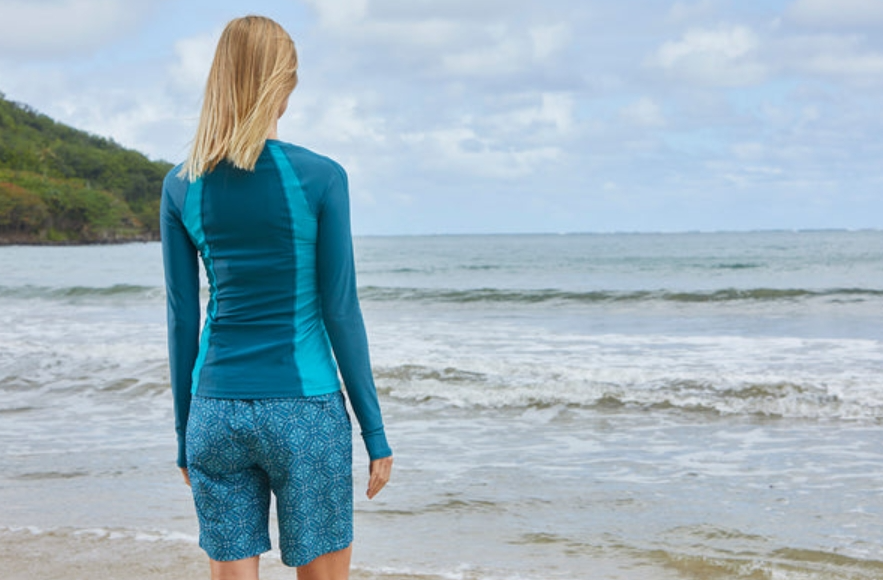
Picking the right swimsuit material goes beyond looks. It affects performance, how long it lasts, and the real value you get. Polyester swimsuit fabric resists chlorine better than most options. Nylon blends feel soft and comfortable. Need something for pool training? Look for chlorine resistant fabric . Knowing these materials helps you shop smarter.This is the same fabric knowledge professional swimsuit manufacturers rely on when developing durable collections for competitive and recreational use.
The fabric matters more than you think. A good swimsuit made from quality lycra swimwear material or PBT lasts years longer than cheap ones. This saves you money and hassle. Check the fabric label before buying. Think about where you'll wear it—pool, ocean, or both. Take care of it properly. Even tough fabrics need proper care to stay in good shape.
Ready to find your perfect match? Browse our collection at berunclothes.com . Every piece uses premium, performance-tested fabrics. Your ideal swimsuit is waiting. Now you know what to look for.