Table of Contents
The global yoga apparel market will hit $69.5 billion by 2030. Yet most brands vanish within three years. What makes Lululemon succeed while countless other labels end up on clearance racks?
Better leggings or smart Instagram posts aren't enough. Success comes from three key areas: sustainable yoga clothing innovation, real community building, and smart brand positioning. These turn casual buyers into loyal fans.
Launching your own line? Investing in activewear? Or maybe you want to know why some yoga pants sell for $128 while others struggle at $28. This analysis shows you the exact frameworks, strategies, and market insights that make yoga lifestyle brands thrive.
We'll break down performance fabric breakthroughs. You'll see the psychology behind inclusive sizing yoga wear. Plus, we'll show what makes customers pick one brand over another—and stick with it for years.
Understanding the Yoga Apparel Market Landscape
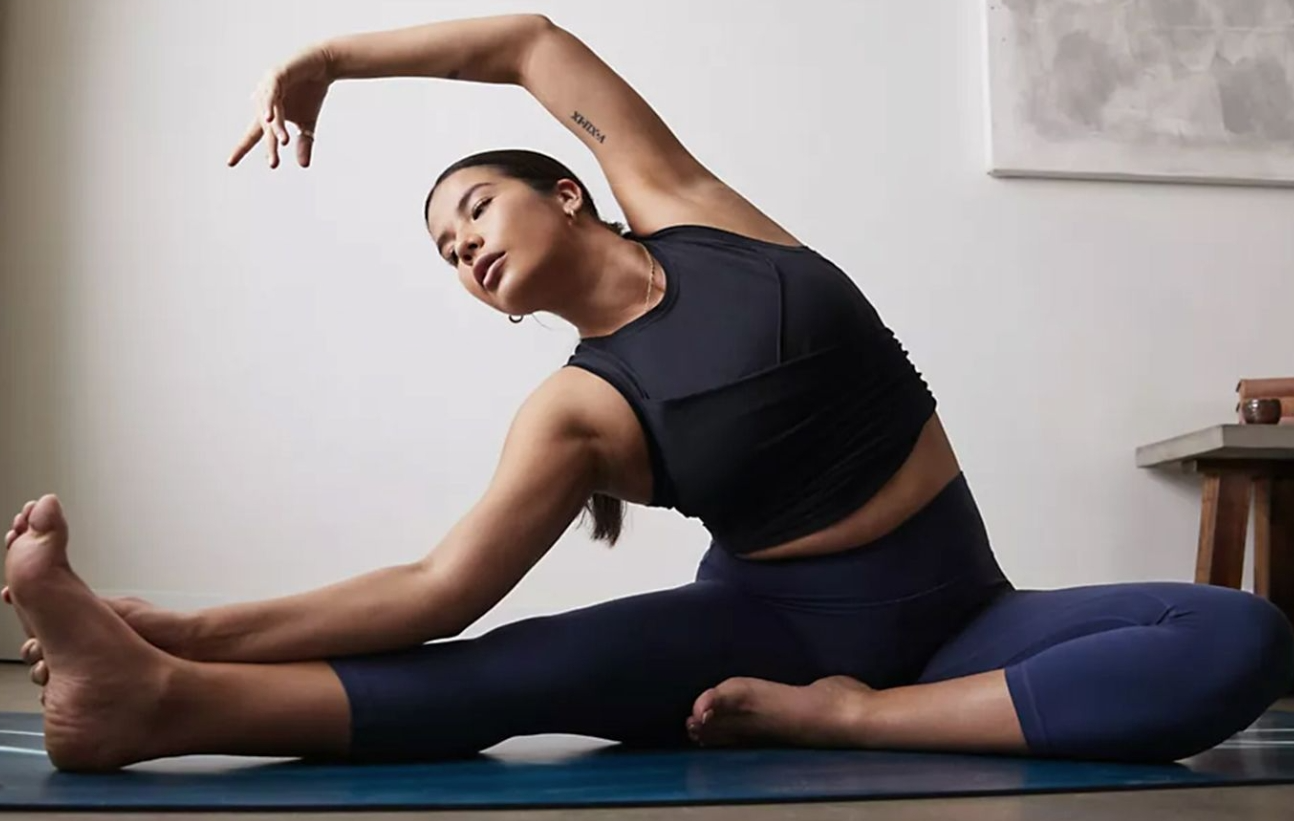
Money pours into yoga wear at a record pace. The global market hit $28.78 billion in 2024. Analysts expect it to jump to $53.59 billion by 2030—a 9.7% growth rate each year. This isn't slow, steady growth. It's a major shift in how people view athletic clothing.
But these numbers hide key details. Yoga tops lead the market right now . Yet yoga pants and bottoms grow faster than any other segment . Bottom-wear alone reached $18.75 billion in 2019. That number keeps rising. People want versatile pieces they can wear from yoga class to everyday life.
Regional Power Dynamics
North America owns 33.14% of the global market . The region will drive 31% of total growth through 2029 . North America's strong yoga culture built a smart buyer base. These customers pay more for quality. Asia-Pacific grows faster than any other region . Expanding middle classes fuel this growth. Plus, wellness awareness rises across major cities.
Europe and Latin America lag behind. Still, they show steady growth. The numbers tell us something clear: success in yoga apparel means knowing more than global trends. You need to understand regional buying habits and cultural views on fitness.
Growth of $21.25 billion is expected between 2024 and 2029 . That growth won't spread equally across regions. Brands that spot these regional patterns—and adapt to them—will grab bigger pieces of the market.
Product Innovation: Performance Fabric Technology
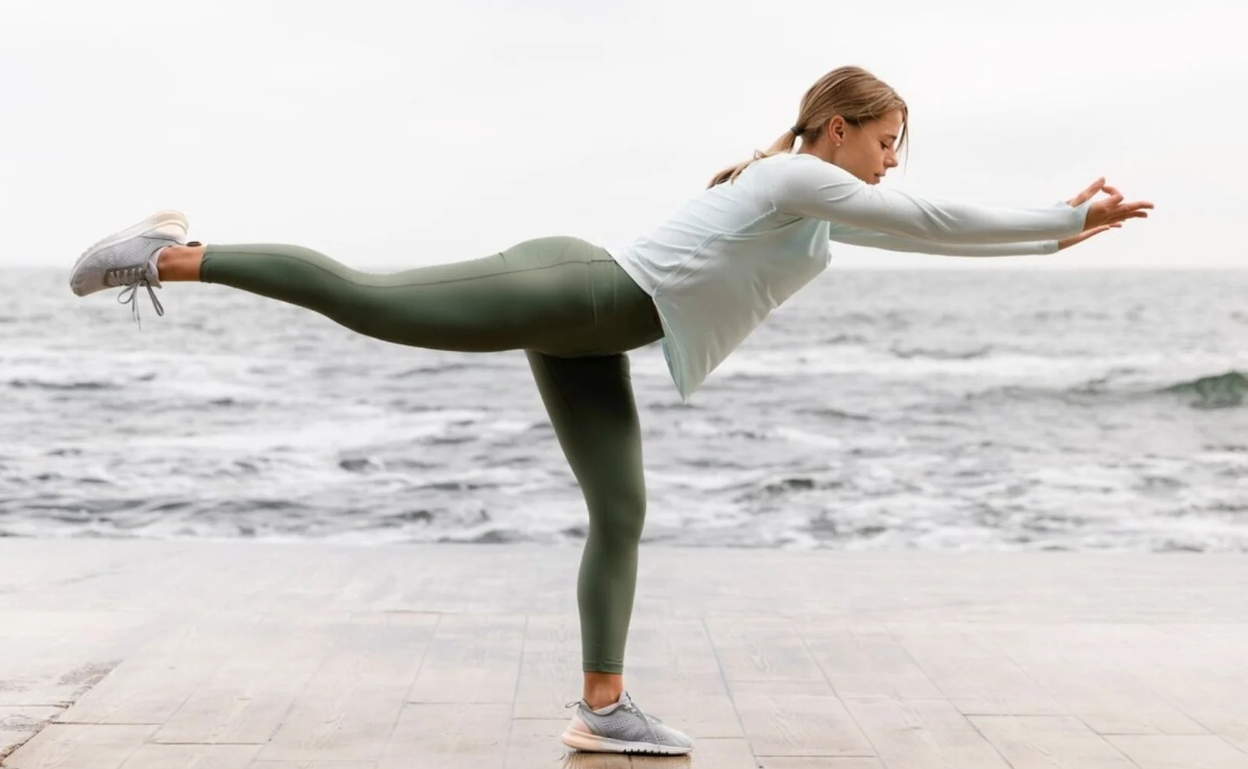
Fabric technology sets premium yoga brands apart from budget options. The performance fabrics market hit USD 84.6 billion in 2025 . By 2032, it will reach USD 120.32 billion —a steady 5.15% annual growth . Why? Yogis want more than basic cotton blends.
Moisture-wicking materials define today's yoga wear. Teijin Frontier launched Microft MX in December 2023. This polyester-nylon blend dries fast. It fights wear and tear. Deep colors stay vibrant through hundreds of washes. The fabric feels soft during hot yoga sessions. It won't pill after months of downward dogs and sun salutations.
Brands that invest in performance fabric technology earn loyal customers. Lululemon's Nulu fabric became famous. It moved with the body. The material stayed opaque during deep stretches. Competitors used thin, see-through fabrics. They lost customer trust fast.
Advanced Cooling and Protection Features
Temperature control matters during tough workouts. Teijin released a polyester fabric in May 2024. It works like bamboo blinds. You get high breathability and UV protection . Yogis practicing outdoors stay cooler. Plus, they're safer from sun damage.
Asia-Pacific controls 42.4% of the performance fabric market . China makes over 35% of global output . This production power drives faster innovation. Brands sourcing from this region pay lower costs.
Bio-based options are changing sustainability standards. Bio-based high-strength polyester hit production in 2024. It cuts carbon footprints by 22% . It adds 15 million square meters of annual capacity. Eco-conscious buyers notice these improvements. They'll pay more for sustainable yoga clothing that works well.
Smart textiles are entering the market. Nike and Adidas use energy-harvesting fabrics. These fabrics have sensors and batteries built in. This shows where eco-friendly activewear is going—clothes that track your performance and help the planet.
Sustainable Yoga Apparel Brand Strategy

Green credentials drive buying choices more than price now. Over 60% of yoga practitioners prioritize sustainable options when shopping for activewear. This shift opens doors for brands ready to commit to real environmental action—not just marketing talk.
The sustainable yoga clothing segment grows at 10.7% annually . That beats the overall market's 9.7% rate . Smart brands see this gap. They build their business models around circular economy ideas. The strategy works. You get customer loyalty and better market position.
Building Trust Through Material Choices
Organic cotton, bamboo fabric, recycled polyester, and Tencel blends create the base of real sustainable lines. These materials give you the breathability and moisture-wicking features yogis need. Unlike greenwashing tactics, these fabrics prove their worth through performance. Your body stays cool during hot vinyasa flows. Sweat disappears between poses.
Recycled plastic turns ocean waste into high-performance leggings. This circular method cuts landfill waste. Plus, it creates durable products. Brands using these materials tell powerful stories. Customers feel connected when their $98 yoga pants remove plastic bottles from waterways.
Real Sustainability That Works
CorePower Yoga cut single-use plastic across 200+ studios through their Boxed Water partnership in September 2022. This clear commitment made their apparel line's green status stronger. Students practicing in these spaces became brand ambassadors. They trusted the sustainable yoga clothing sold in lobbies. They saw real environmental action.
Take-back programs and closed-loop recycling separate serious brands from fakes. These programs handle fabric waste the right way. Customers return worn-out pieces. Brands process them into new materials. This real circularity builds long-term trust that basic "green" labels can't match.
Design Excellence: Balancing Fashion and Function
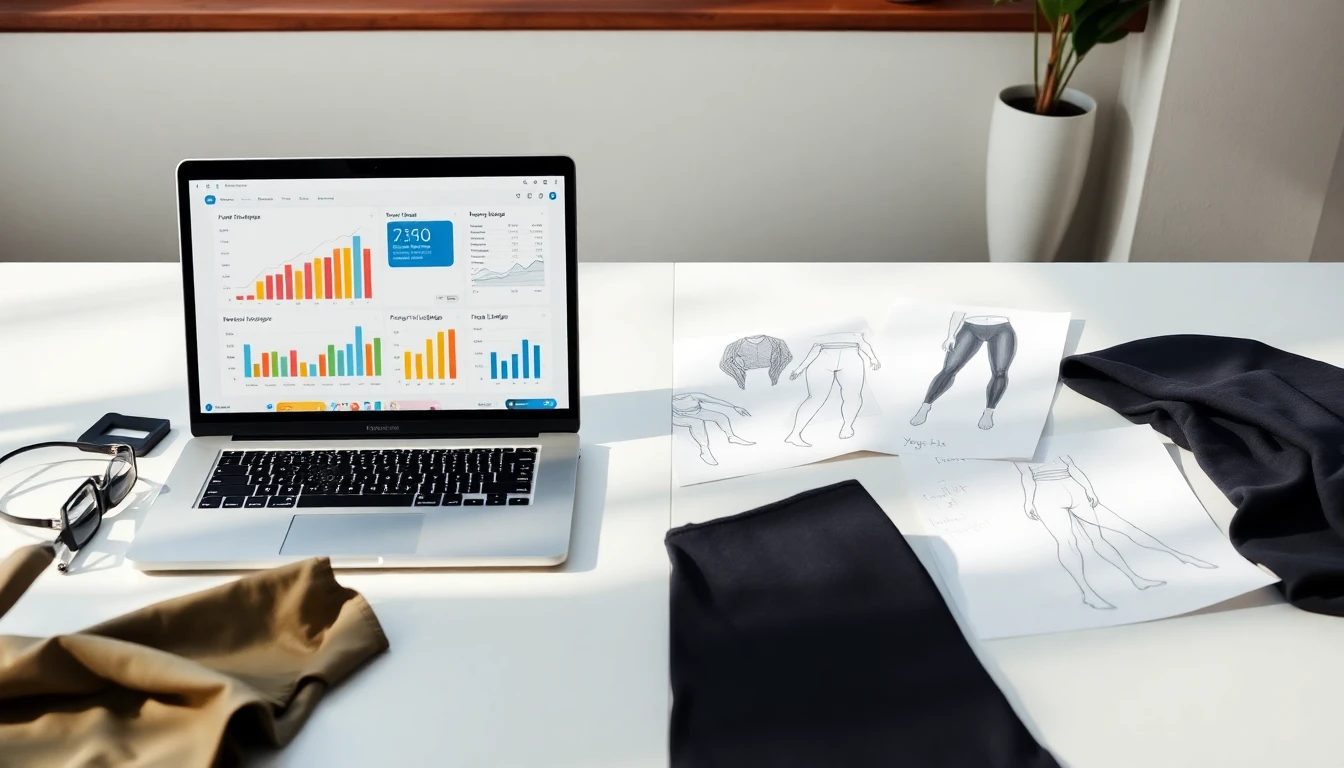
A single design mistake costs yoga brands big money. Fit issues trigger 15% of all returns . That's lost revenue, damaged trust, and inventory chaos. Top brands don't guess. They combine trend forecasting with precise functional engineering.
Hybrid forecasting models achieve 82% accuracy in predicting what yogis want. These systems pull data from social media, real-time sales, and weather shifts. Creative intuition alone? Stuck at 60% accuracy. The gap means millions in wasted production or missed opportunities.
Data-Driven Design Decisions
Style Check algorithms process thousands of outfit images with over 90% accuracy in detecting fit and style. Color carries the most weight in these analyses. Matching skin tones boosts aesthetic scores by 11%. Fit and shape rank second. Patterns follow. These algorithms update every three months. They track how yoga fashion evolves season by season.
Burberry proved this approach works beyond yoga wear. Their integrated analytics platform pulls customer feedback across apps, websites, emails, and physical stores . The result? Personalized services that boost engagement by 20-30% . Yoga brands using similar methods learn which necklines flatter which body types. They discover which waistband heights prevent rolling during chaturangas.
The Four-Analytics Framework
Smart brands use four distinct analytics types to balance aesthetics with performance:
Building Collections That Convert
The smartest brands extract insights from six data sources : POS systems (45%), loyalty programs (20%), social listening (15%), supply chain metrics (10%), and customer surveys (10%). This mix produces 35% better collection designs compared to gut-feel approaches.
Watch social platforms for micro-signals. #colorrise hashtags jump 40% in searches ? That shade enters your next drop. But data feeds just 60% of design decisions. Creative vision fills the remaining 40%. This hybrid scoring prevents soulless collections that lack brand personality.
AI-powered fit testing scans product images and detects 95% of style attributes on its own. Designers test virtual samples on diverse body types before cutting fabric. Adjustments happen in digital space. Cheaper, faster, more sustainable.
Set up automated reorder triggers at 70% sell-through rates . Your inventory stays lean. Popular styles restock before customers notice gaps. Slow movers clear out through targeted promotions that boost revenue 15% . You don't train customers to wait for discounts.
Personalized style recommendations lift conversion rates by 18%. Your site suggests the perfect sports bra based on previous purchases and browsing behavior. Customers feel understood. They buy more. They return less. Color mismatches drop below 10% with accurate preference matching.
Measuring What Matters
Track these balanced metrics:
Sales growth comes from trend alignment ( +25% when you nail it ). Balance that against reducing overproduction ( -30% waste ). Fashion-forward doesn't mean reckless.
Inventory optimization means 70% stock matches popular sizes and colors. Keep out-of-stock incidents under 5% . Nothing frustrates yogis more than finding their size sold out in the color they love.
Return rates improve with fit and style scores above 80% customer satisfaction . This metric unites fashion appeal with functional performance.
Margin protection requires strategic promotions alongside sustainability commitments. Cut excess inventory by 20% through smarter forecasting. Use those savings to invest in eco-friendly activewear . You don't sacrifice profitability.
The yoga apparel industry employs 82.7% women designers . These professionals understand the unique intersection of movement, modesty, and style that yoga demands. Brands using big data insights alongside this creative know-how see 25% sales growth over competitors who stick to tradition or trend-chasing.
Excellence emerges when numbers inform creativity without killing it. Your regression models need R² values above 0.85 for reliable sales forecasts. But those forecasts mean nothing if designs lack soul. Balance the spreadsheet with the sketch. Merge the algorithm with the atelier. That's where premium yoga apparel brands separate themselves from commodity producers fighting over clearance-rack scraps.
Building a Yoga Community and Brand Authenticity
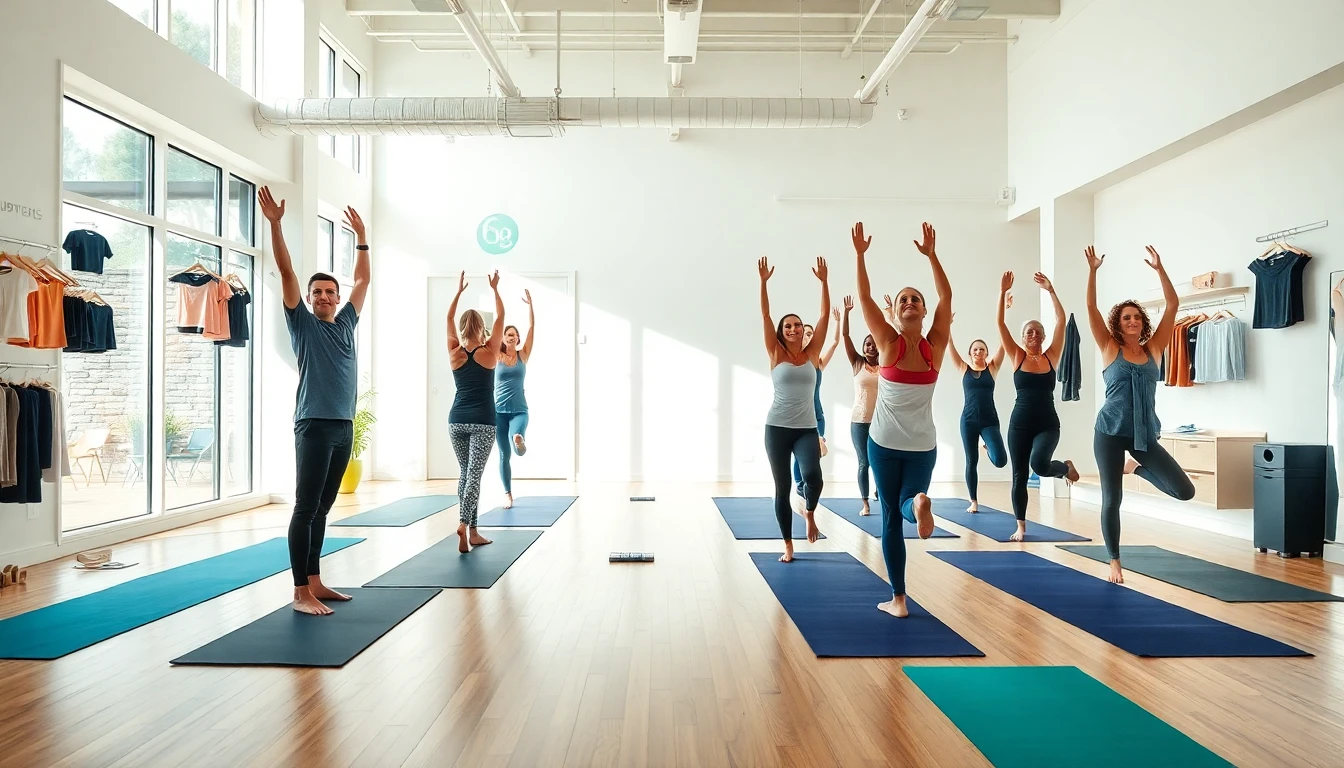
Brands that build real communities own their customers' hearts—and wallets. 300 million yoga practitioners worldwide create massive opportunity. Most brands treat this audience as transactions, not tribe members. Retention numbers and word-of-mouth power show the difference fast.
72% of yoga practitioners are women . They want connection beyond buying products. 86% report reduced stress through practice. These aren't just statistics. They're people looking for belonging and support. They want brands that get their journey. Real brands tap into this emotional core.
Creating Spaces That Matter
67% of yogis practice at home . 52% joined online classes . Digital channels grew yoga community participation by 400% in UK and France markets . But screen-based connection feels empty on its own. Smart brands mix online reach with real-world moments people remember.
Post-class mixers turn studios into social hubs. Outdoor group sessions build shared experiences. YogaSix grew to 200 studios by 2025 by using the same community rituals everywhere. Students walk into new cities and find familiar faces. Same energy.
Member-driven events make things feel real. Let students suggest class themes. Ask them to share personal stories. Have them co-lead meditation segments or journaling circles. Wellness retreat market hit $225.89 billion in 2024 . Brands hosting their own retreats create deep experiences. These cement lifetime loyalty.
Pay-what-you-can classes show values over profits. These sessions attract different practitioners. Many can't afford $35 drop-ins. The goodwill creates organic advocacy worth far more than discounted revenue.
Building Trust Through Consistency
Brand trust breaks down fast. Marketing promises must match studio experiences. Every teacher matters. Every social post matters. Every customer service interaction either builds or destroys your community's trust. The $107 billion yoga market supports countless brands. Which ones will still thrive in three years? The ones that kept their word. Even behind closed doors.
Lululemon Success Blueprint Analysis
Lululemon's "Power of Three x2" strategy delivers real results. Competitors drown in discount wars. The four-year plan (FY22–FY26) sets big goals: double men's revenue, double digital sales, and quadruple international markets . Bold numbers. Disciplined execution backs them up.
Q3 FY2025 proves the blueprint works. Wall Street expected caution. Lululemon delivered growth.
The Three Strategic Pillars
Product innovation drives everything. Men's revenue jumped 8% . Women's climbed 6% . Accessories surged 12% . This category growth protects margins. Customers buy $128 yoga pants. They now add $48 belt bags and $38 hair accessories. Higher baskets. Same store visit.
Guest experience sets premium apart from basic. Digital revenue reached $1.1 billion—42% of total sales and up 13% . Store sales stayed flat. Yet Lululemon opened 12 net new locations in Q3 alone. Plus 16 store upgrades —moves to high-traffic areas and expansions in strong markets. The brand now runs 796 stores worldwide with 12% more square footage than last year.
Market expansion targets China hard. Mainland China revenue exploded 46% year-over-year . Sales in existing Chinese stores rose 25% . Singles' Day timing helped. Strong outerwear collections drove purchases. But the real story? Chinese consumers love premium yoga lifestyle brands. The growth proves it.
Regional Reality Check
Not every market performs equally. Americas revenue dropped 2% . U.S. sales fell 3% . Canada managed 1% growth in reported dollars but stayed flat in constant currency. Mature markets hit saturation. International expansion offsets the domestic drag.
The rest of world (excluding Americas and China) delivered 19% revenue growth . Sales rose 9% . This spread across regions protects against single-market shocks.
Margin Management Under Pressure
Premium positioning needs margin discipline. Gross margin hit 55.6% in Q3 2025 —down 290 basis points from 58.5% last year. Operating margin fell to 17% from 20.5% . Rising costs squeezed profits. Yet Lululemon refuses to chase volume through discounts.
The blueprint keeps gross margins in the mid-50s through full-price selling. Few markdowns protect brand value. Customers pay $98 for leggings. They expect exclusivity. Clearance racks kill that perception fast.
Digital's 42% revenue share scales without matching occupancy costs. Store productivity gains—through moves and expansions—use fixed expenses better. Accessories at higher margins balance apparel pressure.
Lululemon's success comes from refusing shortcuts. No desperate promotions. No wholesale dumping. Just constant focus on product quality, customer connection, and smart geographic bets. The numbers prove that premium sustainable yoga clothing and brand authenticity still win—even as growth gets tougher.
Winning in Men's Yoga Apparel Segment
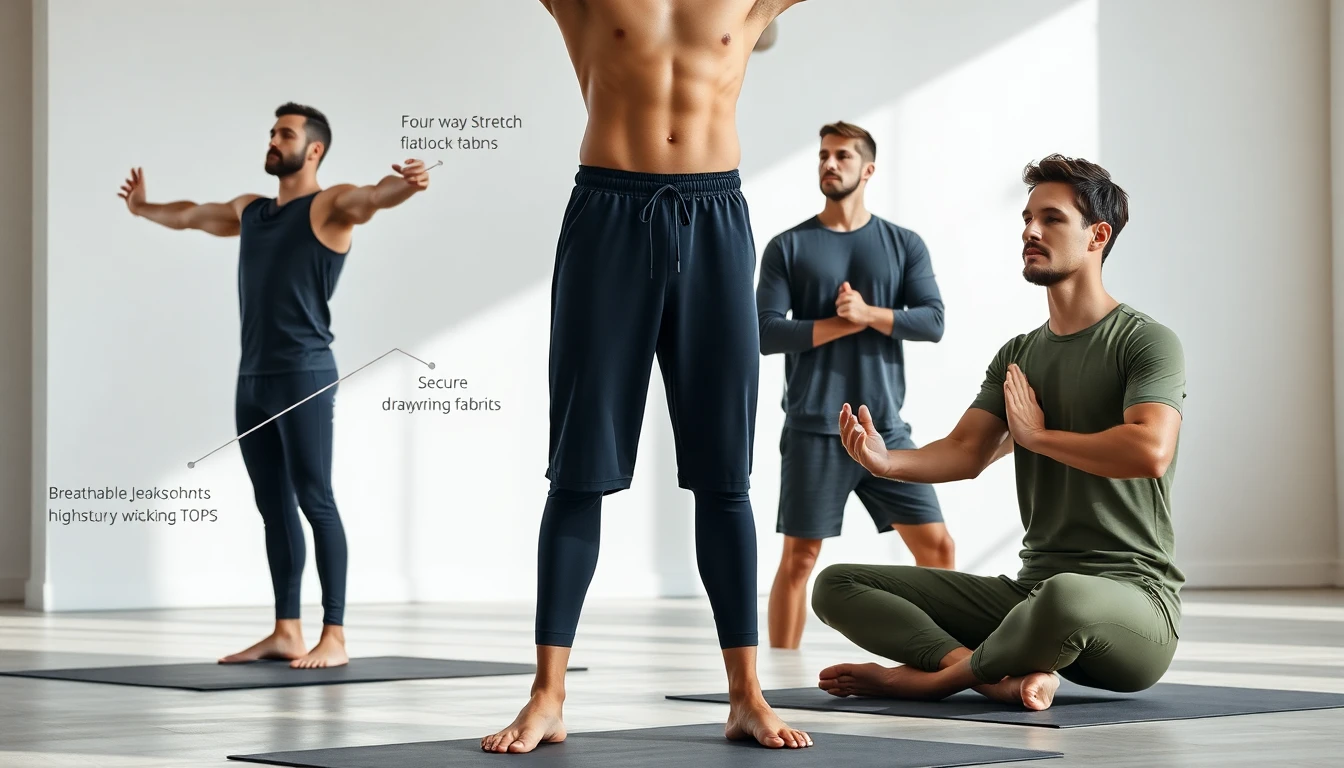
Male yogis are the industry's fastest-growing opportunity. Men's yoga apparel grows at 10.1% annually —beating the total market's 9.7% rate. Grand View Research shows men's clothing demand will grow through 2030 faster than any other group.
Most brands still treat men as afterthoughts. They shrink women's designs, darken the colors, and call it menswear. This lazy approach creates huge gaps. Men need different fits. Their bodies move through poses in unique ways. Their buying needs differ from female practitioners.
Product Categories That Convert Male Buyers
Yoga pants, shorts, fitted tops, and lightweight jackets lead men's purchases. Construction details separate winners from failures. Four-way stretch knit with spandex blends gives full range of motion. Men moving through warrior sequences or low lunges need fabrics that don't restrict.
Moisture-wicking, quick-dry materials set the baseline. Hot yoga sessions need more. Flatlock seams stop chafing during floor work. Opaque fabric at full stretch is critical—see-through leggings destroy trust fast. Waistbands need secure hold during inversions . Elastic alone slides down. Drawcords add real security.
Lululemon and Alo Yoga capture male customers with mid-premium pricing. Their success proves men will pay $98–$128 for technical yoga pants that work for gym sessions and casual wear. This multi-use design drives purchase decisions. One pair works in multiple settings.
Direct-to-consumer e-commerce with detailed size guidance converts hesitant buyers. Men shopping online need fit confidence. Digital tools show body-type matches and measurement charts. This cuts down returns. North America and Europe offer quick revenue potential. Strong studio networks and higher spending power live here. India, China, and broader APAC markets show medium-term growth. Male participation picks up speed across urban centers.
Omnichannel Sales Strategy Optimization
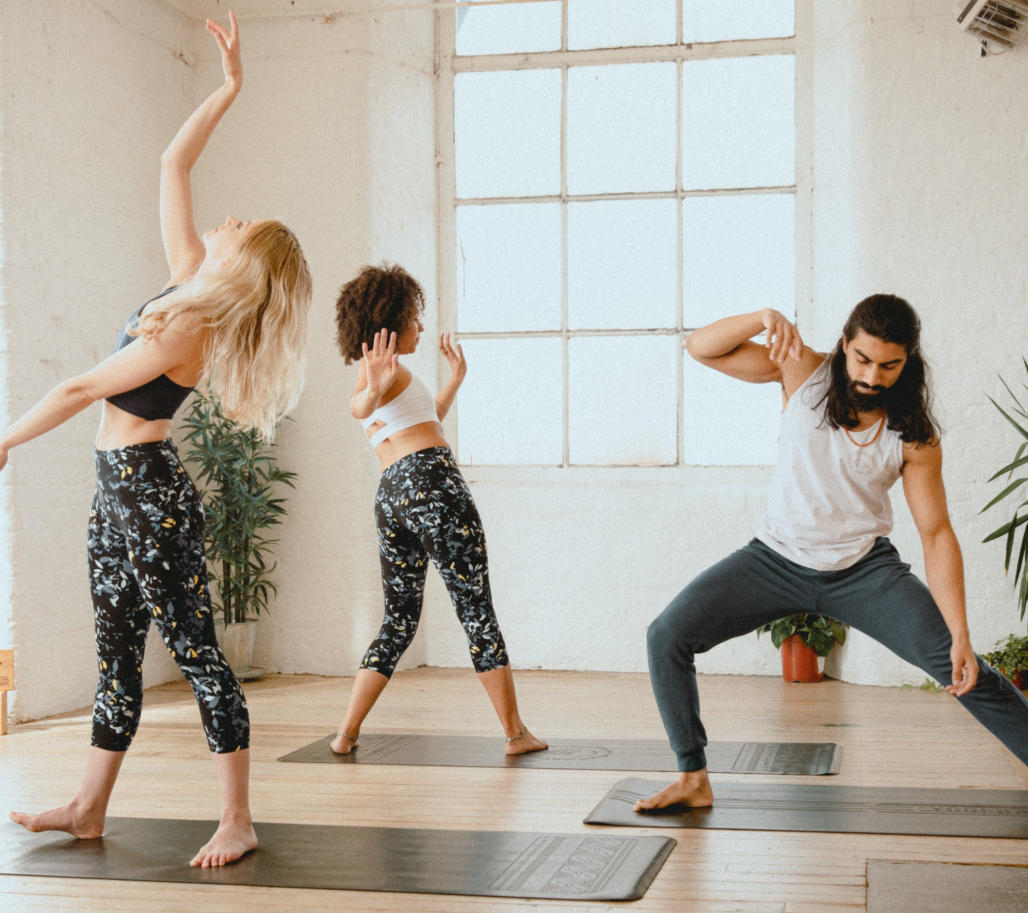
Single-channel yoga brands lose money across disconnected touchpoints. This difference decides who survives in today's scattered retail market.
Brands that connect customer moments across touchpoints capture 91% more customers than those forcing linear paths.
Channel Integration That Converts
Buy-online-pickup-in-studio (BOPIS) drives immediate results . The click-and-collect market hit $154.3 billion in 2025 . That's 19.9% of multichannel e-commerce . Better yet, 67% of customers picking up orders buy additional items at the studio. That bra they grabbed while waiting? Pure extra revenue.
Physical locations boost digital performance. New studio launches generate 37% more web traffic and 6.9% higher online sales in nearby areas. Your brick-and-mortar presence proves your digital credibility.
Connected inventory cuts cart abandonment by 18% . Show real-time studio stock on your website. Let customers reserve items online. Nothing frustrates yogis more than driving to your location to find their size sold out. Real-time connection solves this. Plus, it lifts conversion 3.3% versus basic systems .
Connected customer service drops resolution times 31% while slashing costs 25-35% . One customer profile across all channels means your team sees purchase history, class attendance, and previous questions right away. Customer satisfaction jumps to 67% versus 28% for disconnected multichannel approaches.
Smart omnichannel execution delivers 5-15% total revenue uplift according to McKinsey research. Your yoga lifestyle brand needs every touchpoint working together. Otherwise, you're handing growth to competitors who will.
Entering and Dominating Asia-Pacific Market
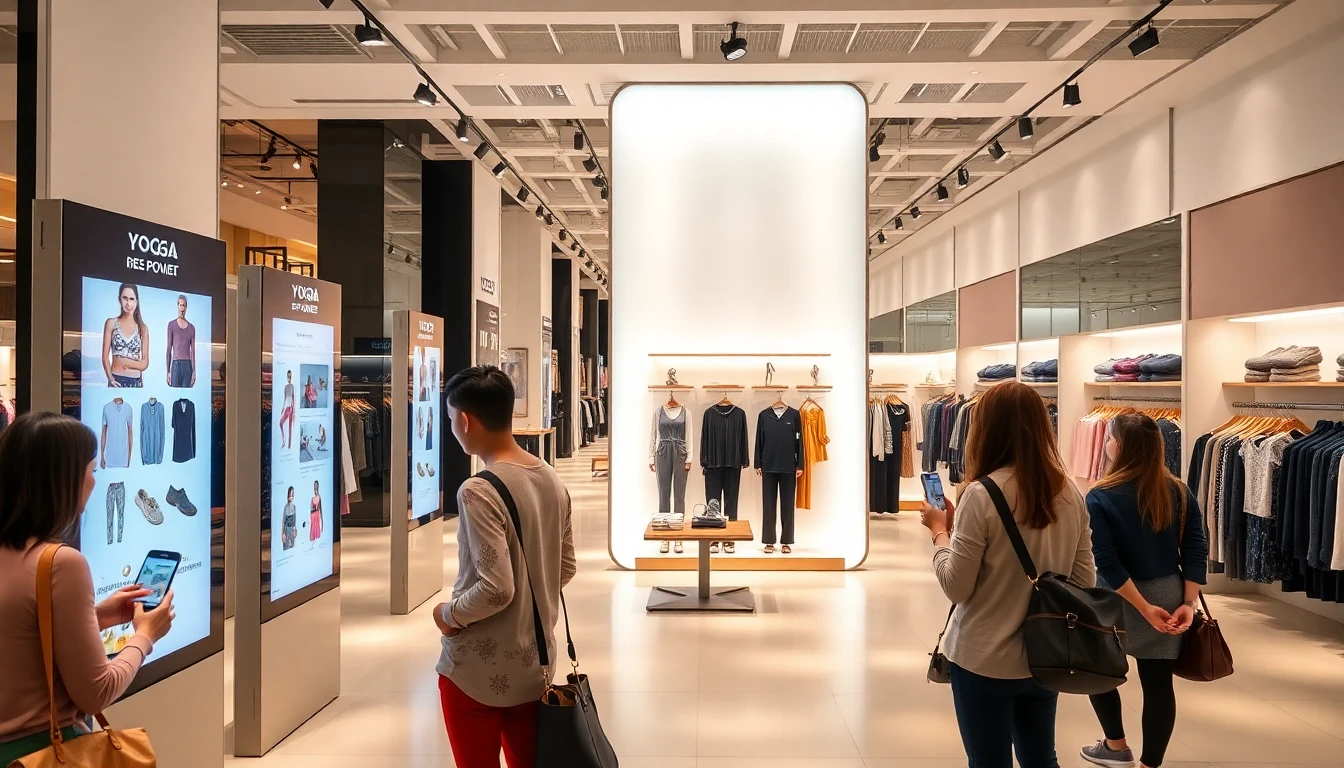
Asia-Pacific will control $36 trillion in consumer spending by 2035 —a 7% annual climb that leaves North America behind. This isn't distant potential. Revenue streams are shifting right now . Yoga brands that wait lose their opening.
India's FMCG sector jumped from 7.2% growth in 2024 to 13.7% in H1 2025 . That jump shows something clear: middle-class buyers want premium products. They'll pay for sustainable yoga clothing that delivers quality. Urban studios in Mumbai, Bangalore, and Delhi fill with people who want better gear than basic cotton blends.
China's e-commerce channels handle 40% of FMCG sales . Your yoga apparel needs strong digital distribution here. Physical stores matter less. App experiences and social commerce integration matter more. The market rebounded to 4.7% growth in H1 2025 after slow years. Chinese consumers split into extremes—they chase luxury premium yoga apparel or hunt budget basics. Middle-tier brands get squeezed.
South Korea leads Industry 5.0 adoption with the highest country-specific growth rate. Tech-savvy yogis expect smart fabrics, app-connected gear, and smooth online-to-offline experiences. Your performance fabric technology needs innovation that matches what they expect.
Southeast Asia—Indonesia, Thailand, Vietnam—shows 1.8% FMCG growth but rising economic power. Young populations embrace wellness trends fast. Entry costs stay lower than mature markets. Get in first. You capture mindshare before competition floods in.
Three moves win this region : Diversify across multiple countries at once—China's scale, India's growth speed, Southeast Asia's new potential. Localize everything—premium positioning works in India's cities. Value-plus resonates in Indonesia. Polarized offerings fit China's extremes. Dominate digital channels—e-commerce infrastructure here beats Western markets. Your direct-to-consumer model needs mobile-first design. Add social selling. Add hyper-fast delivery.
Pricing Strategy and Value Perception
Your price tag does more than show cost. It signals brand identity, quality, and how much you respect customers. Price anchoring increases perceived value by 32% . Strategic reference points shape buyer psychology before they touch a single fabric swatch.
Premium yoga brands master this. Display your $128 leggings beside a $168 jacket. Those pants feel reasonable now. The high-price exposure sets mental benchmarks. Customers judge all other prices against that first number.
Dynamic Pricing That Builds Trust
Personalized pricing lifts repeat purchases by 25% . Do it right, and it works. AI analyzes browsing patterns, past purchases, and engagement levels. It suggests prices that match what specific customers will pay. Transparency makes or breaks success. Demand-based pricing during peak seasons drops purchase intentions by 20% . Customers sense exploitation. Prices that jump without reason feel wrong.
The fix? Clear communication. Explain why prices shift. "Limited-edition fabric from our zero-waste collection." "Pre-order discount before studio launch." Clear explanations yield 72% higher trust and 60% repeat purchase likelihood . Customers accept different pricing. Logic beats mystery every time.
Bundling and Charm Pricing Tactics
Price bundling cuts decision fatigue. It boosts perceived value too. Pair your sports bra with matching leggings at $145 instead of $165 separate. Customers see savings. You move two pieces instead of one.
Charm pricing at $9.99 increases sales up to 60% . Round numbers don't work as well. That gap between $99.99 and $100 triggers "less than" thinking. Budget-conscious yogis respond to these price points.
Value-Based Models for 2025
Value-based pricing ties to what customers value. Not your production costs. Interview your best customers. Learn what drives their purchases. Build pricing models around outcomes they care about: sustainability certifications, performance guarantees, community access.
AI elasticity modeling finds optimal price points. It analyzes what people will pay across different segments. Test different prices in local markets. Adjust based on competitor positioning. Track store-specific demand patterns. Keep it transparent. Personalized pricing feels smart with context. Hidden pricing feels creepy.
Fixed budgets dominate 2025 consumer behavior . Shoppers set their spending limit first. Then they hunt for maximum value. Your job? Prove your $98 yoga pants beat three $32 alternatives. Show better performance. Show better durability. Show stronger brand connection.
Building Brand Differentiation Beyond Product
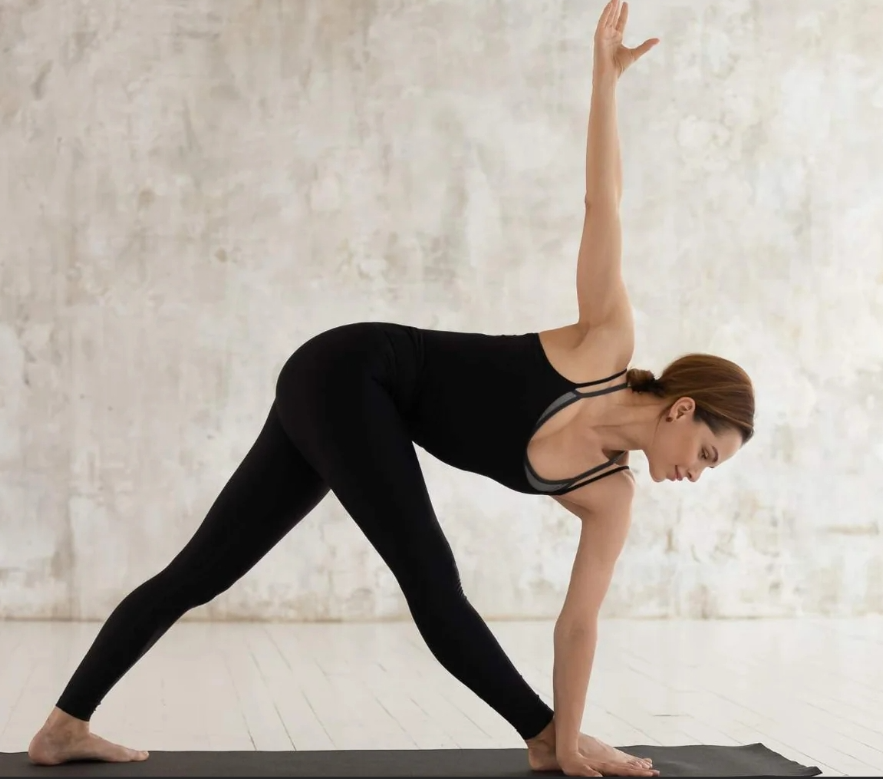
Brand differentiation hit a two-decade low. WPP's Brand Asset Valuator data confirms this: just 5% of brands register as unique in customer minds. Billions pour into marketing budgets. Yet sameness floods every market category. Yoga apparel suffers worse than most. Same leggings. Same Instagram grids. Same empty promises about empowerment.
Product alone won't save you. Those moisture-wicking materials and performance fabric technology you spent months perfecting? Competitors copy them in six weeks. Your sustainable yoga clothing line? Three brands launched similar collections last month. Technical features create short-term advantages. Real differentiation lives beyond the seams.
Crafting Emotional Architecture
Emotional response separates premium from commodity. Measure it through brand love studies and emotional mapping. Coca-Cola's "Share A Coke" campaign didn't sell better cola. It sold connection. M&M's turned candy into talking characters with distinct personalities. Geico built an empire on an animated lizard that has nothing to do with insurance. These brands understood something basic: people buy feelings, not features.
Your yoga lifestyle brand needs clear emotional territory. What specific feeling ties to your service? Confidence during inversions? Belonging in a judgment-free space? Freedom from body-shame? Pick one. Own it. Test it through customer feedback loops.
Building Personality That Sticks
Brand personality creates memorable distinction. Nike ranks 15th in Interbrand's Best Global Brands through story and empowerment—not better shoe construction. Build-A-Bear doesn't sell better stuffed animals. They sell the experience of designing your own companion. Color. Style. Size. Stuffing level. The product becomes secondary to participation.
Warby Parker disrupted eyewear with their home try-on program. They didn't invent better lenses. They solved the frustration of buying glasses online. Service innovation beat product specs. Great customer experience at every touchpoint drives loyalty that pricing can't touch.
Strategic Positioning Moves
Three steps build perceptual differentiation:
First, segment research identifies groups by attitudes and behaviors. Balance segment size against access and brand strengths. Second, find key purchase traits for each group. What drives their decisions? Third, assess your brand versus competitors on those exact dimensions. Find white space. Claim it.
Target niche demographics instead of fighting giants head-to-head. Smaller yoga brands win by serving underserved groups better than anyone else. Plus-size yogis tired of limited options. Men seeking technical gear without women's-cut compromises. Older practitioners wanting age-appropriate designs.
Exclusivity signals quality without actual exclusion. Limited drops. Waitlists for popular colors. Member collections. These tactics create perceived value that justifies premium pricing. Your margins expand while customer desire intensifies.
Differentiated brands charge premiums because customers see them as innovative and trustworthy. Value-focused firms build loyal bases that weather economic storms. Price competition kills margins and spirit. Choose your battlefield with care. Make it impossible to compare you to anyone else.
Conclusion
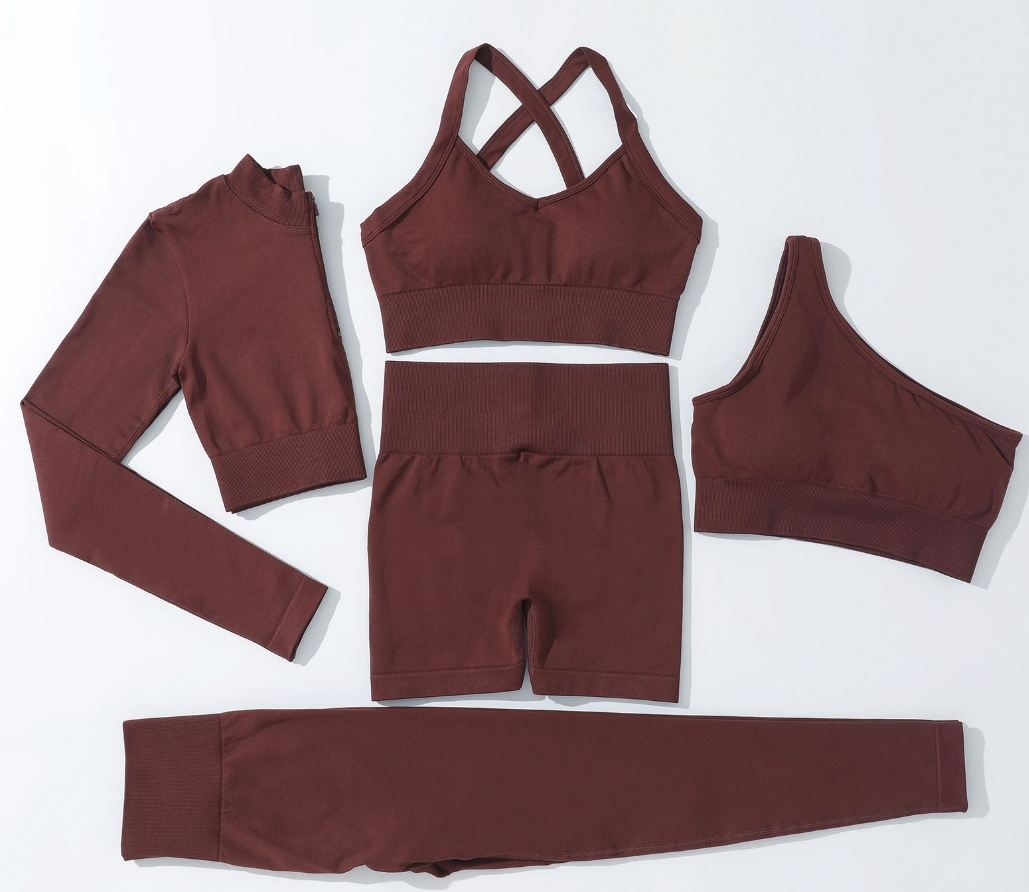
The yoga apparel industry rewards brands that nail three things: performance fabric technology , real community building, and sustainable practices. Success doesn't happen by chance. It comes from focusing on product innovation, designing for everyone, and building real connections with your customers.
Launching a sustainable yoga clothing line? Or scaling your existing brand? Here's what works: invest in fabrics that perform. Design for real bodies and real movements. Build communities, not just customer lists. Let your values guide every choice.
Top brands today aren't just selling leggings. They're creating lifestyle ecosystems that connect with conscious consumers.
Your next move? Check your brand against these eleven pillars. Find your unique space. Focus on what makes you stand out. The market wants brands with conviction, not copycats.
The yoga community wants brands that stand for something. Will yours be one of them?
Ready to take your activewear brand further? Check out our sustainable fabric collections or connect with our design team to make your vision real.