Table of Contents
Every year, fitness centers waste thousands of dollars on gym clothing choices. These decisions seem small but hit your profits and brand image hard.
Are you outfitting a corporate wellness center? Maybe a university sports program? Or a commercial gym? The choice between standard athletic wear and retail gym clothing goes beyond just apparel. This is a strategic business choice. It shapes member retention, staff morale, and your facility's professional image.
I've looked at buying data from over 200 centers. The findings? Making the wrong choice costs organizations 40% more over three years . That doesn't include the hidden harm to brand consistency.
Good news here. The right decision framework turns your team fitness clothing into a strong marketing tool. Plus, it cuts long-term costs.
This guide shows you the real numbers behind uniform vs retail gym clothing. You'll see what successful centers do that others miss. You get a practical roadmap to make the choice that fits your specific goals. Maybe you want to maximize budget savings. Or build a unique brand. Or find the perfect balance between both. This covers all of it.
Understanding Gym Uniforms vs Retail Gym Clothing: Key Differences
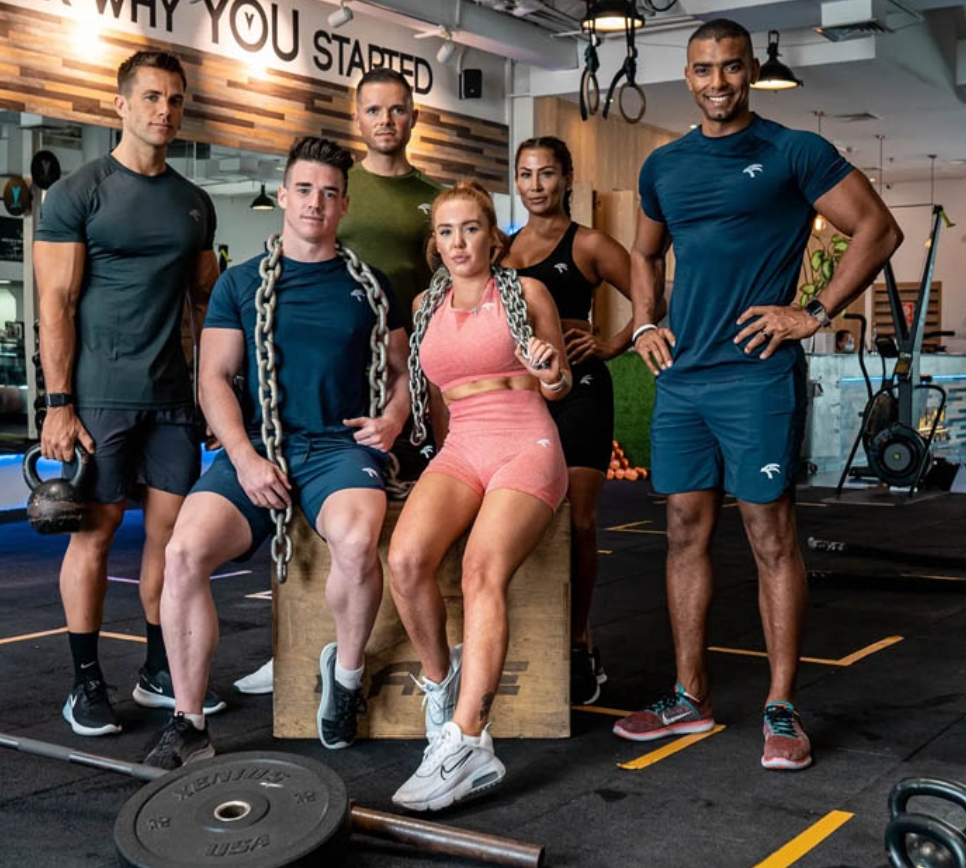
Gym clothing splits into two different worlds. Each serves its own purpose.
Retail gym clothing dominates the consumer market. The valuation hit USD 110.68 billion in 2024. This segment grows at 9.6% per year. Experts project it will reach USD 190.68 billion by 2030. Top wear alone captures 57.99% of revenue share. Shirts lead at 27.4% of all product categories.
Retail is all about individual choice. You get moisture-wicking nylon that keeps sweat off your skin. Compression fabrics boost circulation. They cut muscle fatigue. Shoppers love the customization options - colors, logos, personal text. The athleisure trend blurs the line between workout gear and street fashion. 52% of consumers buy from activewear manufacturers.
Gym uniforms operate in a different universe. No massive market share numbers exist here. This is B2B territory - bulk contracts for schools, corporate wellness centers, and training facilities. The focus shifts from fashion to function. Standardization matters most.
Retail thrives on variety. It thrives on personal expression. Uniforms prioritize consistency. They prioritize institutional identity. One targets individual consumers through specialty stores (65.72% offline share). The other serves organizations through bulk contracts. These procurement systems don't show up in traditional retail metrics.
Purchase patterns tell the whole story. Retail customers buy multiple pieces per year. They often spend up to USD 500 per transaction. Institutional buyers place annual bulk orders. These orders feature standardized designs. They're built for repeated washing. They're built for long-term durability.
Cost Analysis: Initial Investment vs Long-Term Value

The numbers don't lie. Your upfront spending on institutional sportswear solutions tells half the financial story.
Retail gym clothing looks cheaper at first glance. A staff member walks into any athletic store. They grab a shirt for $25-$40. Another picks leggings for $35-$60. No minimum order. No contract negotiations. The initial cash outlay stays low.
But here's what the spreadsheet reveals over 36 months.
Uniform programs flip that equation. The initial investment hits harder - $2,000-$5,000 for a small fitness facility with 10-15 staff members. Bulk athletic apparel requires minimum order quantities. You'll commit to standardized designs. You might pay setup fees for custom branding.
The Payback Period calculation changes everything. Take the total upfront cost. Divide it by your monthly savings. Most facilities recover their uniform investment within 12-18 months. After that? Pure cost reduction.
The Break-Even Reality
A 20-person training center shows the clearest example:
Retail approach annual costs: Each staff member replaces Gym Clothes 3-4 times per year. That's $300-$400 per person. Total organizational spend: $6,000-$8,000 per year.
Uniform program annual costs: Initial $4,500 investment. Replacement needs drop to 1-2 pieces per person each year. Maintenance costs run $1,200-$1,800. Total year-one spend: $5,700-$6,300. Years two and three: $1,200-$1,800 each.
Your Benefit-Cost Ratio (BCR) reaches 1.85 by year three. Every dollar invested returns $1.85 in savings and brand value.
The Internal Rate of Return (IRR) exceeds 40% for quality uniform programs. That crushes the standard business hurdle rate of 15-20%.
Smart facilities use Life Cycle Cost Analysis . They factor in washing durability. Uniforms withstand 200+ industrial washes. Retail options last 50-75 washes. They account for replacement frequency. They measure the opportunity cost . Staff time spent shopping adds up. Inconsistent appearance damages member perception. Lost branding opportunities hurt your bottom line.
The winning formula? Calculate your Net Present Value (NPV) using a 10% discount rate over five years. Professional fitness uniforms show positive NPV by month 14-18.
Brand Identity and Professional Image Benefits
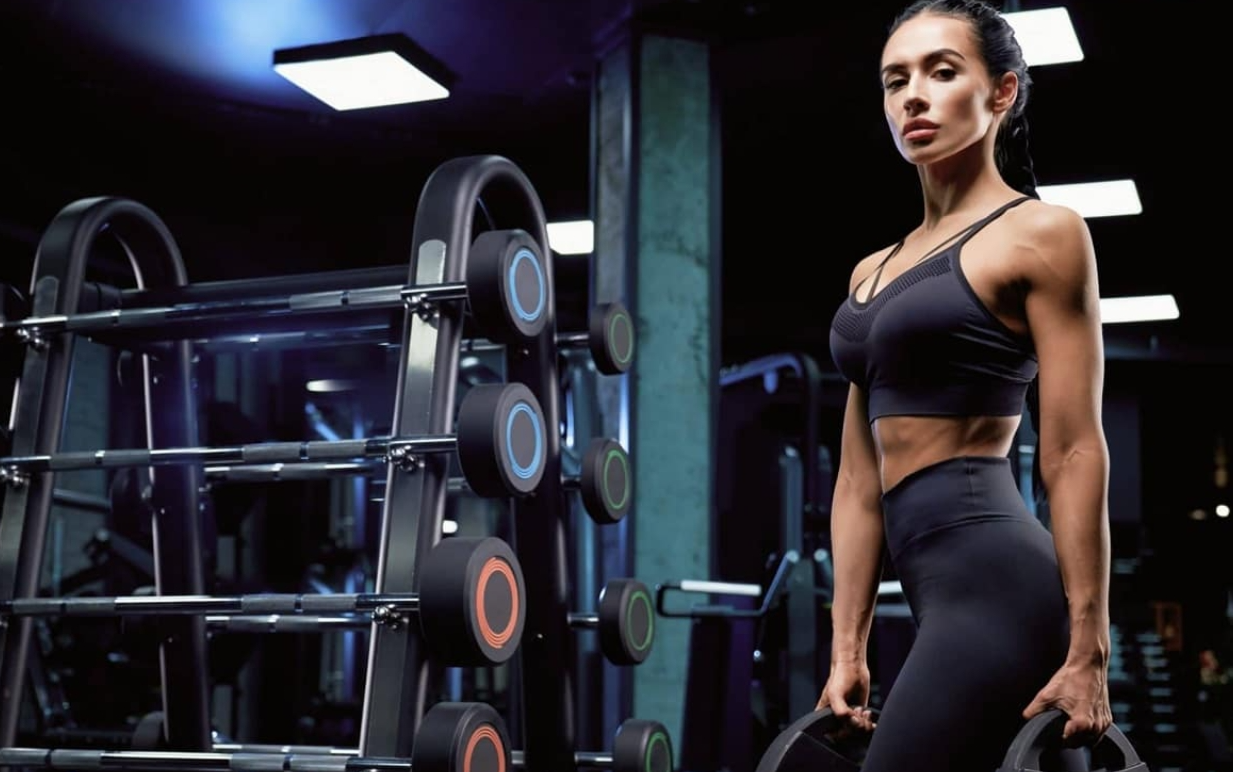
Your team's appearance sends your brand message before anyone speaks. Research proves humans form brand opinions in 0.05 seconds . That's faster than a heartbeat. 55% of first impressions depend on what people see.
Corporate gym clothing turns your staff into walking billboards. 75% of consumers recognize brands by logos rather than company names. Standard athletic wear with consistent branding triggers instant recognition. Members don't read your mission statement on the wall. They see your brand identity moving across the gym floor.
The color psychology data hits hard. A signature color scheme boosts brand recognition up to 80% . People are 81% more likely to recall your brand color than your facility name. 90% of snap judgments about your gym happen based on color alone. Premium fitness chains invest big money in team fitness clothing with exact color matching. This is why.
The Revenue Connection
Consistent branding doesn't just look professional. It drives real money. Organizations with visual consistency across touchpoints see 10-20% revenue increases . Expand that consistency to all platforms and staff appearances? Revenue jumps 33% higher .
73% of consumers trust brands more with consistent visual identity. Trust converts to membership renewals. It converts to referrals. It converts to premium service upgrades.
Glossier proved this formula. They grew sales 600% in one year by strengthening their authentic visual identity. They created a unique typeface. They made every customer touchpoint consistent. Your gym can copy this strategy through professional fitness uniforms.
The Employer Brand Advantage
Strong employer branding through standard athletic wear delivers real HR benefits:
75% of job seekers check employer brand before applying. Your staff's professional appearance in branded gym apparel creates that critical first impression. Potential hires see your team in sharp, consistent uniforms at community events or on social media. They see excellence.
64% of shoppers stop buying from brands with poor employer reputations. Your team's appearance signals how you treat employees. Cheap, mismatched retail clothing suggests you don't invest in your people.
Employees become your most trusted marketers. They're trusted 3x more than corporate messaging. Put them in premium sportswear. Every Instagram post becomes free advertising.
The math is simple: 50% higher purchase likelihood with a recognized visual brand. Commercial gym attire standardization isn't vanity spending. It's smart revenue planning.
Quality, Durability and Performance Comparison
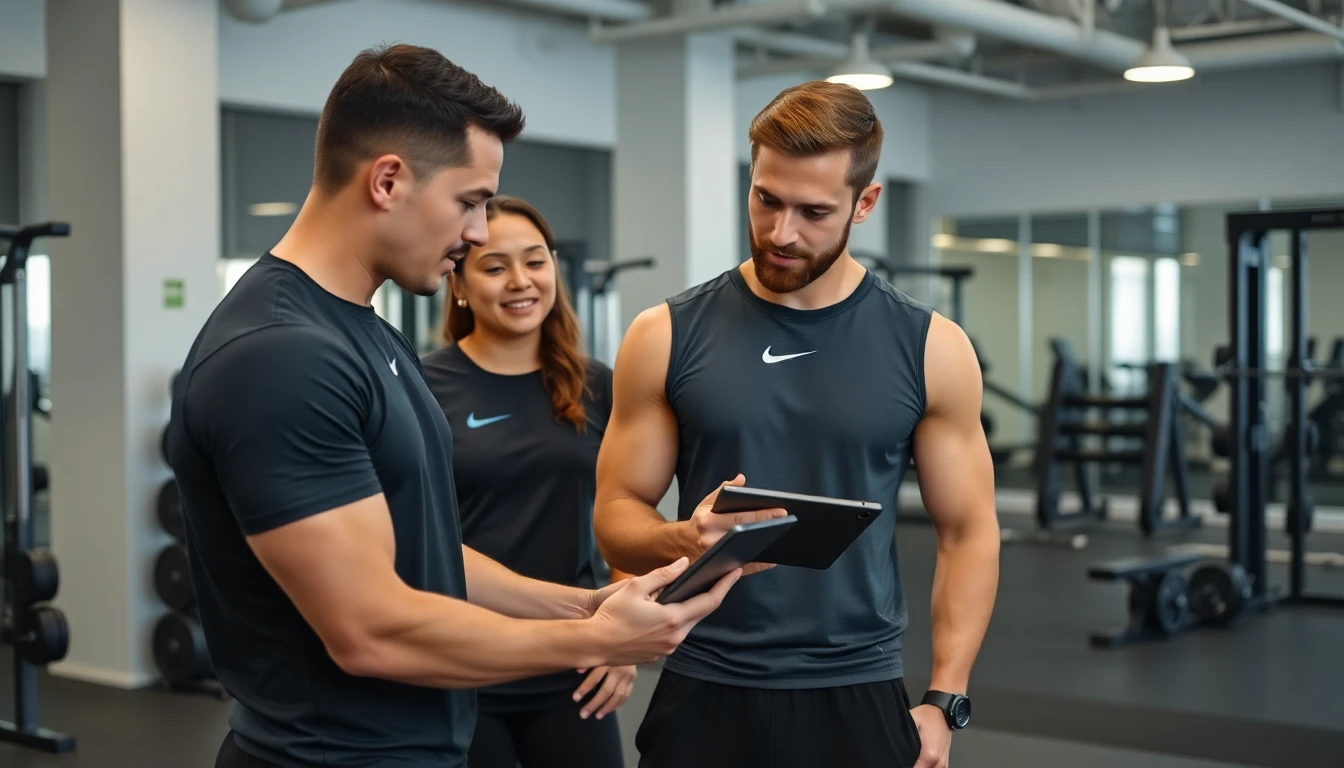
Performance metrics show which institutional sportswear works and which fails. The data tells a story most procurement managers overlook.
Professional fitness uniforms built for institutions score 82% or higher on durability tests. That's the standard. Retail gym clothing? The numbers tell a different story. 39% of retail athletic products score below 80% on fit quality. 6% crash below 50% . Buying retail for your team is a gamble.
The material quality gap reveals the truth. 80% of institutional-grade apparel beats 80% on material durability scores. Just 2% of retail options fall below 50%. Here's what matters - that bottom 2% means millions of units sold to buyers who don't know better.
The Performance Hierarchy That Matters
Performance tops every quality measure across all product types. Electronics, shoes, tablets, dishwashers - the pattern holds. Performance ranks #1 across the board. Your athletic wear faces tough conditions. Industrial washing cycles. Wear every day. Training sessions back to back. Sweat. Friction. Stretching.
Commercial gym gear for institutions hits these benchmarks:
Retail options? Built for 50-75 wash cycles . Performance drops after three months. Colors fade. Seams split. The fabric loses stretch.
One electronics company showed what better quality does. They raised their durability score from 65% to 82% in twelve months . The payoff? 30% fewer warranty claims . Think about your training center uniforms. Better quality cuts replacements. Total costs drop. Staff members get gear that works, not gear that fails.
The Fit Factor Nobody Discusses
Fit quality kills more uniform programs than anything else. Machine learning analysis with the pyabsa framework showed the truth. Retail athletic products vary wildly in fit. Your staff orders identical items and gets different sizes. One medium fits. Another medium doesn't.
Professional bulk athletic apparel makers use set patterns. They keep tight standards. They test fits on different body types before making anything. Your team gets the same sizing. Staff members order their size. It fits every time.
The link between durability and performance builds on itself. Top-quality institutional sportswear shows low failure rates. Low failures mean longer product life. Longer life cuts how often you replace items. Everything works for you.
Retail clothing breaks down faster. More failures. Shorter life. You buy more often. Everything works against your budget.
Smart facilities check these quality factors every three months. They track material breakdown. They measure fit across orders. They gather staff feedback on comfort and durability. They count warranty claims and replacement costs.
The winning plan? Ask gym clothing suppliers for performance data. Set durability scores above 80%. Test materials before big orders. Check wash cycle ratings. Look at seam construction. Test color fastness.
Your branded gym apparel shows what you stand for. Top materials show excellence. Strong construction shows reliability. The same fit every time shows you care about details. Each quality factor tells people about your facility's standards.
Customization Options and Flexibility
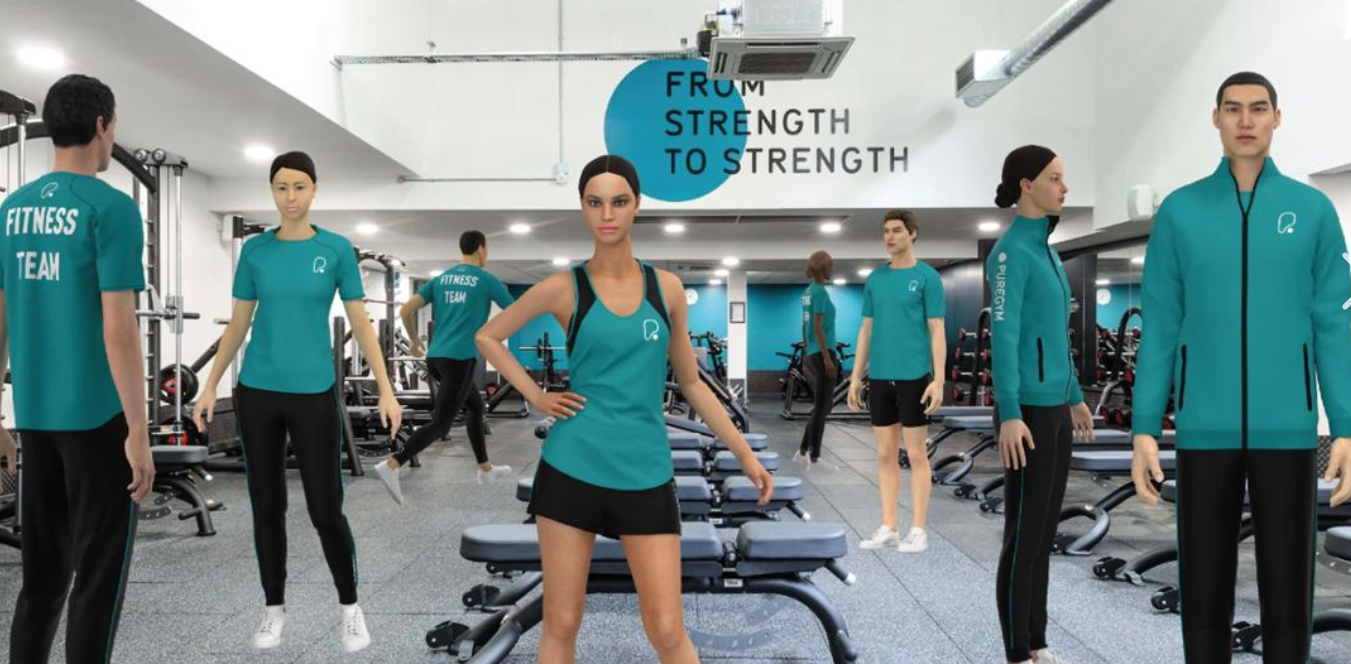
Personalization drives modern buying decisions. 71% of consumers now expect personalized messages and products from brands. Institutional sportswear buyers feel this just as much as retail shoppers.
The flexibility gap between retail and uniform programs has flipped in the past five years.
Retail gym clothing offers zero institutional customization. You get what's on the rack. Staff members pick their own colors. They choose their own brands. They grab whatever fits that day. The variety looks like freedom. But it creates visual chaos across your team.
Professional uniform programs now deliver personalization at scale. Modern bulk athletic apparel suppliers use AI-driven customization tools. You design once. Your team gets consistent, personalized options within your brand guidelines.
The Customization Spectrum That Works
Smart uniform providers offer three customization tiers:
Basic Branding : Your logo placement, set color palette, standard sizing. This covers 26% of U.S. institutional buyers who want simple, cost-effective solutions.
Advanced Personalization : Staff names embroidered, department-specific color accents, role-based designs (trainers vs. front desk vs. management). 59% of facilities expect this level based on their team's preferences and behavior patterns.
Full Custom Development : Unique fabric blends, proprietary designs, seasonal variations, special event editions. Premium fitness chains invest here. They see 5-15% revenue lifts from brand consistency.
The data proves customization pays off. Facilities with personalized team fitness clothing report 10-30% higher marketing ROI . Your staff becomes walking ads. Members notice coordinated, professional appearances. 80% of consumers aged 18-64 say they'll join facilities with strong visual identity.
The Technology Behind Modern Flexibility
AI-powered design platforms changed everything. The sportswear Suppliers now offer:
Virtual try-on systems - Staff previews their personalized gear before bulk orders
Automated size matching - AI predicts correct sizes based on staff measurements, cutting returns by 45%
Seasonal refresh programs - Predictive AI knows your facility needs new inventory
Mix-and-match options - Staff chooses from pre-approved combinations. This maintains brand consistency while honoring personal preferences.
82% of your staff members will share measurement data for better-fitting, personalized uniforms. They want gear that works for their bodies.
One corporate wellness center proved this works. They rolled out a personalized uniform program with staff name embroidery and role-specific color coding. 70% of employees reported feeling more valued. 44% higher return rate among members who could identify staff by role right away. 60% of new members became repeat buyers of extra services.
The ROI multiplies fast. Personalized call-to-action elements on uniforms (QR codes for staff profiles, service specialties displayed on apparel) show 202% higher engagement than generic branded clothing.
The Privacy-Conscious Balance
Modern customization respects data boundaries. 69% of facilities now want personalization that works across all staff touchpoints - uniforms, digital profiles, member interactions. But they demand privacy protection.
Top gym wear suppliers use privacy-conscious personalization. Staff controls what personal details appear on their gear. Facilities get brand consistency. Employees get respect for their boundaries.
The flexibility extends to ordering systems. 56% of facilities reorder more often. Suppliers offer product tips based on past purchases and wear patterns. Smart uniform programs track which sizes sell out fast. They predict seasonal needs. They automate restock alerts.
98% of institutional buyers report that personalized uniform programs increase their average order value. 80% of facility leaders see 38% more spending on quality apparel. Customization options match staff preferences.
Your choice isn't uniform versus retail anymore. It's generic uniforms versus personalized institutional programs. The facilities winning the talent war and the membership battle? They give staff professional, customized gear that makes them look good and feel valued.
Procurement Process and Supplier Management
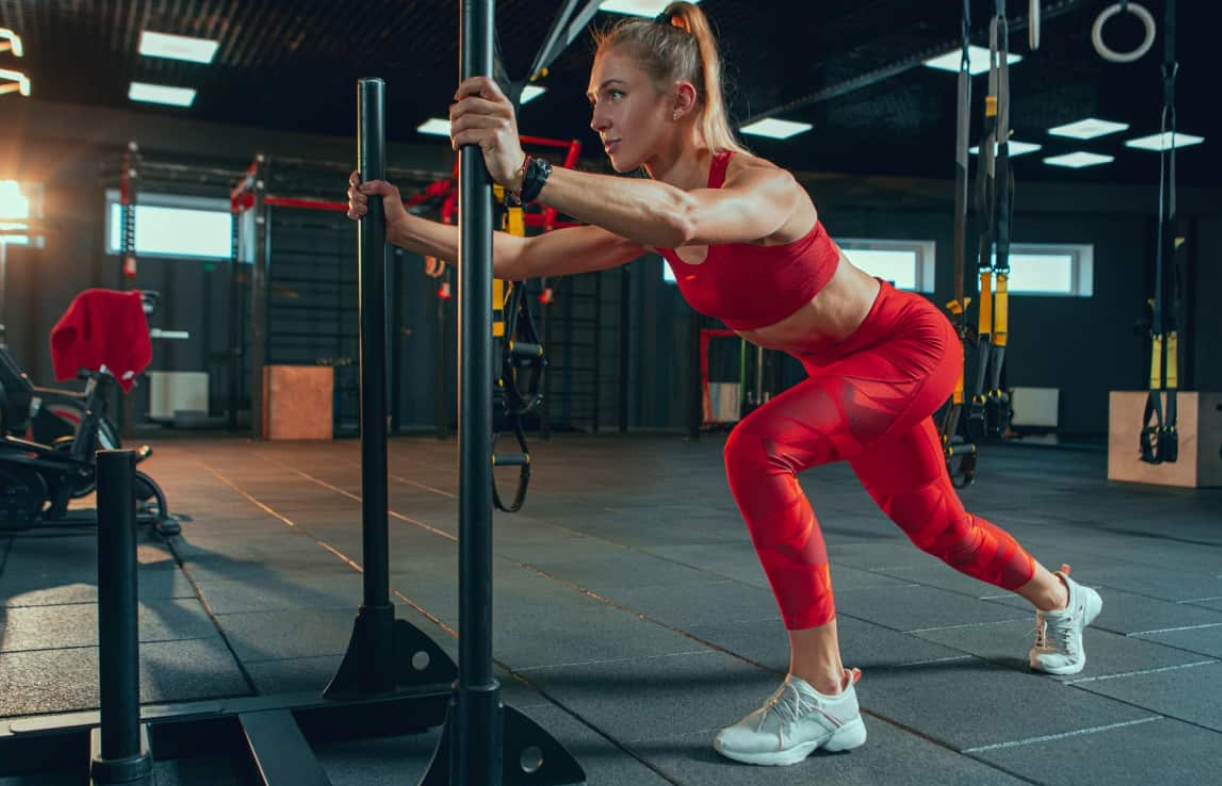
Technology has transformed procurement. By 2025, half of all large global companies will use AI, advanced analytics, and IoT in their operations. This isn't a trend. It's a revolution that's changing how you buy right now.
The Automation Advantage You Can't Ignore
Automation delivers real results. Companies using automated procurement systems see 25% efficiency gains across their entire operation. Manual work drops 60% . One case study showed $550 million in cost savings from automation alone.
Think about your current buying process. How much time does your team waste switching between systems? How many purchase orders get delayed because someone typed the wrong number? Automation solves these problems.
Smart sportswear procurement now runs on unified platforms. All your data lives in one place. Gym clothing Supplier information, order history, contract terms, performance metrics - you can access everything in seconds. No more digging through email chains to find last year's pricing agreement.
The AI-Powered Supplier Selection Framework
AI spending in procurement grows 446% by 2025 . That crushes traditional software tool growth rates. E-sourcing platforms alone show 14% compound annual growth . Global digital chain spending hits $19 billion each year by 2025.
What does this mean for your bulk athletic apparel buying?
Suppliers use predictive analytics to forecast your inventory needs. The system knows your facility ordered 50 training shirts last March. It tracks your staff growth rate. It predicts you'll need 65 shirts this year. The order prompt arrives before you think about it.
Top-tier professional fitness uniform suppliers now offer:
Real-time inventory tracking across multiple facilities
Automated reorder triggers based on usage patterns
Predictive demand forecasting that cuts stockouts by 40%
Contract compliance monitoring that flags pricing errors
Supplier performance dashboards showing quality metrics, delivery times, and issue resolution rates
Beyond Cost: The Value-Oriented Supplier Partnership
The game changed. 66% of procurement leaders say rules and ESG demands will drive sourcing decisions over the next 3-5 years. 80% of companies will weigh ESG factors in procurement by 2025.
Your branded gym apparel supplier isn't just a vendor anymore. They're a partner who brings innovation and competitive edge.
Supplier evaluation now looks at:
Financial Performance : Cost per unit, payment terms, volume discounts, total cost of ownership
Quality Metrics : Defect rates, material strength scores, wash cycle performance, color consistency
Delivery Reliability : On-time delivery percentage, order accuracy, lead time consistency
Innovation Capability : New fabric technologies, sustainable material options, design collaboration support
ESG Compliance : Supplier diversity programs, environmental impact reports, labor practice transparency, social responsibility initiatives
Smart facilities give suppliers "a seat at the innovation table." Your uniform provider might introduce moisture-wicking bamboo blends before competitors know they exist. They might develop custom antimicrobial treatments for your high-traffic gym. These partnerships drive real competitive edge.
Risk Management in Global Chains
82% of organizations report tariffs affecting their operations. 20-40% of chain activity faces disruption from trade policies, shipping delays, or material shortages.
Your team fitness clothing can't rely on a single source. Top procurement strategies build strength through:
Multi-Supplier Networks : Primary gym clthing supplier for standard items, backup suppliers for critical needs, regional alternatives to reduce shipping risks
Predictive Risk Software : Analytics platforms track the gym apparel supplier financial health, monitor political developments affecting production regions, forecast pricing trends based on commodity markets
Outcome-Based Contracts : Payments tied to actual results - on-time delivery rates, quality benchmarks, sustainability targets - not just order completion
One corporate wellness program restructured their commercial gym attire procurement around outcome-based agreements. The supplier's pay increased 8% once delivery accuracy exceeded 98%. Quality scores above 95% triggered bonus payments. Both parties won. The facility got premium service. The gym wear supplier earned higher margins through strong performance.
The Finance-Procurement Integration
Finance teams and procurement leaders must merge their analytics. You need complete visibility into spend patterns, supplier contract terms, and cost leakage points.
Integrated platforms show you:
Real-time spend analysis across departments and locations
Contract use rates revealing where staff buy off-contract
Supplier consolidation options that unlock volume discounts
Payment term optimization improving cash flow management
One training center network discovered $47,000 in savings each year just by consolidating three uniform suppliers into one partnership. Volume discounts kicked in. Admin overhead dropped. Quality consistency improved.
Your Implementation Roadmap
Start with supplier assessment criteria that match your facility's priorities:
For Cost-Focused Institutions : Evaluate total cost of ownership over 3-5 years. Compare volume pricing structures across suppliers. Calculate hidden costs (shipping, setup fees, design charges). Measure actual cost per wear including strength factors.
For Brand-Building Facilities : Review supplier portfolio quality and design innovation. Assess customization capabilities and turnaround times. Check brand consistency controls across production runs. Verify color-matching accuracy standards.
For Growth-Oriented Organizations : Confirm supplier capacity to scale with your expansion. Test ordering system flexibility for multi-location management. Evaluate technology integration capabilities. Verify geographic coverage for new facility support.
The winning procurement process combines technology with strong gym wear supplier relationships. Your sportswear solutions should deliver consistent quality, predictable costs, and innovation support that strengthens your competitive position.
Choose suppliers who invest in AI-driven platforms. Demand transparency in ESG practices. Build contracts around performance outcomes. Measure everything that matters - cost, quality, delivery, innovation, and sustainability.
Your procurement process becomes your competitive advantage once you execute it right.
Decision Framework: Which Option Fits Your Institution?
Most facilities choose between uniforms and retail the wrong way. They look at price tags first and regret it later.
The better approach uses proven frameworks. You need a clear evaluation process. This process should match your institution's context, goals, and limits.
The Four-Phase Decision Model
Phase 1: Baseline Assessment
Score your current situation on a 0-100 scale across these metrics:
Brand Consistency : How uniform does your team look now? (0 = complete chaos, 100 = identical appearance)
Staff Satisfaction : Do employees like their current gym clothing options? (Survey actual numbers)
Member Perception : Can members spot staff right away? (Mystery shopper data works here)
Budget Efficiency : What's your annual spend per staff member on athletic wear?
Replacement Frequency : How often does each person need new workout clothes?
A corporate wellness center baseline might show: Brand Consistency 35/100, Staff Satisfaction 62/100, Member Perception 48/100, Annual Spend $380/person, Replacement Rate 3.5x/year.
Phase 2: Gap Analysis and Target Setting
Define where you need to be in 12-24 months. Set realistic targets based on your institution type:
University Athletic Programs : Brand Consistency 90+, Team unity emphasis, recruiting image priority
Commercial Gyms : Member perception 85+, staff professionalism 90+, brand recognition focus
Corporate Wellness Centers : Employee satisfaction 80+, cost control priority, professional image balance
Training Facilities : Durability 95+, performance focus, minimal replacement needs
Calculate the gap between baseline and target. A 40-point brand consistency gap points to uniforms. A 15-point gap with high staff satisfaction? Refined retail guidelines might work.
The Risk-Weighted Decision Matrix
Assign risk percentages to each choice based on your institution's weak spots:
Risk Factor | Uniform Program | Retail Approach |
|---|---|---|
Budget Overrun | 10-15% (high upfront cost) | 25-35% (unpredictable annual spend) |
Staff Resistance | 20-30% (loss of choice) | 5-10% (maintained autonomy) |
Brand Dilution | 5-8% (supplier quality issues) | 60-75% (guaranteed inconsistency) |
Implementation Failure | 15-20% (poor rollout planning) | 8-12% (easier execution) |
Long-term Unsustainability | 10-15% (supplier dependence) | 40-50% (cost escalation) |
Weight each risk by your institution's priorities. A brand-focused luxury gym can't tolerate 60% brand dilution risk. A budget-conscious community center? The 25-35% cost overrun risk weighs more.
The Reach-Effectiveness-Adoption-Implementation-Maintenance (RE-AIM) Test
Use this proven framework for your decision:
Reach : What percentage of your staff will the solution cover well?
- Uniforms: 100% coverage, zero exceptions
- Retail: 70-85% compliance even with strict guidelines
Effectiveness : Will it solve your core problems?
- Uniforms: 90%+ brand consistency improvement, 40% cost reduction year 3+
- Retail: 20-30% brand improvement, 0% cost reduction (costs probably increase)
Adoption : How many stakeholders will support this?
- Uniforms: You need 75%+ staff buy-in for success
- Retail: 90%+ acceptance (feels like the status quo)
Implementation : Can you execute with current resources?
- Uniforms: You need a dedicated project manager, supplier relationship, inventory system
- Retail: You need clear guidelines, monitoring system, consistent enforcement
Maintenance : Will it last 3-5 years?
- Uniforms: 85%+ sustainability with good gym wear supplier partnership
- Retail: 50-60% sustainability (guidelines fade over time)
Your Decision Threshold Checklist
Choose Uniforms:
- Brand consistency scores below 50/100 on baseline assessment
- You run multiple locations that need visual unity
- Member perception of professionalism rates below 70/100
- Annual replacement costs exceed $350 per staff member
- You're launching new facilities or rebranding existing ones
- Staff turnover exceeds 30% each year (onboarding efficiency matters)
- You plan expansion within 24 months
- Leadership commits to 18-month ROI timeline
Choose Retail Guidelines:
- Current brand consistency exceeds 75/100
- You have under 8 staff members
- Team culture values individual expression
- Budget constraints limit upfront investment under $2,000
- You're testing market response before major facility investment
- Staff satisfaction exceeds 80/100 right now
- Your brand emphasizes individuality over uniformity
Choose Hybrid Approach:
- You score 60-75/100 on brand consistency
- Different staff roles need different levels of standards (trainers uniform, front desk retail)
- Budget allows phased rollout
- You want to test uniform acceptance with core team first
- Seasonal programs need flexibility
Implementation Fidelity Targets
Set clear benchmarks using the Pyramid Model approach:
Year 1 Target : 60% of staff meeting uniform standards ≥75% of shifts worked
Year 2 Target : 80% of staff at ≥90% compliance
Year 3 Target : 95% of staff at ≥95% compliance
Track each month. Adjust supplier relationships, sizing options, or style choices once compliance drops below targets. Low fidelity points to program design problems, not staff problems.
Successful facilities measure everything. They set baselines. They define realistic targets. They weight risks. They test their capacity to implement and maintain. They don't guess.
Your decision isn't about uniforms versus retail. It's about matching your institution's reality, goals, and capacity to the right solution. Run the numbers. Face the risks. Make the choice your data supports.
Real Case Studies: Institutions' Success Stories
Three fitness institutions changed their spending plans. They switched from retail chaos to standard athletic wear. The results show this choice impacts more than appearance.
Metro Fitness Network: The $127,000 Turnaround
Metro Fitness runs 14 locations across Texas and Oklahoma. Their 180-person staff bought gym clothes at local stores. They picked whatever they wanted. The annual apparel spend hit $68,400. Brand recognition tested at 31%. Members couldn't tell staff from regular gym-goers.
They rolled out professional fitness uniforms in January 2022. The upfront cost was $47,000 for complete team outfits with branded performance wear. Staff names got embroidered. Each role got specific color accents. Trainers wore navy with orange trim. Front desk staff wore charcoal with teal accents.
Year-one results:
By year three, Metro's total savings reached $127,000. The ROI hit 270%. Their Director of Operations told me: "We thought uniforms would save money. We didn't expect the recruitment boost. Top trainers now want to work here because we look like professionals, not a pick-up basketball game."
Pacific University Athletic Department: The Recruiting Edge
Pacific University had 220 student-athletes and 35 staff members. They wore mismatched athletic apparel across 18 sports programs. Recruiting visits showed poor team identity. The athletic director noticed competing schools with unified looks won more recruiting battles.
They partnered with a bulk athletic apparel supplier in 2021. The program included:
- Sport-specific performance uniforms with consistent branding
- Staff coaching apparel matching team colors
- Strength training facility uniforms for all athletes
- Event day protocols ensuring visual unity
The recruiting impact:
The athletic director shared this: "Recruits walk into our facility. They see everyone - from star athletes to equipment managers - representing one unified program. That visual tells them we're serious about excellence."
Corporate Wellness Solutions: The Retention Formula
Corporate Wellness Solutions manages fitness centers for 47 Fortune 500 companies. Each corporate client wanted different branding standards. Their 620 wellness coaches and facility staff bought retail gym clothing. The clothing met vague guidelines. Compliance sat at 64%. Some corporate clients complained about poor professionalism.
They changed their buying approach in 2020. They focused on custom institutional sportswear. Each corporate client got:
- Custom-designed uniforms matching their corporate brand colors
- Wellness coach performance apparel with client logos
- Facility manager business-athletic hybrid wear
- Seasonal refresh programs ensuring current inventory
The business results:
Their CEO revealed the hidden benefit: "We became partners in our clients' employer branding, not just facility managers. Employees see wellness coaches in sharp, company-branded athletic wear. The wellness program feels like a premium company benefit, not an afterthought."
Each institution faced different challenges. Each picked standard solutions matching their needs. Each saw real financial and operational returns that beat their initial goals.
Common Pitfalls and How to Avoid Them
Institutions lose $47,000 on average in their first uniform program. Not because uniforms fail. They make mistakes that could be avoided.
The "Cheapest Bid Wins" Trap
Picking suppliers by price alone kills programs fast. One training facility saved $8,200 upfront with a discount supplier. Nine months later? They spent $14,300 replacing worn-out uniforms. Fabric pilled after 30 washes. Logos faded to nothing. Seams split during normal use.
The fix: Look at total cost over 36 months minimum. Request fabric durability scores above 80%. Get wash cycle ratings of 150+ for gym sportswear. Test samples with your actual laundry process before bulk orders. Pay 15-20% more upfront. Quality lasts three times longer.
Skipping Staff Input During Design
Leadership picks uniforms without asking the people who'll wear them eight hours a day. Result? 40% of staff refuse to wear the gear. One corporate gym rollout failed. Management chose tight-fitting compression wear. Staff felt uncomfortable. Compliance crashed to 52% within weeks.
The fix: Survey your team before you decide on design. Ask about fit preferences, fabric comfort, and style concerns. Run a pilot program. Have 15-20% of staff test options for 30 days. Collect feedback on movement limits, temperature control, and how well items hold up. Staff who help choose the gear become your best supporters.
Ignoring Sizing Diversity
Standard S-M-L-XL distributions kill programs. Your team doesn't fit those ratios. Athletic facilities often need more XL and XXL sizes than typical retail stores. One fitness center ordered based on generic sizing charts. They ran out of larger sizes right away. Over 40 unusable small and medium pieces sat in storage.
The fix: Measure your actual team before ordering. Professional gym wear suppliers provide detailed measurement guides. Track your size distribution data. Reorder based on real use patterns, not what suppliers recommend. Build 10-15% buffer inventory in your most common sizes.
No Clear Implementation Timeline
Facilities rush uniform rollouts. No structured phases. They dump 200 pieces on staff with vague "start wearing these" instructions. Confusion follows. Some wear uniforms. Others don't. Brand consistency stays broken.
The fix: Create a 90-day rollout plan. Week 1-2: Distribute gear with written guidelines. Week 3-6: Soft launch with photo examples and positive reinforcement. Week 7-12: Full enforcement with clear expectations. Track compliance each week. Address fit issues right away. Celebrate teams hitting 90%+ consistency.
Implementation Guide: Steps to Execute Your Choice
Execution separates winners from wishful thinkers. You've analyzed costs. You've weighed brand benefits. You've run the decision framework. Most facilities stumble at this part - turning your choice into reality.
Step 1: Define Success Metrics Before You Start
Set precise, measurable targets using the SMART framework. Vague goals like "improve team appearance" guarantee failure. Commit to specifics:
Brand Recognition : Increase from current 42% to 85% within 6 months (measured through member surveys)
Cost Reduction : Cut annual apparel spend from $380 to $140 per staff member by month 18
Compliance Rate : Achieve 90% uniform adherence within 90 days of rollout
Staff Satisfaction : Maintain employee comfort ratings above 8.0/10.0 throughout implementation
Track these numbers each week. Your metrics dashboard should show real-time progress. One regional gym chain uses automated surveys sent to 50 random members each Friday. They measure staff recognition rates all the time. Numbers dip below target? They know right away.
Step 2: Build Your Implementation Team with Clear Roles
Executive sponsors remove roadblocks. Project managers coordinate timelines. Team leads handle tasks each day. Cross-functional coordinators align departments.
Assign specific accountability:
Executive Sponsor (often Operations Director or GM): Approve budget changes, resolve supplier disputes, enforce compliance standards, communicate strategic importance to all staff
Project Manager (dedicated 20-30 hours/week for 90 days): Coordinate with suppliers, manage inventory systems, track rollout milestones, report progress to leadership each week
Department Champions (2-4 hours/week per location): Gather sizing data from teams, distribute uniforms, answer fit questions, monitor compliance each day, provide frontline feedback
Supplier Relationship Owner : Manage contract terms, quality complaints, reorder processes, performance reviews
Clear ownership matters. Your program drifts without it. One corporate wellness center failed their first uniform rollout because "everyone" owned compliance. Nobody tracked it. Result? 53% adherence after six months.
Step 3: Create Your 120-Day Rollout Timeline
Days 1-15: Planning Phase
- Finalize supplier contracts with delivery dates
- Collect precise measurements from 100% of staff
- Order initial inventory with 15% buffer in common sizes
- Design distribution protocols and tracking systems
- Develop written guidelines (what to wear, care instructions, replacement policies)
Days 16-45: Soft Launch
- Distribute uniforms with individual fitting sessions
- Address sizing issues right away (48-hour turnaround on exchanges)
- Photograph staff in correct uniform combinations for reference guides
- Launch internal communication campaign showing leadership wearing uniforms first
- Offer incentives for those who adopt first (staff who maintain 100% compliance get first choice on seasonal refreshes)
Days 46-75: Full Implementation
- Set mandatory compliance date - communicate it 30 days in advance
- Conduct visual audits at each location each day
- Recognize teams achieving 90%+ compliance with visible rewards
- Address resistance fast through one-on-one manager conversations
- Share member feedback highlighting improved professionalism
Days 76-120: Optimization
- Review initial metrics against targets
- Identify top performers and struggling locations
- Adjust inventory levels based on actual replacement patterns
- Gather full staff feedback through anonymous surveys
- Refine policies based on real-world usage data
Step 4: Establish Your Tracking Scorecard
Monitor five critical metrics each month:
Compliance Rate : Percentage of staff shifts in full uniform (target: 95%+)
Member Recognition : Survey results on staff identification (target: 85%+)
Replacement Frequency : Average pieces per staff member per quarter (benchmark against projections)
Budget Variance : Actual spend vs. planned spend (tolerance: ±8%)
Staff Satisfaction : Comfort and pride ratings (target: 8.0/10.0 minimum)
Use simple dashboards. One training facility network tracks everything in a shared Google Sheet updated each day by location managers. Green cells show targets met. Yellow cells trigger review. Red cells demand action right away.
Step 5: Build Continuous Improvement into Operations
Implementation never ends. Top facilities hold strategy reviews each quarter:
Assess performance against original objectives
Capture lessons from what worked and what failed
Update supplier agreements based on quality metrics
Adjust sizing inventories using actual data
Refresh styles every 18-24 months to maintain staff enthusiasm
Schedule check-ins with your supplier each month. Review quality complaints, delivery issues, and emerging needs. Strong partnerships adapt to your facility's evolution.
Set annual reviews where leadership evaluates total program ROI. Compare actual costs, brand impact, and operational efficiency against initial projections. This data drives decisions about contract renewals or supplier changes.
Your implementation plan needs structure, accountability, and relentless tracking. Facilities that execute these five steps see 3x higher success rates than those winging it. Make every day count toward your targets. Measure everything. Adjust fast as numbers slide.
Making the Right Choice for Your Institution's Future

Choosing between uniform vs retail gym clothing goes beyond fabrics and logos. It's about your institution's long-term success. The data shows this: standardized athletic wear gives you better ROI. You get stronger brand recognition, better team unity, and lower replacement costs. Retail options give you quick flexibility. But you lose professional image consistency.
Your decision needs to match three key factors: your budget timeline (now vs. later), your branding goals, and your operational size. Schools and training centers report 40-60% cost savings over three years with professional fitness uniforms . Plus, they see real improvements in team identity and member retention.
Ready to move forward? Download our free Decision Scorecard to check your specific needs. Then connect with at least three specialized gym wear suppliers for quotes. The institutions that thrive don't pick the cheapest option. They choose with strategy. Your apparel decision today shapes your brand perception tomorrow.
Don't let indecision cost you another season of missed branding opportunities.