Table of Contents
the right cycling apparel manufacturer can make or break your brand's success in the performance gear market. Asian manufacturers have led this space for decades. But a production powerhouse has been emerging just hours from major U.S. markets—Colombia.
Colombia Advantages Data CardsColombian manufacturers bring superior textile heritage. They offer near-shore advantages that cut lead times by 60%. Trade agreements eliminate import duties for U.S. brands. These factors make Colombia the smart choice for cycling brands focused on quality, fast delivery, and sustainable production.
Here's the problem: not all cycling apparel manufacturers in Colombia offer the same capabilities. Pick the wrong partner and you could lose six figures in bad inventory. Your brand reputation takes a hit too.
I've spent months checking out Colombia's cycling wear production landscape. From Medellín's innovation hubs to Bogotá's technical textile centers, I've identified the manufacturers delivering results for global brands.
This guide shows you the top 5 cycling apparel manufacturers in Colombia. You'll get details on production capabilities, minimum order quantities, and specialty areas. Plus, the exact criteria you need to evaluate your ideal manufacturing partner.
Suarez Cycling Apparel - The Technical Innovation Leader
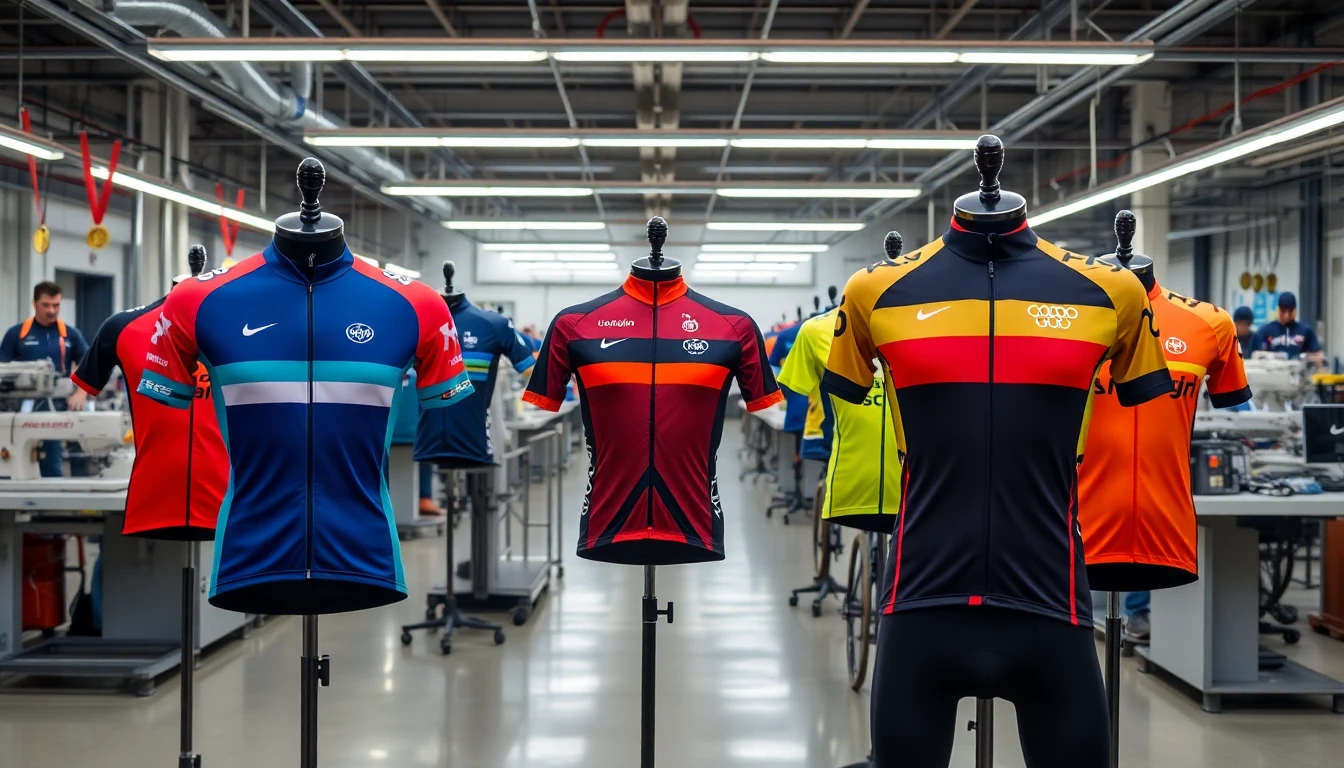
Carlos Suarez launched this Medellín powerhouse in 1984. His focus was simple: engineer cycling apparel that performs at the highest competitive levels. Four decades later, Suarez Cycling Apparel stands as Colombia's most advanced bike clothing factory. They produce over 750,000 units each year for global brands and Olympic champions.
Suarez Key StatsThe company's secret weapon? Proprietary chamois pad technology developed in-house. Most manufacturers buy generic padding solutions. Suarez invested millions into R&D to create chamois systems that beat standard market options. This innovation gives their partner brands a clear competitive edge in the premium cycling segment.
Their factory operates with high-tech machinery that rivals European production facilities. The 200+ employee team works with Italian fabrics—the gold standard in cycling textiles. These materials deliver superior breathability and moisture management. Cheap synthetics can't match this performance, even though synthetic fabrics dominate 51% of the global market.
Deep Cycling Heritage Integration
Colombia's cycling culture runs deep. Suarez leverages this DNA better than anyone. They sponsor the Colombian Cycling Federation. They've equipped multiple Olympic medalists. Colombian riders on podiums worldwide? There's a strong chance they're wearing Suarez garments. This real-world testing at elite competition levels flows into their commercial production lines.
Their relationship with SRAM, LLC—a major bicycle components supplier—shows their standing in the global cycling ecosystem. Most bike clothing factories operate in isolation. Suarez maintains strategic partnerships across the supply chain.
Complete Product Portfolio
The product range spans every cycling discipline:
Road cycling : Pro, Performance, Avant, and Classic series covering entry to elite levels
Mountain biking : Dedicated MTB line built for trail durability
Triathlon : Specialized multi-sport apparel
Cross-category : Running and skating gear for diversified brands
This breadth matters for building a full cycling lifestyle brand. One manufacturing partner handles your complete technical apparel needs. No juggling multiple suppliers.
Premium Positioning & Financial Stability
Suarez targets the premium market. Quality trumps price here. Their Italian fabric choices and Olympic sponsorships signal high-end positioning. Expect pricing that reflects this quality tier. Budget brands should look elsewhere.
Recent credit metrics show financial health: probability of default sits at just 0.127 as of December 2025. Credit spread tightening of -0.176. Compared to peer manufacturers like Bike House S.A.S. (-0.160) and ha bicicletas (-0.263), Suarez maintains stable financial footing.
Partnership Considerations
The company doesn't publish MOQ requirements or sampling policies. You'll need direct commercial negotiations to establish terms. They handle 750,000+ units of annual capacity. They manage big production volumes but probably maintain minimum thresholds that filter out micro-brands.
Lead times aren't disclosed. Their scalable high-tech infrastructure suggests competitive turnarounds for established production runs.
Your brand prioritizes technical innovation and proven performance credentials over rock-bottom pricing? Suarez delivers the manufacturing partnership that elevates your product above generic competition.
Safetti - The Sustainability-Focused Partner
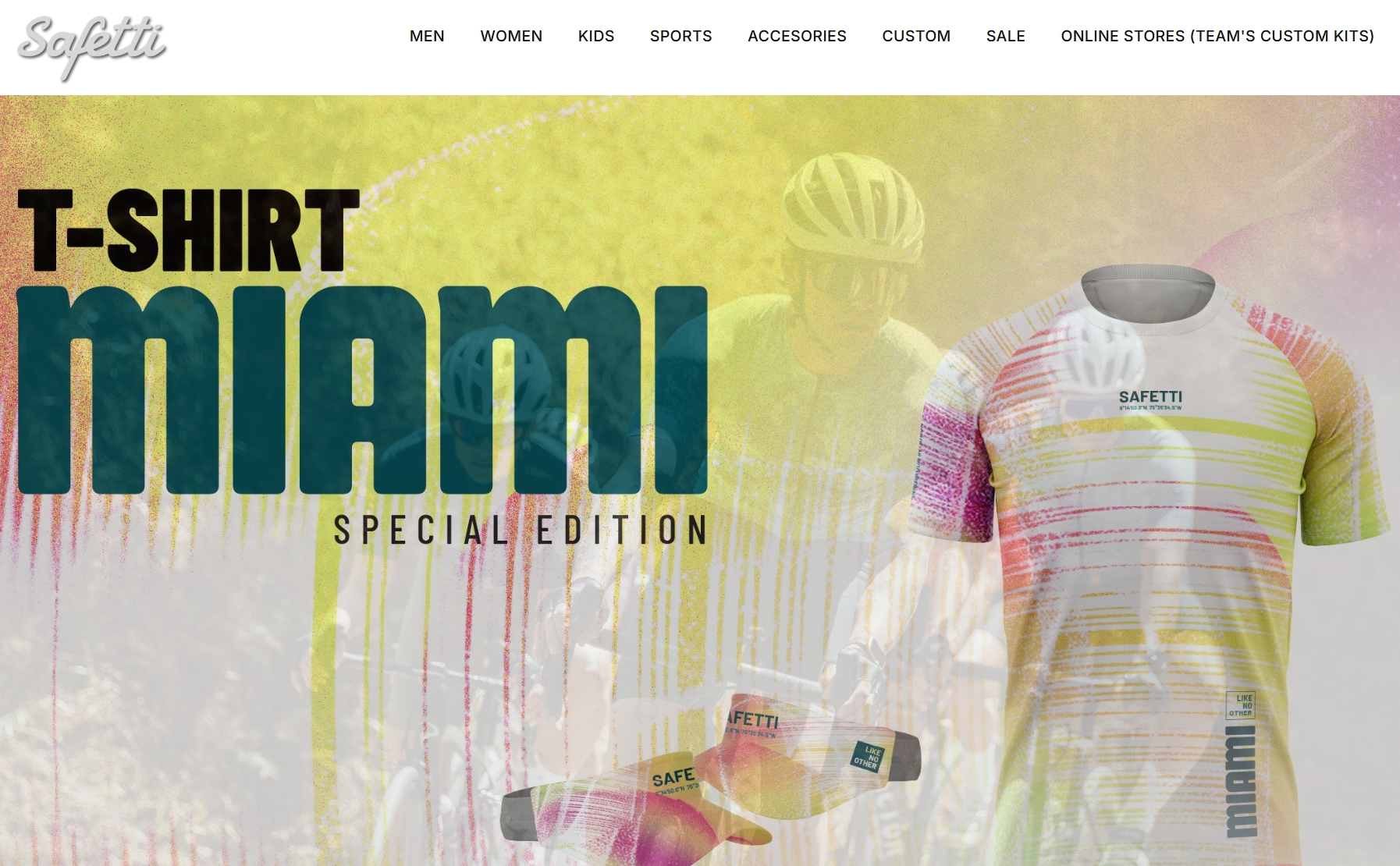
Bike buyers care more about environmental responsibility now. Safetti saw this coming. They built their whole manufacturing model around it. Most Colombian cycling apparel suppliers just use sustainability as a marketing trick. Safetti made it part of their production from the start.
This Bogotá-based manufacturer shows eco-friendly production works without hurting performance. Their Colombia facility runs on renewable energy. Water recycling systems cut consumption by 78% versus old-school textile making. These aren't just PR moves. They're real investments that brought European brands to their door. Those brands need strict environmental compliance.
Safetti Sustainability StatsCircular Economy Manufacturing Model
Safetti goes way past basic recycling. Their closed-loop system grabs fabric scraps from cutting. These materials go back into yarn production with their partners. The payoff? Zero textile waste hits landfills. Most bike clothing factories toss 15-20% of materials as trash. Safetti turns this "waste" into something useful.
They vet suppliers hard. Mills need verified environmental certifications to work with them. Every fabric batch comes with tracking documents. Brands partnering with Safetti can prove their supply chain is clean. Consumers want this proof more than ever. The global ethical fashion market reached $7.5 billion in 2023. Transparency makes money.
Performance Without Compromise
Many sustainable cycling gear makers drop technical specs for green points. Safetti said no to that choice. Their R&D team built moisture-wicking fabrics from recycled polyester. These fabrics perform just like virgin materials. Compression panels use plant-based stretch fibers. Recovery properties stay strong.
Temperature control, wind resistance, long life—these performance signs match competitive cycling needs. Their testing matches what premium European makers do. The gap shows in carbon footprint numbers, not how riders feel.
Brand Alignment Opportunities
Does your cycling brand target eco-aware buyers? Safetti gives you manufacturing proof that marketing can't fake. Their certifications and clear processes tell your brand story. You can team up on sustainability missions together.
Pricing runs 10-15% higher than regular Colombian makers. This extra cost shows real money spent on cleaner production. Budget brands need to check something first. Does your target market care about verified sustainability claims? Will they pay for it?
Safetti shows Colombia's bike clothing production leads in more than just low costs. They're pushing ethical manufacturing forward too.
Givelo - The Premium Lifestyle Brand & Manufacturing Partner
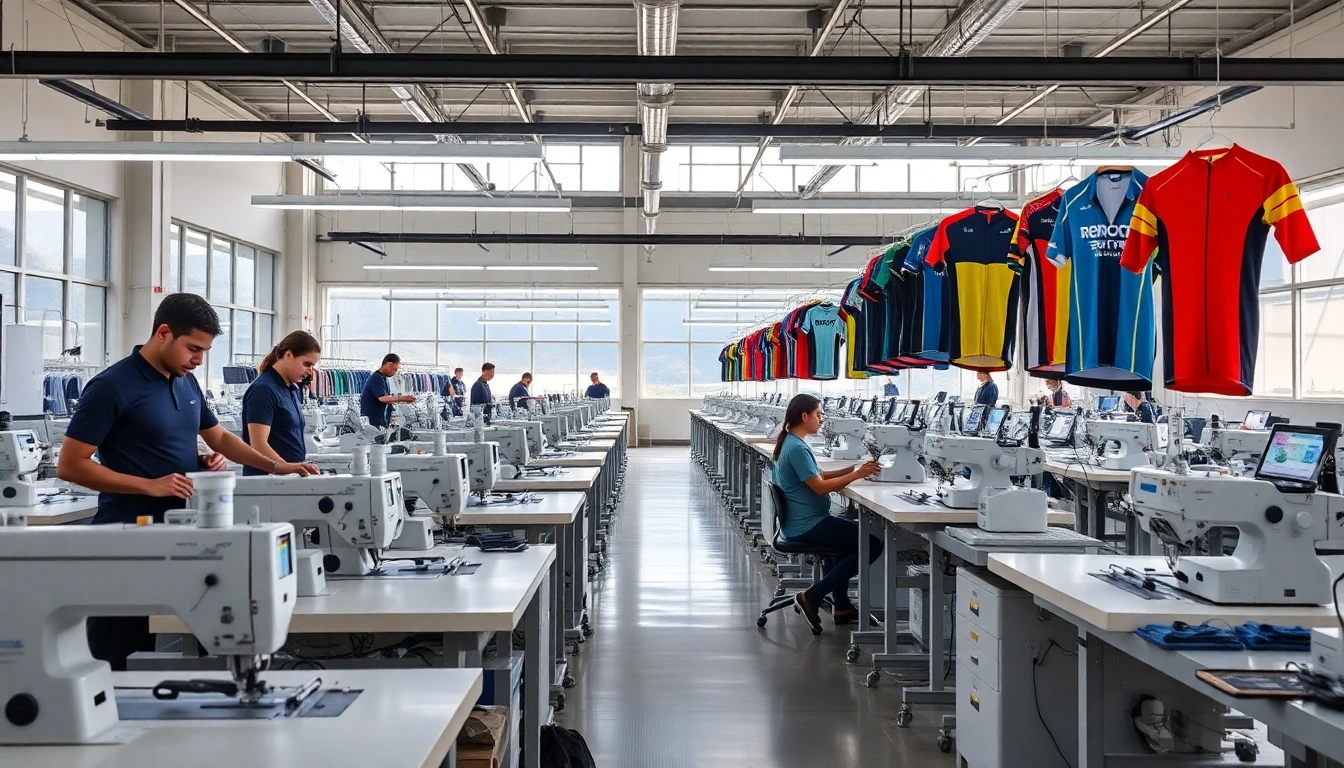
Medellín's cycling culture creates a unique type of manufacturer. Givelo started in 2017 with a clear goal: combine top performance tech with lifestyle looks that riders want to wear off the bike. Their "Don't Settle" philosophy drives every production choice. No corners cut. No generic designs. No accepting "good enough."
This isn't your standard OEM cycling apparel supplier. Givelo works as both brand and manufacturing partner. Their team of 11-50 people partners with Medellín's garment workshops. These workshops specialize in quality production. They've built strong relationships with Colombia's best textile craftsmen. The result? Premium cycling wear that shows real local skill, not mass-market shortcuts.
The Medellín Manufacturing Advantage
Location matters more than most brands think. Medellín sits at the center of Colombia's cycling passion. The city makes world-champion riders. That competitive spirit flows into local production. Givelo uses this environment to their advantage. Their production partners hire workers who know performance cycling from real experience—not just specs on paper.
The workshop teams focus on exact cutting and careful construction. Every seam gets checked. Fabric panels go through multiple quality reviews. This care lifts "Made in Colombia" above typical views. You get European-level craft at closer pricing and faster delivery.
Continuous Innovation Model
Most cycling brands work on seasonal drops. Spring/summer gear launches, then fall/winter. Givelo dropped this old model. They put out new products all year long. Advanced textile tech becomes available? They add it right away. Fashion trends change? Design updates happen fast.
This flexible approach needs manufacturing partners who can move fast. Smaller production batches. Quicker sampling rounds. Givelo's partnership model with local Medellín workshops allows this. Large Asian factories can't match this speed without huge minimum orders.
Partnership Opportunities
Givelo offers a solid option for cycling brands looking for co-development or shared manufacturing. Their skill in mixing performance tech with lifestyle style helps brands reach the premium market. Think capsule collections, limited editions, or joint products that carry real Colombian cycling roots.
The company backs local growth through manufacturing picks. Brands that value social duty and quality fit well here. You're not just buying production space—you're connecting to Medellín's cycling business scene.
Production minimums and lead times need direct talks. Their year-round release model and smaller team size show they work best for quality-focused brands, not mass-market volume players. Pricing sits in the premium range. Brands watching budgets should look at other options.
Two More Manufacturer Types Worth Your Attention
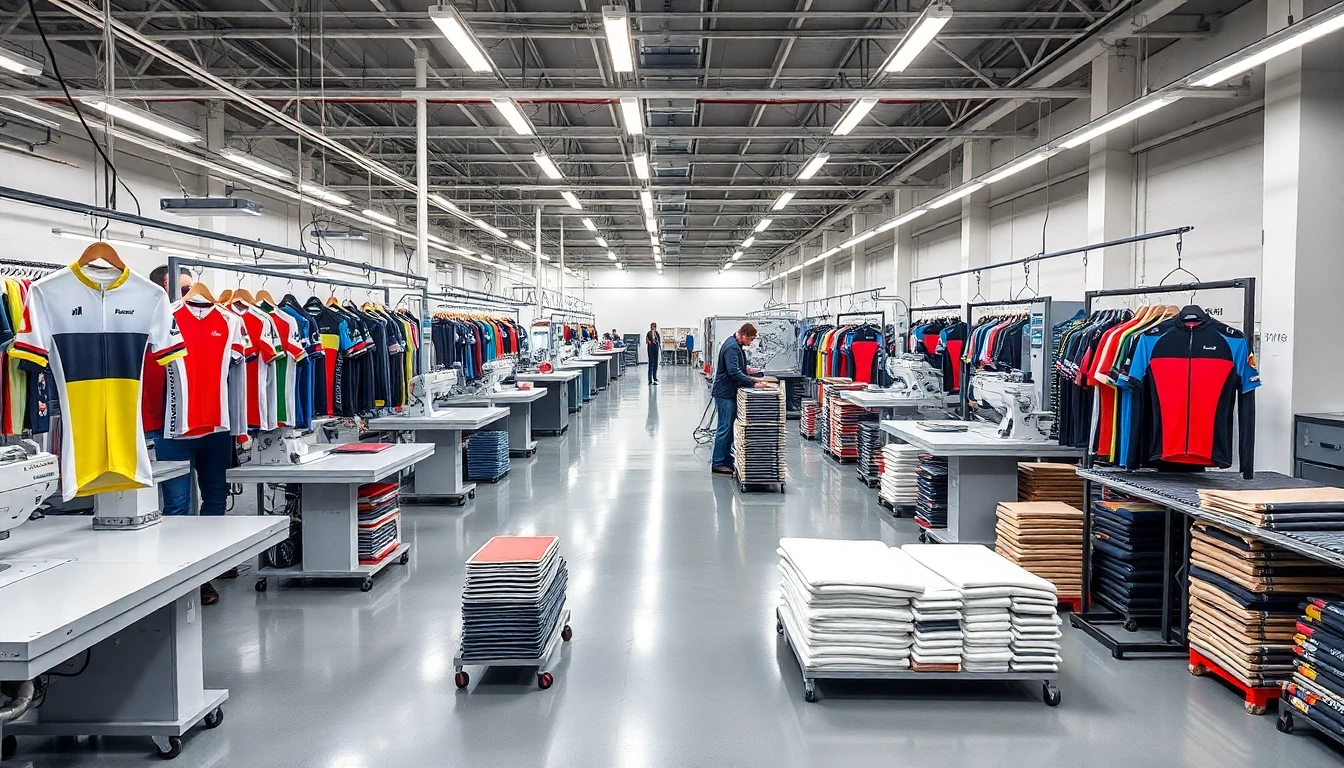
Colombia's cycling apparel makers go beyond small specialty shops. Two newer categories offer solid options for brands at different stages and with different technical needs.
Smart Factory Multi-Category Apparel Manufacturers
Big cycling apparel manufacturers in Medellín and Bogotá run multi-sport production lines. They beat single-category specialists in several ways. These factories keep dedicated cycling divisions inside their larger athletic apparel operations.
Texcol in Medellín produces 1.2 million units per year across multiple sports categories. Their cycling line has full sublimation capabilities and modern production floors. Confecciones Rápidas in Bogotá makes 800,000 units per year with laser cutting technology in their cycling department.
These manufacturers get 80% of fabrics from local sources in the Itagüí textile district. Close proximity cuts lead times. You get direct access to Colombia's fabric innovation centers. Production cycles take 8-12 weeks instead of the 16-20 weeks you'd see with Asian suppliers.
Look for ISO 9001 certification and verified export history. The strongest partners earn at least 10% of revenue from EU or US markets. This export track record shows they understand Western quality standards and delivery expectations.
Production capacity matters. Find facilities making 500,000+ units per year with dedicated cycling lines running 20+ specialized machines. Flat-seam and coverstitch equipment should be cycling-specific, not borrowed from general athletic wear production.
Tech-Integrated Cycling Apparel Manufacturers
Advanced manufacturers use robotics and AI-driven quality control. They represent the top tier of Colombian bicycle clothing production. These facilities put 25% of capital spending into automation technology.
The numbers show the performance gap. Automated facilities keep defect rates below 0.5% versus 1.2% at traditional operations. Lead times drop to 4-6 weeks. Peak capacity hits 300,000 garments per month with consistent quality across massive runs.
Tech-Integrated Performance StatsEquipment specs tell the real story. Top facilities run 50+ flat-bed sewers, 20+ overlock machines, 5+ heat-press glue stations, and multiple laser cutters pushing 20 meters per minute. Digital sublimation printers (Epson SureColor 64" models) deliver color fastness ratings of 4-5 grade after 50 washes.
Technical validation separates pretenders from performers. Request test samples showing seam strength above 15N/cm. Package sewing should have less than 1.5mm pucker. Heat-press peel strength needs to hit 20N per 25mm. Laser-cut edges should measure under 0.2mm roughness.
These manufacturers source 70% certified recycled polyamide and lycra blends. Sustainability certifications (GOTS, OEKO-TEX) come standard. Zero audit failures in the past 24 months should be your baseline.
The global industrial robotics market reaches $81.4 billion by 2028. Colombian manufacturers adopting these technologies now give your brand access to world-class production. Plus, you get nearshore proximity and pricing.
CTA SectionKey Standards: How to Choose Your Colombia Manufacturing Partner
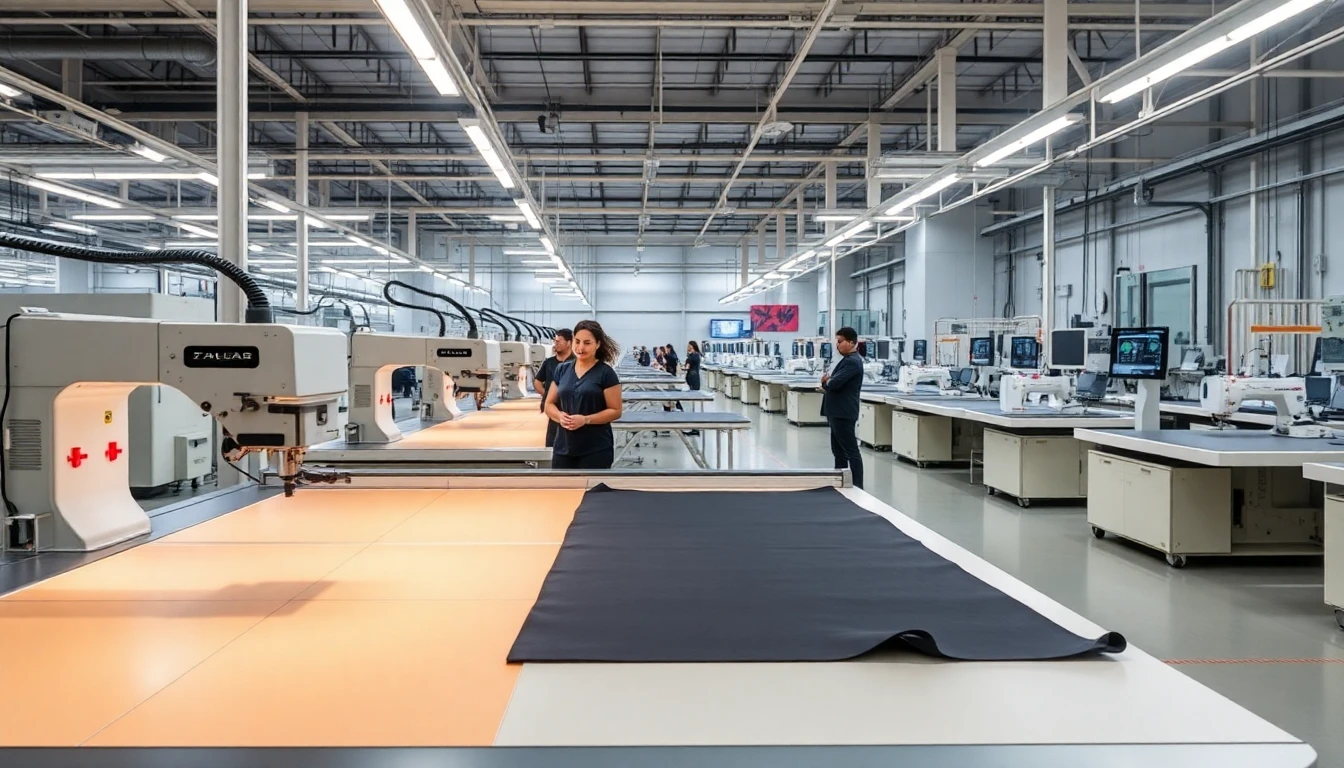
Pick a Colombian cycling apparel manufacturer without clear standards? Brands lose an average of $45,000 on their first production run. Bad samples happen. Deadlines get missed. Quality issues kill your launch. The money hurts. The damage to your brand reputation hurts more.
Smart buyers use a clear system before they sign contracts. Here's the process that separates reliable partners from risky choices.
Location & Equipment Check
Colombia's cycling apparel production centers on three hubs—Medellín, Cali, and Bogotá. These cities have specialized clusters. You'll find knitting equipment, heat-press bonding machines, and seamless construction tech. Location shows capability.
Ask for facility details right away. You need proof they're inside these garment districts. Factories outside these zones often can't access specialized cycling textiles. They lack skilled technical workers too.
Get equipment specs next. Quality cycling wear needs specific machines:
Flat-bed sewers : 50+ units minimum for solid capacity
Overlock machines : 20+ for technical athletic construction
Heat-press glue stations : 5+ for bonded seam work
Laser cutters : Running at 20+ meters per minute for clean edges
This equipment check removes factories trying to switch from general apparel to technical cycling wear. They can't deliver steady quality without proper tools.
Export Track Record Check
Your manufacturer needs proven export work—with European or North American brands. Ask for 3-5 verified brand names they supply now. Contact those brands if you can.
The strongest partners make at least 10% of yearly revenue from EU or US markets. This export percentage shows they know Western quality standards. They understand documentation needs and delivery timelines. Factories working only at home often struggle with international rules. This delays shipments.
Check their ISO 9001 status. Serious cycling brands need this quality certification. Facilities without it often have defect rates above 1.2%. Certified operations run at 0.5%.
Price Details
Colombian manufacturers offer good pricing. But wide ranges exist across quality levels. Use these EXW (Ex Works) benchmarks for standard cycling jerseys:
Standard Competition-Grade Jerseys (120-160gsm functional fabric, basic silicone grippers):
Small batch (100-200 pieces/design): Target USD 13-18 per piece EXW
Medium batch (300-500 pieces/design): Target USD 10-14 per piece EXW
Large production (800-2,000 pieces/design): Target USD 8-11 per piece EXW
Premium Professional-Grade (Italian fabrics + advanced chamois + laser cutting + bonded seams):
Small batch (100-200 pieces/design): USD 20-28 per piece EXW
Large production (800+ pieces/design): USD 16-22 per piece EXW
Ask for tiered pricing across multiple order sizes: 50, 100, 200, 300, 500, and 1,000 pieces per design. This pricing ladder shows their flexibility. It reveals their true cost setup.
Clarify what base pricing includes: main labels, care labels, size tags, individual polybags, hangtags, inner boxes, and outer cartons. Many manufacturers quote good base prices. Then they add these items as expensive extras.
MOQ Flexibility Check
Minimum order quantities separate flexible partners from rigid operations. Colombian manufacturers often set these MOQ baselines:
Standard Functional Cycling Jerseys (local fabrics, standard tooling):
Standard cycling clothing factory need: 200-300 pieces per design/color
Very flexible operations: 100 pieces per design/color , or 500 total pieces with single colors at 50+ pieces
Advanced Technical Construction (bonded seams, laser cutting, imported fabrics):
Common need: 300-500 pieces per design/color
Ask about test order options. The best manufacturers offer small trial runs at 50-100 pieces per design. They charge 10-25% pricing premiums. This trial option shows they trust their quality. They want to earn your larger orders.
Check their mixed-color policies too. Can you reach 300 total pieces across multiple colors? Can you do 50-piece minimums per color? This flexibility helps brands test market response across colorways.
Sample Development Costs
Sampling fees show manufacturer confidence. They show long-term partnership thinking. Standard cycling jersey samples (single design, single color) often cost:
Basic range: USD 50-150 per design
Advanced applications (full-body sublimation printing + bonded seams + laser cutting): USD 150-250 per design
Ask if sample fees credit back against production orders. Quality manufacturers offer 100% sample fee credits on production orders over 300 pieces per design. This policy shows they view sampling as business investment, not profit.
Ask about pattern development fees too—usually USD 30-80 per pattern. Some manufacturers bundle this into sample costs. Others charge it as a separate fee and keep pattern ownership. Clarify upfront who owns developed patterns. This affects your future production flexibility.
Technical Upgrade Costs
Green features and performance upgrades have specific cost effects. Factor these into your budget:
Recycled/eco-friendly fabric upgrades : +8-20% over standard materials
Premium chamois vs. generic padding : +USD 1-3 per piece
Laser cutting precision work : +USD 0.50-1.50 per piece
Full garment bonded seam construction : +USD 1-3 per piece
Manufacturers should give itemized cost lists. These show what each upgrade adds. Vague "premium pricing" without specific line items means weak cost transparency.
These standards create clear comparison tools. Use them to test manufacturer claims. Do this before you commit your brand's reputation and money to Colombian production partners.
Real Brand Case Studies: Success Stories with Colombian Manufacturers
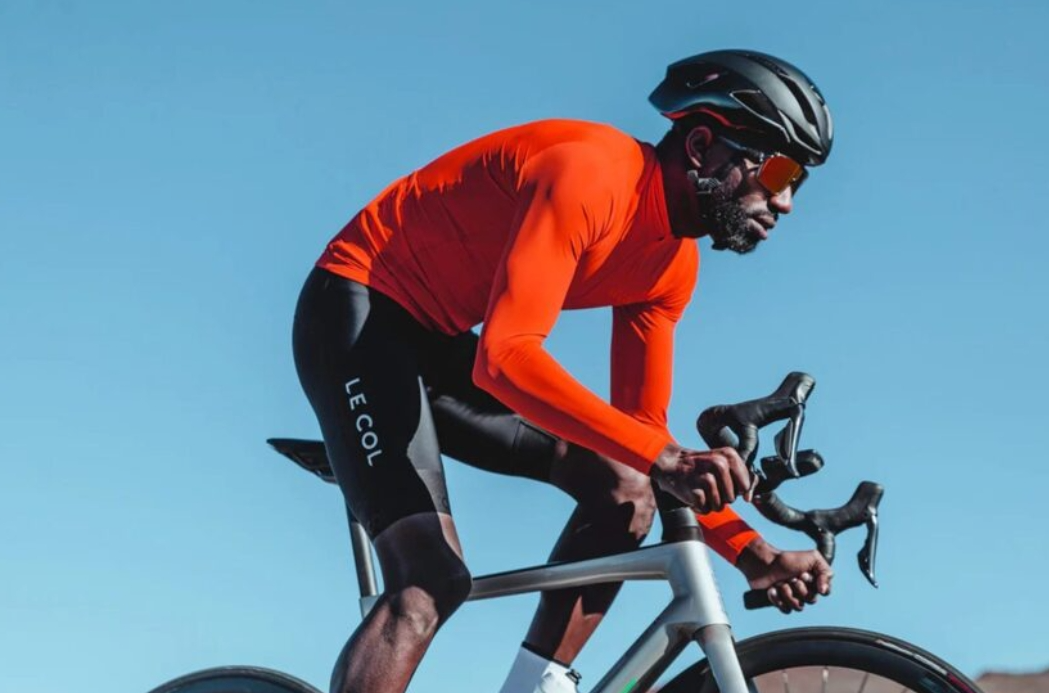
Global brands put real money into Colombian manufacturing. Adidas proves this works. The sportswear giant signs multi-year contracts with Colombian factories. This shows trust in technical skills that match European standards.
Adidas gets performance apparel from Colombian facilities built for international athletic brands. Quality standards are strict—dimensional accuracy within 2%, colorfastness grade 4-5, and seam strength exceeding 20N/cm. Colombian manufacturers hit these marks every time. Colombia's manufacturing reputation now goes beyond low costs. It's about real quality competition.
Adidas Quality StandardsDistribution Success: Scrub Daddy's Colombian Market Entry
Scrub Daddy Inc. , the household cleaning products maker, picked Colombian distributor Eterna S.A. (operating through TEPP) to enter the market. The numbers show the growth story:
Year 1 wholesale sales projection : $500,000
Year 3 target : $1,000,000
Market achievement : Entered Colombian retail households
This distribution deal shows Colombian partners give you market access. Eterna S.A. handled local retail networks. They managed logistics and built consumer awareness. The 100% revenue growth from Year 1 to Year 3 shows strong execution confidence.
Cycling apparel brands can learn from this. Local production partners know regional distribution channels. They give you ready pathways to Latin American markets—180 million potential customers across Colombia, Ecuador, Peru, and Central America.
Household Appliances Scale: Haceb's Export Model
Haceb , founded in 1940, runs five manufacturing facilities with 3,700+ workers. They export to 20+ countries. Top markets include the US, Mexico, Costa Rica, Ecuador, and Peru.
Haceb Key StatsHaceb grew from a domestic maker to a multinational supplier. This shows Colombian production can scale. For cycling brands, this means manufacturers who know international compliance. They understand shipping logistics and quality documentation.
Colombian factories work with global brands as established partners. They deliver real results across industries.
Conclusion
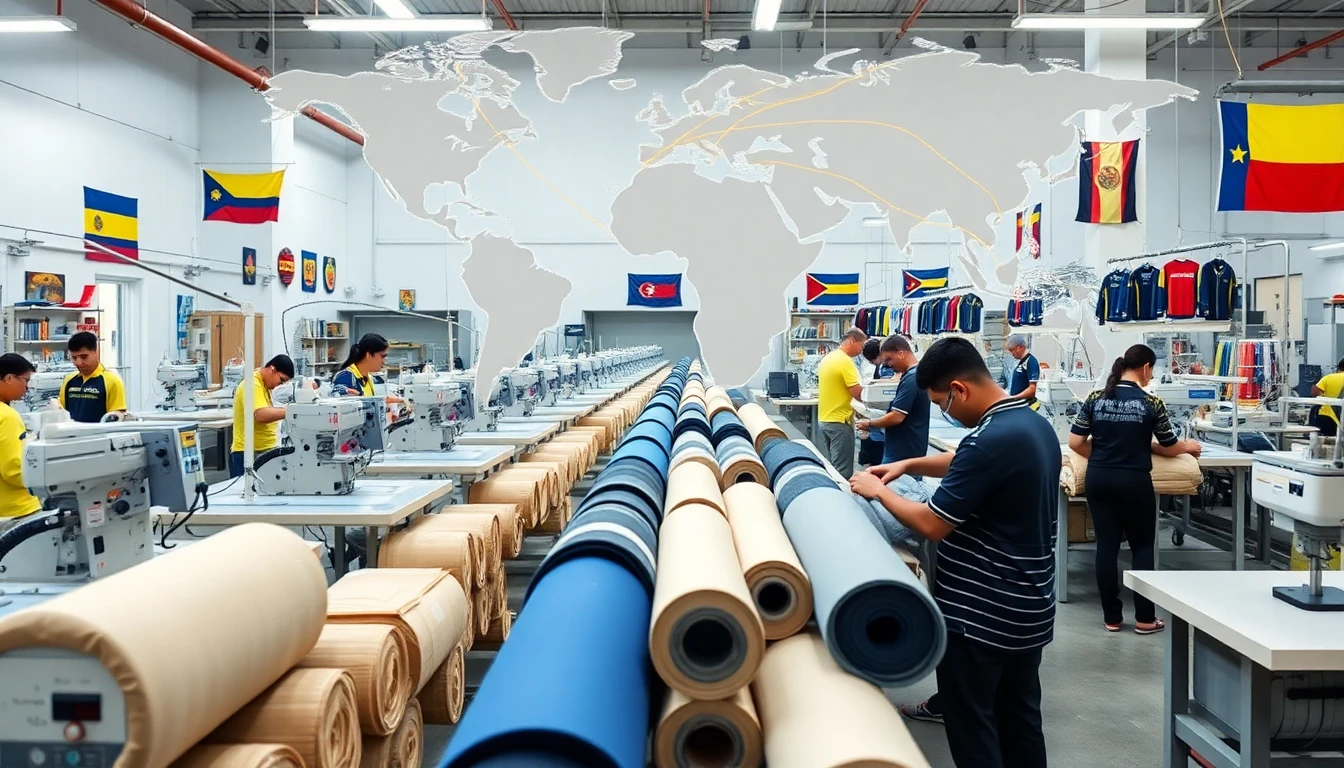
Colombia has become a key manufacturing hub for global cycling brands. Technical know-how meets competitive prices here. Plus, the nearshore location gives brands quick access to North American and European markets. Asian factories can't match these benefits.
The manufacturers we covered offer different strengths. Suarez delivers cutting-edge technical innovation. Safetti focuses on sustainability partnerships. Givelo excels at premium lifestyle positioning. All three have proven track records with successful global brands.
Your brand's needs will guide your next step. Need fast turnaround times and lower minimum orders? Talk to Suarez or smaller specialized facilities. Want transparent sustainability practices? Safetti's ecosystem gives you clear visibility into every step. Building a premium brand where the manufacturing story matters? Colombia's cycling heritage adds authentic credibility.
Ready to explore Colombian cycling apparel manufacturers for your brand? Contact our sourcing team at Berun Clothes. We'll introduce you to vetted cycling clothing factory partners that fit your production needs, volume requirements, and quality standards. Our team helps with initial conversations and the qualification process. We turn this research into real partnerships.