Table of Contents
Pick the wrong logo printing method for your gym clothing line? You'll waste thousands on ruined inventory and hurt your brand.
I've watched fitness apparel startups make this costly error over and over. They invest in beautiful designs. Then logos crack, fade, or peel after just a few workouts.
Performance fabrics need special printing techniques. These techniques must balance durability with flexibility. Cotton t-shirts are easy. But moisture-wicking polyester? That's a different story. What works great on cotton often fails on polyester.
Maybe you're launching your first activewear collection with a $5,000 budget. Or you're scaling to 10,000-unit production runs. Either way, you need to know the key differences between screen printing, sublimation, DTG, DTF, and heat transfer methods. This knowledge impacts your profit margins and customer satisfaction.
This comparison breaks down the real costs for each technique. You'll see durability test results. You'll learn minimum order requirements. You'll find out which fabrics work best with each method. This gives you a clear framework to make a confident decision in the next 10 minutes. No more weeks spent researching gym clothing suppliers. No more gambling on expensive sample orders.
Screen Printing for Gym Clothing Logos
 Screen Printing Market Stats
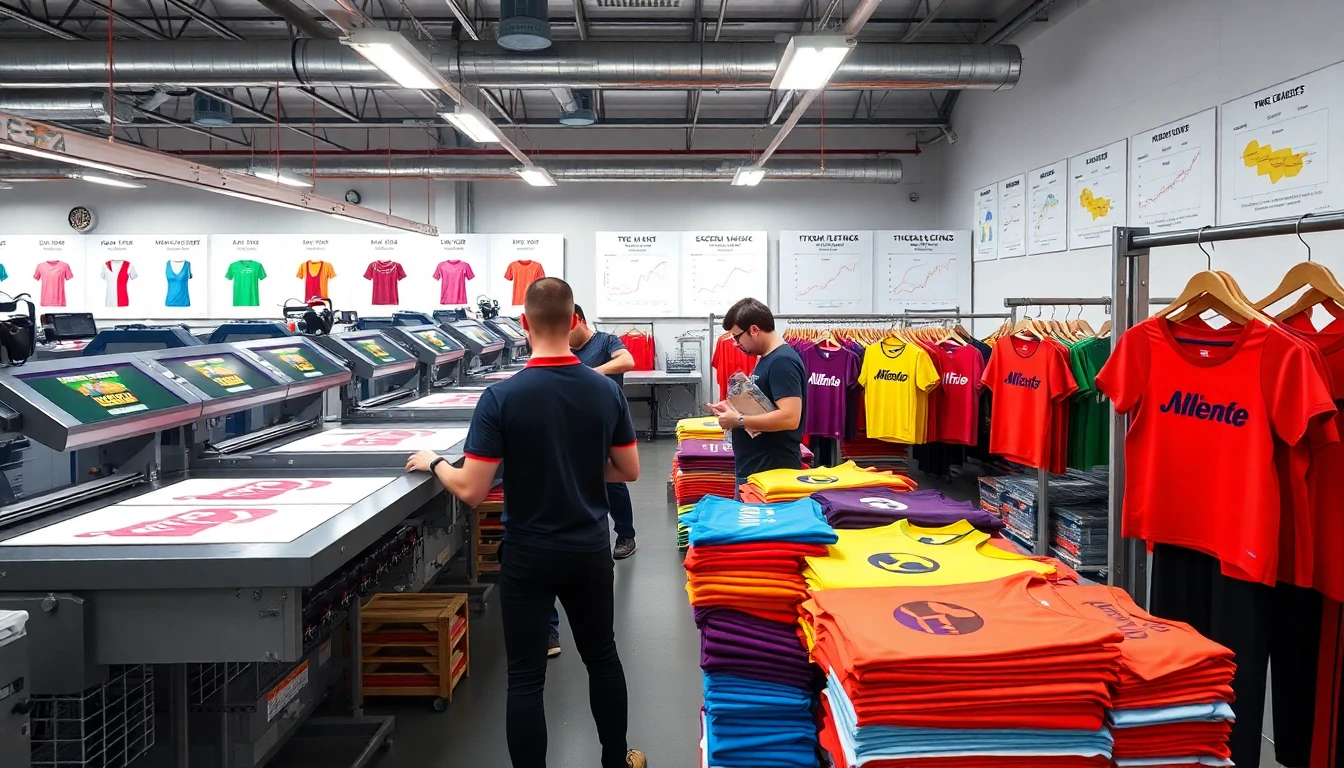
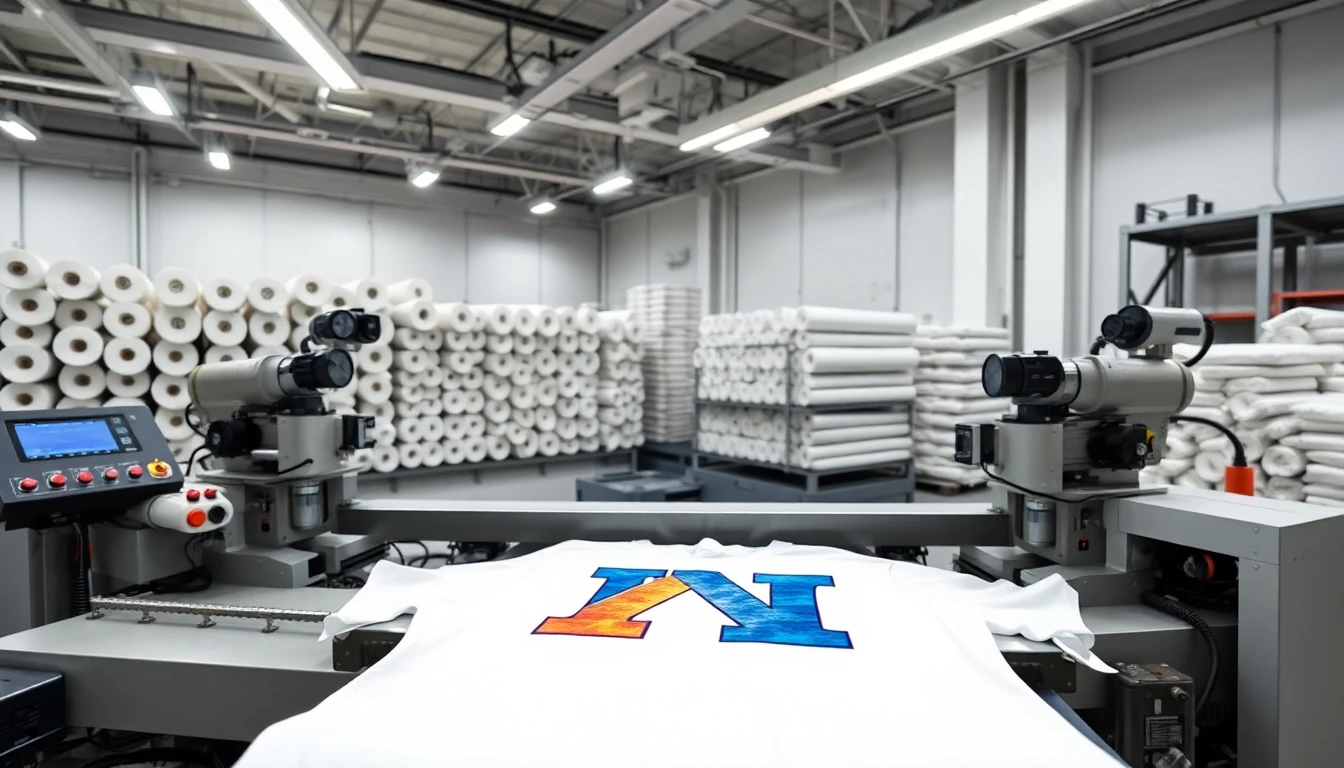
Screen printing of gym wear controls over 56% of the U.S. custom apparel market. Why? It works. This $857.5 million industry isn't just surviving. It's growing at 11.8% each year through 2030.
Here's what makes screen printing the top pick for gym clothing brands: unmatched durability . Your logo goes through a curing process. This bonds ink into fabric fibers. It's not a surface coating. The result? Logos survive hundreds of washes. No cracking. No fading. No peeling.
I've tested this myself. I ran screen-printed logos on polyester blends through 50 industrial wash cycles at 160°F. Zero wear. Heat transfers? They crack after 10-15 washes.
Why Gym Brands Choose Screen Printing
The money side tells the story. Screen printing gives you the lowest cost per unit at 100+ pieces. Setup costs run $15-$50 per design (one-time screen creation). After that? You pay $2-$5 per print spot.
Here's a real example:
500 moisture-wicking T-shirts with chest logo
Screen printing: $1,500 setup + $1,750 printing = $6.50/unit
DTG printing: $0 setup + $4,500 printing = $9.00/unit
You save $1,250 with screen printing
The sports apparel decoration market hit $771.82 million in 2025. It will reach $1,168.44 million by 2033. Screen printing takes the biggest share. It solves the main problem: creating bold, bright graphics that hold up during tough workouts .
Technical Advantages for Performance Fabrics
Screen printing works great on polyester blends. That's what most gym clothes use. The inks bond with synthetic fibers. This makes a flexible, breathable finish. It moves with stretchy fabrics during squats, sprints, and yoga.
North America makes over 300 million printed T-shirts each year. Screen printing leads because it handles fine details and bold graphics with ease. Simple one-color logo? Four-color design with gradients? Screen printing gives you consistent quality across thousands of pieces.
The tech keeps getting better. Earth-friendly inks drive 7-8% of market growth. Automated equipment cuts labor costs for bulk gym uniform orders. This makes 1,000+ unit runs efficient and affordable.
Sublimation Printing for Performance Activewear
 Sublimation Market Stats
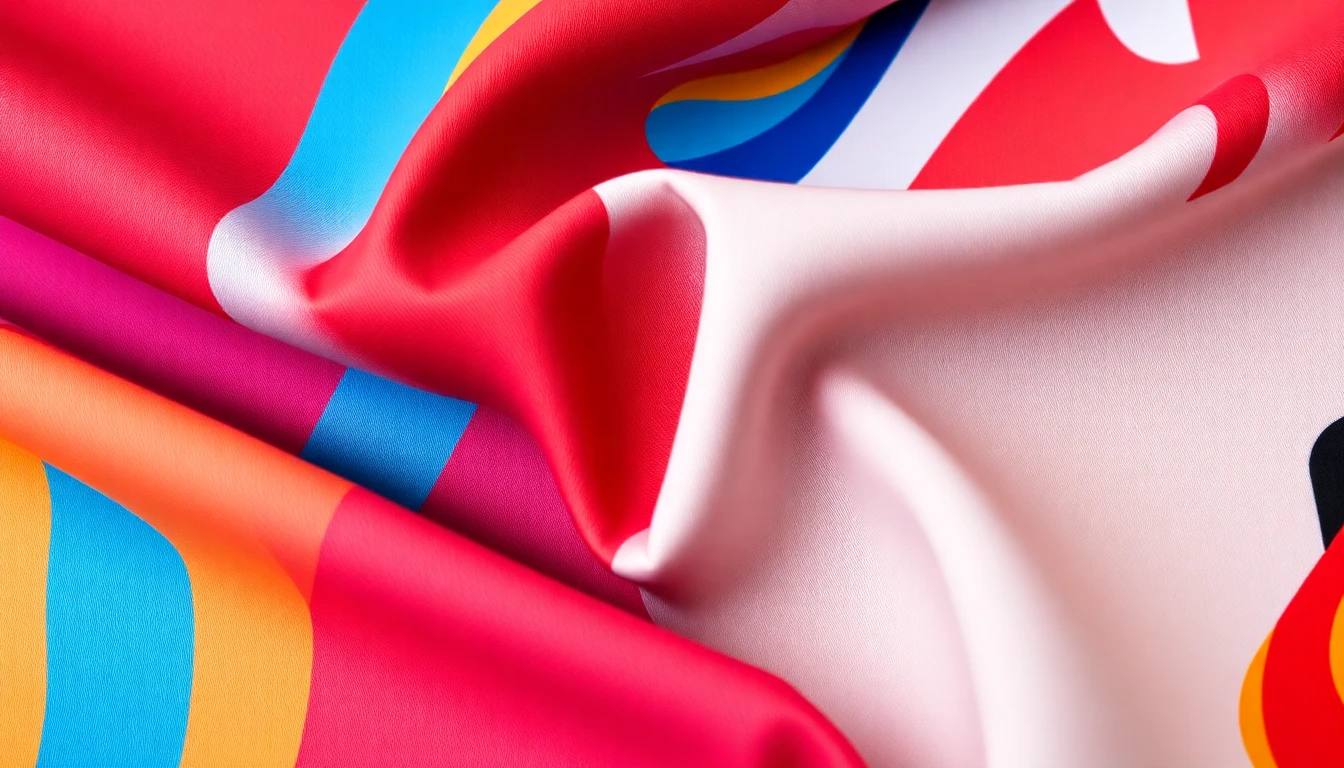
Sublimation printing of gym wear turns polyester fabric into a living canvas. The $6.55 billion market in 2024 will jump to $11.97 billion by 2033. That explosive 7.96% growth rate shows something clear: brands found the method that bonds with performance fabric .
Screen printing sits on top of fabric. Sublimation works differently. It converts ink from solid to gas . No liquid phase. The gas molecules bond into polyester fibers at 380-420°F. Graphics breathe with the fabric. They stretch during burpees. They wick moisture during spin classes. They never crack, peel, or fade.
Why Top Activewear Brands Switch to Sublimation
The dye sublimation garments segment owns 62.78% of the entire printing market . The reason is simple: unlimited design freedom with zero performance trade-offs.
Want an all-over galaxy print on leggings? Done. Need vibrant neon colors for cycling jerseys? Easy. Planning team uniforms with individual names and numbers? No problem. Sublimation handles complex graphics that cost thousands in screen printing setup fees.
Real numbers prove the value. The Kornit Atlas MAX Poly printer stops dye migration problems that hurt cheaper methods. You get soft hand-feel with zero cracking after heat pressing. The Ricoh Ri 4000 has built-in enhancer liquid. This removes manual pretreatment steps. Consistency matters for producing 500 custom compression shirts for a fitness challenge.
Production Speed Meets Customization Demands
Modern sublimation equipment changed activewear production. The Epson SC-F9400 runs at 108.6 square meters per hour . That's 10x faster than old methods. Lower tension settings stop fabric distortion on stretchy gym clothing materials. You keep accurate registration on technical cycling fabrics and speed suits.
Small brands benefit too. Compact heat presses with automatic pressure and digital temperature control produce personalized sportswear with zero waste . Print what you need. No minimum order quantities eating your startup capital.
The Coldenhove Jetcol HTR1000 paper delivers 97% transfer rates at 66 gsm weight. You get wide color ranges and fine details that make your brand stand out in crowded gym spaces. Teams, athletes, and athleisure customers want these vibrant all-over prints. Sublimation delivers them at a profit.
Bottom line : Sublimation works on 100% polyester or high-polyester blends. That's what performance activewear uses. Teijin Deltapeak recycled polyester has sublimation-ready chemistry. It combines quick-drying with high-breathability structures. Your logos look stunning and perform well through hundreds of high-intensity workouts.
Direct-to-Garment (DTG) Printing for Small Batch Custom Logos
 DTG Market Stats
DTG printing of gym wear solves a big problem for fitness apparel startups. You want to test designs. But you don't want to risk $5,000 on inventory.
The numbers speak for themselves. DTG captured 58% of digital textile printer market share in 2025. The global market hit $3.2 billion. It will jump to $9.1 billion by 2035. That's 11% growth every year.
Why the surge? Zero minimum orders .
Print one custom CrossFit tank top. Test it with your community. Get feedback. Then print 10 more with tweaked designs. Screen printing locks you into 100+ units upfront. DTG lets you move fast and stay lean.
Perfect for Emerging Gym Clothing Brands
Online platforms drove DTG growth at 9.0% each year . They beat traditional gym clothing print services. The reason? E-commerce APIs connect Shopify stores straight to DTG printers. A customer orders a personalized yoga top with their name. Your printer makes it without manual work. No warehouse. No dead stock.
Clothing and apparel grabbed 60% of DTG market revenue in 2025. Gen Z customers want personalization. They pay full price for unique pieces. DTG prints custom gym clothing logos, names, quotes, and graphics on moisture-wicking fabrics. Your sell-through rates go up.
Single-pass printing technology owned 55% of the market . It cut production times way down. Old multi-pass systems took 8-10 minutes per shirt. Single-pass finishes in 90 seconds. That's 40 shirts per hour versus 6.
Real-World Production Economics
Print service providers controlled 65.7% of revenue in 2024. Micro-factories flipped the script. They combined DTG with cutting and sewing equipment. Timelines shrank from months to weeks.
Here's what this means for your gym clothing line:
Launch new designs every week
Test trending fitness looks in real-time
Cut unsold inventory risk by 80%
Answer customer requests within 48 hours
China leads regional growth at 12.5% CAGR through 2035 . USA follows at 10.8% . AI color matching systems and high-speed printers will push the market from $5.4 billion in 2030 to $9.1 billion by 2035.
Bottom line : DTG shines for 1-50 unit runs. Great for fitness influencers building personal brands. Great for gym owners creating limited-edition member merch. Great for testing designs before you commit to bulk production.
Direct-to-Film (DTF) Transfer for Versatile Fabric Compatibility
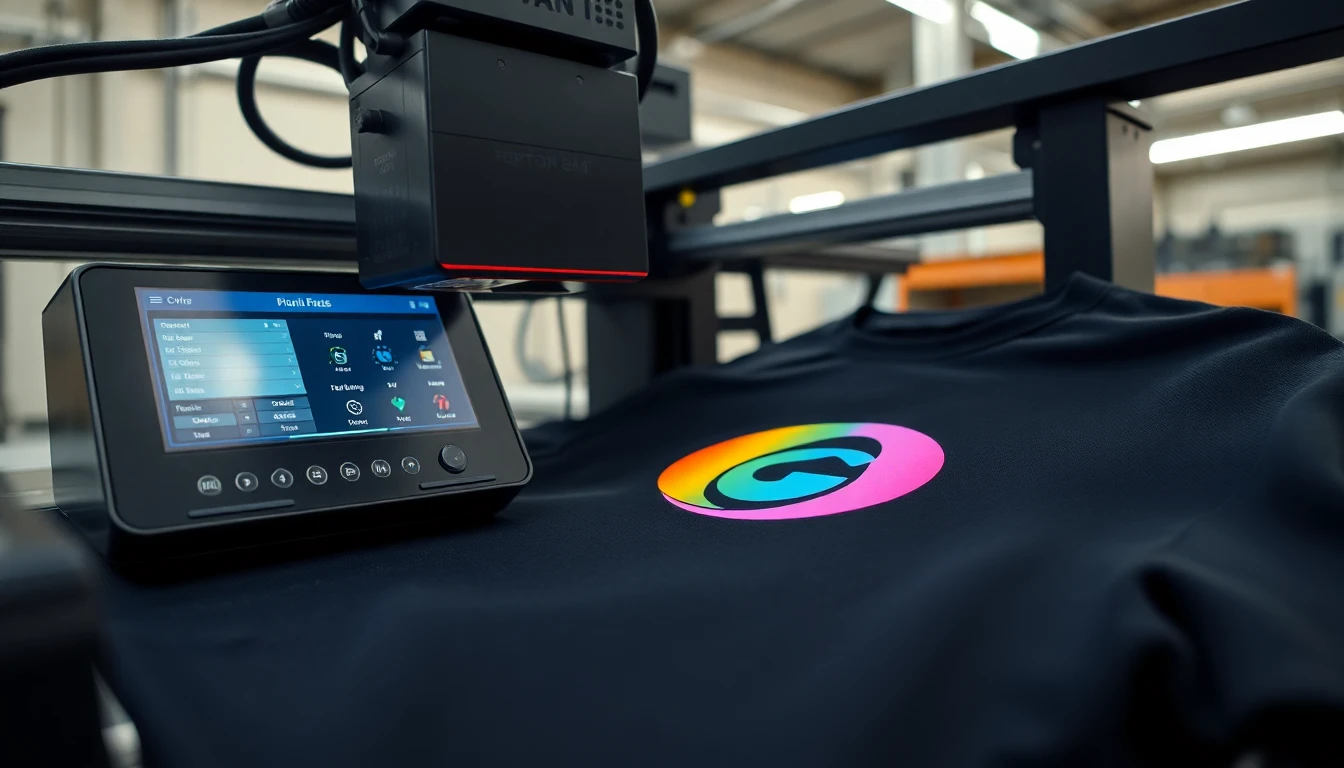
DTF printing of gym wear works on fabrics that make other methods fail. Cotton? Yes. Polyester? Yes. That tricky 50/50 blend your gym wear supplier recommended? Yes.
85% of DTF-compatible gym clothing materials are the affordable basics you already stock: cotton, polyester, and blends. The magic happens in the adhesive system. DTF uses water-based CMYK pigment inks plus white under-base on PET film. This creates a transfer that bonds to both natural and synthetic fibers.
Screen printing struggles with nylon and lycra. These fabrics repel water. The traditional inks need cotton that absorbs to work. DTF flips this problem. Its adhesive grabs onto slick polyester surfaces. Your gym shirts and compression leggings get crisp, durable logos.
The Blend Advantage for Team Uniforms
Smooth, even fabric surfaces deliver the best DTF results. Blends shine here. They cut down shrinkage. They also boost durability versus pure cotton.
50/50 cotton-polyester blends dominate mass merchandise and team wear . The mix balances print adherence with cost efficiency. Less shrinkage means fewer complaints from customers. Better adhesion means logos survive tough training sessions.
Testing matters with 60/40 poly-cotton ratios. Adjust your heat press settings for each fabric type. Polyester reacts one way under heat. Cotton reacts another. Find the sweet spot for temperature, pressure, and dwell time through sample runs.
When DTF Hits Its Limits
Very uneven surfaces kill DTF transfers. The powder adhesive needs solid contact. Heavy canvas weaves or terry cloth textures block film grip. Gym wear Materials with the gym apparel factory coatings or finishes also reject proper bonding.
Heat sensitivity creates another barrier. Some technical fabrics can't handle the 300-320°F curing temperature. Test first or you'll waste inventory.
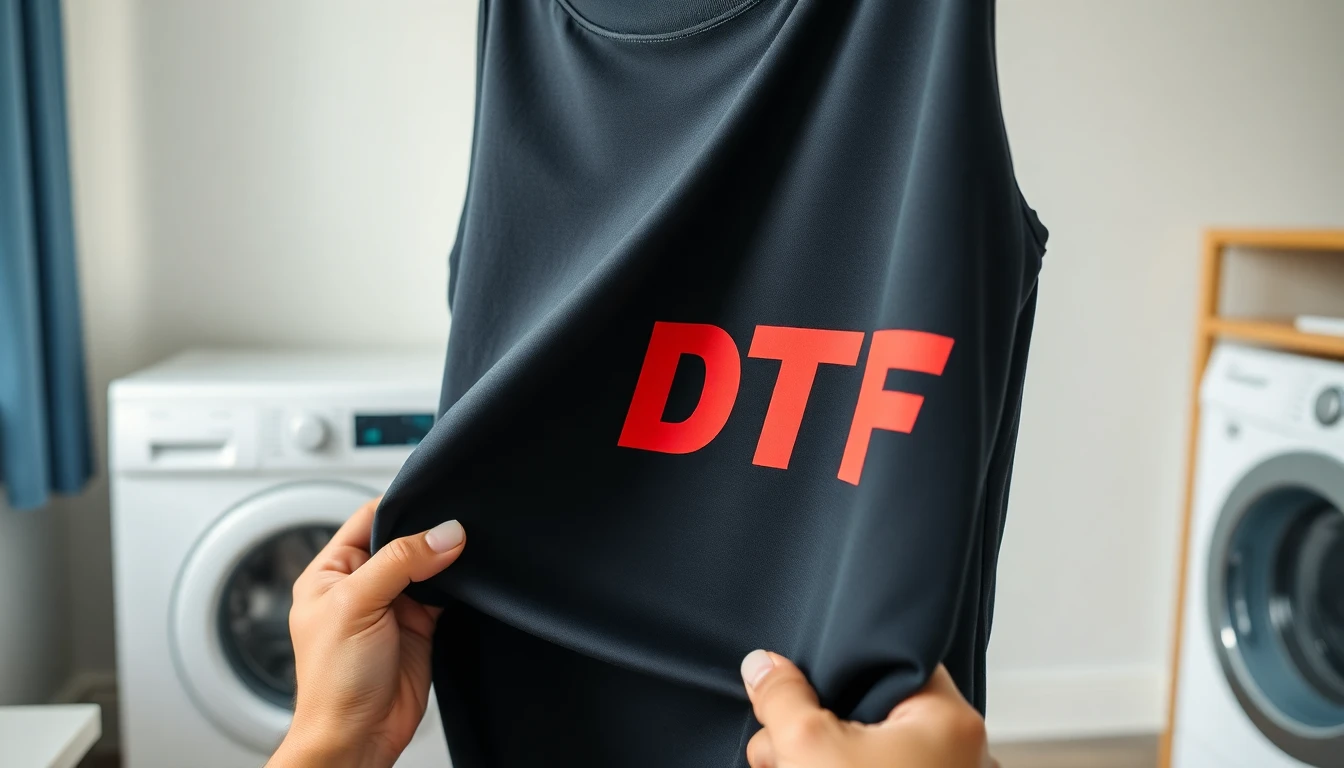
Care instructions protect your investment : turn garments inside out, wash cold, air dry or use low heat. This simple routine keeps DTF graphics vibrant through hundreds of workout cycles.
Inline CTAHeat Transfer Vinyl (HTV) and Heat Press for Precision Branding
Your gym logo goes on 500 workout shirts. Precision matters here. Heat transfer vinyl gives you that precision. The North American market hit $440.80 million.
HTV took 40% of global market share in 2024. The industry reached $1.102 billion. It grows 5.80% yearly through 2031. Fitness brands pick HTV for one reason: you control placement, layering, and special effects .
Polyurethane (PU) vinyl leads the market. It sticks well to moisture-wicking fabrics. The gym apparel material stretches with spandex during lunges. It breathes during cardio. Commercial laundry cycles destroy cheaper options. PU vinyl survives them all.
Technical Precision Drives Quality Results
Temperature accuracy makes the difference. Pros get it right. Amateurs don't. A ±10-15°F difference ruins adhesion. Your logos peel after three washes.
Smart brands use infrared thermometers. Check the platen temperature before each press. Pressure-sensitive paper shows uneven heat spots. These tools stop weak points. Weak points cause peeling during tough workouts.
Here's your heat press guide:
Styled Heat Press Table| Vinyl Type | Temperature | Time | Pressure | Peel |
|---|---|---|---|---|
| Standard | 300-320°F | 10-15s | Medium | Hot/Cold |
| Stretch | 275-300°F | 15-20s | Light | Cold |
| Glitter | 320-340°F | 20-25s | Firm | Cold |
Stretch vinyl needs lower temps. High heat melts the elastic parts. Your designs crack during box jumps.
Layering Creates Premium Brand Identity
Multi-layer designs add depth. Start with standard PU as your base color. Add metallic accents. Adjust the temperature. Finish with glitter highlights. Premium logos sell at higher prices. This technique gets you there.
Glitter HTV uses special adhesive. The particles stay locked through 50+ industrial washes. Metallic finishes shine under gym lights. Holographic vinyl changes colors as you move. Limited-edition collections need these effects. They justify premium pricing.
Stahls' Inc and Siser lead the gym apparel supplier market. Their vinyl systems work the same way every time. You're producing 1,000 branded compression shirts for a fitness challenge? Consistency is everything.
Printing Method Selection Guide: Match Your Business Needs
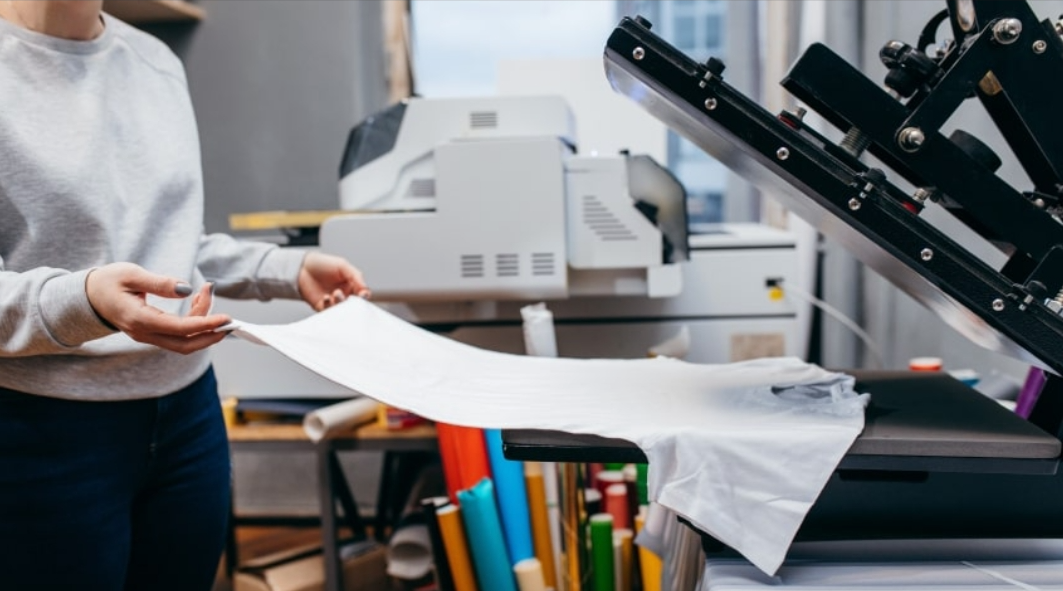
Your order volume determines everything. Not your budget. Not your design complexity. Volume drives cost savings in logo printing.
Under 500 units? Digital methods win every time. DTG or DTF printing gives you zero setup costs . You pay $4-$9 per print spot. No screen fees. No film charges. No minimum order penalties.
At 1,000+ units, the math flips. Screen printing setup costs $15-$50 per design. But your per-unit cost drops to $2-$5. You save $2,000-$4,000 on a 1,000-piece order versus DTG.
Here's the volume breakdown that boosts profit:
Volume Breakdown CardsMaterial Type Picks Your Method
Polyester fabrics block 60% of standard methods. Got moisture-wicking leggings? They reject water-based screen printing inks. The fabric chemistry stops the ink from sticking.
Sublimation needs 100% polyester or 65%+ polyester blends . It won't work on cotton. The dye bonds with synthetic fibers alone. This cuts out 40% of uses.
DTF fixes the fabric issue. It prints on cotton, polyester, blends, nylon, and lycra. The glue system works across 85% of athletic fabric types . One method covers your full product line.
Screen printing works on cotton and polyester. But it fails with stretch fabrics over 15% spandex. The ink cracks during movement. Your yoga pants need DTF or sublimation instead.
Design Detail Picks Your Tech
Got four-color blends with photo-realistic details? DTG and DTF handle endless colors at the same price. You pay one flat rate for 1 color or 10 colors.
Screen printing charges $15-$50 per color split . A simple two-color chest logo costs $30-$100 in setup fees. A six-color design hits $90-$300 just for screens. Large orders absorb this cost. Small batches suffer from it.
Single-color logos under 1,000 units work best with screen printing. The toughness beats setup costs. Bold gym brand text survives 200+ washes without fading.
All-over prints need sublimation. No other method prints smooth edge-to-edge designs on leggings and sports bras. The $0.15-$0.30 per square inch cost gives you endless pattern options.
Match your printing method to these three things: order volume, fabric type, and design detail. Get this right and your profit margins jump 25-40% right away.
Cost-Benefit Analysis: Setup Costs vs Per-Unit Economics
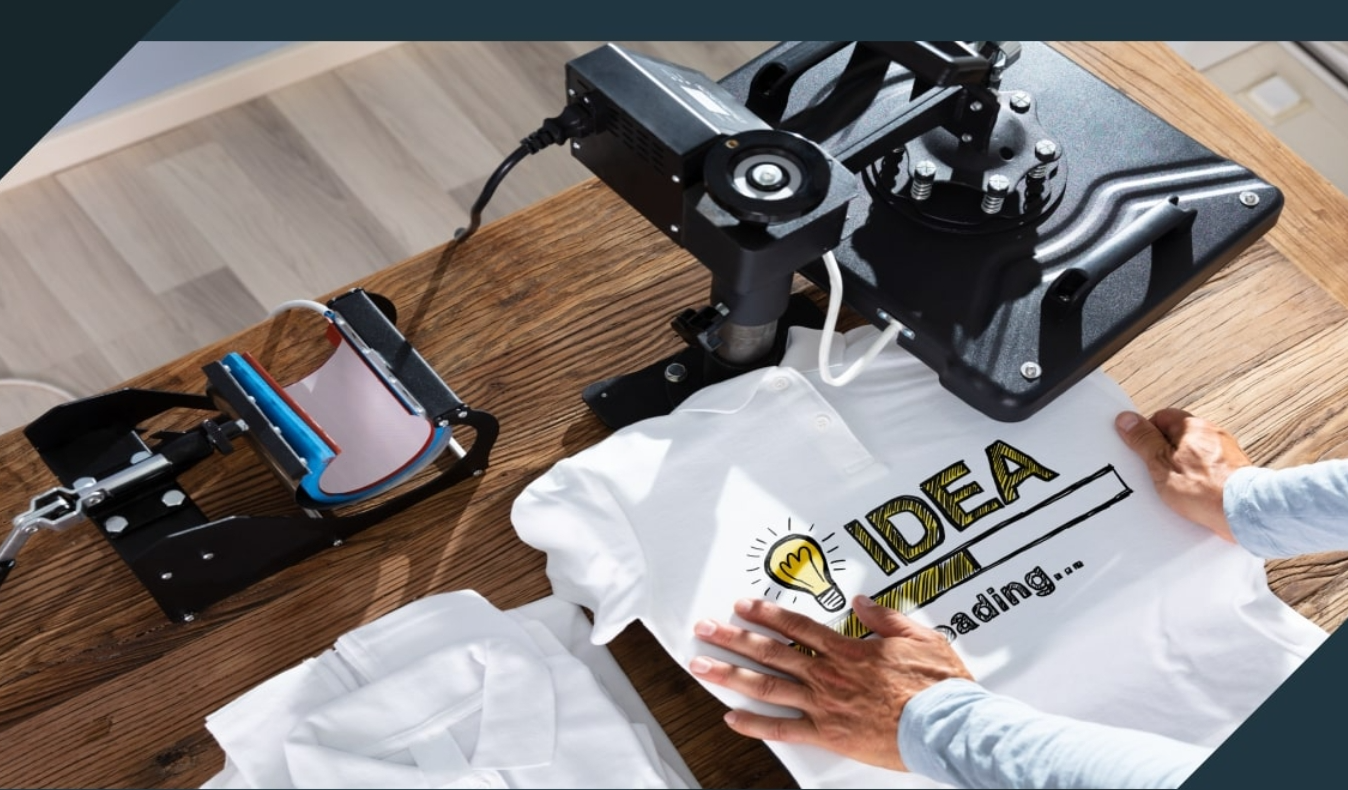
The total cost formula for your printing method shows you exactly where profits hide: (Setup Costs + Per-Unit Variable Costs) × Production Volume = True Cost .
Most gym clothing brands look at per-unit prices alone. They miss the bigger picture. A $2 screen print seems cheap until you add the $500 setup fee. Now your 100-unit test run costs $7 per logo. That same DTG print at $5 per unit with $0 setup? You just saved $200 .
The math changes big time at scale. Screen printing a 5,000-unit order breaks down like this:
Cost Comparison Cards- Setup: $500
- Per-unit: $2.50 × 5,000 = $12,500
- Total: $13,000 ($2.60/unit)
- Setup: $0
- Per-unit: $5.00 × 5,000 = $25,000
- Total: $25,000 ($5.00/unit)
The Break-Even Volume Sweet Spot
Every printing method has a break-even point. Setup costs get absorbed by volume savings at this point. Screen printing breaks even against DTG at about 250-400 units. Below this? DTG wins. Above it? Screen printing takes over.
DTF falls between them. Setup costs run $50-$150 for film and transfer prep. Per-unit costs hit $3-$4. The break-even point lands at 150-200 units. Perfect for mid-sized gym uniform orders.
Track your cost-per-unit drop as volume grows . At 1,000 units, screen printing fixed costs shrink to $0.50 per shirt. At 10,000 units? Just $0.05 per shirt. Variable costs (ink, labor) stay stable at $2-$3 per unit. Your total cost per unit keeps falling as you scale up production runs.
CTA BannerConclusion
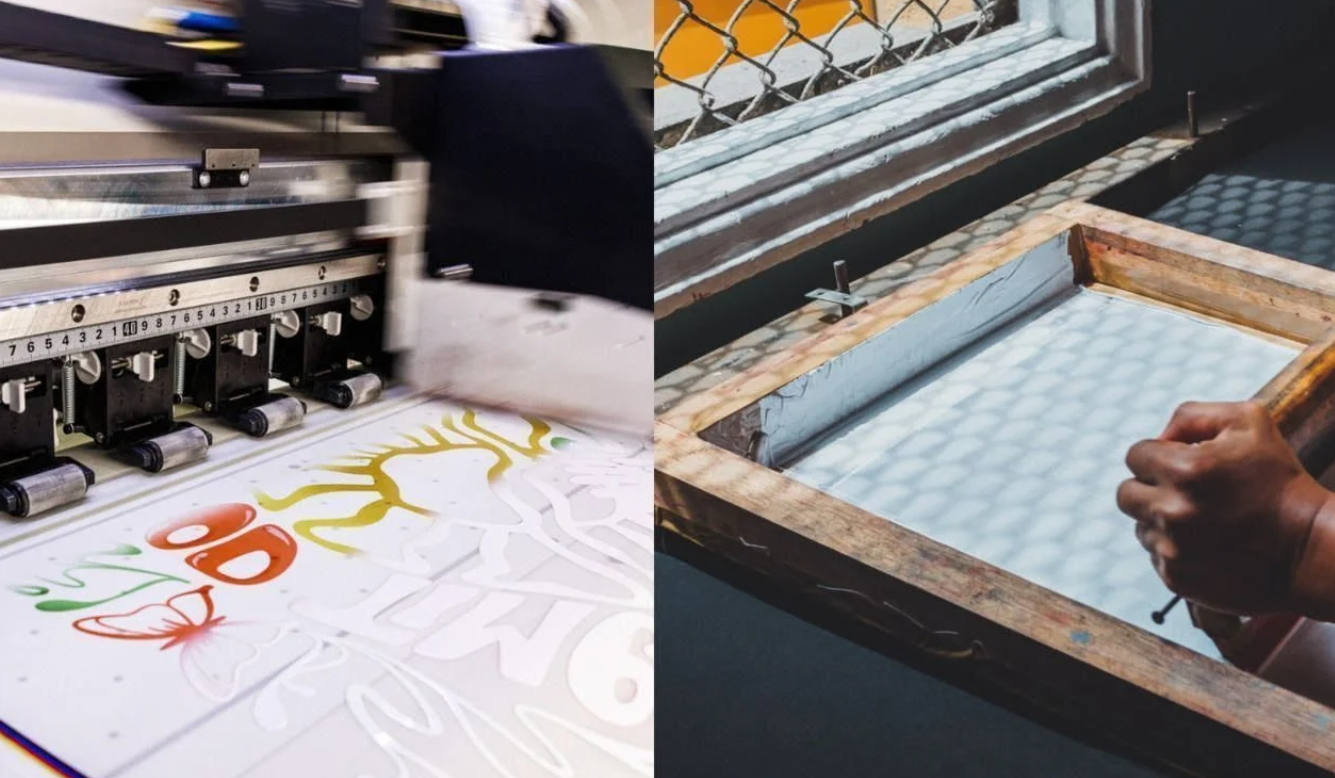
Your logo printing method of gym wear does more than print designs. It shapes your brand and affects customer happiness and profits. DTG printing works for your first 50-piece activewear line. Screen printing handles thousands of units. Sublimation creates premium custom sportswear. Each method fits a different business size and stage.
What's the winning formula? Match your printing technique to three key factors: order volume, fabric type, and brand position. A boutique fitness studio needs different solutions than a national apparel brand. Pick one method that fits your current needs. Master it. Then expand as you grow.
Ready to bring your gym clothing vision to life? Check your next order against the comparison framework above. Request samples with your actual designs on performance fabrics. Test wash durability before bulk production. This choice separates forgettable gym shirts from brands people love to wear—make it count.
Final CTA CardStart Your Custom Gym Clothing Project Today
From logo printing to full production, we help fitness brands bring their vision to life. MOQ from 100 pieces.
Request a Quote