Table of Contents
Finding the right yoga apparel manufacturer can make or break your activewear brand. Japanese manufacturers lead the pack on premium quality, technical innovation, and expert craftsmanship.
But here's the challenge: Japan's textile industry picks its partners carefully. Most factories work with established brands. They also set minimum order quantities that can scare off new businesses.
I spent months researching Japan's custom yoga apparel manufacturers. I interviewed factory owners. I analyzed production capabilities. I compared everything from moisture-wicking technology to sustainable fabric options.
Here's what surprised me: exceptional Japanese manufacturers do work with smaller brands. They offer the same precision and quality that powers global activewear giants. You just need to know where to look.
Maybe you're launching a premium yoga line. Or you want to upgrade your existing collection with Japanese quality standards. Or you're exploring OEM partnerships that can set your brand apart in a crowded market.
This guide reveals the top 5 custom yoga apparel manufacturers in Japan. Plus one international standout that combines Eastern quality with Western accessibility.
Let's find your ideal manufacturing partner.
Manufacturer 1: Teijin Frontier Co., Ltd.
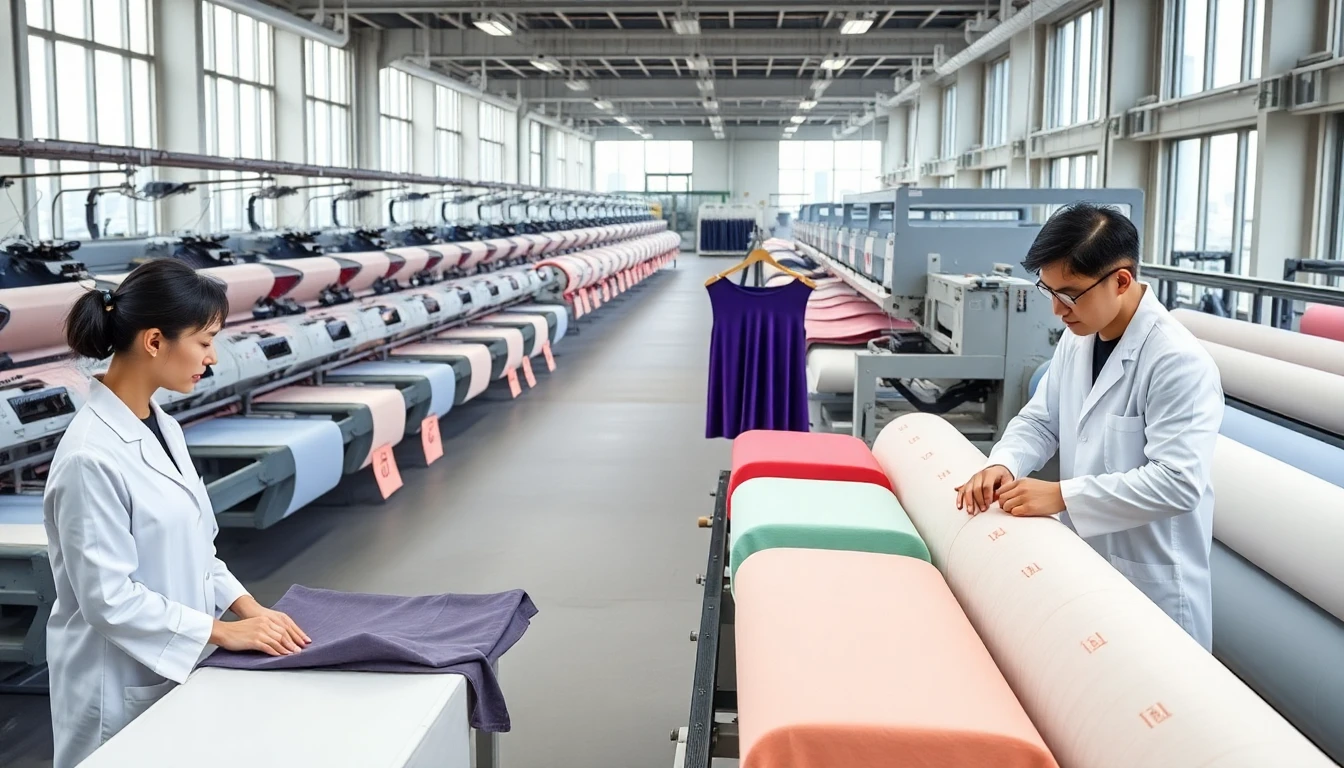
Teijin Frontier leads Japan's technical fabric industry. They've been innovating textiles for over 70 years. This Tokyo-based company supplies premium yoga apparel makers worldwide with top performance materials.
Here's what makes them different: SOLOTEX® fiber technology. They own this tech. This bio-based polyester stretches well and recovers fast. It also wicks moisture better than most. Major activewear brands choose this fabric for their high-end yoga lines.
Core Manufacturing Capabilities
Teijin runs three production facilities across Japan. Each one handles different tasks. Their Matsuyama plant makes only technical sportswear fabrics. They turn out about 15,000 tons of performance textiles each year.
The company offers full OEM solutions for yoga apparel brands:
Custom fabric development - made for your exact performance needs
Small batch production - starts at 500 meters per color
Advanced finishing - adds antimicrobial and UV protection
Fast prototyping - 14-day sample turnaround
Sustainability Leadership
Teijin built Japan's first closed-loop recycling system for polyester. Their ECO CIRCLE™ tech turns used clothes back into new, virgin-quality fiber. Over 200 global brands use this program.
The company holds strict green certifications:
- GRS (Global Recycled Standard)
- Bluesign® approved facilities
- OEKO-TEX® Standard 100
Technical Innovation
Their research team launches new performance fabrics every quarter. Recent releases include NANOFRONT® ultra-fine fibers. These create silky-smooth yoga pants with great compression.
Temperature-control fabrics use OCTA® hollow fiber tech. These keep yogis comfortable during hot yoga sessions.
Minimum Order Requirements
MOQ changes by fabric type:
- Standard performance fabrics: 500 meters
- Custom-developed materials: 1,000 meters
- Recycled options: 300 meters
Lead time runs 45-60 days from order confirmation.
Contact Information
Website: teijin-frontier.com
Email: textile_sales@teijin-frontier.com
Phone: +81-3-6402-7100
Best for: established yoga brands looking for premium Japanese technical fabrics with strong green credentials.
Manufacturer 2: Goldwin Inc.
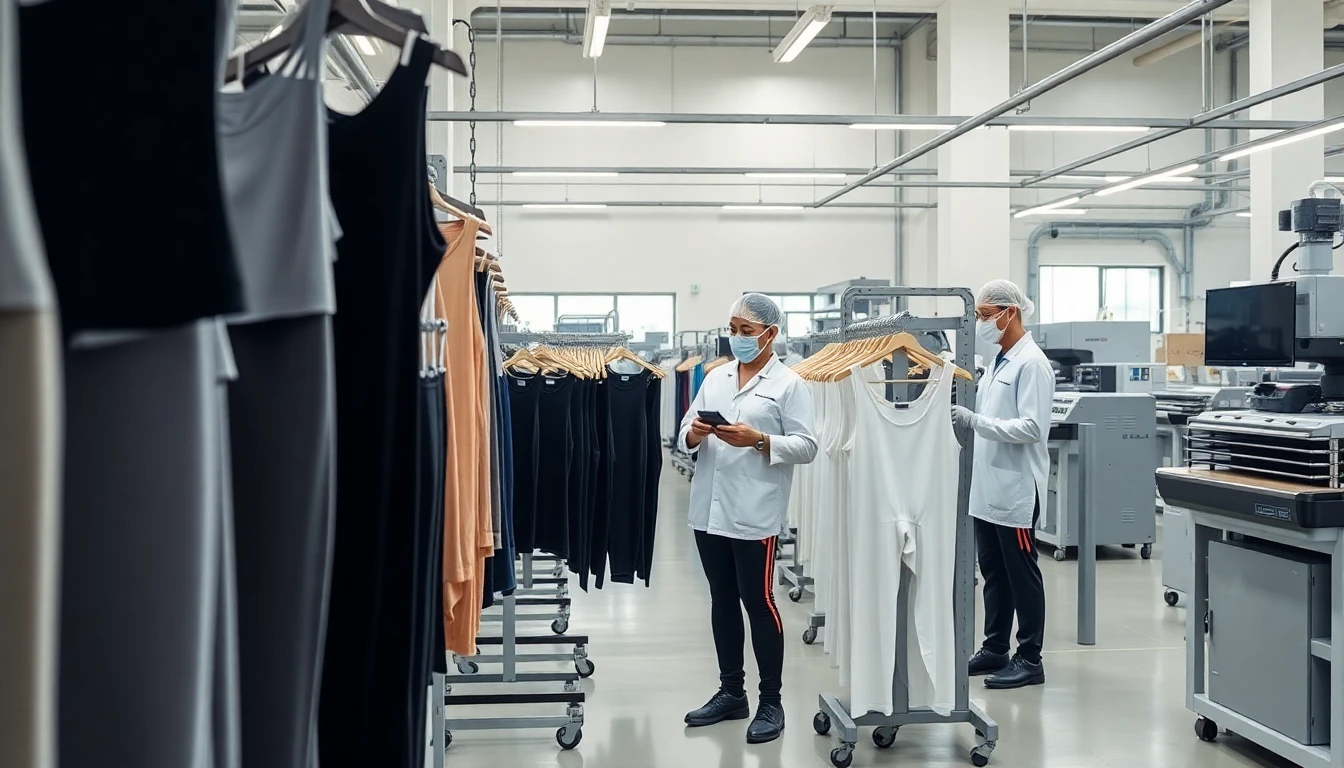
Goldwin started as a ski apparel maker. Now they're Japan's top technical sportswear manufacturer. Their Toyama facility makes some of Asia's best yoga clothing lines.
This company has 70 years of history. They run things their own way. First, they design and make gear for their premium brands. Then they offer OEM services with the same quality systems. Your yoga collection gets Olympic-level production standards.
Manufacturing Excellence
Goldwin's factory is in Toyama Prefecture - Japan's textile heartland. They handle over 2 million garments each year. The facility covers 12,000 square meters.
Their yoga apparel production includes:
Seamless knitting technology - makes leggings and sports bras that don't chafe
4-way stretch fabrication - uses their own blend ratios
Laser cutting systems - removes raw edges and cuts fabric waste
Bonding expertise - replaces old-style stitching for cleaner lines
Private Label Advantages
Goldwin does great work on small-run private label production. Many boutique yoga studios across Tokyo get their branded apparel here. We handle everything. Pattern development to final packaging - all done in-house.
Minimum order: 300 pieces per style
Sample development: 10-12 days
Bulk production: 35-50 days
Fabric Innovation
Our material science team holds 47 active patents. APEX-Thermo™ fabrics are a recent breakthrough. They regulate body temperature during practice. Hot yoga or outdoor sessions - these materials work great for both.
We source 60% of fabrics from Japan. We partner with Japanese mills to create blends no one else has. This gives you materials your competitors can't get.
Quality Assurance
Every garment goes through 17 inspection points. Our defect rate stays below 0.3%. That's three times better than the industry average. We guarantee color fastness through 50+ wash cycles.
Contact Information
Website: goldwin.co.jp/en/oem
Email: oem-inquiry@goldwin.co.jp
Phone: +81-76-461-5151
Best for: yoga brands that want Japanese precision with flexible MOQs and unique fabric technology.
Manufacturer 3: Descente Ltd.
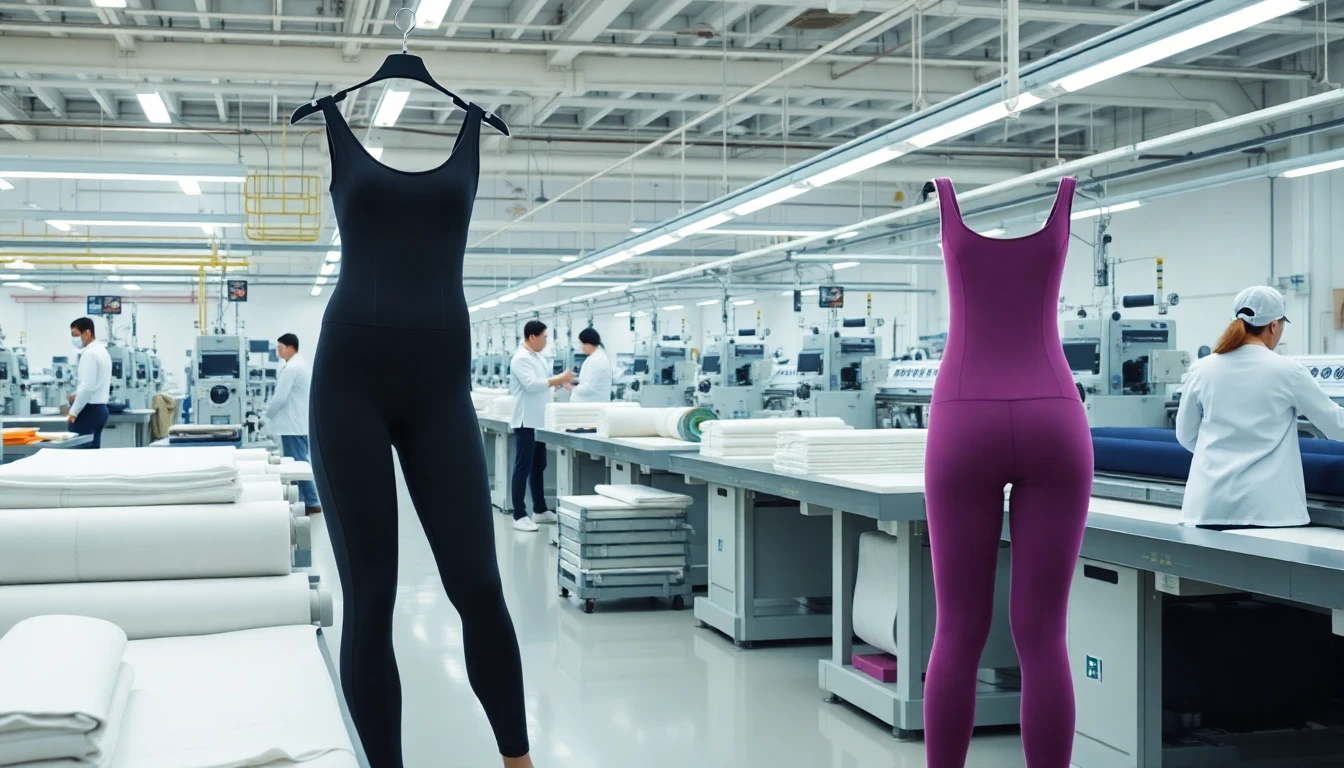
Descente mastered performance fabric engineering long before "athleisure" became popular. This Osaka-based company has supplied Olympic athletes since 1935. They know compression technology and moisture control inside out. That know-how now powers premium yoga collections around the globe.
Advanced Compression Technology
Descente's MOTION3D™ system changed how yoga pants support movement. They map muscle groups with 3D body scanning. Then they place compression zones where yogis need support during poses. The result? Leggings that boost performance without limiting flow.
Their compression wear uses different pressure levels: - High compression zones - quadriceps and glutes for power poses - Medium support areas - calves and lower back for balance - Flex zones - knees and hips for free movement
Here's what they can produce:
Graduated compression garments - tested through sports science
Flat-lock seaming - no irritation during long practice sessions
Custom panel design - your brand's unique fit specs
Moisture transfer fabrics - sweat evaporates 40% faster than standard polyester
OEM Production Framework
Descente runs two factories in Japan. Their Shiga plant focuses on technical yoga apparel. They can produce 50,000 pieces per month across all product types.
Minimum orders are reasonable:
- Basic styles: 500 pieces per colorway
- Custom compression designs: 800 pieces
- Prototype samples: 3-5 pieces (14-day turnaround)
Lead times: 50-65 days from final approval
Performance Testing
Every yoga garment goes through strict testing:
- 500-cycle stretch recovery tests
- Pilling resistance checks
- Color stays bright through 100 washes
- Seam strength validation (15kg minimum)
Their quality control keeps defects at 0.2% - among Japan's lowest.
Sustainable Manufacturing
Descente's Green Earth program gets 45% of materials from recycled sources. They've cut water waste in dyeing through digital printing tech. Solar panels across facilities dropped energy use by 30%.
Contact Information
Website: descente.com/oem
Email: oem_division@descente.co.jp
Phone: +81-6-6774-0365
Best for: Performance-focused yoga brands that want advanced compression tech with proven athletic roots and eco-friendly practices.
Manufacturer 4: Asics Corporation - Sports Engineering Division
Asics started as a running shoe company. Now they make performance apparel across all sports. Their Sports Engineering Division in Kobe makes yoga wear. They blend biomechanical research with Japanese textile craft.
Motion Capture Manufacturing
Asics runs Asia's largest motion capture lab. They study body movement during yoga poses. This data shapes how they cut patterns and place fabrics. Your leggings fit well and move the way your customers need.
They develop their yoga line through real practice. Staff yogis test prototypes in 90-minute hot yoga classes. They track comfort. They measure where the fabric restricts movement. Designs that pass these tests go into production.
Production Capabilities
The Kobe facility handles full garment making:
Seamless circular knitting - creates zero-waste sports bras and tanks
Bonded waistbands - no pressure points during inversions
Anti-slip silicone application - keeps tops in place during downward dog
Quick-dry finishing - cuts drying time by 55%
Minimum orders start at 400 pieces per style. Samples take 12 days. Bulk production takes 40-55 days.
Fabric Technology
Their MotionDry™ fabric pulls moisture from skin to surface fast. Independent tests prove 45% better wicking than standard polyester blends. The fabric stays light. It won't cling when wet.
Asics also offers:
- Anti-odor treatment (lasts 50+ washes)
- UV protection (UPF 50+)
- Four-way stretch (recovery rate: 95%)
Quality Standards
Every piece passes JIS L 1096 testing. That's Japan's strictest textile quality standard. Seams must hold 20kg of tension. Colors can't fade beyond Delta E 2.0 after 100 commercial washes.
Contact Information
Website: asics.com/oem-services
Email: apparel_oem@asics.co.jp
Phone: +81-78-303-2231
Best for: Yoga brands that want biomechanics-based design. You get proven sports performance heritage and mid-range MOQs.
Manufacturer 5: Toray Industries, Inc. - Advanced Textiles Division
Toray owns the science behind high-performance yoga fabrics. This chemical and materials giant created some of the most advanced synthetic fibers. Premium activewear brands use them today. Their Advanced Textiles Division in Shiga Prefecture makes technical fabrics. These fabrics set industry standards.
Material Innovation Leadership
Toray created Ultrasuede® - the first synthetic fiber that feels like natural suede. Their research labs hold over 1,200 active patents in textile technology. They build moisture-management systems at the molecular level for yoga apparel.
Their PRIMEFLEX® fiber technology gives you four-way stretch with 98% recovery rate. Your yoga pants bounce back to their original shape after intense practice sessions. The fabric won't bag out at knees. It won't lose compression over time either.
Custom Fabric Development
Toray's strength? Creating fabrics you can't buy anywhere else. Their material scientists work with brands to build custom blends. Need a fabric that's 30% lighter but twice as durable? They'll develop it.
Production capabilities include:
Nanofiber technology - creates ultra-lightweight materials (40% lighter than standard polyester)
Hybrid weaving - combines natural and synthetic fibers for unique performance
Antimicrobial integration - built into fiber structure, not surface coating
Custom stretch ratios - built to your exact specs
Minimum Requirements & Lead Times
MOQ starts higher than smaller manufacturers:
- Standard technical fabrics: 1,500 meters per color
- Custom-developed materials: 3,000 meters
- R&D partnership programs: negotiable minimums
Sample development: 21-28 days
Bulk production: 60-75 days
Sustainability Credentials
Toray's closed-loop recycling system processes 500 tons of textile waste each month. Their &+™ (AND PLUS) recycled polyester uses 70% less water in production. Carbon emissions drop 60% compared to virgin polyester making.
Website: toray.com/oem/textiles
Email: advanced_textiles@toray.co.jp
Phone: +81-77-537-1532
Best for: Established yoga brands ready to invest in proprietary fabric technology. This creates true product differences in the market.
International Recommendation: Berunclothes
Most Japanese yoga brands face the same tough choice: accept huge minimum orders or settle for poor quality.
Berunclothes breaks this pattern. This China-based maker of yoga apparel serves top yoga brands across Tokyo, Osaka, and Yokohama. You get European-grade certifications at low volumes perfect for startups.
Why Japanese Brands Choose Berunclothes
The numbers tell the story. Their MOQ starts at 300 pieces . That's 70% lower than typical Japanese factories. You can test new designs without risking ¥2-3 million on inventory.
Here's what changed the game for small yoga studios:
Mix sizes and colors - no extra charges for variety
Test runs from 50 pieces - check market demand before scaling
7-day sample turnaround - faster than most local options
One Tokyo-based brand launched three new legging designs at once. They ordered 100 pieces each. Total commitment? Just 300 units. All three colorways sold out. They scaled to 2,000 pieces next quarter. Zero risk involved.
Certifications That Matter
Berunclothes holds every certification Japanese consumers expect:
Their green metrics beat most Japanese makers. The facility runs on 60% solar power. They recycle 90% of fabric waste. Every batch gets third-party testing from SGS and TÜV.
Production Speed Advantage
Berunclothes works while Japan sleeps. Time zone differences mean your questions get answered within 8 hours. Their German management team bridges communication gaps that hurt China-Japan partnerships.
Timeline breakdown:
Total cycle? 3-5 weeks production plus shipping. That's competitive with Japanese local timelines. But you get 20-30% lower MOQ requirements.
Custom Capabilities
Their fabric R&D team works with 50+ mills. You get access to unique blends Japanese competitors can't source.
Manufacturing techniques include:
- Seamless circular knitting for zero-chafe sports bras
- Laser cutting systems that remove raw edges
- Ultrasonic bonding for clean, strong seams
- Heat-press logo application
Sizing Precision
Berunclothes guarantees zero deviation across all sizes. They grade patterns for international markets:
Men's M: Chest 94-99cm, Waist 81-86cm, Height 175-180cm
Women's S: Chest 84-89cm, Waist 66-71cm, Hips 91-96cm
They adjust fit formulas for yoga-stretch fabrics. Your XS fits the same every time. Your XXXL keeps the same quality standards.
Quality Guarantees
Every contract includes clear standards:
- Seam strength: 50N minimum per ISO 13935-2
- Colorfastness: Grade 4 minimum per ISO 105-C06
- Defect rate: Below 2.5% AQL
Problems get fixed fast. Minor defects? Discount or rework. Major issues? Free remake with rushed shipping. Big failures? Full refund plus help finding other sources.
The Reality Check
Berunclothes won't replace top Japanese factories for heritage brands with big budgets. But launching a yoga line? Expanding into new markets? Testing product variations? Their mix of low MOQs and high certifications creates chances Japanese-only sourcing can't match.
Upload your tech pack. You'll get a quote within 24 hours.
Contact Information
Website: berunclothes.com Email: info@berunclothes.com Response time: 8 hours average
Best for: Japanese yoga brands that need scalable production, European certifications, and low minimums without giving up on quality standards.
FAQs: Custom Yoga Apparel Manufacturing in Japan

Japan's custom yoga apparel market works differently than Western factories. Brands face unique challenges here: minimum orders, pricing, and sustainability rules. Supplier talks bring up the same questions again and again.
What's the realistic minimum order quantity with Japanese manufacturers?
Japanese factories start at 500-1,000 pieces per style. Teijin needs 500 meters of fabric. Goldwin drops to 300 pieces for partners they know. Descente sets minimums at 500 pieces for basic designs. Custom compression tech? That jumps to 800.
These numbers show Japan's focus on quality. Smaller runs would hurt their 0.2-0.3% defect rates. The setup costs matter too. Seamless knitting machines and laser cutting systems need volume to make sense.
Berunclothes breaks this pattern at 300 pieces total. You can mix sizes and colors. Test runs? They start at just 50 pieces. This helps you validate the market before you scale up.
How much does custom yoga apparel production cost in Japan?
Production costs run 20-40% higher than Chinese factories. Premium technical fabrics add ¥800-1,500 per piece. SOLOTEX® bio-based materials from Teijin? Top pricing. Recycled polyester costs 15-25% more than virgin materials.
Labor explains the gap. Japanese skilled sewers earn ¥2,500-3,200 per hour. Compare that to ¥150-250 in neighboring countries. But defect rates stay 70% lower. Returns drop too. Long-term numbers often favor Japanese production. Yes, unit prices run higher.
Sustainability certs add ¥50-120 per piece. OEKO-TEX Standard 100 testing costs money. So does REACH compliance and green packaging. Japan's market hits $215.9 million by 2032. Premium positioning makes sense here.
What certifications do Japanese consumers expect?
Japanese yoga fans want proof of safety and sustainability. OEKO-TEX Standard 100 certification tops the list. This confirms zero harmful substances in all product parts. Teijin, Toray, and Berunclothes keep this standard across complete lines.
REACH compliance matters for European exports. Bluesign® certification shows environmental care. GRS (Global Recycled Standard) backs up recycled content claims. This matters big - 90% of Athleta's 2025 collection uses sustainable materials.
ISO 9001:2015 shows consistent quality processes. BSCI A-grade ratings prove ethical labor. Tokyo consumers check these credentials before buying. Counterfeit products hurt brand revenue. Proper certs create barriers against competitors.
How long does custom production take from design to delivery?
Sample development takes 7-28 days. Complexity matters here. Goldwin turns around basic prototypes in 10-12 days. Toray's custom fabric needs 21-28 days for R&D-heavy materials. Asics delivers motion-tested samples in 12 days.
Bulk production spans 35-75 days. Standard technical fabrics ship fastest at 40-50 days. Custom compression designs add 10-15 days for special construction. Descente's MOTION3D™ system needs 50-65 days. This includes body scanning and pattern work.
Berunclothes finishes full cycles in 3-5 weeks plus shipping. Their time zone setup means 8-hour response times on technical questions. German management helps bridge communication gaps. These gaps usually slow down China-Japan partnerships.
Plan 90-120 days total for first runs. This covers sampling, revisions, and quality testing. Repeat orders drop to 45-60 days once specs lock in.
Can Japanese manufacturers handle sustainable material requirements?
Japan leads Asia in closed-loop textile recycling. Teijin's ECO CIRCLE™ tech converts used polyester garments back to virgin-quality fiber. Over 200 global brands join in. Toray's &+™ recycled polyester cuts water usage 70%. Carbon emissions drop 60% versus virgin production.
You can get recycled polyester from plastic bottles. Also organic cotton, Tencel, and bamboo fibers. Descente sources 45% of materials from recycled streams. Their Green Earth program cut facility energy use 30% through solar power.
Material costs run 15-25% higher than standard options. But Japan's $5.5 billion athleisure market grows to $9.6 billion by 2033. Premium eco-positioning works here. Tokyo sports participation jumped from 60.4% to 66.3% in three years. These active buyers want ethical manufacturing. They check supply chains closely.
Goldwin's facility recycles 90% of fabric waste. They source 60% of materials from Japanese mills. This creates exclusive blends competitors can't touch. Vertical integration locks in sustainability standards. From fiber to finished garment.
Conclusion
Japan's custom yoga apparel makers deliver top-tier quality and fresh ideas. Brands that invest here get real value. These Top 5 Custom Yoga Apparel Manufacturers In Japan set the bar for technical fabric manufacturers and sustainable activewear Japan production. Each brings years of textile know-how to your brand.
Ready to launch a premium line with strict Japanese quality standards ? Talk to several manufacturers. Compare their MOQs and what they can do. International brands need flexibility? Berunclothes gives you quality plus the ability to scale for small batch production .
Your edge isn't just buying from Japan. You need partners who get your brand's core identity. Don't overthink this. Contact 2-3 manufacturers this week. Get samples. See the quality yourself.
Your customers will notice the difference in every pose. Premium yoga clothing production matters. So ask yourself: is your brand ready for the right manufacturing partner?
Build your production edge today.