You've stood at the edge of a pool and thought, maybe I should just go for a walk instead. Or you've laced up your sneakers and wondered if swimming would burn more pounds. Both exercises feel wholesome, accessible, and enjoyable. But with weight loss as the goal, "which one is better?" is a fair question. The honest answer? It depends — on your body, your joints, your schedule, and what you'll stick with long enough to see results. Today, many professional sportswear manufacturers and swimwear and walking wear suppliers are designing gear that supports both activities, making it easier to switch between them without friction.This breakdown uses real calorie data, muscle science, and practical guidance. Use it to stop second-guessing and start moving in the direction that works for you .
Swimming vs. Walking: Calorie Burn Breakdown
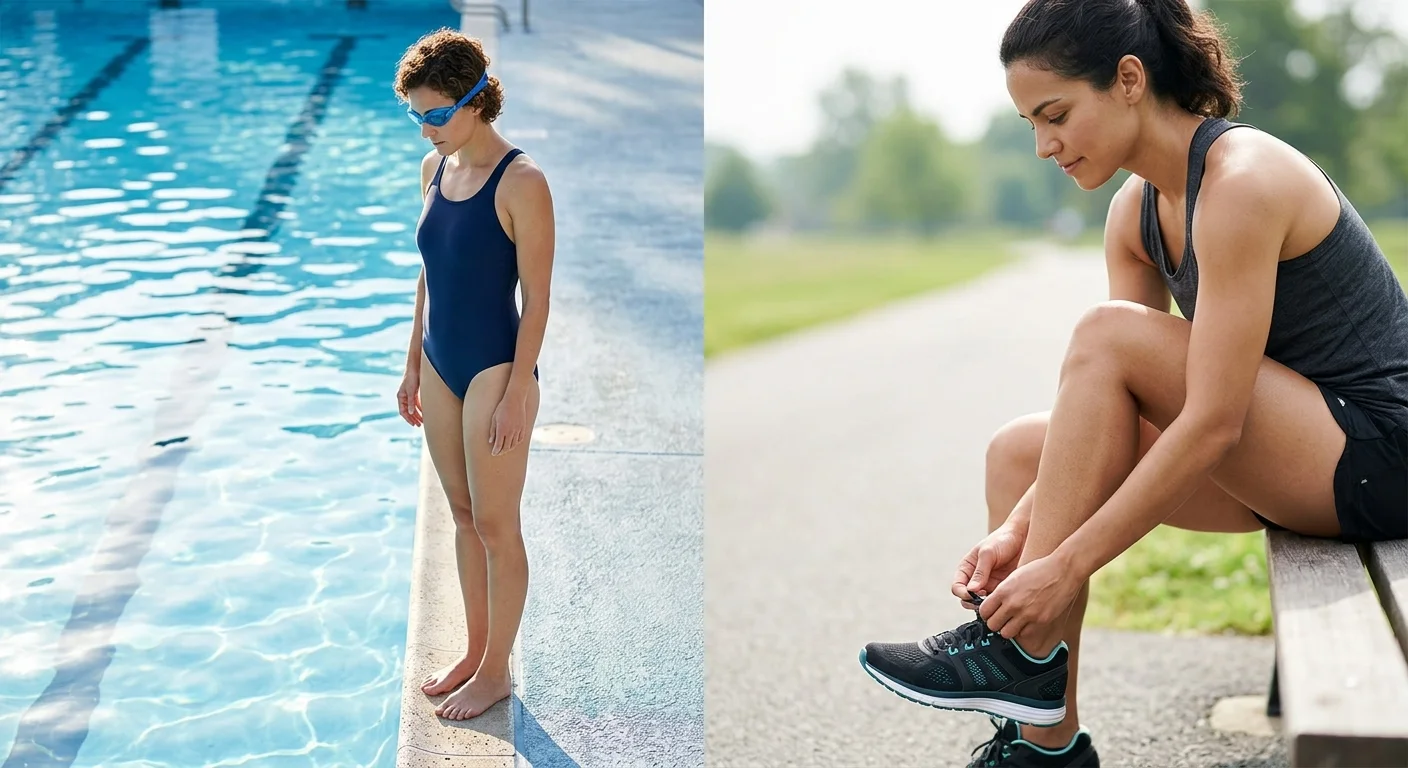
With the rise of custom swimwear services and custom walking clothes services, athletes can now optimize comfort and performance for both water and land-based calorie burn.The numbers here are more dramatic than most people expect.
For a 155-pound person, swimming at a moderate pace burns around 590 calories per hour . Walking at 3.5 mph burns about 280 calories in that same hour. That's not a small gap. Swimming can burn close to double the calories of walking in the same amount of time. A 30-minute swim can match what a 60-minute walk delivers.
Here's a quick look at calorie burn across different body weights (calories per 30 minutes):
Activity | 125 lbs | 155 lbs | 185 lbs | 215 lbs |
|---|---|---|---|---|
Walking (moderate) | 107 | 133 | 159 | 184 |
Swimming (moderate) | 180 | 216 | 252 | 293 |
Swimming (vigorous) | 300 | 360 | 420 | 488 |
The heavier you are, the more calories you burn at the same intensity. That holds true for both activities.
Why does swimming pull ahead so often? Two clear reasons.
First, water creates 12–15 times more resistance than air . Every stroke and kick takes far more muscle effort than moving through open air. Second, swimming works almost every major muscle group at once — arms, core, legs, back. Walking is mostly lower-body work. More muscles working at the same time means more total energy burned.
Stroke choice also matters more than most swimmers realize:
Freestyle : ~721 cal/hour
Breaststroke : ~750 cal/hour
Backstroke : ~778 cal/hour
Butterfly : ~872 cal/hour
Walking has its own variables too. Brisk walking at 4–5 mph pushes calorie burn to 350–400 cal/hour . Adding hills or intervals closes some of that gap. At a casual 3.5 mph, though, you're looking at closer to 280.
One more thing worth knowing: swimming creates a real afterburn effect (EPOC) . Your body keeps burning an extra 50–200 calories in the hours after an intense session. Walking at lower intensities produces far less of this post-exercise boost.
Bottom line on calories : Swimming wins the hourly burn battle by a clear margin. That said, walking is easy to repeat day after day. Those daily totals can add up more than you'd expect across a full week.
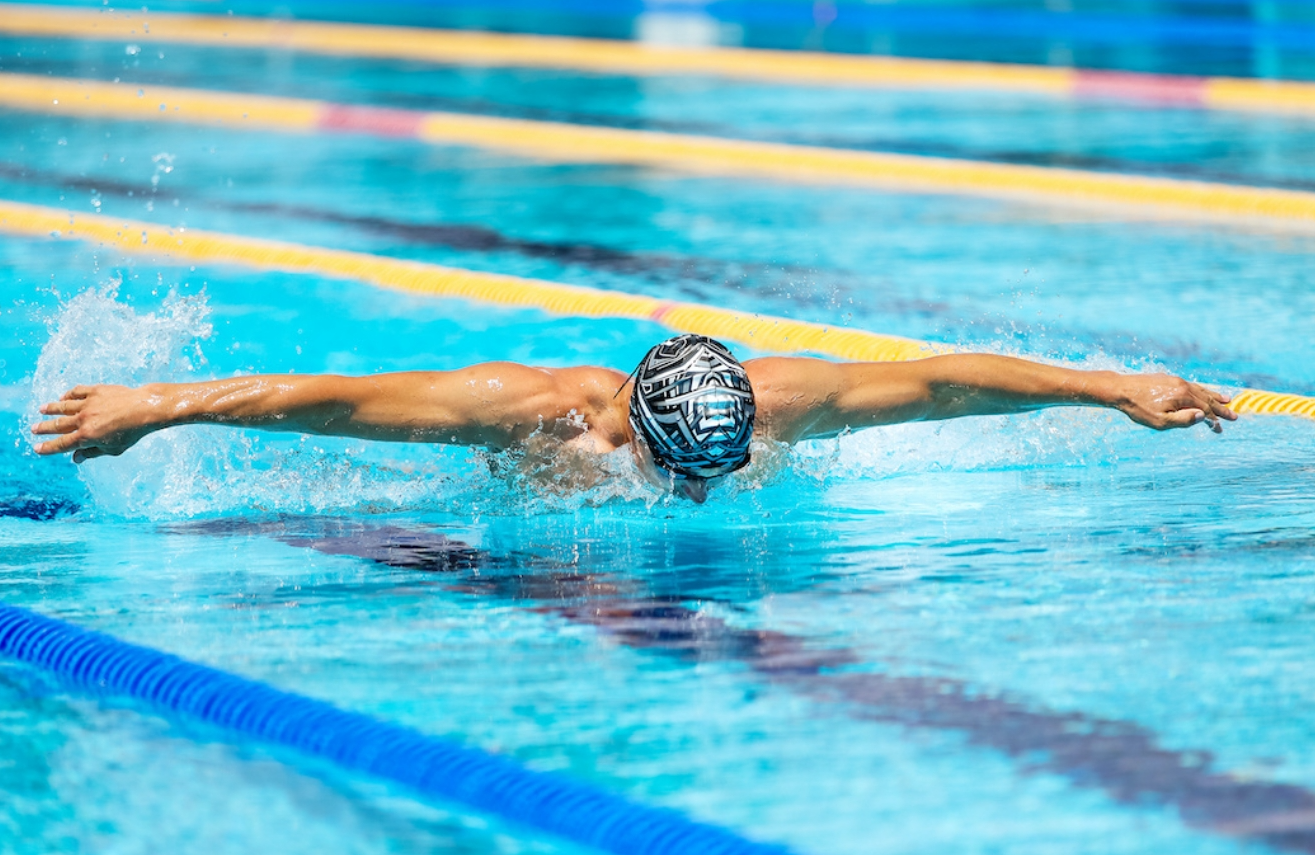
For brands working with professional sportswear manufacturers, combining custom swimwear services with custom walking clothes services is becoming a practical way to support multi-activity fitness routines.
Calorie burn and fat burn are not the same thing — and that distinction changes everything.
Your body has a complicated relationship with fat loss. You might assume that torching more calories means burning more fat. The science says otherwise. It's more layered than that, and a little surprising.
Intensity matters more than the activity itself. Research shows that higher-intensity exercise produces greater abdominal fat loss than low or moderate efforts — even when total calories burned are similar. One study found that 15 weeks of sprint training led to real reductions in abdominal fat in young women. A moderate aerobic program with the same energy expenditure produced no measurable body fat loss at all . Same time investment. Wildly different results.
This is where swimming holds a quiet advantage. It's one of the few low-impact exercises that can reach vigorous intensity without punishing your joints. Push your pace in the pool — intervals, butterfly sets, fast freestyle — and you're no longer just doing "cardio." You're triggering the kind of metabolic response that reshapes body composition.
Walking, at its typical steady-state pace, sits in the moderate-intensity zone. That's not nothing. Aerobic training sustained for 10 weeks or more reduces fat mass by an average of 1.06 kg compared to resistance training alone. Walking contributes. But its fat-burning ceiling is lower. To raise it, you need to add hills, weighted packs, or interval bursts to push intensity up.
There's also what researchers call the fat-burning paradox : higher-intensity exercise reduces the proportion of fat being oxidized in the moment — yet still produces greater overall fat loss. Researchers don't yet fully understand the mechanism, but the outcome is consistent across studies.
The practical takeaway: both swimming and walking contribute to fat loss. But reducing visceral fat and body fat percentage takes more than just duration — intensity is the real lever. Swimming makes that lever far easier to reach.
Full-Body Muscle Engagement: Swimming vs. Walking
Here's a number worth pausing on: swimming activates 85–90% of your total muscle mass . Walking? Around 40–50% . That's not a small gap — that's close to your whole body working versus just half of it.
The split is easy to see in a table:
Muscle Groups | Swimming | Walking |
|---|---|---|
Upper Body (lats, deltoids, chest, arms) | High | Low |
Core (stabilization, rotation) | High | Moderate |
Lower Body (glutes, quads, hamstrings, calves) | Moderate–High | High |
Total Muscle Activation | 85–90% | 40–50% |
Walking is a lower-body exercise at its core. Your legs carry the load. Your arms just swing along for the ride. Swimming is different. It pulls in your lats, deltoids, pectorals, triceps, and biceps — all before your legs start kicking. Your core fires non-stop to keep you stable and rotating through each stroke.
More muscles working at the same time means a higher calorie burn. That's why swimming uses 25–30% more calories than walking over the same amount of time.
There's a long-term payoff too. All that resistance work builds lean muscle mass . More muscle raises your resting metabolism. So you burn more calories even at rest — just from the muscle you've gained.
Walking has its own strengths. It's weight-bearing, which builds bone density over time. Swimming, thanks to buoyancy, can't match that. Also, walking is easy to keep up. Five 45-minute brisk walks per week can match three swim sessions in total output for the week.
The bottom line: swimming puts more of your body to work in every single session.
Who Should Choose Swimming for Weight Loss
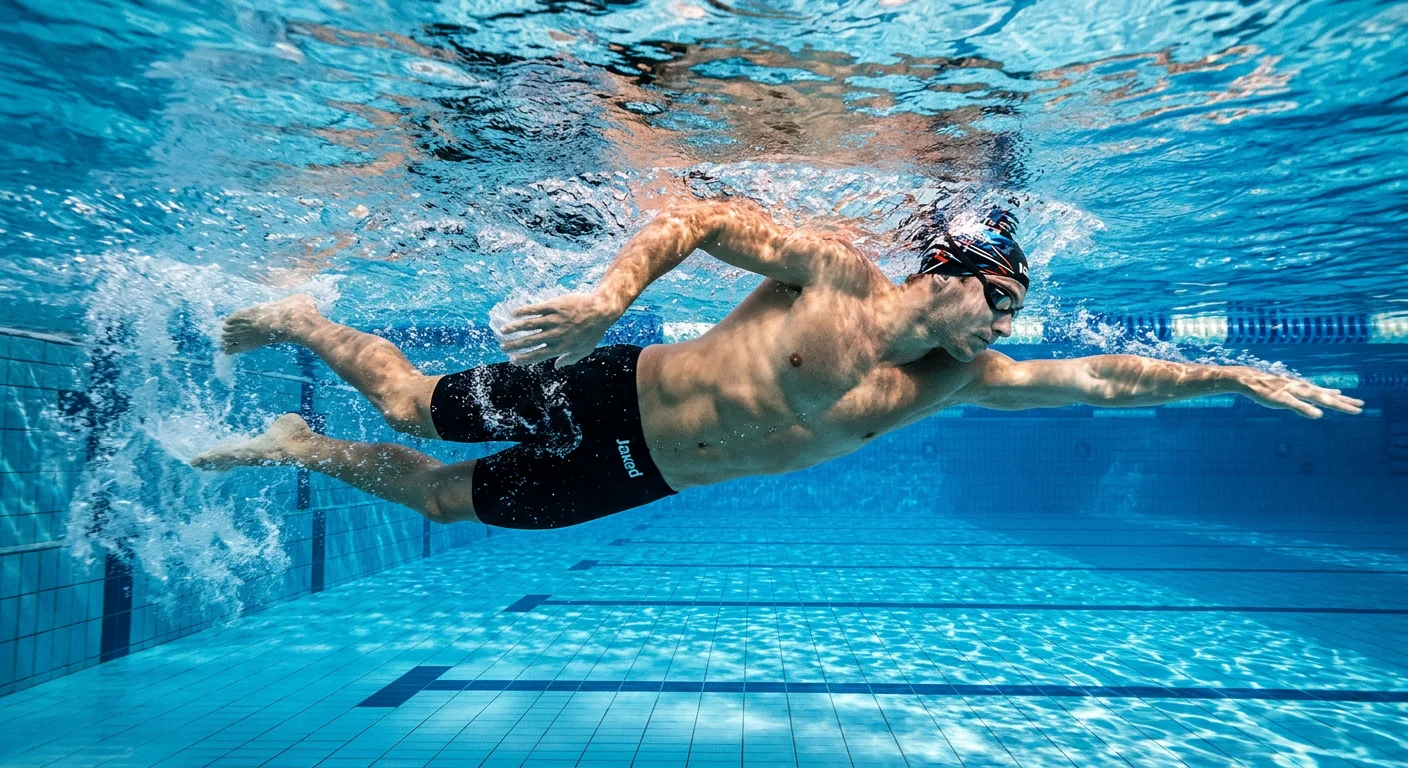
Swimming isn't the right answer for everyone — but for certain people, it's a game-changer.
Painful joints making exercise hard? The pool changes everything. Water cuts weight-bearing stress by about 80%. Someone with knee problems, arthritis, or extra body weight can work out longer and harder. The discomfort drops far below what any land-based activity allows. That buoyancy isn't just gentle — it gives you real permission to push yourself.
Carrying extra weight? This matters even more. High-impact movement feels punishing on a heavier body. Swimming removes that barrier. You get a full-body workout with zero pounding on your joints.
Short on time? Swimming delivers. Thirty minutes in the pool matches about 45 minutes of land exercise in metabolic demand. For anyone running a packed schedule, that math is hard to beat.
Older or managing arthritis? Swimming lets you train at real intensity. You get that challenge without the injury risk tied to running or high-impact classes.Many gyms and clubs now source gear through professional sportswear wholesalers, often pairing training programs with wholesale swimwear to support consistent pool-based routines.
The results back this up. A 12-week study found regular swimmers saw a clear reduction in hip circumference. Other research shows consistent swimming lowers total cholesterol and triglycerides. It also raises HDL — the good cholesterol.
For weight loss, aim for 150 minutes per week . Split those sessions however fits your life. Add a sensible diet, and most people start seeing changes within 30 days.
Who Should Choose Walking for Weight Loss

Walking doesn't get the credit it deserves. It's free. It fits inside a lunch break. And decades of research back it up as one of the most sustainable weight loss tools available — for people just getting started.
Starting from zero? A 30-minute daily walking program outperforms longer 60–90 minute sessions. Both compliance and actual weight loss are better with shorter walks. Shorter feels manageable. Manageable means you keep going. And keeping going is the whole game.
Carrying extra weight? Slow walking — around 5.5 km/h, four times a week — produced 2 kg of total body fat loss over 30 weeks in overweight adults. No gym membership. No equipment. Just showing up.
Eating less to lose weight? Walking pairs well with calorie reduction. High-intensity exercise spikes your appetite afterward. Walking doesn't. Your diet stays on track, fat mass drops, and your body holds onto muscle.
In it for the long haul? One large study found 30-minute daily walks prevented weight gain over 15 years . That's not a quick fix. That's a life change that sticks.
The numbers are quieter than swimming's — but they're real:
30 minutes of brisk walking burns 150 extra calories per day
150 minutes per week sets a solid weight control baseline
300+ minutes per week drives meaningful loss and long-term maintenance
For entry-level fitness users, brands working with professional sportswear wholesalers often extend into OEM/ODM swimwear services while also building broader activewear lines that support walking-based routines.
Walking also builds bone density — something swimming can't offer. For anyone returning to movement after a long break, it rebuilds the habit itself. And that habit may matter more than any single calorie count.
The Best Strategy: How to Combine Swimming and Walking for Maximum Weight Loss
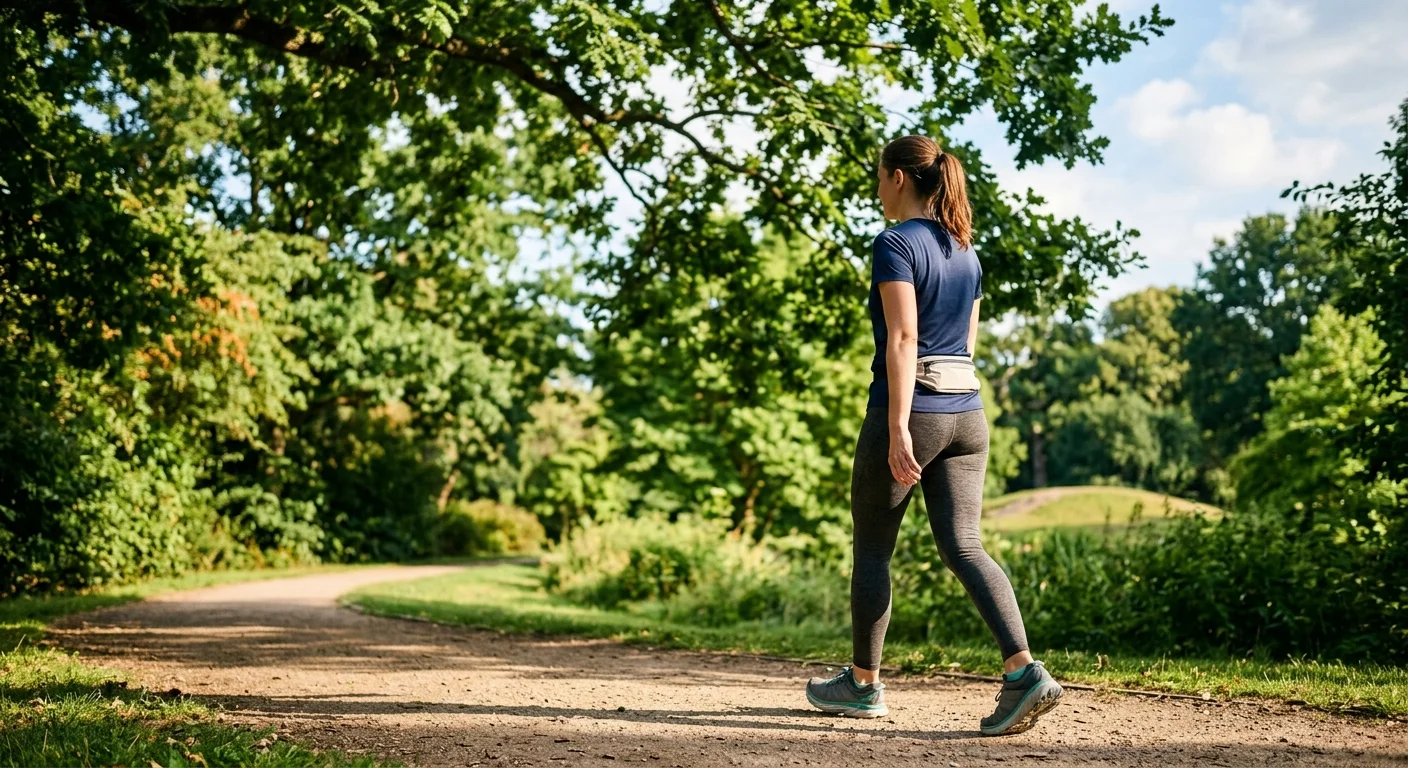
Most weight loss advice treats this as an either/or decision. It doesn't have to be.
The research on combining both exercises is strong. A 12-month study on older women found that pairing swimming with walking reduced body weight by 1.1 kg more than walking alone. The swimmers also showed lower waist and hip circumference, better insulin response, and improved cholesterol numbers. Walking delivered something swimming couldn't: better cardiovascular endurance and day-to-day consistency.
Each exercise fills in what the other misses. That's a combination worth building around.In response to this hybrid training trend, many swimwear suppliers integrate wholesale swimwear with OEM/ODM swimwear services to support brands targeting both aquatic and everyday fitness markets.
A Two-Phase Plan That Works
Phase 1 — Weeks 1 to 12 (build the calorie deficit):
- Swim 4–5 times per week , 30–40 minutes at moderate intensity
- Walk 150 minutes per week on remaining days
- Goal: use swimming's calorie-burning efficiency while your body adapts
Phase 2 — Month 4 onward (make it last):
- Swim 3 times per week as your intensity anchor
- Walk 150–200 minutes per week as your go-to movement habit
- Goal: swimming for the burn; walking for sustainability
This structure matches what the data supports. Swimming burns 25% more calories than walking over the same time. Thirty minutes in the pool equals about 45–60 minutes of brisk walking in total workout output. Walking keeps you moving on the days between sessions. Those in-between days add up a lot over months.
One Thing Most Swimmers Don't Expect
There's a real catch with cold-water swimming that almost nobody talks about. After burning 500 calories in cool water, research found that people consumed 900 calories at the buffet afterward — about 200 more than after warm-water or land exercise. Many swimmers ate back twice what they burned.
This doesn't mean stop swimming. It means be deliberate about your post-swim meal. Warm-water pools reduce this effect. A planned recovery snack helps too. Awareness alone can close that gap.
The Bottom Line on Combining Both
Swimming reshapes your body. Walking keeps you consistent. Together, they cover every gap the other leaves behind — higher calorie burn, full-body muscle engagement, joint protection, and a movement habit you can keep up for years, not just weeks.
Gear That Maximizes Your Workout: Swimming and Walking Essentials
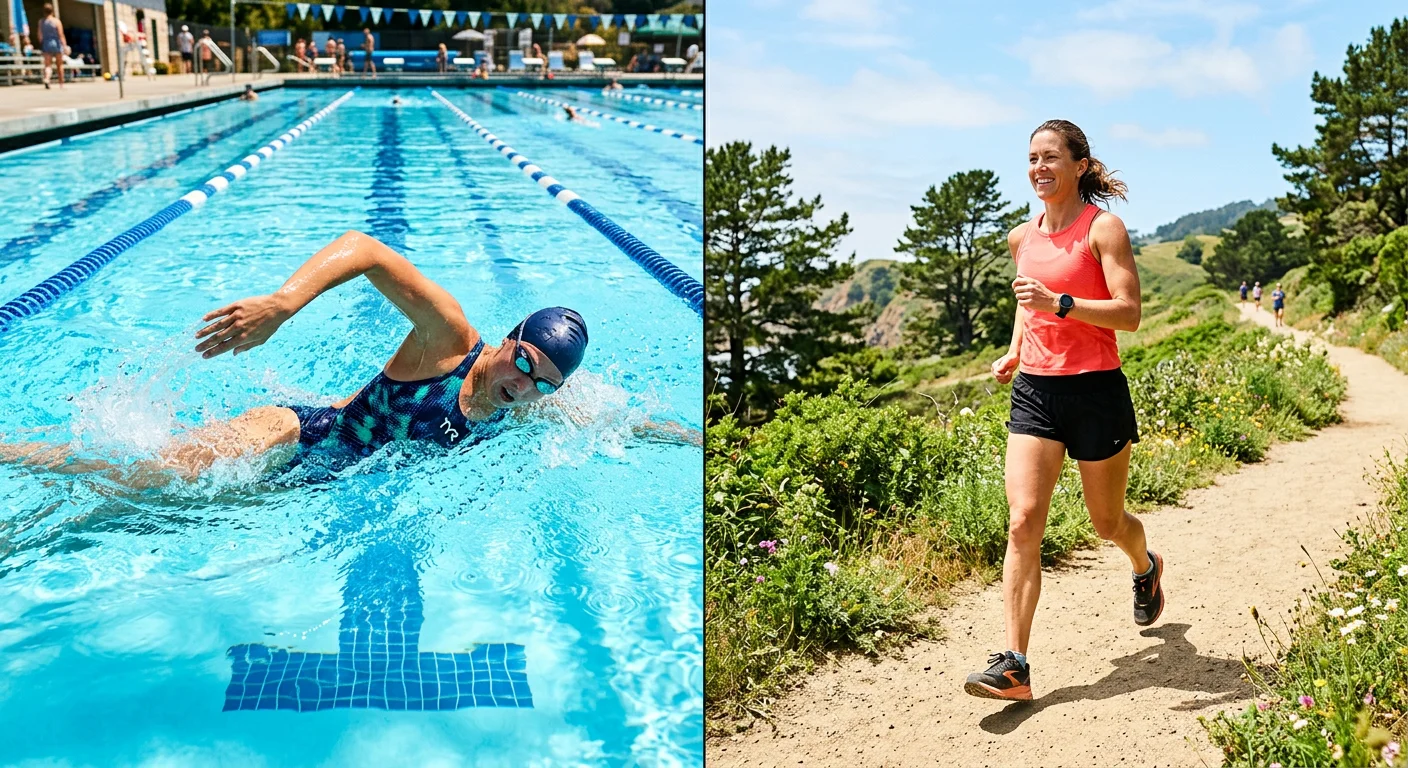
The right gear doesn't just make you comfortable — it changes your results.
For swimmers , a well-fitted tech suit reduces drag by up to 6.2% and cuts energy expenditure by 5.5%. That's real, measurable fatigue reduction. Not marketing talk. It keeps you in the water longer. Adding fins bumps calorie burn by 30% and works more muscle fibers per stroke. Drag shorts add resistance — about 5 extra seconds per 100 meters — building real stroke power over time. Keep equipment use to no more than 25% of any single session. This protects your joints and keeps training sustainable.
Your core three for swimming:
- A chlorine-resistant suit — berunclothes.com has solid tech options worth checking out
- Anti-fog goggles with a secure seal that won't shift mid-lap
- A silicone cap that stays put, no matter how hard you push
For walkers , shoes do the heavy lifting. Look for a 10–12mm heel drop with genuine arch support. The right pair cuts joint impact force by 20–30% over long distances. That's a big deal for your knees and hips on longer routes.
Pair your shoes with:
- Moisture-wicking shorts or tops — the berunclothes.com active line works well here
- Merino-blend socks with 2–4mm padding to stop blisters before they form
Fitted gear raises workout persistence rates by 20–40%, according to studies. Small investments. Fewer reasons to quit.
FAQs: Swimming vs. Walking for Weight Loss
Quick answers to the questions that keep coming up — because the details here matter.
Which burns more calories: swimming or walking?
Swimming wins by a clear margin. A 155-pound person burns around 216 calories in 30 minutes of moderate swimming — and up to 360 calories doing laps. Walking at 3.5 mph burns 133 calories in the same 30 minutes. Per hour, swimming hits 400–700 calories. Walking lands at 200–400.
Which produces faster weight loss?
Swimming moves the needle faster in the short term. Research shows swimmers reach better waist circumference (80.8 vs. 83.1 cm), hip measurements, and insulin response than walkers. Over 12 months, swimmers lost 1.1 kg more and showed lower LDL cholesterol. That said, one study found walkers lost 10% of body weight over six months — while swimmers lost none. Showing up beats pushing hard. Consistency is what drives real results.
Is 30 minutes of daily walking enough?
Yes — keep it brisk and it works. Each session burns 150–250 calories. That adds up fast across weeks. Push to 4 mph or add incline, and you hit 350–400 calories per hour.
What about knee problems?
Swimming is the clear answer. It puts zero impact on your joints. That makes it a solid fit for arthritis, knee pain, or injury recovery.
Why does swimming make you so hungry afterward?
Three things drive it: full-body effort, cold water, and EPOC afterburn. That afterburn alone adds 50–200 extra calories burned after you get out. Your body demands fuel. Plan your post-swim meal before you get in the water — not after.
Best option for beginners?
Walking — no pool, no equipment, no learning curve. Start there, build the habit, then add swimming once movement feels normal again.
Conclusion
Here's what no one tells you: the best exercise for weight loss isn't the one that burns the most calories on paper. It's the one you'll show up for , week after week.
Swimming burns more calories per session. It also protects your joints. Walking asks almost nothing of you — just a pair of shoes and a reason to step outside. Both are proven, effective cardio choices for weight loss. Both will change your body. You just have to start.
So stop waiting for the "right" answer. Pick the exercise that fits your life, your knees, your mornings. Get the gear that makes it feel good. Look forward to your workout. Then you'll do it.
Start this week. One swim. One walk. Just begin.
Video Section