Every three seconds, a fishing net somewhere in the ocean hauls up far more than it was meant to catch. Fish populations took millennia to evolve. Now they're collapsing within decades. The uncomfortable truth? Our current relationship with the ocean is not sustainable.Even brands working with sustainable fishing apparel manufacturers are increasingly aligning their messaging with ocean protection — because the industry and ecosystem are deeply connected.
Overfishing is not a distant environmental problem. It's a crisis tearing apart marine ecosystems that billions of people rely on for food, income, and ecological balance.
But here's what the headlines miss: effective, science-backed solutions already exist. Marine protected areas can be strengthened. Consumer demand can shift toward sustainable seafood. The path forward is clearer than most people think.
What's missing isn't knowledge — it's action. This guide breaks down the six most impactful solutions, and what you can do about it.
Solution 1: Implement Sustainable Fishing Quotas and Science-Based Regulations
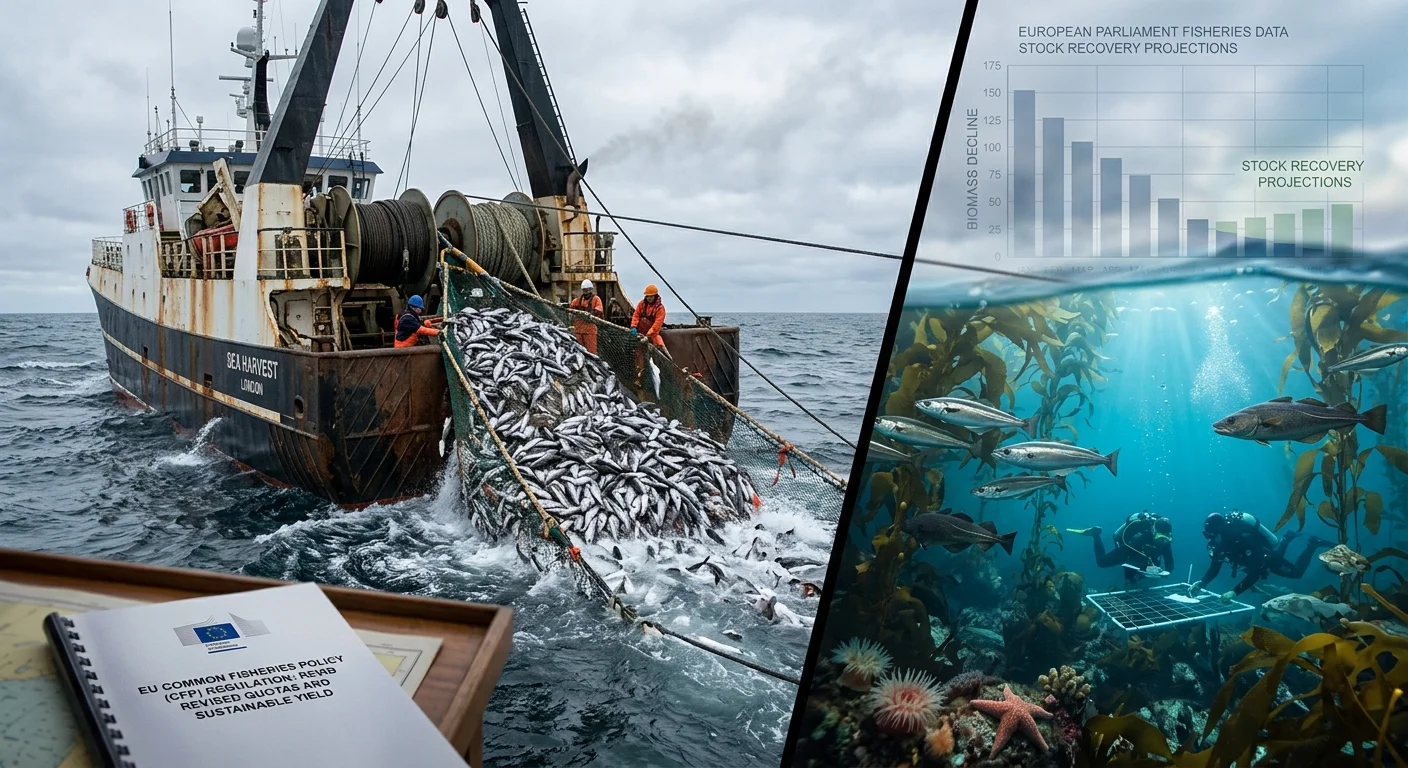
The numbers are stark. From 2010 to 2017, the European Union's fishing council exceeded scientific recommendations on 60% of its total allowable catch (TAC) decisions — not out of ignorance, but out of economic pressure. That gap between science and policy is exactly where fish populations collapse — a concern increasingly highlighted by eco-friendly fishing clothing suppliers advocating responsible fishing practices.
Science-based fishing quotas work on a simple idea: let the biology set the ceiling. Bodies like NOAA and the International Council for the Exploration of the Sea (ICES) study annual catch data — fish age, weight, reproductive rates, stock density — and calculate an Allowable Biological Catch (ABC) . Regulators then set TACs below that number. This leaves a buffer for uncertainty and gives stocks room to recover.
How Catch Share Programs Change Behavior
The catch share program is one of the most effective tools in this system. Instead of a collective free-for-all — the so-called "race for fish" — quotas get divided into individual or group shares. These shares are sometimes tradeable as property rights. That one shift changes everything about how fishers behave. Own a guaranteed portion of the allowable catch, and you have a direct financial reason to keep that stock healthy — next year, and the year after.
The U.S. Model — and Why Enforcement Matters
America's Magnuson-Stevens Act requires that annual catch limits stay at or below the ABC.
The system runs in clear steps:
Scientists calculate the ABC from the best available data
Councils set catch limits at or below that number
Quotas get distributed and tracked through port sampling, on-board observers, and real-time Vessel Monitoring Systems (VMS)
Regulations without enforcement are just paper. VMS tracks vessel positions in real time. Port State Measures (PSM) stop fish caught outside the law before they reach markets. Both tools tackle a hard truth: 13–30% of global catch is illegal or unreported. That's not a small problem — it's a structural one.
Sustainable fishing rules aren't a burden on the industry. They're the industry's best shot at surviving long-term.
Solution 2: Establish and Expand Marine Protected Areas (MPAs) to Restore Fish Populations
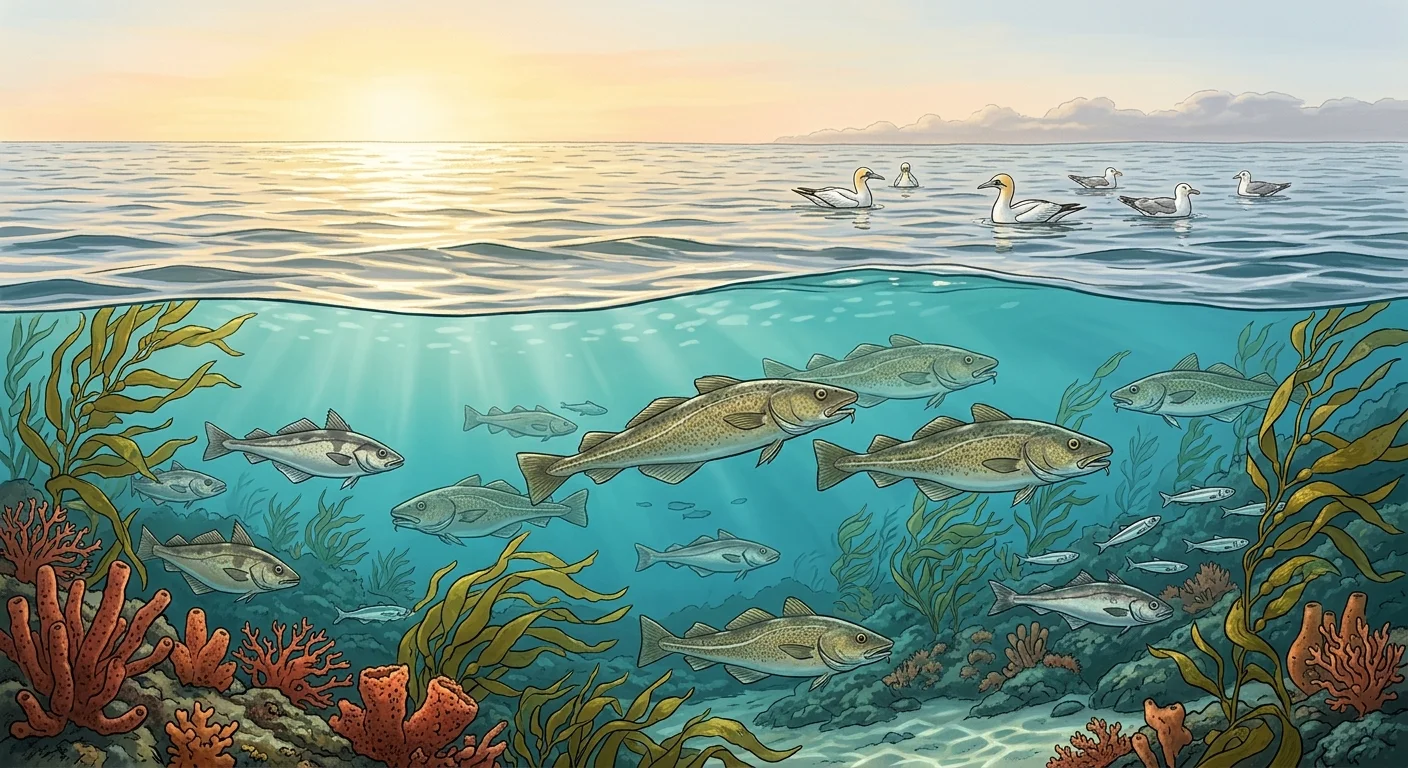
In 1994, a stretch of Georges Bank went quiet. No nets. No trawlers. Just ocean.
Within five years, cod biomass had increased fourfold. Spawning stocks rose from near-collapse to sustainable levels by the 2000s. One decision. One closure. The sea did the rest.
That's the core idea behind Marine Protected Areas — When fishing stops, the ocean recovers — often faster than expected. This recovery mindset is also reflected in initiatives supported by custom fishing wear for environmental protection initiatives, where awareness and conservation go hand in hand.
How MPAs Work
Not all MPAs are the same. No-take zones ban fishing completely. They act as underwater nurseries where fish breed, grow, and spread outward over time. Restricted zones allow limited activity — seasonal closures, gear restrictions, catch caps. These balance conservation with continued access.
The spillover effect is where the real power lies. Adult fish move beyond MPA boundaries into nearby fishing zones. Larvae and juveniles drift out, restocking the surrounding waters. Studies show this spillover boosts yields in nearby fished areas by 20–50% . Protecting a zone doesn't just help that zone — it feeds the fisheries around it.
The Gap Between Ambition and Reality
Right now, 8% of the world's oceans are protected. The 30x30 target aims to protect 30% of ocean by 2030 under the Kunming-Montreal Framework. That's a big jump. The 2023 BBNJ Agreement goes a step further. It allows MPAs in international high seas for the first time. But it still needs 60 national ratifications before it takes effect.
Coverage numbers don't tell the full story. "Paper parks" — MPAs that exist on maps but not in practice — show zero measurable biomass recovery. Poaching goes unchecked, and nothing improves. Enforcement isn't optional. It's what separates a real marine sanctuary from a protected-sounding fishing zone.
The strongest model may be the Locally Managed Marine Area (LMMA) approach. It's community-led protection. It delivers 30–50% fish biomass increases , compared to just 10–20% in top-down systems. Local fishers help design the rules. So they have a real reason to follow them.
What Effective Design Looks Like
| Factor | Benchmark | Outcome |
|---|---|---|
| Size | >20% ecosystem coverage | Fish stocks increase 2–3x |
| Connectivity | Networked MPA systems | Supports species migration |
| Enforcement | Full compliance | 80–100% recovery rate |
| Zoning | 30% no-take + 70% restricted | Spillover yields +25% |
The science is clear: MPAs work when they're built to work. Size, connectivity, community involvement, and real enforcement — these aren't nice-to-have extras. They're the basic requirements.
The ocean doesn't need perfect policy. It needs the chance to recover.
CTA Block 1Looking for Sustainable Fishing Apparel?
BeRun Sports manufactures eco-friendly fishing clothing using recycled fabrics and sustainable materials. Custom designs with UPF protection.
Explore Fishing ApparelSolution 3: Reform and Eliminate Harmful Fishing Subsidies That Fuel Illegal Fishing
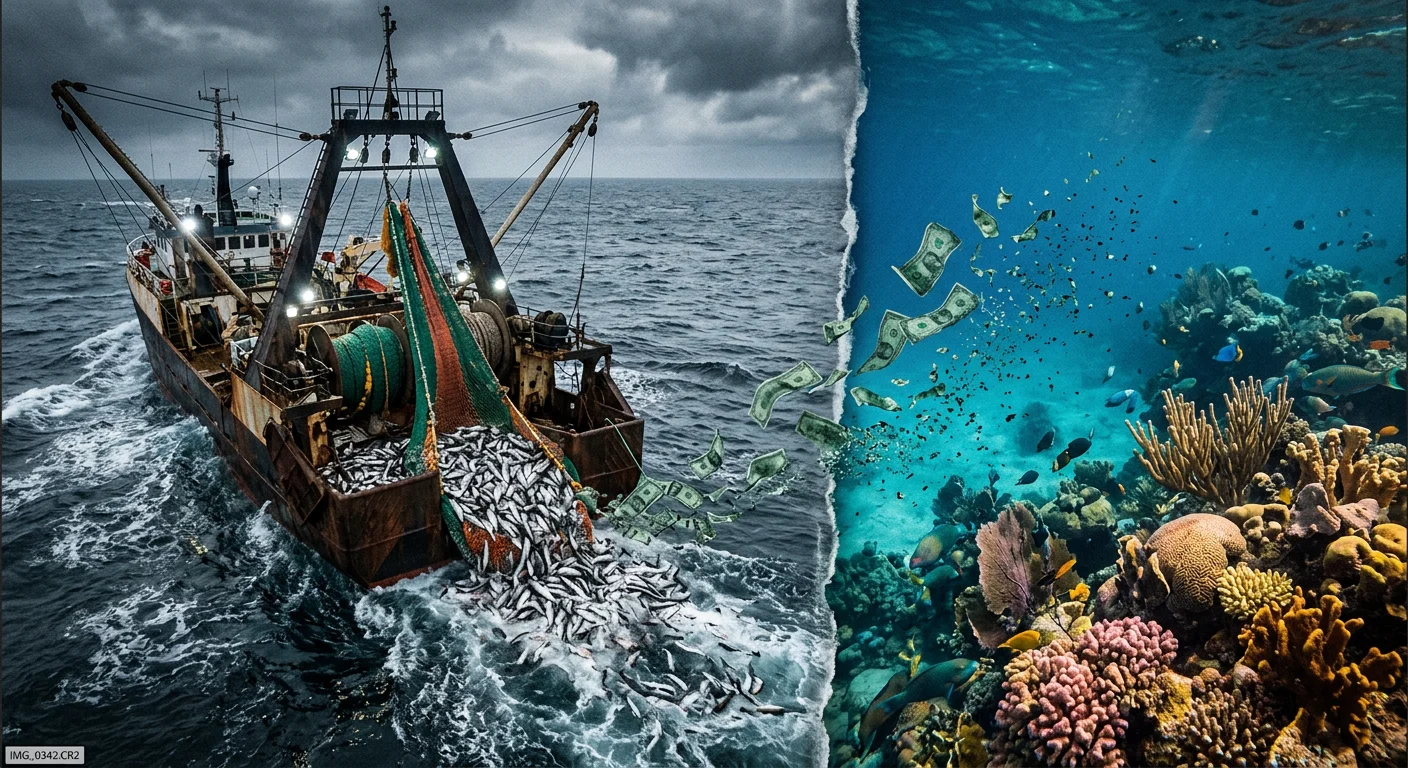
Governments are paying to destroy the very oceans they depend on. Every year, $35 billion in public money flows into global fisheries subsidies — and $22 billion of that, close to two-thirds, makes the problem worse.Transitioning toward sustainability is a priority shared by OEM/ODM fishing apparel with sustainable materials, as industries rethink long-term resource dependency.
These aren't neutral funds. They cover fuel, boat construction, and fleet modernization — the exact costs that make deep-sea fishing profitable when it otherwise wouldn't be. Strip those subsidies away, and more than half of all high-seas fisheries would lose money overnight. Ocean plunder is profitable for one reason: taxpayers foot the bill.
The consequences compound fast. Subsidized fleets fish longer, travel further, and target stocks that are already overexploited. They push into under-managed waters where oversight is thin.
These subsidies were built to support fishing communities. Instead, they're hollowing them out.
A Historic Agreement — With Real Limits
In 2022, the WTO struck a landmark deal. It entered force in September 2025 and banned three things outright:
Subsidies for IUU fishing
Subsidies targeting already-overfished stocks without recovery plans
Subsidies for unmanaged high-seas fisheries
About two-thirds of WTO members had ratified it by that point.
Progress — but partial. Fuel subsidies, vessel construction, gear maintenance, bait support, and price guarantees are still unresolved. Those sit on the table for MC13/MC14 negotiations through 2028.
China's Zhejiang trawl fleet shows what real reform looks like. Cutting fuel subsidies and raising vessel retirement payments brought fleet capacity down by a measurable margin. Smaller fleet. Less pressure. Stocks with room to recover.
The $22 billion now funding overcapacity could fund the opposite — vessel retirement programs, sustainable gear transitions, and coastal community support. The money exists. The only question is where it flows.
Solution 4: Adopt Selective Fishing Techniques to Minimize Bycatch and Habitat Destruction
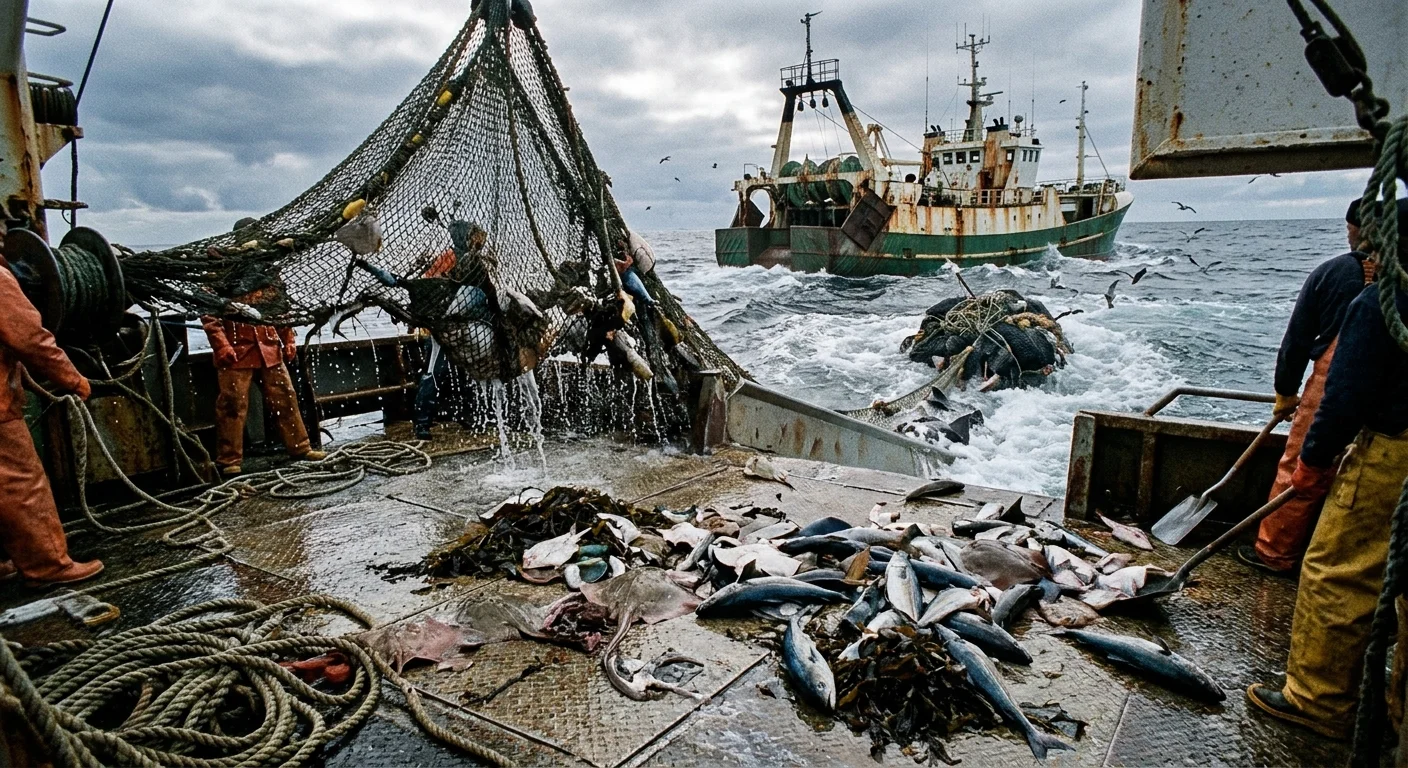
Every year, between 38 and 40 million tons of sea life gets pulled up, sorted, and thrown back dead. Not targeted. Not wanted. Just collateral damage from gear that doesn't care what it catches.
That's bycatch. And it's not a rounding error — it's a structural flaw built into how we fish.
The damage goes deeper than discarded numbers. Pull out the wrong species and you break predator-prey relationships that took millennia to form. Bottom trawls scrape across coral structures and sponge beds that fish rely on for shelter and breeding. The catch comes up. The seafloor stays broken.Innovations promoted by recycled fabric fishing wear factory partners often go beyond apparel — extending into broader sustainability advocacy.
Smarter Gear Changes Everything
The good news: the gear problem has gear solutions.
Turtle Excluder Devices (TEDs) fit inside shrimp trawl nets. A simple grid lets sea turtles escape while shrimp pass through. Effective. Low-cost. Easy to deploy at scale. Circle hooks replace J-hooks by catching fish in the corner of the mouth instead of deep in the throat. That makes live release work in practice, not just on paper.
Bycatch Reduction Devices (BRDs) use panels and grids built into net designs. They stop non-target species from getting trapped in the first place.
Even lighting helps. LED lights in shrimp trawls keep unwanted species from entering the net at all.
Low-Impact Methods Worth Choosing
Some fishing methods are selective by design.
Pole-and-line targets one fish at a time
Hook-and-line can be rigged to reach specific depths where target species feed
Fish traps built for schooling species like mackerel keep non-target capture low
Hand-line fishing works in reef and coastal areas without tearing up the habitat
Timing matters too. Fish at dawn and dusk — that's peak feeding time for target species. You pull in less unwanted catch as a result.
Standards That Drive Change
MSC certification pushes commercial fleets toward clear, measurable gear standards. Time-area closures protect breeding and migration windows when bycatch risk is highest. Catch share programs give fishers a direct financial reason to be selective — waste less, preserve more, keep the quota worth holding.
NOAA has pushed this forward through direct partnerships with stakeholders. They built practical gear improvements alongside the people who actually use the gear every day.
The technology exists. The methods work. What moves them from isolated experiments into industry norms is policy pressure, economic incentive, and a market that rewards doing it right.
CTA Block 2Custom Fishing Wear Built for Conservation
Partner with a manufacturer that shares your commitment to ocean sustainability. MOQ from 100 pieces.
Get a Free QuoteSolution 5: Strengthen Fishery Traceability Systems to Combat Illegal, Unreported Fishing (IUU)
Somewhere between the ocean and your plate, the fish disappears. Not the fish itself — it arrives. But its story vanishes. Where it was caught. By whom. Under what rules. That gap in the record costs $10 to $23 billion a year in illegal seafood flooding global markets.
IUU fishing — illegal, unreported, and unregulated — is not a fringe problem. It's a systemic one. It thrives where visibility ends.
Transparency is also a core value for private label fishing clothing for eco-conscious brands, which emphasize traceable supply chains.
The Technology Closing the Gap
The fix isn't a single tool. It's a chain of them. Each link makes falsification harder at every step.
Electronic Monitoring (EM) puts cameras and sensors on vessels. These capture real-time catch data and feed it into Electronic Catch Documentation and Traceability (E-CDT) systems. Blockchain locks those records across the supply chain — once entered, no one can rewrite them without detection. APEC has already run pilots using this for seafood origin verification. AI algorithms , deployed across China's fishing fleet, flag suspicious vessel behavior and share findings across the region. DNA identification takes it a step further — verifying species at the point of import and cross-checking against known IUU risk lists.
None of these tools work alone. NOAA makes this clear: combine big data analytics, consistent data standards, and enforcement integration. That's where deterrence becomes real.
From Vessel to Market — Every Step Documented
The APEC E-CDT model builds traceability in five stages:
Real-world results back the model. The ASEAN-US Partnership (2013–2018) rolled out electronic CDT systems across Southeast Asian supply chains. Japan's 2018 reforms introduced domestic catch documentation aligned with EU and US transparency standards. The pattern is clear: paper systems out, connected digital records in.
Traceability doesn't just catch bad actors. It makes the legal supply chain worth trusting.
Solution 6: Protect International Waters and Shift Consumer Demand Toward Sustainable Seafood
Sixty-four percent of the ocean belongs to no one — and that's the problem.
The high seas fall outside any single nation's jurisdiction. Under UNCLOS, they've sat in a regulatory grey zone for decades. No comprehensive framework. No enforceable conservation rules. Just open water and the fleets willing to exploit it.
Two agreements are starting to change that.
The 2023 BBNJ Treaty goes further. It lets countries establish marine protected areas on the high seas through international decision-making. That was impossible before this treaty existed. By 2024, 109 countries had signed it. The target is 30% ocean protection by 2030. Ratification still needs to cross the 60-nation threshold before it carries legal force.
What You Put on Your Plate Matters
Policy takes time. What you buy this week does not.
94% of global fish stocks are either overexploited or pushed to their limit. Consumer spending is one of the fastest levers available.
Seafood Watch , built by the Monterey Bay Aquarium, makes the choice simple. Download the app. Search your species. Green means go. Red means avoid. It takes thirty seconds at the fish counter.
A few habits shift the pressure in a real way:
Choose MSC-certified seafood — the label means an outside auditor has checked the fishery for sustainability
Eat lower on the food chain — sardines, mussels, and clams need no feed input and cost far less to the ecosystem than tuna or cod
Diversify your plate — cod and pollock populations could see spawning stocks fall 58% by 2050 if demand patterns hold
Large retailers are applying this logic at scale. Major buyers demand MSC-certified supply chains. That signal travels all the way back to the boat. This is the "super consumer" effect in action — 75% of global seafood production targeted as sustainable or improving by 2030, enforced through contracts, audits, and traceability.
The ocean doesn't need charity. It needs different choices — made with consistency, by enough people, for long enough to matter.
What Can You Do Right Now? Individual Actions That Move the Needle
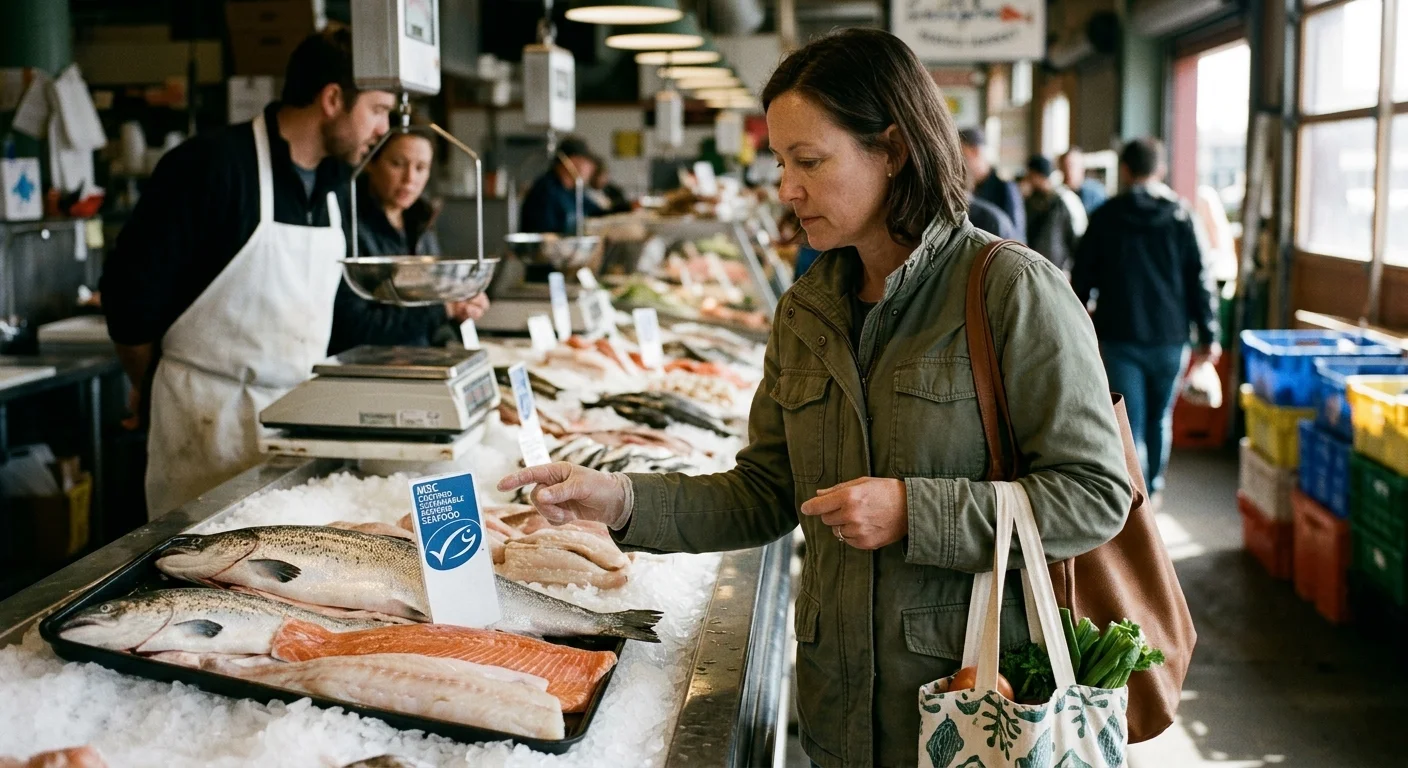
The solutions above live at the policy level. This one lives in your wallet, your kitchen, and your grocery run each week.
That's not a small thing. Consumer demand is one of the fastest-moving levers in the entire system.
Start with what you eat:
1.Download the Seafood Watch app (Monterey Bay Aquarium). Green means go. Red means leave it on the shelf.
2.Choose MSC-certified seafood — the blue label means an independent auditor checked and confirmed it.
3.Eat smaller, lower-chain species: sardines, mussels, clams. Lower ecosystem cost. Often better flavor too.
Then take it one step further:
1.Ask your fishmonger where the fish is from. That question — asked often enough — changes what they stock.
2.Support retailers and restaurants that have made clear, public sustainability commitments.
3.Share what you know. One conversation can shift another person's next purchase.
None of this requires sacrifice. You just need to shift your attention slightly — toward choices that exist right now, work right now, and need more people making them.
CTA Block 3Ready to Build Your Fishing Apparel Line?
From UPF shirts to performance fishing pants, we manufacture custom fishing apparel with sustainable materials. OEM/ODM welcome.
View Fishing Apparel CatalogConclusion
The ocean doesn't need our sympathy — it needs our action.
Overfishing isn't an unsolvable crisis. It's a design problem. Better systems fix design problems. That means smarter fishing regulations and policies , stronger marine protected areas , clear supply chains, and consumers who vote with their wallets.
Every solution covered here already exists. The science is settled. The tools are built. What's missing is the shared will to use them — at scale, before the window closes.
Start small, but start now. Choose sustainable seafood at the counter. Ask where your fish comes from. Support brands that take ocean health to heart. What we buy on land shapes what survives beneath the surface.
The ocean covers 71% of this planet. Protecting it isn't a niche cause.
It's the whole game.
Video Section