Most people think yoga is about flexibility — touching your toes, holding a pose, maybe finding some inner peace. But the science tells a far more compelling story.For those building a long-term practice — or even brands entering the space — the rise of yoga clothing suppliers and performance-driven apparel has quietly supported this shift toward consistency and comfort.
Decades of peer-reviewed research confirm that a regular yoga practice reshapes your brain. It slashes stress hormones. It fights depression as well as medication does in some studies. It even slows the cellular processes tied to aging.
These aren't wellness myths or Instagram claims. These are measurable, documented changes happening inside your body and mind every time you step onto the mat.
Curious about starting yoga? Want a smarter way to manage stress and anxiety? Or just want to know what this practice does to your health? What follows gives you the evidence — and the motivation — to begin.
Benefit #1: Yoga Lowers Cortisol and Rewires Your Stress Response
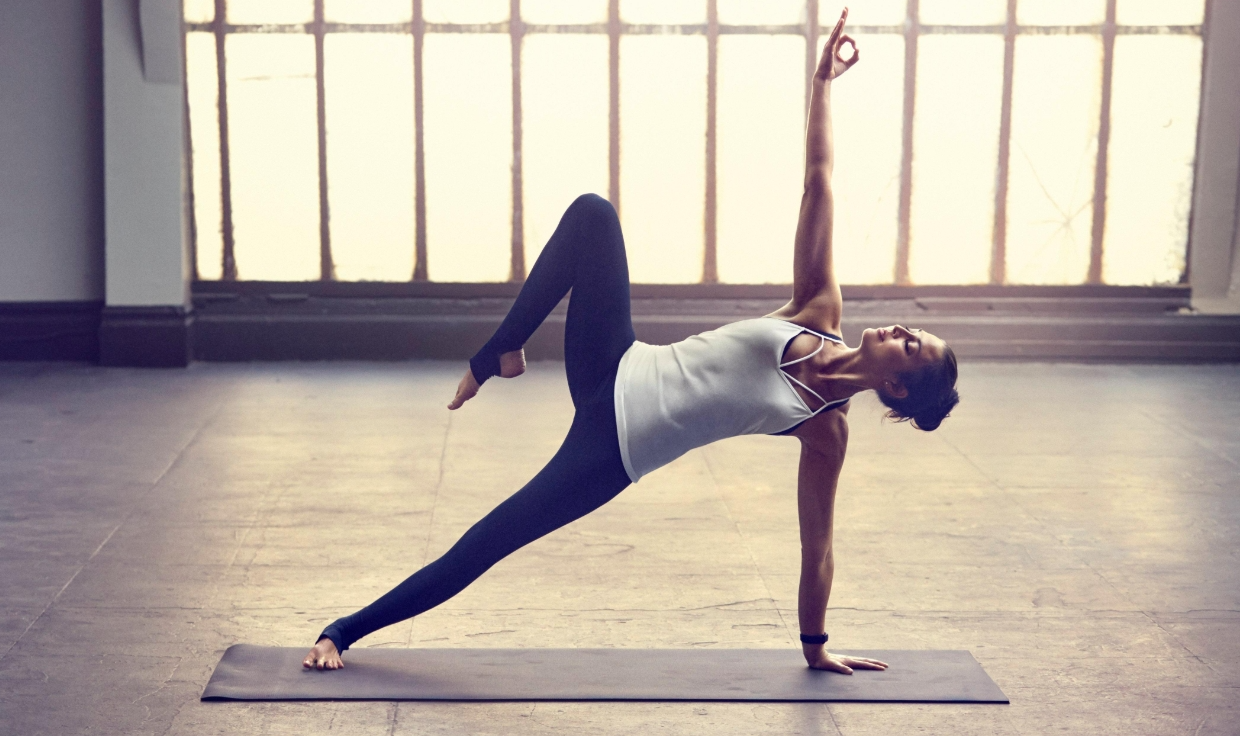
Stress isn't just a feeling. It's a hormone called cortisol. High cortisol levels over a long period cause real damage to your body.
Research shows a clear pattern. Yoga lowers cortisol for healthy adults, type 2 diabetes patients, breast cancer survivors, and people with chronic inflammation. We see these results repeated in study after study. This goes far beyond one lucky trial.
A six-month trial compared stretching-based yoga to restorative practices. The stretching routines produced greater cortisol reductions. The biggest drop happened in waking cortisol levels. This morning surge sets your overall stress tone for the entire day.
The results get even better for people who feel stress harder than most. They see the biggest benefits. Heated Hatha yoga dropped cortisol reactivity significantly for this highly stressed group (p = .042, d = .85). So, high stress means yoga might help you even more.
How does yoga differ from running or spinning? Regular workouts can push your body into fight-or-flight mode. Yoga does the opposite. It turns on your parasympathetic nervous system. This acts as your body's "rest and digest" state. One study compared Hatha yoga to aerobic exercise. Both workouts lowered perceived stress equally. But yoga dropped salivary cortisol much more. It works deeper on a hormonal level.
You don't just feel calmer. Your nervous system learns a new default state. You become less reactive and more grounded. Removing physical distractions helps this process limitlessly. This explains why many dedicated practitioners and studio owners buy high-quality custom yoga apparel. Clothes that move with your body make it easier for your mind to let go of external stress.
Benefit #2: It's One of the Most Effective Natural Antidepressants Available
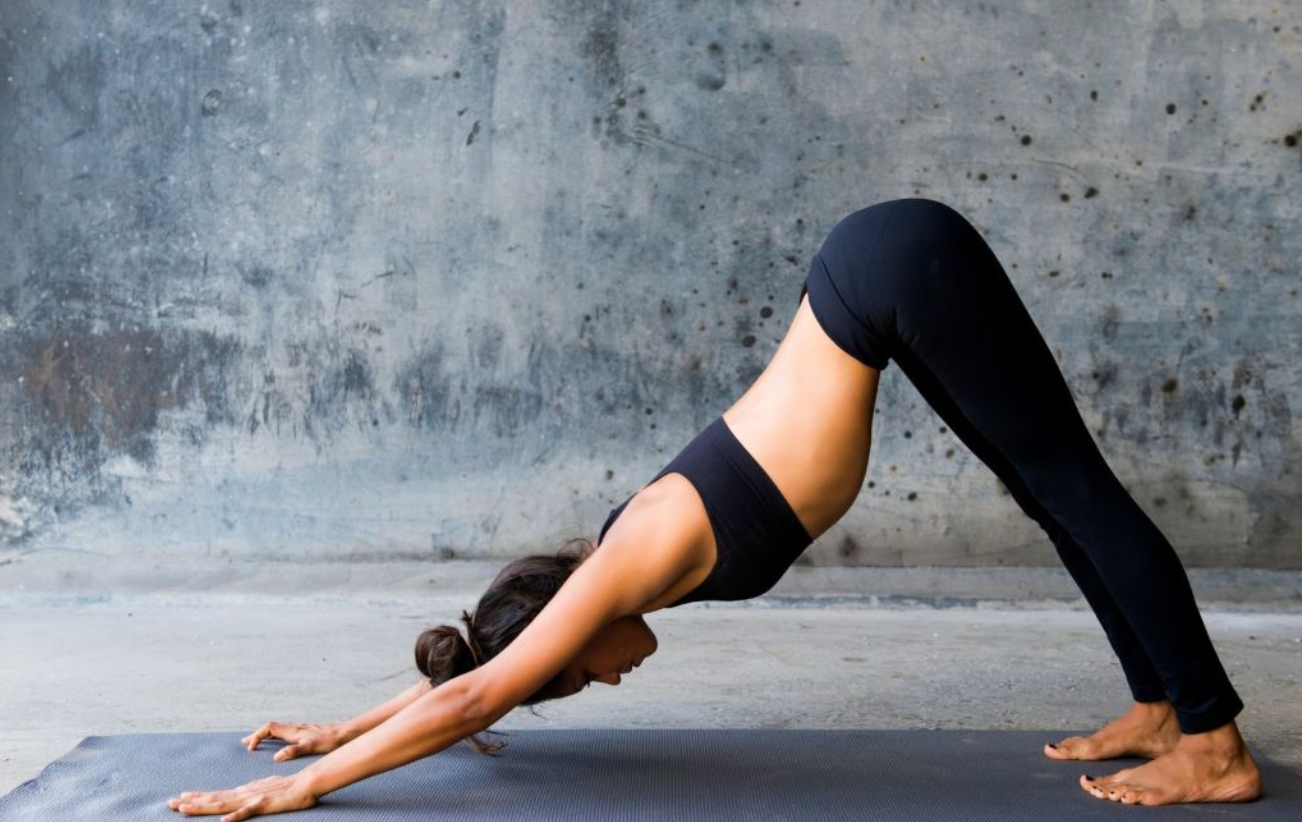
Depression affects hundreds of millions of people worldwide. Most reach for a prescription. But research keeps pointing to something simpler — the mat beneath your feet.
Studies show yoga raises serotonin, dopamine, and GABA levels. These are the same brain chemicals that antidepressants target. No side effects. No co-pays. No waiting room.
One meta-analysis looked at multiple controlled trials. Yoga produced significant drops in depressive symptoms across all of them. The results matched conventional treatment for mild to moderate depression. Participants felt lighter, clearer, and more stable — after just a few weeks of practice.
So what's actually going on in the brain?
Yoga boosts activity in the prefrontal cortex — the part that handles emotional regulation. At the same time, it calms the amygdala, which is your brain's threat alarm. Less noise. More control.
The result is a real shift in mood. Not a temporary lift. A genuine change at the neurological level — one that builds over time.
You don't need a diagnosis to benefit. Low-grade sadness, emotional flatness, that heavy feeling with no clear cause — yoga works on all of it. From the inside out.For studios and wellness brands expanding their offerings, sourcing wholesale yoga clothing ensures consistent quality and comfort — two factors that directly influence whether beginners stick with the practice long enough to experience these mental health benefits.
Benefit #3: Yoga Reduces Anxiety and Can Eliminate PTSD Symptoms
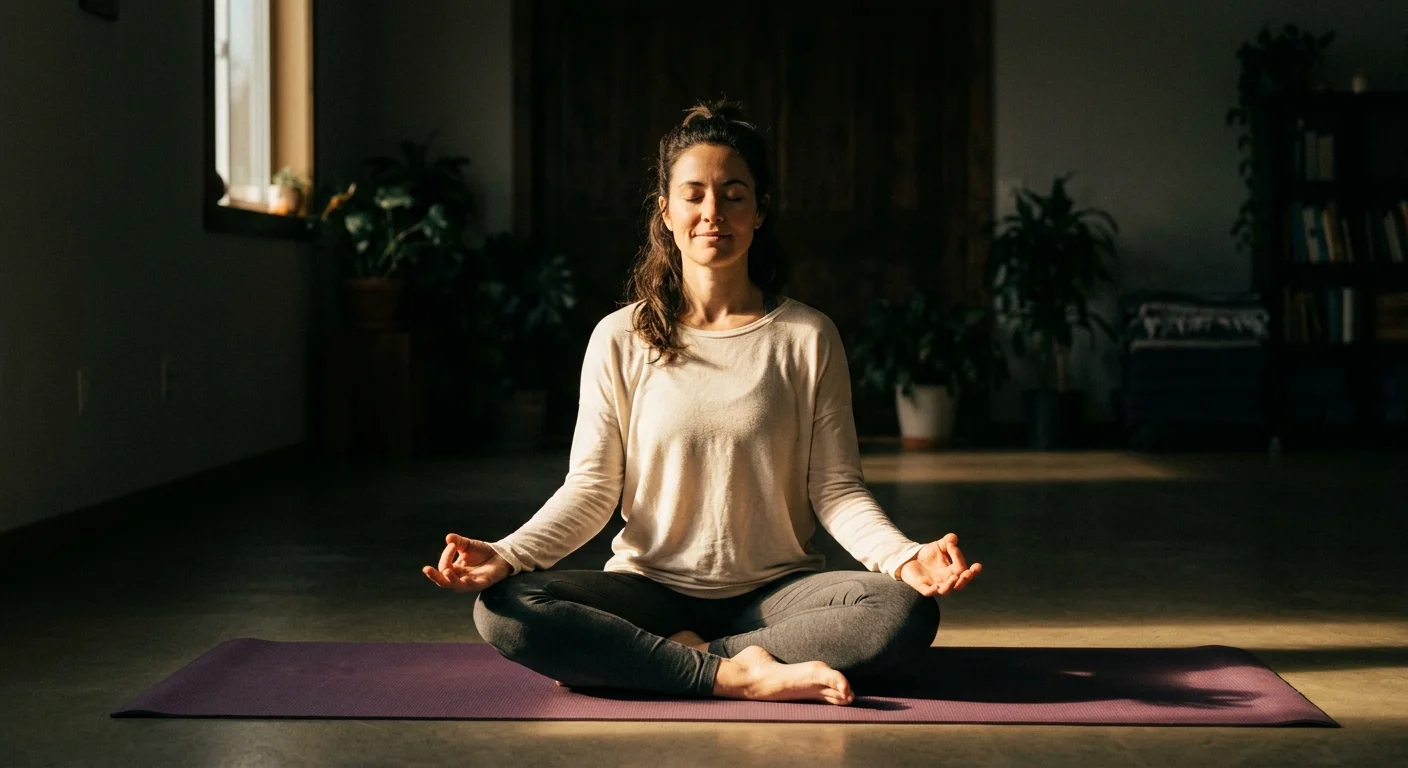
Anxiety lives in the body before it reaches the mind. That's why yoga can reach it when other treatments often can't.
A landmark randomized controlled trial at NYU Langone put this to the test. Researchers enrolled 226 adults diagnosed with generalized anxiety disorder (GAD). Half attended 12 weekly Kundalini yoga sessions. Each session ran two hours and covered breathwork, postures, meditation, and mindfulness. The results were clear: 54% showed meaningful symptom improvement , compared to just 33% in the control group.
That's close to twice the response rate. From a mat, not a medicine cabinet.
The results hold for younger people too. A review of 27 youth anxiety studies found that 70% reported measurable anxiety improvements . In studies where anxiety and depression overlapped, 58% saw both conditions improve at the same time .
So what does Kundalini yoga do to an anxious nervous system? It gives it somewhere safe to land. The slow, steady mix of breath and movement sends a signal to your body — session after session — that the threat has passed. Your nervous system starts to believe it.
Worth knowing: the strongest research so far covers generalized anxiety. The evidence for PTSD is still growing. So if you're dealing with trauma, yoga works best alongside professional care — not as a substitute.
From a production perspective, many brands now work directly with a yoga clothing factory to develop breathable, non-restrictive apparel that supports calm, uninterrupted movement — especially important for anxiety-sensitive users.
Benefit #4: Regular Yoga Improves Memory and Executive Function
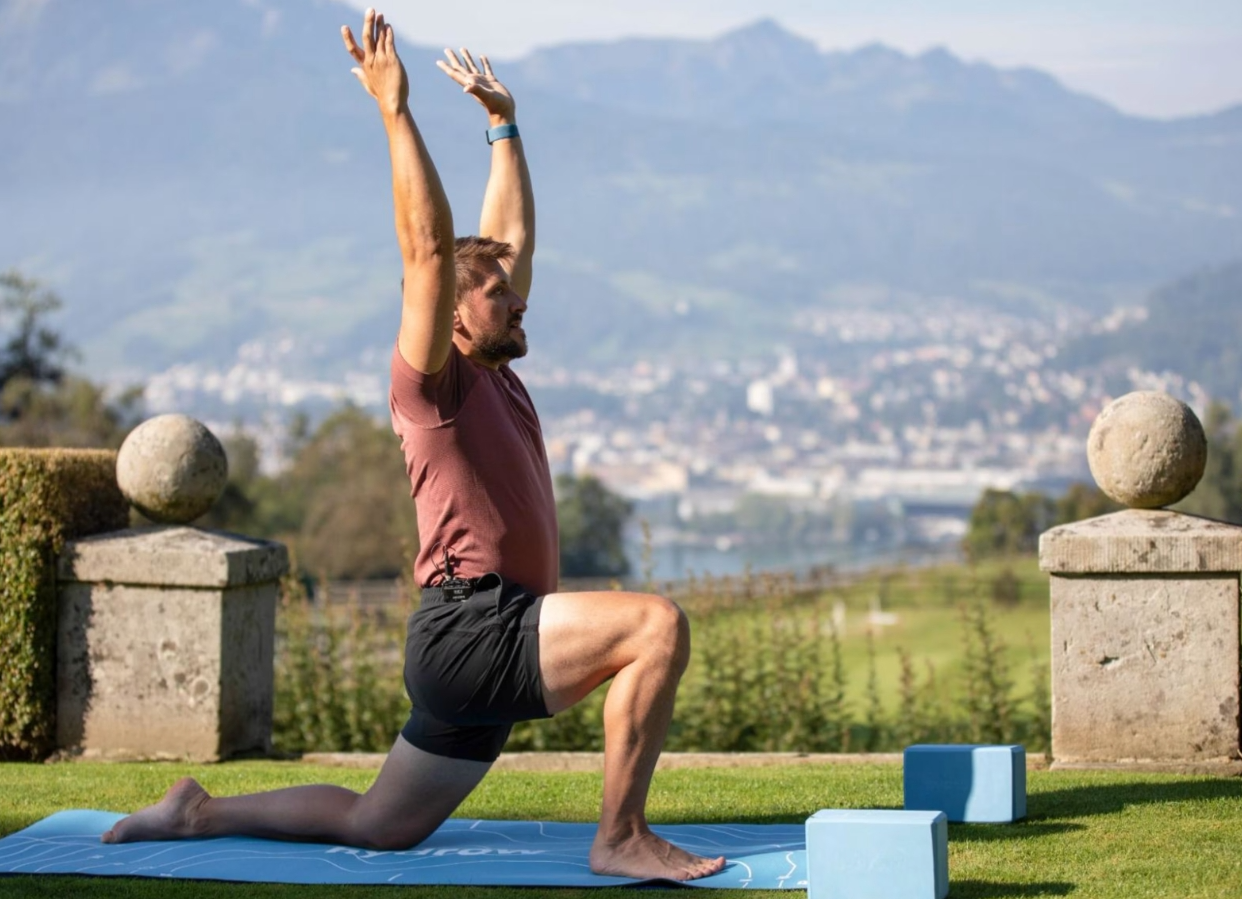
Eight weeks. That's all it took for regular yoga to produce real gains in working memory. It beat a stretching control group on multiple cognitive tests — including n-back tasks and task switching.
The key is cortisol. Yoga lowers the body's stress response through the HPA axis. That hormonal shift predicts memory improvement (β = 0.27–0.38, p ≤ 0.05). The stretching group saw cortisol rise instead — and their cognitive scores dropped as a result.
The benefits go beyond memory. A meta-analysis of 15 randomized controlled trials showed yoga produced its strongest effects on executive function (g = 0.27) and attention and processing speed (g = 0.29). Compared head-to-head with dedicated memory training programs, yoga matched verbal recall scores. It also beat those programs on planning, focus, and attention tasks.
Even one session makes a difference. After a single yoga bout, participants showed shorter reaction times and higher accuracy on inhibition tasks. They outperformed both an aerobic exercise group and their own baseline ( t (29) = 6.07, p = 0.02).
A sharper mind isn't a side effect of yoga. It's a direct result.
Benefit #5: It Physically Preserves Your Brain's Gray Matter as You Age
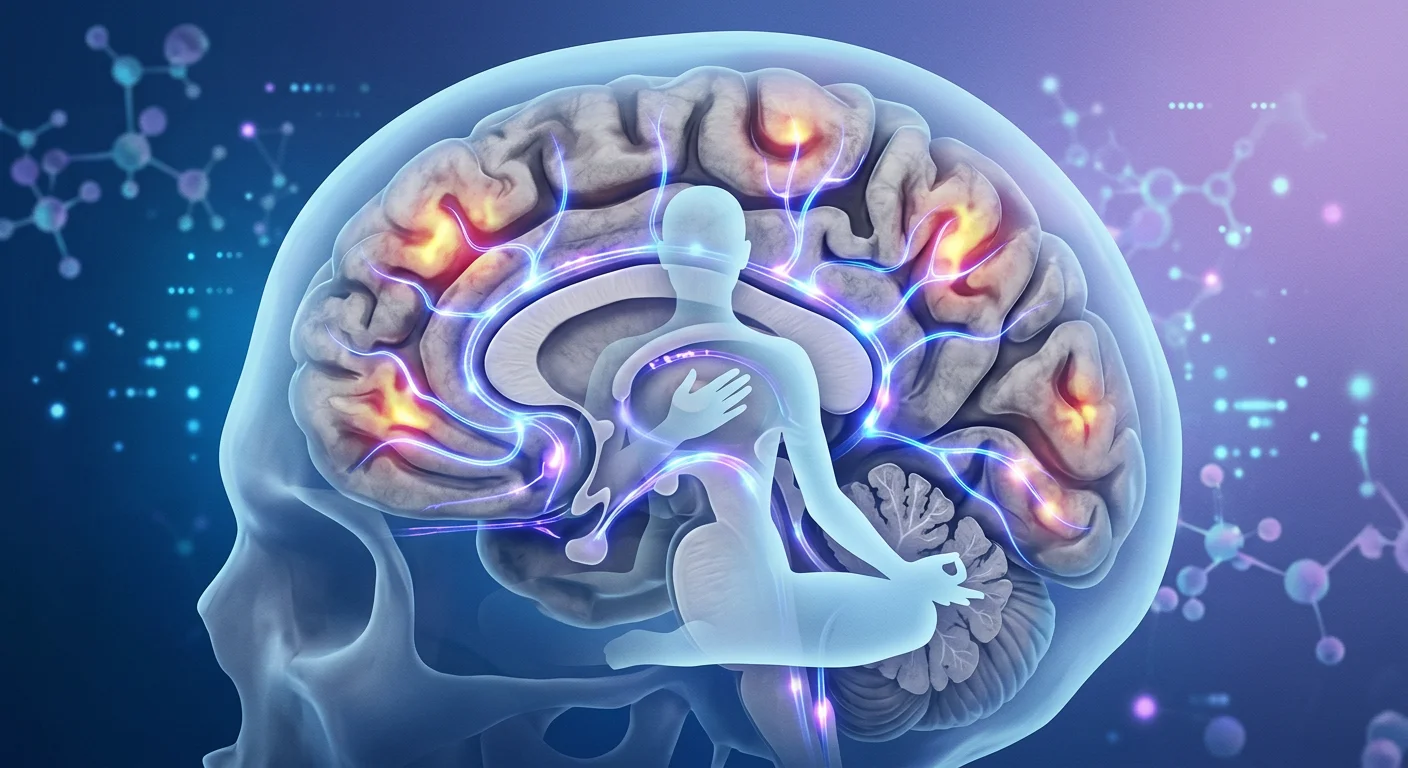
Your brain starts shrinking in your thirties. Not in a vague, abstract way — it actually loses physical volume.
Gray matter declines at -1.89 cm³ per year across the cortex. The frontal lobe goes first. The superior frontal gyrus loses thickness at -0.0055 mm every year — well before any symptoms show up.
The areas affected most are the ones you depend on daily:
Loss in the dorsolateral prefrontal cortex stays low until around age 30. Then it speeds up fast.
This is where yoga becomes something more than a wellness practice. It lowers cortisol. It calms the nervous system. It boosts blood flow to the brain. Together, these changes build the internal conditions your brain needs to hold onto gray matter over time.
The mat isn't just where you stretch. It may be where you protect your future self.
Benefit #6: Yoga Offers Real Protection Against Dementia and Cognitive Decline
Women are twice as likely as men to develop Alzheimer's. That one statistic should make you stop and pay attention.
A UCLA study tracked 60+ postmenopausal women through 12 weeks of Kundalini yoga. The results were striking. It didn't just slow cognitive decline — it stopped brain matter loss cold . Hippocampal connectivity improved. Anti-aging gene expression went up. The memory training group showed none of these changes.
The numbers from Alzheimer's patients tell the same story. After a 12-week yoga program, MoCA scores climbed from 18.23 to 21.1 ( p < 0.01). Attention, language, recall, and orientation all improved — with clear, measurable gains. Depression scores fell from 8.36 to 5.13.
Yoga also beat memory training on visual-spatial skills — the ability to navigate spaces and recall locations. These are the skills that tend to go first. Plus, yoga delivered something memory exercises can't touch:
Reduced anxiety
Lifted mood
Stronger emotional coping
For people already showing mild cognitive impairment, yoga slows the path toward Alzheimer's. It restores neural pathways. It brings down inflammatory biomarkers. It builds the kind of cognitive resilience that no crossword puzzle can match.
Benefit #7: It Boosts Brain Plasticity, Reduces Inflammation, and Slows Cellular Aging
Your brain is aging right now — and inflammation is speeding up the process.
As you get older, key inflammatory markers rise in your bloodstream: CRP, IL-6, IL-1β, and TNF-α . These aren't abstract lab numbers. They are clear signals that your brain is under stress — and they tie directly to cognitive decline.
Here's what happens at the cellular level.
Aging switches on microglia — your brain's immune cells. They flood brain tissue with nitric oxide. That damage slowly breaks down synaptic plasticity. Synaptic plasticity is how your brain learns, adapts, and rewires itself. At the same time, a process called cellular senescence causes aging cells to leak pro-inflammatory chemicals into nearby tissue. Scientists call this "inflammaging." It's slow. It's quiet. And it builds up over years.
Exercise — including yoga — helps fight this chain reaction. Large-scale reviews of randomized controlled trials confirm that regular physical movement reduces these inflammatory markers across all age groups.
Yoga brings something extra to the table:
It regulates your nervous system
It keeps cortisol levels low
It supports BDNF production
It creates an internal environment that resists chronic inflammation
Less fire inside means more room for your brain to grow.
Benefit #8: Science Confirms Yoga Is One of the Best Tools for Better Sleep
Millions of people lie awake at night — exhausted, frustrated, staring at the ceiling. Most of them never think the answer could start on a yoga mat.
The research is consistent. Practice yoga two to three times per week for six to eight weeks. Whether you prefer a morning or evening session, consistency matters most. You'll see real improvements in sleep quality, tracked by the Pittsburgh Sleep Quality Index (PSQI). The effect size is solid: SMD = -0.86 — a meaningful clinical shift, not a rounding error.
What changes inside your sleep?
One phase III multicenter trial put yoga head-to-head against standard insomnia care. Yoga cut sleep medication use by 21% . The control group saw a 5% increase .
A meta-analysis of 30 randomized controlled trials found the best protocol. It's more doable than you'd expect: sessions under 30 minutes, twice a week, for eight to ten weeks . Styles that mix postures, breathwork, and meditation — think mindfulness-based yoga — produce the strongest results.
Stack yoga against other movement practices and it pulls ahead. It outperforms both walking and resistance exercise for sleep quality. For people dealing with insomnia, it ranks among the top interventions out there — whether you compare it to drugs or anything else.
Benefit #9: Yoga Builds Functional Strength and Flexibility That Other Workouts Miss
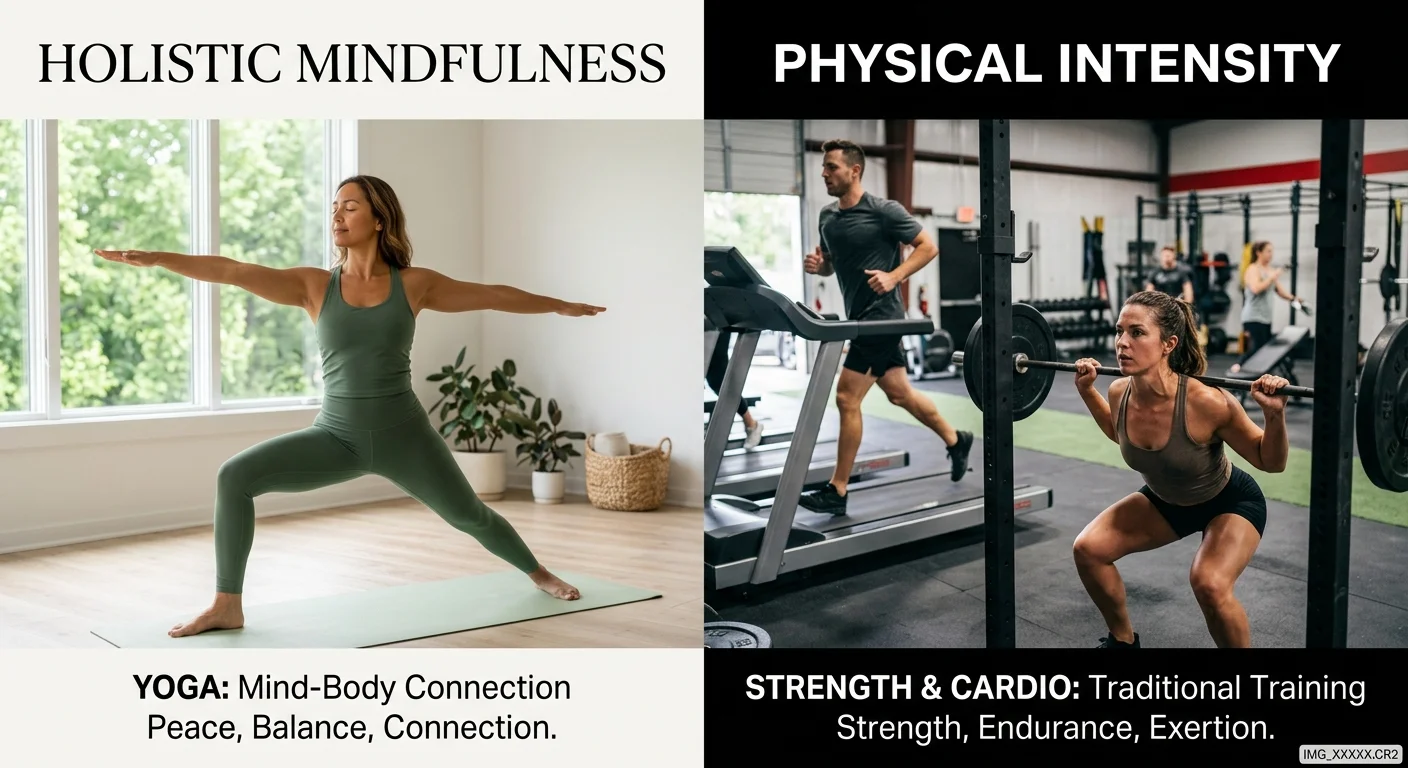
Lift weights for a year and your muscles grow. Run five miles a week and your endurance climbs. But neither of those workouts touches your ankle dorsiflexion or shoulder flexion. They just don't go there.
Yoga fills that gap.
A 10-week study on college athletes proves this. The yoga group improved sit-and-reach flexibility by 1.8 inches . The non-yoga group — still training hard — dropped by 0.4 inches ( p = 0.04 between groups). Shoulder flexion showed the same split. Yoga practitioners gained. Everyone else lost ground.
The joint-level changes go beyond a basic stretch. After 10 weeks, yoga practitioners saw measurable gains in:
Balance improved too — and the non-yoga group saw zero change.
For older adults, an 8-week Hatha yoga program kept pace with a dedicated stretching-strengthening class across every functional fitness marker — balance, strength, flexibility, and mobility — with effect sizes reaching 0.47. Yoga even pulled ahead on left-leg balance.
The timeline is faster than most people expect. Real flexibility gains show up within 8 weeks . Strength and balance follow shortly after. Past that point, your body locks in what it built rather than pushing further — but those gains stick around.
Think of yoga not as a swap for your current training. Think of it as the layer your training was missing.
Benefit #10: It Elevates Your Overall Well-Being in Ways That Compound Over Time
The benefits don't stop at better sleep or lower cortisol. Something quieter — and more powerful — builds underneath all of it.
A study tracked 6,073 older adults across 12 years. Each step up the happiness scale cut mortality risk by 15%. Purpose in life added 8.3 years to life expectancy at age 50. Positive affect added 6.9 years. Life satisfaction added 6.1 more.
These aren't small numbers. They beat what most medical treatments can deliver.
The data on chronic disease tells the same story. Very happy people carry an average of 2.2 chronic conditions . Very sad people carry 3.5. That gap grows wider, year after year.
Yoga doesn't promise happiness. But it builds every internal condition that makes happiness possible:
1.Lower stress
2.Steadier mood
3.Deeper sleep
4.A calmer nervous system
Each benefit feeds the next. Over time, they add up to something real — a longer, healthier life.
How to Start Maximizing These Benefits: A Practical Beginner's Action Plan
The science is clear. So the question becomes simple: where do you begin?
Start with one goal. Not ten. If you need ideas, check out these beginner-friendly yoga poses for weight loss. Pick the benefit that matters most right now — better sleep, less stress, sharper focus. Build your practice around that one thing.
Match Your Style to Your Goal
Each yoga style targets a different outcome. Here's what the research points to:
| Goal | Style | Starting Point |
|---|---|---|
| Reduce stress | Hatha or Restorative | 20-min sessions, 3x/week |
| Improve sleep | Yin | 45-min holds, most evenings |
| Sharpen cognition | Vinyasa | 30-min flow, 4x/week |
| Build strength | Ashtanga or Power | 60-min sessions, 5x/week |
The minimum effective dose across most studies: 2–3 sessions per week, 20–30 minutes each . That's enough to see measurable stress reduction within four weeks.
Make It Stick
Vague intentions fade. Specific plans don't.
One Practical Note on Gear
You don't need much — but what you wear matters more than you'd expect. A 4-way stretch, moisture-wicking fabric keeps you dry and unrestricted through every pose. Behind many of these performance features are yoga apparel manufacturers working closely with yoga outfit manufacturers to refine fit, durability, and breathability for daily practice.That means no tugging, no adjusting, no distraction mid-flow. Berunclothes.com yoga wear gives you 360° elasticity and 80% sweat absorption. Those small details cut the friction between you and a consistent practice.
Show up. Adjust as you go. The mat does the rest.
FAQ: What People Also Ask About Yoga Benefits
These are the most common questions people ask — straight to the point and worth a clear answer.
How long does it take to see results?
Most people notice real changes within 6–10 weeks. Stress scores drop after six-week programs — and the drop is measurable. PTSD symptoms improved in 64 women after just 10 weekly sessions. Flexibility, sleep, and blood pressure tend to follow the same timeline.
Is 20 minutes a day enough?
Yes. Short daily sessions produce real gains. Research shows 75% of regular practitioners report better flexibility, strength, and cardiovascular fitness. Even brief Isha yoga sessions showed measurable well-being improvements in 2024 studies.
Does yoga help with stress and anxiety?
Yes — and the effect is direct. Yoga slows down the sympathetic nervous system. That means a lower heart rate, slower breathing, and less anxiety. Practitioners also report a 20% higher positive self-image compared to non-practitioners.
What about specific groups?
1.Seniors: Preserved gray matter, better sleep, slower cardiovascular aging, and stronger cognition
2.Men: Greater endurance, better oxygen efficiency, and less chronic pain — U.S. male practitioners grew 50% between 2012 and 2016
3.Pregnant women: Lower anxiety and depression, faster sleep onset, and deeper relaxation
Does yoga support heart health?
The results are strong. Yoga can regress coronary artery lesions. It improves blood flow to the heart muscle. It also outperforms standard exercise on measures of breathing and nervous system control.
Conclusion
The science doesn't whisper — it shouts. Yoga isn't a gentle hobby you squeeze in between "real" workouts. It's a full-spectrum intervention for your brain, your body, and how you age.
Yoga rewires your stress response. It lifts the fog of anxiety. It preserves gray matter and builds strength that carries you through life. These ten benefits aren't promises. They're published, peer-reviewed, measurable outcomes.
But no study can capture one thing: how it feels to move through the world in a body and mind you've invested in.
And as more people commit to long-term practice, the role of yoga clothing suppliers and innovation across the supply chain continues to shape how accessible and comfortable that journey becomes.
So don't wait for the perfect moment. Roll out a mat. Start with ten minutes. Wear something that moves with you — comfort matters when you're building a lasting practice.
Your future self — sharper, calmer, more resilient — is waiting on the other side of that first breath.
Video Section