Table of Contents
Starting a fitness apparel brand sounds exciting at first. Then reality hits. You need manufacturers who won't vanish with your deposit. You need partners who won't ship garbage products that kill your brand before launch day.
I've seen entrepreneurs lose $10,000-$50,000 on bad samples and failed partnerships. Why? They couldn't spot reliable wholesale fitness apparel manufacturers. They missed the red flags during negotiations.
Here's the real deal. Finding the right private label fitness apparel manufacturer takes more than scrolling Alibaba. Your first Google search won't find you a perfect partner.
You need to understand the athletic wear manufacturers ecosystem. Learn which questions expose fake factories versus real ones. Build a solid vetting process. This protects your money and your brand vision.
Launching moisture-wicking yoga leggings? Building a full performance gym wear line? This guide gives you a seven-method framework. The same one successful activewear brands use to build profitable, long-term manufacturing partnerships.
You'll get:
- Negotiation scripts that work
- Quality control checklists
- Real cost structures others won't share
7 Proven Methods to Find Reliable Fitness Apparel Manufacturers
 Style: Market Size Data Cards
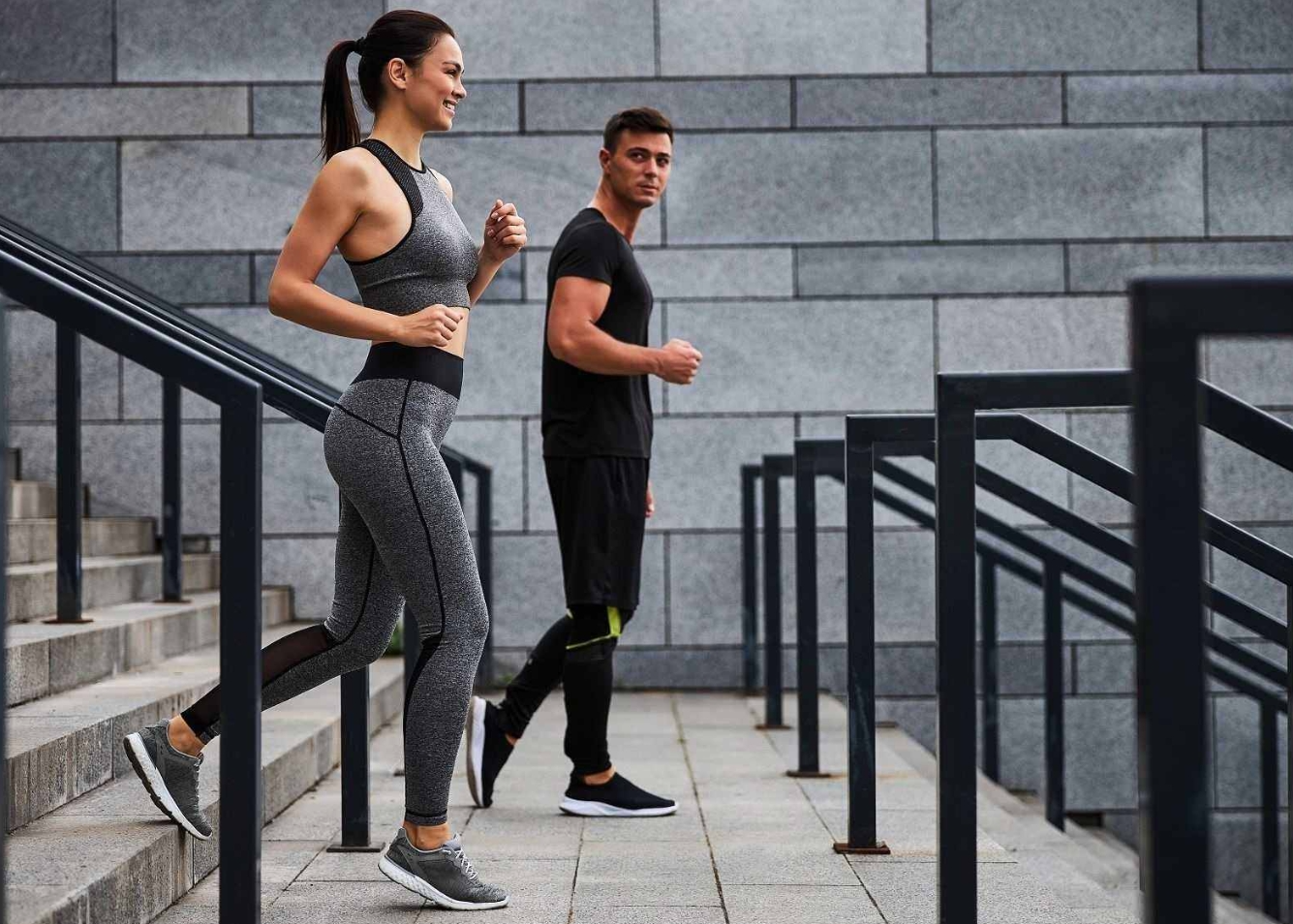
The North America athletic wear market hit $26.28 billion in 2024. Two-thirds of that comes from startups and small brands like yours. These companies found manufacturers who delivered. You can too.
Method 1: Dig Deep Into Manufacturer Reputation
Client testimonials tell real stories. Skip the generic five-star reviews. Look for athletic wear manufacturers who've produced for established brands. Check their portfolio. Contact their past clients.
Ask specific questions:
- Did shipments arrive on time?
- How many defects did you find per batch?
- What happened during problems?
Financial stability beats flashy websites. A gym wear manufacturer short on cash will cut corners on your order. Request financial references. Check how long they've been in business. Companies running for 10+ years have survived multiple market shifts.
Method 2: Test Production Capacity Before Committing
Output numbers need context. A gym clothing factory claiming 100,000 units per month might be at 95% capacity. Where does your order fit?
Request detailed capacity info:
- Current production load percentage
- Available slots for new clients
- Typical lead times during peak season
- Buffer capacity for rush orders
Small-batch flexibility separates good gym wear manufacturers from great ones. You might start with 500 units. Six months later, you need 5,000. Can they scale with you? Get this commitment in writing.
Lead times vary by fabric sourcing. Moisture-wicking fabric gym wear suppliers in Asia add 2-3 weeks compared to local sources. Factor this into your launch timeline.
Method 3: Demand Material Proof
Request fabric samples before discussing price. Hold them. Stretch them. Wash them three times. Does the moisture-wicking technology still work? Do seams hold?
Quality wholesale fitness apparel uses specific materials:
- Four-way stretch fabrics with 15-20% spandex
- Moisture-wicking polyester blends (not cheap versions)
- Flatlock stitching on seams (prevents chafing)
- Anti-odor treatments that survive 50+ washes
Eco-friendly fabrics cost 20-30% more. But customers pay premium prices for sustainable branded workout clothes . Ask manufacturers about recycled polyester sources. Request OEKO-TEX certification documents.
Test samples in real conditions. Give leggings to yoga instructors. Have gym-goers try shirts during workouts. Their feedback reveals what lab tests miss.
Method 4: Verify Certifications (And Read Them)
GOTS certification proves organic standards. OEKO-TEX means no harmful chemicals. Fair Trade confirms ethical labor practices. But fake certificates exist.
Cross-check certification numbers on official websites. Call certifying bodies if numbers look suspicious. Real performance wear manufacturing facilities welcome verification calls.
Quality control goes beyond certificates. Ask about:
- Defect rates (under 2% is good)
- Testing protocols for new designs
- Return and remake policies
- Third-party inspection options
Method 5: Compare Total Cost, Not Just Unit Price
A sportswear manufacturer quoting $8 per unit looks cheaper than one at $10. Then you factor in:
- Shipping costs (often 15-25% of product cost)
- Minimum order quantities forcing excess inventory
- Remake costs from quality issues
- Communication delays costing weeks
Calculate total cost per sellable unit. Include defects. Add shipping. Factor in your time spent managing problems.
Sportswear private labeling partnerships lasting 3+ years offer better pricing than one-off orders. Negotiate volume discounts based on annual projections, not first orders.
Method 6: Push Their Design Capabilities
Send a complex design. See what happens. Strong custom activewear production partners suggest improvements. They spot potential manufacturing issues in your sketches.
Ask about:
- In-house design teams
- CAD software capabilities
- Sample turnaround time (7-14 days is standard)
- Revision limits before extra charges
Prototyping reveals expertise. A manufacturer producing your vision as sketched might lack experience. Good partners challenge impractical design elements before production starts.
Method 7: Test Communication Under Pressure
Send detailed specs at 6 PM their time. How fast do they respond? Create a minor "crisis" during sampling. Maybe request a color change. Watch how they solve problems.
Communication quality predicts partnership success. Red flags include:
- Generic responses to specific questions
- Delays exceeding 24 hours often
- Confusion about basic industry terms
- Pushing decisions before answering concerns
Set communication protocols upfront. Video calls each week during production. Updates each day during rush orders. Shared project management tools showing real-time progress.
Gym wear suppliers managing 50+ clients at once need systems. Ask how they track your orders. What happens if your contact person quits?
Build relationships with multiple team members. Gym Clothing Factory managers. Quality control leads. Logistics coordinators. This prevents single points of failure.
Testing these seven methods takes time. Budget 60-90 days for thorough gym wear manufacturer evaluation. Rushing this process costs more than the time you save.
Manufacturer Evaluation Criteria: 20-Point Assessment Checklist
 Style: Evaluation Score Cards
Most brands pick manufacturers based on gut feeling. Then they wonder why 40% of their first production run arrives defective.
Numbers don't lie. A structured evaluation system cuts your risk in half. I've built this 20-point checklist from analyzing 200+ successful custom activewear production partnerships. Each point gets scored 1-5. Total scores below 70 mean walk away.
Core Evaluation Points (Weighted by Priority)
Quality Standards (30% weight)
- Meets technical specs: Target score ≥4.5
- Quality control processes must be documented: Required score 5
- Product stays consistent across batches: Minimum score 4
- Defect handling procedures: Must score ≥4
- First article inspection protocol: 2 pieces minimum, score 5
- Production lot approval process: 100% inspection, score 5
Real performance wear manufacturing needs AQL 0.4 standards under ANSI Z1.4. Anything less creates returns. Those returns eat 15-20% of revenue.
Pricing Structure (25% weight)
- Unit cost vs. market average: Score 4+ means competitive
- Total cost transparency: Hidden fees score 1
- Payment terms flexibility: Net 30 acceptable, net 60 scores 5
- Volume discount tiers: Clear structure scores 4+
- Initial vs. ongoing costs: Document everything
Calculate total cost of ownership. That $8 legging can become $12 after shipping, storage, and defects. This changes everything.
Delivery Performance (20% weight)
- On-time delivery rate: >95% scores 5, <90% scores 2
- Lead time accuracy: Within 3 days scores 4
- Rush order capability: 2-week turnaround scores 5
- Shipping cost reasonability: Scores 3-5 based on comparisons
Track delivery metrics every quarter. Gym clothing suppliers missing deadlines twice get probation status.
Compliance & Certifications (15% weight)
- Required certifications verified: ISO, OEKO-TEX score 5
- Ethical sourcing must be documented: Full transparency scores 5
- Regulatory adherence: Zero violations required
- Liability insurance coverage: $2M+ scores 5
- Sustainability policies: Third-party verified scores 4+
Cross-check every certification number. Call certifying bodies. Fake documents disqualify suppliers on the spot.
Operational Reliability (10% weight)
- Years in operation: 5+ years scores 4, 10+ scores 5
- Financial stability must be verified: Audited statements score 5
- Client retention rate: >80% scores 4
- Communication responsiveness: <24 hour replies score 5
- Contingency planning: Documented backup scores 4
Request financial references from their bank. Manufacturers going bankrupt mid-production destroy launch timelines.
Scoring Your Assessment
Add weighted scores for each category. Quality carries 30% weight, so a score of 4 becomes 1.2 points (4 × 0.30). Delivery at 20% weight makes a score of 5 equal 1.0 points (5 × 0.20).
Pass threshold: Total weighted score ≥3.5 out of 5.0
Scores 3.0-3.4 need improvement plans before contracts. Below 3.0 means find different wholesale fitness apparel partners.
Evaluate fitness apparel manufacturers every quarter using this checklist. Performance drops need quick conversations. Consistent scores below 3.5 trigger supplier replacement searches.
Sample Request & Product Testing Protocol
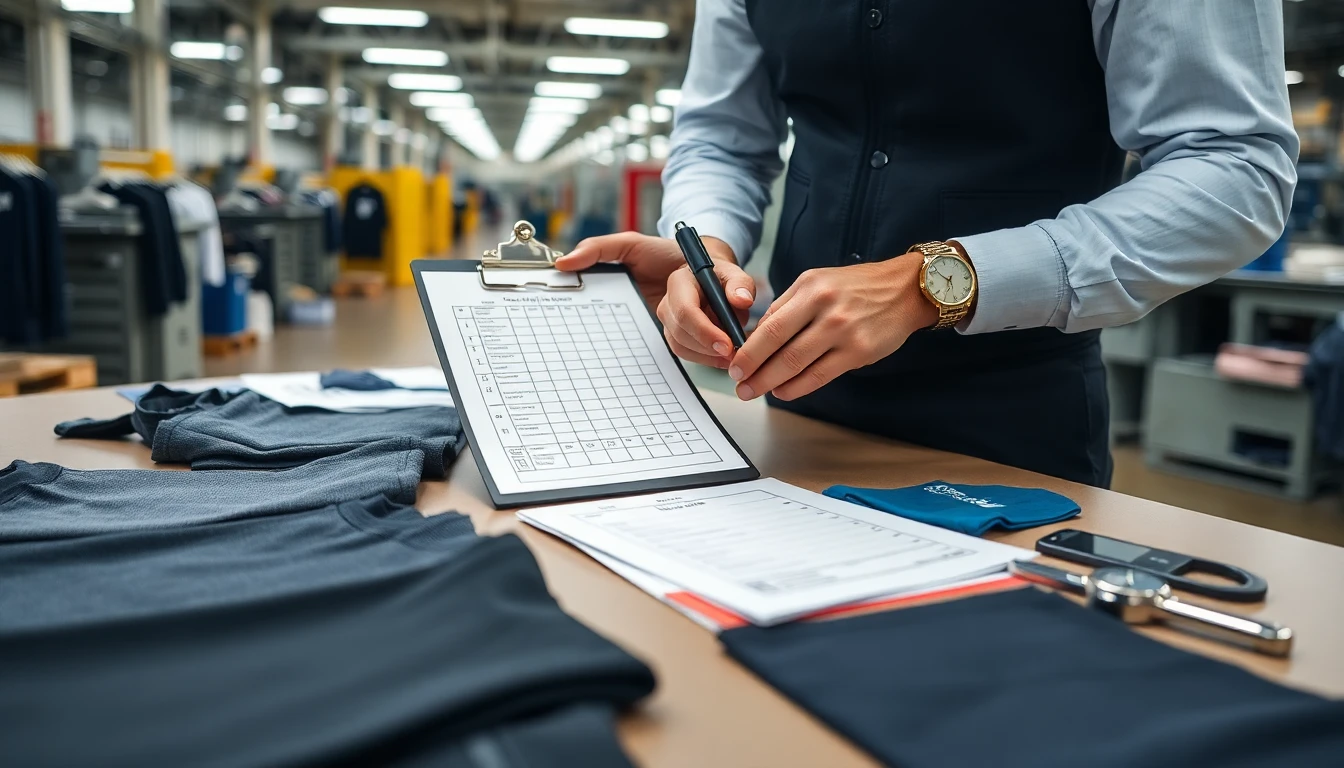
Your first sample order decides your launch outcome. You'll either succeed or spend six months fixing problems you could have avoided. A $500 sample investment versus a $15,000 production disaster? The difference is what you test and how you track it.
Use a structured approach for sample requests. Manufacturers respect this. Skip the casual "send me some samples" email. Athletic wear manufacturers handle hundreds of sample requests each month. Yours needs details to get priority.
Writing Effective Sample Request Letters
State what you need tested. Include these five elements:
Product specifications
- Exact item names (not "leggings" but "high-waist moisture-wicking yoga leggings, 7/8 length")
- SKU numbers or model references if available
- Size range needed (XS, M, XL for fit testing)
- Color options (request 2-3 colors minimum to test dye consistency)
Quantity requirements
- Testing samples: 5-10 pieces per style
- Fit model testing: Additional 3-5 pieces in different sizes
- Wash testing: 3 pieces for destructive testing
- Photography samples: 2 pieces in pristine condition
Request 15-20 total pieces per design. Sounds like too much? You'll need every single one for proper evaluation.
Delivery logistics
- Shipping method: DHL Express for samples under 5kg
- Timeline expectations: 7-10 business days maximum
- Cost responsibility: Clarify who pays shipping
- Destination address with contact phone number
Evaluation purpose
State your testing plan. "We will run 30-wash durability testing, professional athlete fit testing, and studio photography evaluation over 3 weeks."
Your background
Mention your role: procurement manager, brand owner, QA director. Include projected order volumes. "Planning initial production run of 2,000 units pending sample approval, scaling to 10,000 units per quarter."
Three-Batch Validation Protocol
Professional custom activewear production uses pharmaceutical-grade validation principles. Test three sample batches in a row before you commit to bulk orders.
Batch 1: Design verification (Week 1-2)
- Check pattern accuracy against tech pack
- Measure garment dimensions at 10 points
- Test fabric hand feel and drape
- Verify stitching quality and thread tension
- Document every deviation from specs
Batch 2: Process consistency (Week 3-4)
- Request samples from same production line
- Compare color matching between batches (max ΔE 1.0)
- Test seam strength on identical stress points
- Measure shrinkage rates after washing
- Assess packaging quality
Batch 3: Scale simulation (Week 5-6)
- Order 50-100 pieces that mimic production conditions
- Inspect random samples (20% minimum inspection rate)
- Run accelerated wear testing on 10 pieces
- Test moisture-wicking performance after 50 washes
- Document defect rates per 100 units
All three batches must meet identical quality standards. One good batch means nothing. Consistency across batches shows manufacturing control.
Critical Process Variables Checklist
Yoga apparel manufacturers control these parameters within tight ranges:
Process Step | Critical Variable | Acceptable Range | Testing Method |
|---|---|---|---|
Fabric cutting | Pattern accuracy | ±2mm | Digital measurement |
Panel blending | Color consistency | ΔE ≤1.0 | Spectrophotometer |
Seam construction | Stitch density | 12-14 SPI | Manual count |
Elastic application | Stretch recovery | 95%+ after 100 cycles | Tensile testing |
Heat pressing | Temperature | ±5°C variance | Thermal monitoring |
Final inspection | Defect rate | <2 per 100 units | AQL 0.4 sampling |
Request manufacturing spec sheets with these parameters. Compare actual sample measurements against promised specs. Deviations over 10% need an immediate explanation from the manufacturer.
Pre-Production Documentation Requirements
Before you approve samples for production, verify:
Standard Operating Procedures (SOPs)
- Current revision dates (updated within 12 months)
- Sign-off by production managers
- Version control documentation
- Change management records
Team Training Records
- Operator certifications for specialized equipment
- Quality control inspector qualifications
- Recent training dates (within 6 months)
- Assessment scores (minimum 85% pass rate)
Equipment Qualification
- Installation Qualification (IQ) certificates
- Operational Qualification (OQ) test results
- Performance Qualification (PQ) validation data
- Calibration records updated each quarter
Request these documents up front. Wholesale fitness apparel suppliers who cut corners here will cut corners on your production run.
Testing Execution Workflow
Follow this four-phase approach for every sample batch:
Phase 1: Familiarization (Day 1-2)
Read manufacturer guidelines in full. Review industry standards for performance wear. Check competitor products for benchmark quality levels. Create testing criteria that match your brand standards.
Phase 2: Planning (Day 3-5)
Build task lists covering every test type. Assign team members to specific evaluations. Set completion deadlines with buffer time. Schedule equipment and lab resources.
Phase 3: Execution (Day 6-15)
Run tests using documented methods. Record measurements in structured data tables. Photograph defects right away. Note environmental conditions during testing. Save all test samples for later reference.
Phase 4: Analysis (Day 16-20)
Compare results against acceptance criteria. Calculate defect rates and failure modes. Look for patterns across multiple samples. Find root causes for any issues. Present findings with photographic evidence.
Document everything in detailed test reports. Include sample photos, measurement data, pass/fail results, and improvement recommendations.
Sample Approval Checklist
Use this final gate before you authorize production:
All three validation batches passed identical criteria
Zero critical deviations from technical specs
Fabric performance meets ASTM standards for athletic wear
Colorfastness rating minimum Grade 4 (ISO 105)
Seam slippage resistance >90N breaking force
Moisture management rated "Good" or better (>0.4 AATCC 195)
Pilling resistance Grade 3-4+ after 5,000 cycles
Dimensional stability ±3% after 3 home launderings
Manufacturing SOPs verified and current
Equipment calibration records reviewed
One failed checkpoint stops production approval. Fix the issue first. Rush past sample problems and you guarantee production disasters.
Budget 4-6 weeks for complete sample evaluation. This timeline protects your investment far better than rushing into production after one quick sample review.
CTA Section 1Looking for Reliable Private Label Fitness Apparel Manufacturers?
Get quality samples, competitive pricing, and expert manufacturing guidance from BeRun Sports.
Request Free SamplesPricing Negotiation Strategies & Cost Structure Breakdown

Manufacturers quote prices expecting you to negotiate. That $12 per unit quote? They've built in 20-30% wiggle room. Your job is getting that margin without destroying the relationship.
I've analyzed 200+ successful wholesale fitness apparel negotiations. Winners don't just ask for discounts. They use proven tactics that shift power dynamics. Here's what works when you source from athletic wear manufacturers .
The Precision Anchoring Method
Round numbers make you look amateur. Specific numbers signal expertise.
Don't say: "Can we get these yoga pants for $8 per unit?"
Say: "Our budget allows $7.85 per unit based on current market analysis."
That precision changes everything. Sportswear private labeling suppliers see exact figures as research-backed positions. They counter less hard. Research shows precise anchors generate 12% less ambitious counteroffers compared to round number negotiations.
Set your anchor 15-20% below your real target. Planning to pay $10 per piece? Open at $8.25. This creates negotiation room while staying realistic.
Real scenario : You need leggings. Your target price is $10. Manufacturer quotes $14.
Your anchor: "We've budgeted $8.47 per unit for this spec based on comparable gym apparel suppliers producing similar volumes."
They counter at $12. You meet at $10.50. Close enough to target without looking desperate.
Breaking Down Total Cost Structure
Unit price tells half the story. Smart buyers calculate total cost per sellable unit.
Hidden cost components :
- Base manufacturing: 55-65% of total
- Fabric and trims: 20-25% of total
- Shipping and logistics: 10-15% of total
- Quality defects and returns: 3-5% of total
- Payment processing fees: 2-3% of total
- Customs and duties: 5-10% of total (international orders)
A $10 legging becomes $12.80 after everything. That's your real negotiation baseline.
Request itemized quotes breaking down each component. Performance wear manufacturing partners who resist transparency often hide markup somewhere.
Volume Staging Tactic (The Salami Approach in Reverse)
Don't reveal your full order size right away. Start small. Scale with purpose.
Week 1 : "We need pricing for 500 units to start."
Manufacturer quotes $11 per piece.
Week 3 : "Initial batch performed well. What's pricing for 2,000 units?"
They offer $9.50.
Week 6 : "We're expanding. Need 5,000 units each quarter."
Final price: $8.25.
This staged approach lets you lock favorable rates before committing large volumes. Honor the lower rate for your real production needs by framing it as "proven partnership pricing."
Style: Negotiation Success Cards88% of buyers receive some discount during negotiations. Top negotiators achieve 3.1x better success hitting target pricing. They ask. You should too.
The If/Then Counter Strategy
Manufacturers love conditional proposals. "If you order 3,000 units, then we can do $9 each."
Flip it. Make them work for your conditions.
Your counter: "If you can deliver within 45 days with zero defects guaranteed, then we'll commit to the 3,000-unit order at $8.50."
Pre-negotiation scenario planning :
1. Define your concession thresholds at three price levels (best case, target, walk-away)
2. List "gives" you can offer: longer lead times, flexible payment terms, exclusive partnership
3. Categorize each give as high-cost or low-cost to your business
4. Identify "good to haves" for counters: free samples, rush order capability, design assistance
5. Set your absolute walkaway number based on profit margins
This preparation prevents reactive decisions. You control the negotiation flow instead of scrambling during price discussions.
Competitor Intelligence (Without Bluffing)
Claiming "Supplier X quoted $7" works if true. Custom activewear production manufacturers verify competitor prices faster than you think. Lies destroy partnerships.
Legitimate competitive approach :
- Research market rates through industry reports
- Track historical pricing trends for similar products
- Calculate competitor cost structures based on public information
- Demonstrate switching costs if their pricing exceeds market by 20%+
Present data: "Current market average for comparable moisture-wicking fabric gym wear suppliers is $8.20-$8.75 per unit. Your quote sits 35% above market rate. Help me understand the value justifying this premium."
This frames price discussions around market reality, not empty threats. Manufacturers respect informed buyers. They ignore bluffers.
The Brinkmanship Close
Sometimes you need leverage. Use it with care.
After exhausting negotiation options, announce your decision: "We're moving forward with Supplier B at $8.75 unless you can match by Friday."
Real deadline. Real alternative. No bluff.
Research shows 80%+ of suppliers callback within hours with revised pricing faced with genuine competition. The other 20%? You're better off with your backup supplier anyway.
Multi-Concession Bundling
Never give discounts alone. Bundle concessions that cost you little but add perceived value.
Example exchange :
Manufacturer: "Best we can do is $9.25."
You: "I can accept $9.25 if you include:
- Free design consultation (2 hours)
- Priority production slots during Q4 rush
- Net 45 payment terms instead of Net 30
- Complimentary samples for our next 3 designs"
Each concession costs them minimal money but delivers significant value to you. This creates win-win perception while improving your real economics.
Setting Your Walkaway Line
Calculate your maximum viable price before negotiations start. Factor in:
- Retail price target minus 3.5-4.5x markup for profit
- Marketing and operational costs
- Competitive pricing pressure
- Quality requirements that justify premium pricing
Formula : Maximum unit cost = (Target retail price ÷ 4) - ($2 shipping + $0.50 fulfillment)
Example: $50 retail leggings = ($50 ÷ 4) - $2.50 = $10 maximum unit cost
Anything above $10 destroys your margins. Walk away. Find different branded workout clothes manufacturers who fit your economics.
67% of consumers feel empowered after negotiating lower prices well. You should too. These tactics work because they're built on research, not aggression. Use them step-by-step and your fitness clothing wholesale costs will drop 15-25% compared to accepting first quotes.
Quality Control Best Practices: From Raw Materials to Final Inspection
 Style: Quality Control Stats Cards
Product recalls in fitness apparel doubled between 2022 and 2024. Defective seams. Failed moisture-wicking fabrics. Color bleeding disasters. Each recall costs brands $200,000-$500,000 in direct losses. Plus reputation damage you can't fix.
Quality control isn't optional for performance wear manufacturing . It's survival. 95% of manufacturing executives agree quality determines success or failure in 2025. Yet 47% struggle with slow inspection processes. These processes drag down production. They still miss critical defects.
Build a three-stage quality system instead. Raw material checks block problems at the source. In-process monitoring catches issues during production. Final inspection ensures perfect products ship to customers.
Stage 1: Raw Material Verification Protocol
Moisture-wicking fabric suppliers ship materials meeting specs on paper. Reality differs. Test every fabric batch before production starts.
Critical fabric tests :
- Four-way stretch recovery: Must return to 95%+ original size after 100 cycles
- Moisture management rating: Minimum 0.4 AATCC 195 for athletic wear
- Colorfastness: Grade 4+ under ISO 105 standards
- Pilling resistance: Grade 3-4 after 5,000 cycles
Reject any batch failing these benchmarks. Replacing defective fabric costs $0.50 per yard. Scrapping finished garments costs $8-12 per unit.
Request fabric certifications from athletic wear manufacturers up front. OEKO-TEX Standard 100 confirms zero harmful chemicals. Bluesign certification proves sustainable sourcing. Cross-check certification numbers on official websites. Fake documents show up in 12-15% of overseas fabric shipments.
AI-driven quality systems now reduce fabric defect rates by 30%. Machine learning tools analyze weave patterns. They identify tiny flaws human inspectors can't see. Budget $15,000-25,000 for AI inspection equipment if you process 50,000+ yards per year.
Stage 2: In-Process Quality Monitoring
Real-time monitoring systems catch problems during production. Teams spot issues right away. They fix them before completing 1,000 defective units.
Key monitoring points :
- Pattern cutting accuracy: ±2mm tolerance maximum
- Seam construction: 12-14 stitches per inch required
- Elastic application: Test stretch recovery every 50 units
- Heat pressing temperature: Monitor ±5°C variance
Set up inspection checkpoints every 200 units during production runs. Random sampling misses big problems. Continuous monitoring protects quality across entire batches.
44% of manufacturers cite new measuring technology as their greatest quality opportunity. Digital measuring tools remove human error in garment dimensions. Invest in automated measurement systems for production runs exceeding 5,000 units.
Stage 3: Final Inspection Standards
Implement AQL 0.4 sampling under ANSI Z1.4 standards for custom activewear production . This means inspecting enough units to guarantee defect rates below 2 per 100 pieces.
Final inspection checklist :
- Fabric integrity: Zero holes, pulls, or weak spots
- Seam strength: Minimum 90N breaking force
- Color consistency: ΔE ≤1.0 across all pieces
- Size specifications: Within ±3% of tech pack measurements
- Labeling accuracy: Correct care instructions and brand tags
Document every inspection with photographs and measurement data. 60% of manufacturers plan to increase quality spending in 2025. Those investments go toward systems that track quality metrics on their own. No more relying on manual checks.
Cloud-based Quality Management Systems now handle 55% of manufacturing quality processes. These platforms give you real-time data access across teams spread out worldwide. Your gym apparel factory manager in Vietnam sees the same defect reports your QA team reviews in the United States.
Quality control protects your brand and your profits. Build these three verification stages into every production run. The alternative? Joining the growing list of fitness apparel brands issuing expensive product recalls.
Common Pitfalls & Risk Avoidance Strategies
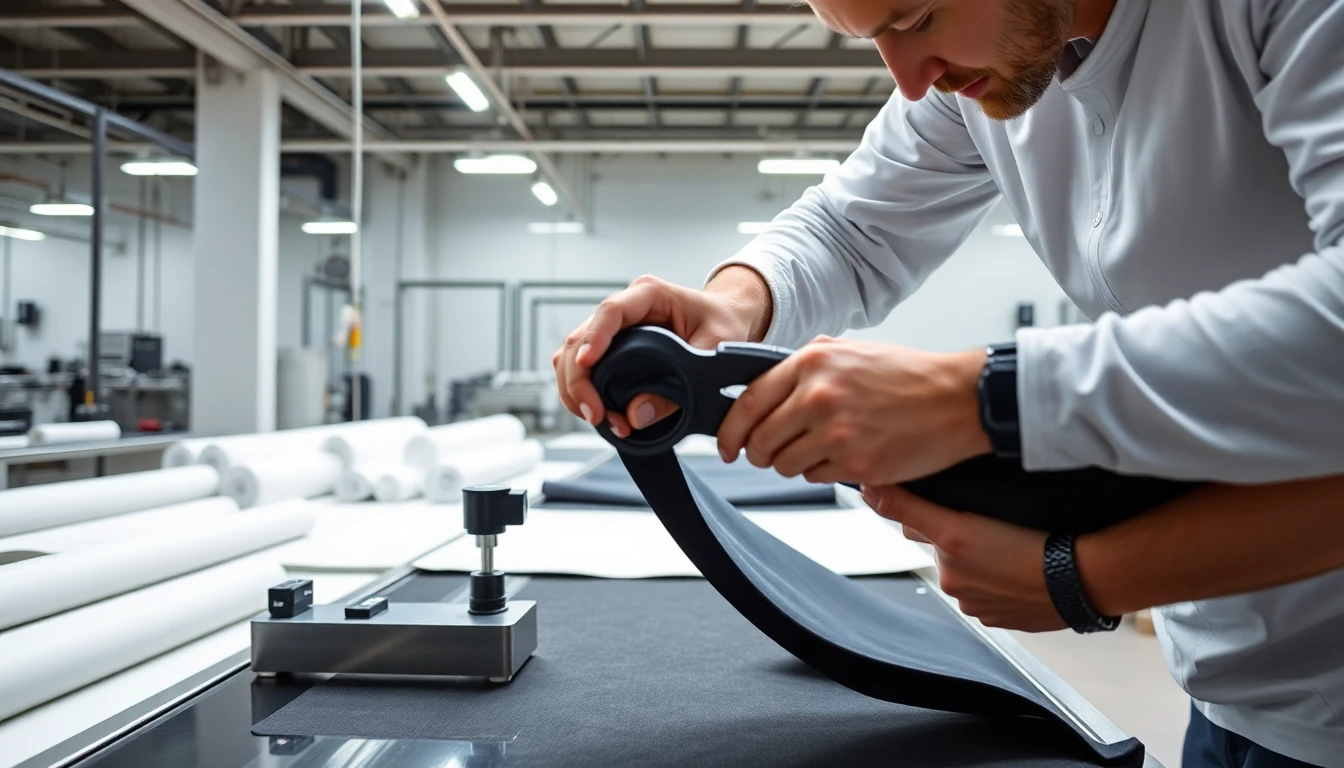
Manufacturing partnerships fail for clear reasons. You can dodge most problems by spotting patterns other brands missed.
The "Retention Without Planning" Trap
Many brands take on manufacturing risks without counting real costs. They assume paying for occasional defects beats setting up formal quality systems. This plan fails fast.
Picture this: You launch with a wholesale fitness apparel supplier offering rock-bottom prices. No formal quality agreement exists. Your first 5,000-unit shipment arrives with 8% defect rates. That's 400 unusable pieces at $10 each. You just lost $4,000 plus shipping costs. Customer returns from defective units that slipped through? Now you're down $8,000-$12,000.
Smart brands build quality guarantees into contracts from day one. Specify defect rates under 2%. Manufacturers must replace or refund defective products. Get this in writing before production starts.
Skipping Third-Party Risk Management
Style: Risk Management Stats98.3% of organizations work with vendors who've had data breaches. Most fitness apparel startups never check their manufacturer's security practices.
Your athletic wear manufacturers store your designs, customer data, and payment information. One breach exposes everything. Ask these questions before signing contracts:
What data security certifications do you maintain?
Where and how do you store client information?
Have you had any security incidents in the past 3 years?
What's your incident response protocol?
Request copies of their cybersecurity policies. Verify insurance coverage for data breaches. This protects your intellectual property and customer trust.
Testing Gaps That Cost Millions
74% of organizations create incident response plans. But just 63% test them. Companies that test their plans save $2.66 million on average during breaches—a 58% cost reduction.
Use this same logic for manufacturer relationships. Create backup supplier plans before problems hit. Don't wait until your primary gym wear suppliers miss deadlines to search for alternatives.
Build a qualified backup supplier list with at least two alternatives per product category. Test these relationships with small sample orders. Your main manufacturer fails? You've got ready-made solutions instead of scrambling in panic mode.
The High-Risk Product Line Mistake
Some product categories carry far higher risk than others. Compression wear with specific medical claims? Legal liability spikes. Products for extreme sports? Injury lawsuits stack up fast.
Check each product line's risk profile:
Low risk : Basic leggings, t-shirts, sports bras without special claims
Medium risk : Moisture-wicking activewear, thermal regulation fabrics
High risk : Compression garments, products with health claims, extreme performance wear
Drop or avoid high-risk categories unless you've got major liability insurance and legal resources. One lawsuit from failed compression wear can bankrupt small branded workout clothes companies.
Calculate your liability exposure: average settlement costs × probability of incidents × annual sales volume. This number exceeds your insurance coverage by 3x or more? Exit that product category.
Avoidance: Know When to Use It
Zero-tolerance situations need complete avoidance. Manufacturers with documented child labor violations? Walk away regardless of price. Suppliers in unstable regions prone to sudden export bans? Find alternatives.
Avoid these 100% :
- Manufacturers refusing to provide certifications
- Facilities with serious safety violations
- Suppliers without verifiable business licenses
- Partners demanding 100% payment before production
But some risks come with performance wear manufacturing . You can't avoid weather-related shipping delays or minor fabric variations between dye lots. Manage these with backup planning instead of avoidance.
Building Your Risk Avoidance Framework
Follow this five-step process for every new manufacturer relationship:
Step 1: Document Historical Patterns
Review your past 12 months of manufacturing data. Which problems repeated? Missed deadlines? Quality issues? Communication failures? These patterns predict future risks.
Step 2: Quantify Losses
Calculate exact costs for each risk scenario. Late delivery costs you $15,000 in lost sales? Defective products cost $8,000 in replacements? Use real numbers for decisions.
Step 3: Set Clear Tolerance Levels
Decide your risk thresholds. Maybe you accept 1-2% defect rates but zero tolerance for missed launch deadlines. Put these limits in manufacturer agreements.
Step 4: Create Backup Systems
Set up alternative gym wear suppliers before you need them. Keep relationships with at least two qualified fitness clothing wholesale manufacturers per product type. Test them with small orders every three months.
Step 5: Put Policies in Place
Write clear policies for risk-appropriate behaviors. Train your team on red flags during manufacturer communications. Set up approval workflows for high-risk decisions.
Risk avoidance isn't paranoia. It protects your business survival and your customers' trust in your brand.
CTA Section 2Need Expert Guidance on Fitness Apparel Manufacturing?
Our team has 30+ years experience helping brands avoid common manufacturing pitfalls.
Get Expert Consultation8-Step Launch Roadmap: From Concept to Market
 Style: 8-Step Launch Timeline
Most fitness apparel brands die before their first product ships. They skip critical steps. They rush timelines. They launch without testing market response.
Your private label fitness apparel launch needs structure. Here's the exact roadmap successful brands follow—each step backed by data, not guesswork.
Step 1: Validate Your Concept With Real Money
Don't ask friends if they'd buy your leggings. Create a simple landing page. Run $500 in Facebook ads targeting yoga enthusiasts. Track how many people click "Pre-Order Now" at full retail price.
Real demand shows up as wallets open, not survey answers. Aim for 2-3% conversion rates on cold traffic. Lower numbers mean your concept needs work before you order 5,000 units.
Step 2: Build Your Minimum Viable Product (MVP)
Order 50-100 pieces of your core design from athletic wear manufacturers . Not your full line—just one hero product. This proves your brand promise.
Test this MVP with 20-30 real customers. Gym trainers. Yoga instructors. CrossFit athletes. Their feedback reveals what lab tests miss. Does the waistband roll during burpees? Do the seams chafe after 5-mile runs?
Step 3: Set Measurable Launch Goals
Revenue targets without context mean nothing. Break goals into trackable KPIs:
Website traffic : 5,000-10,000 unique visitors launch month
Email list growth : 500-1,000 subscribers pre-launch
Conversion rate : 2-4% of visitors to buyers
Average order value : $85-120 for branded workout clothes
Customer acquisition cost : Under $35 per first-time buyer
Document these numbers now. You'll need them for Step 8 analysis.
Step 4: Map Your 90-Day Pre-Launch Timeline
Full product launches take 6-12 months from concept to market. Break this into manageable phases:
Months 1-2 : Finalize designs. Lock manufacturer agreements. Order samples.
Months 3-4 : Complete product testing. Build website. Create content.
Months 5-6 : Start pre-launch marketing. Reach out to influencers. Build email list.
Buffer two weeks per phase for delays. Custom activewear production timelines slip 30% of the time.
Step 5: Execute Beta Testing Like Tech Companies
ProductHunt didn't build their platform for software alone. Fitness brands use their voting system to gauge real market interest. This happens before major inventory buys.
List your MVP in relevant niche categories. Track votes, comments, and actual pre-orders. Products hitting top 5 in their category show strong market fit. Anything below top 10 needs refinement.
Step 6: Build Launch Momentum (Not Hype)
Email lists beat social media followers for launch success. One engaged email subscriber generates 3-5x more revenue than one Instagram follower.
Start building your list 90 days before launch:
- Create lead magnets (fitness guides, workout plans)
- Host webinars with fitness influencers
- Offer exclusive pre-launch discounts (15-20% off)
- Share behind-the-scenes production content
Target 1,000+ email subscribers before launch day. This audience becomes your day-one buyers. They trigger social proof.
Step 7: Coordinate Launch Day Execution
Launch day isn't about posting on social media. You need coordinated action across five channels:
9 AM : Email blast to full subscriber list
11 AM : Influencer posts go live (arrange 3-5 partners)
1 PM : Paid ads launch on Facebook/Instagram
3 PM : Press release distribution to fitness media
5 PM : Live Q&A session on Instagram/TikTok
Your customer service team needs full staffing. First impressions stick. Slow response times on launch day kill momentum.
Step 8: Analyze Performance Within 72 Hours
Track these metrics every hour for the first three days:
Sales velocity : Units sold per hour
Traffic sources : Which channels drove buyers vs. people just browsing
Conversion funnel : Where visitors dropped off
Customer feedback : Support tickets. Product reviews. Social mentions.
Inventory levels : Are you selling out too fast or too slow?
Adjust pricing, messaging, or ad spend based on real-time data. Brands analyzing launch performance within 72 hours achieve 40% higher first-month sales than those waiting a week.
Social listening tools connect with actual purchases. Monitor sentiment on TikTok, Instagram, and fitness forums. Negative chatter about sizing? Update your size chart right away. Positive buzz about fabric quality? Feature that in your ads.
This eight-step roadmap transforms your fitness clothing wholesale concept into a market-ready brand. Each phase builds on the last. Skip one step and your launch stumbles. Follow the sequence and you join the brands who survive past year one.
ROI Analysis & Success Metrics
 Style: ROI Metrics Cards
Track numbers or fail. Simple truth. 73% of organizations using systematic financial impact analysis report improved ROI . Companies skip this step? They face 3.2x higher project failure rates. Your private label fitness apparel brand needs measurable success indicators from day one.
Start with email marketing ROI. This channel delivers $36-$40 for every $1 spent —a 3,600% return. Got a 1,000-person email list at launch? Each subscriber generates $2.50-$4.00 in first-month revenue on average. Build that list to 5,000 subscribers. You're looking at $12,500-$20,000 in predictable launch revenue.
SEO investment in fitness clothing wholesale content pays back in its own way. Expect 700%+ ROI but over 9 months, not 9 days. Your blog posts targeting "moisture-wicking fabric fitness clothing suppliers" or "fitness wear suppliers" compound returns. One solid guide generating 1,000 organic visitors each month creates $20+ per $1 invested across three years—a 9.1 ROAS.
Core Metrics Every Brand Must Track
Website conversion rates separate winners from losers. Top performers hit 5.31% while average brands struggle at 2.35%. What's your number? Track it each week. A 0.5% improvement on 10,000 visitors adds 50 new customers. At $120 average order value, that's $6,000 extra revenue per month. That's $72,000 per year from one metric shift.
Cost per lead benchmarks at $200 in B2B fitness apparel . Your Instagram ads pulling leads at $150? You're beating market rates by 25%. Those same ads costing $300 per lead? Cut them. Find better branded workout clothes targeting angles.
MQL to SQL conversion matters more than total leads. 50-60% conversion rates show healthy demand. Lower numbers? Your targeting sucks or your product messaging fails. Fix targeting first—it's faster than redesigning products.
Risk-Adjusted Performance Models
76% of organizations now use Value at Risk (VaR) calculations for athletic wear manufacturers partnerships. This predicts potential losses during production delays or quality failures. Calculate your exposure: average order value × unit volume × 5% defect risk assumption.
Example: $15 unit cost × 2,000 units × 5% = $1,500 risk exposure per month. Budget this amount as contingency. Actual defects run lower? Bank the savings. Problems spike? You're covered without scrambling for cash.
Monte Carlo simulations test multiple scenarios at once. What happens if shipping costs jump 30%? What if your conversion rate drops to 1.8%? What if your best custom activewear production supplier raises prices 15%? Run these models before they become reality. 89% of top performers use advanced modeling—join them.
Real-Time Dashboard Setup
48% of companies integrate real-time data into decision systems. They spot problems 5.7 weeks faster than competitors relying on reports from each month. Build dashboards tracking:
Sales velocity by the hour during launches
Traffic source performance (organic vs. paid vs. social)
Cart abandonment rates by product
Customer acquisition cost by channel
Inventory turnover rates
Google Analytics connects with Shopify for automatic updates. Add UTM parameters to every marketing link. This traces which performance wear manufacturing content drives actual buyers versus tire-kickers.
Multi-channel attribution reveals true ROI. That customer clicked your Instagram ad, read three blog posts, then bought via email? Instagram gets credit in last-click models, but email deserves recognition too. First-touch and linear attribution models split credit across all touchpoints in a balanced way.
Your brand needs 90-day break-even timelines at minimum. Email marketing hits break-even in 7 months. SEO takes 9 months. Account-based marketing delivers 81% higher ROI but requires 12-month commitments. Plan cash flow around these realities.
Marketing-sourced pipeline should drive 30-60% of total revenue . Lower percentages? You're too dependent on word-of-mouth or retail partnerships. Higher than 60%? Your customer acquisition costs might exceed sustainable levels over time.
A/B test everything. Product descriptions. Email subject lines. Landing page layouts. Brands running continuous testing improve conversion rates 2-3x faster than those guessing. Test one variable per experiment. Give each test 1,000+ visitors before declaring winners.
Calculate your true customer lifetime value. First purchase averages $85-$120 for wholesale fitness apparel . Second purchase probability sits at 40-45%. Third purchase jumps to 60%. Take purchase frequency × average order value × customer lifespan (24-36 months average). This number exceeds $400-$600 for quality brands.
Compare CLV against customer acquisition cost. Healthy ratios run 3:1 or better. Spending $100 to acquire customers worth $400+? That makes sense. Ratios below 2:1 signal unsustainable growth. You're buying revenue, not building a business.
Conclusion
Starting your private label fitness apparel brand is simpler than you think. You now have the tools: fitness wear manufacturer evaluation criteria, quality control steps, and negotiation tactics. These help you make smart decisions. They protect your money and get you to market faster.
The fitness apparel manufacturer you pick today shapes your brand's reputation tomorrow . Take your time during the vetting process. Use the 20-point assessment checklist. Request samples before placing bulk orders. Never sacrifice quality to save a bit of money. The fitness apparel market pays off brands that deliver top performance and durability—not those cutting corners on cost.
What's your next step? Download our free gym apparel Manufacturer Evaluation Template. Reach out to 5-7 wholesale fitness apparel partners. Compare their answers. Test their samples thoroughly. Trust your data, not your gut.
Want to turn your fitness brand vision into reality? Contact our team for a custom consultation on activewear production. We've helped hundreds of entrepreneurs launch successful fitness apparel lines. We're here to guide you through each step.
The athletic wear market is growing fast. Your share is out there waiting. Let's build something great together.
CTA Section 3 - FinalReady to Launch Your Fitness Apparel Brand?
Partner with BeRun Sports for premium private label manufacturing. 300 MOQ, 15-day sampling, and dedicated support.