Table of Contents
It's the bottom of the ninth. Bases are loaded. Your star player is tugging at their jersey, drowning in sweat and discomfort. Or maybe it's just Tuesday practice, and half your team is complaining. Their cotton uniforms feel like wet blankets. Sound familiar?
The polyester vs cotton baseball jersey debate goes beyond fabric preferences. It affects athletic performance and team budgets. You need to know if those uniforms will last one season or five.
For teams evaluating custom polyester or cotton baseball jerseys, this decision usually comes down to moisture control during games, durability across repeated wash cycles, and whether practice gear needs to match game-day performance standards.
Maybe you're a coach building a winning program. Or a parent shopping for little league. Perhaps you're a team manager balancing performance needs with tight budgets. Choosing between moisture-wicking baseball uniforms and traditional cotton can feel tough.
Here's the truth: both fabrics have their strengths. Understanding which one to use (and why blends might be your secret weapon) will save you money and headaches. Plus, you'll avoid those mid-game wardrobe complaints.
What makes each fabric work? Which one performs better in the heat? How do you make a choice you won't regret at checkout? The answers are simpler than you think.
Polyester Baseball Jerseys: Performance Characteristics & Advantages
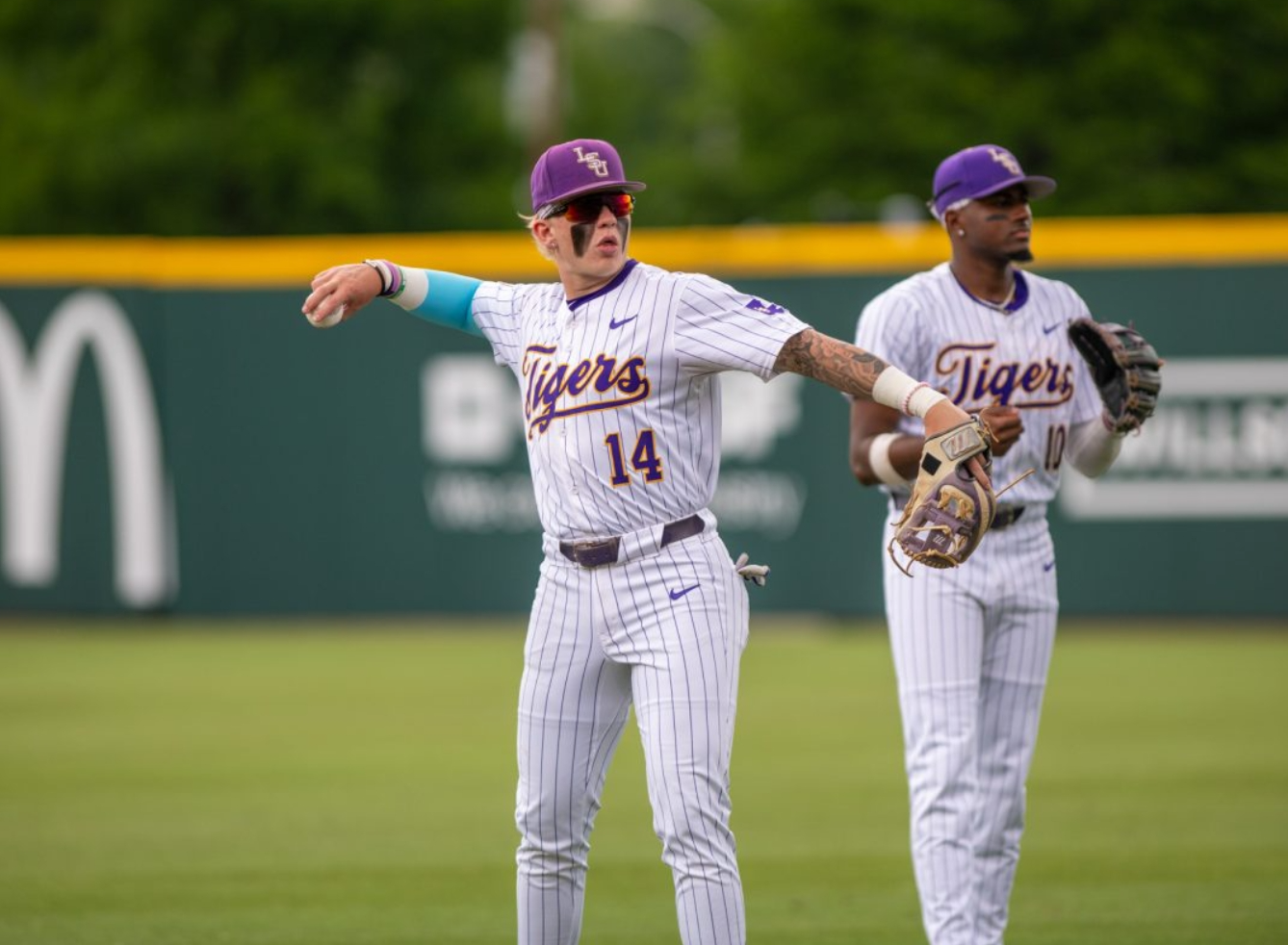
Modern polyester jerseys aren't your dad's scratchy practice uniforms. The Nike Vapor Premier Jersey—MLB's current standard—uses at least 90% recycled polyester yarns. It dries 28% faster than previous versions. That's not marketing fluff. It's engineered performance that keeps athletes comfortable.
How Moisture-Wicking Works
Polyester fibers contain tiny pores. These pull sweat away from your skin through capillary action. The moisture spreads across the fabric's surface. There it evaporates quickly. Cotton absorbs and holds sweat. Polyester moves it away. Simple physics that makes a massive difference during a doubleheader in summer heat.
The Dri-FIT ADV technology in premium jerseys takes this further. Special fiber construction creates channels. These transport moisture while keeping the fabric strong. Your players stay dry, not sticky.
Lightweight Construction That Moves With You
Weight matters more than most coaches realize. Polyester's airy texture reduces bulk without losing coverage. Less fabric weight means less friction during slides and sprints. Your team isn't fighting their uniforms—they're just playing ball.
Add 5-10% spandex to the blend, and you get 4-way stretch . This enables unrestricted movement. The Nike Vapor Premier delivers 25% more stretch than older models. That extra give means smoother swings. Pitching mechanics get easier. No tugging at sleeves between plays.
Built to Last Season After Season
Polyester's high strength resists tears and pilling. Cotton jerseys can't match this. The tight structure bounces back from wear. Those game-saving slides across dirt? The fabric handles them. Repeated washing cycles? The jersey keeps its shape while cotton shrinks and fades.
Durability benchmarks you can count on:
- Tear-resistant build survives aggressive play
- Shape retention after 50+ wash cycles
- Color-fast properties keep team colors vibrant
- Pilling-resistant finish keeps the professional look
Strategic Breathability Features
Premium baseball jerseys use zoned mesh panels in high-sweat areas. We're talking armpits, back, and sides. These targeted zones boost airflow where athletes need it most. Micro mesh and interlock fabrics at 260gsm weight balance breathability with coverage.
Different mesh types serve specific needs. Polyester Birdseye Flatback Mesh works great for jerseys. It has a moisture-wicking finish and works with dye-sublimation printing. Athletic Mesh (75 Denier Eyelet) gives maximum airflow. Plus, it stays durable for tops and bottoms.
Temperature Regulation Science
Moisture-wicking combined with mesh construction lowers skin temperature. This isn't comfort—it's fatigue delay . Your body doesn't work overtime cooling itself. Energy goes to performance instead. Some advanced fabrics include mineral coatings. These reflect infrared radiation, adding another layer of temperature control.
The cross-section fibers and honeycomb structure in modern polyester keep humidity away from skin. No clingy, rubbing fabric. Just dry, friction-free movement from first pitch to final out.
Cotton Baseball Jerseys: Comfort Features & Limitations
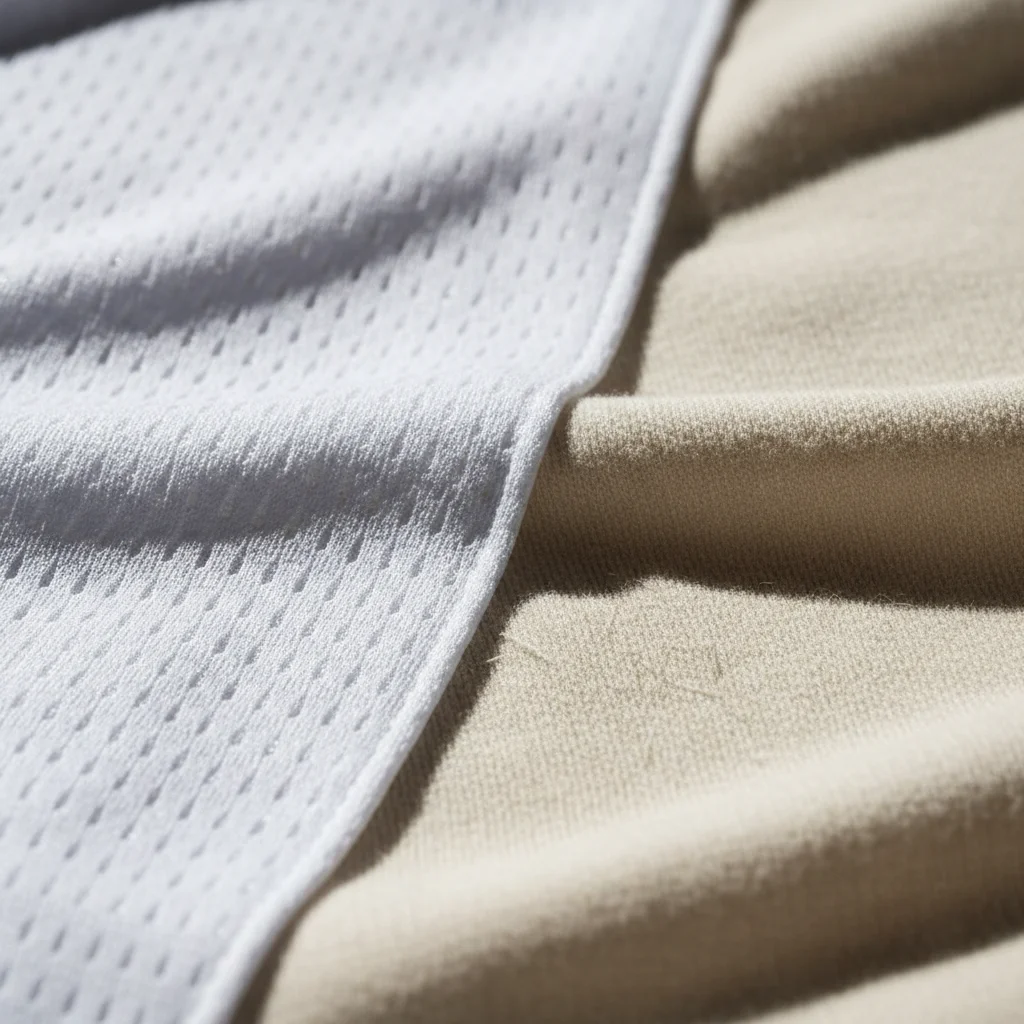
Cotton feels like home. That soft, broken-in texture against your skin—vintage baseball tees stay popular for good reason. Cotton jerseys give you comfort that synthetic fabrics can't match. They're perfect for practice sessions and casual games. But that cozy feel has trade-offs. Know these before you order uniforms for your team.
The Comfort Factor That Players Love
Cotton's natural fibers create a smooth, breathable jersey. It feels light from day one. Fine cotton construction uses 32s–40s yarn counts. This produces jerseys weighing just 140–160gsm. That's real lightweight—not marketing hype. The porous fiber structure lets air move through. Your skin breathes. Heat escapes instead of getting trapped inside like with cheap synthetics.
The texture matters more than most people realize. Single-knit cotton creates a uniform surface that moves with you. No scratchy seams. No chemical feel. Just pure, soft fabric that gets better with each wash. Cotton-modal blends add silky drape. Players who want extra smoothness love this option. Cotton-bamboo combinations work great for sensitive skin types.
Cotton's natural stretch reduces movement limits during swings and throws. The fabric gives without fighting back. Cotton absorbs up to 7% of its weight in moisture. It still keeps that body-fitting shape players love. Charged Cotton technology has upgraded old cotton's performance. It pushes sweat away faster than standard cotton weaves. This keeps you dry and comfortable longer.
Where Cotton Falls Short on Game Day
Here's the brutal truth: cotton turns into a wet blanket during hard play. That 7% moisture absorption? It's a performance killer during heavy sweating. The jersey gets heavy. It gets soggy. It clings to your skin. Polyester pushes moisture away. Cotton traps it against your body.
Real limits you'll notice:
- Jerseys gain weight as they soak up sweat
- Fabric stays damp between innings
- Heat and moisture get trapped during hard play
- Lower tear resistance compared to synthetic options
- 50/50 poly-cotton blends (6.5–9 oz) lack true wicking power
The breathability rating tells the full story. Cotton delivers high airflow but poor moisture control. Mesh blends give you both. That's why 100% cotton has disappeared from professional baseball. The fabric can't handle modern athletic demands. Doubleheaders in summer heat? Cotton can't keep up.
Performance Comparison: Game Day vs Practice Scenarios
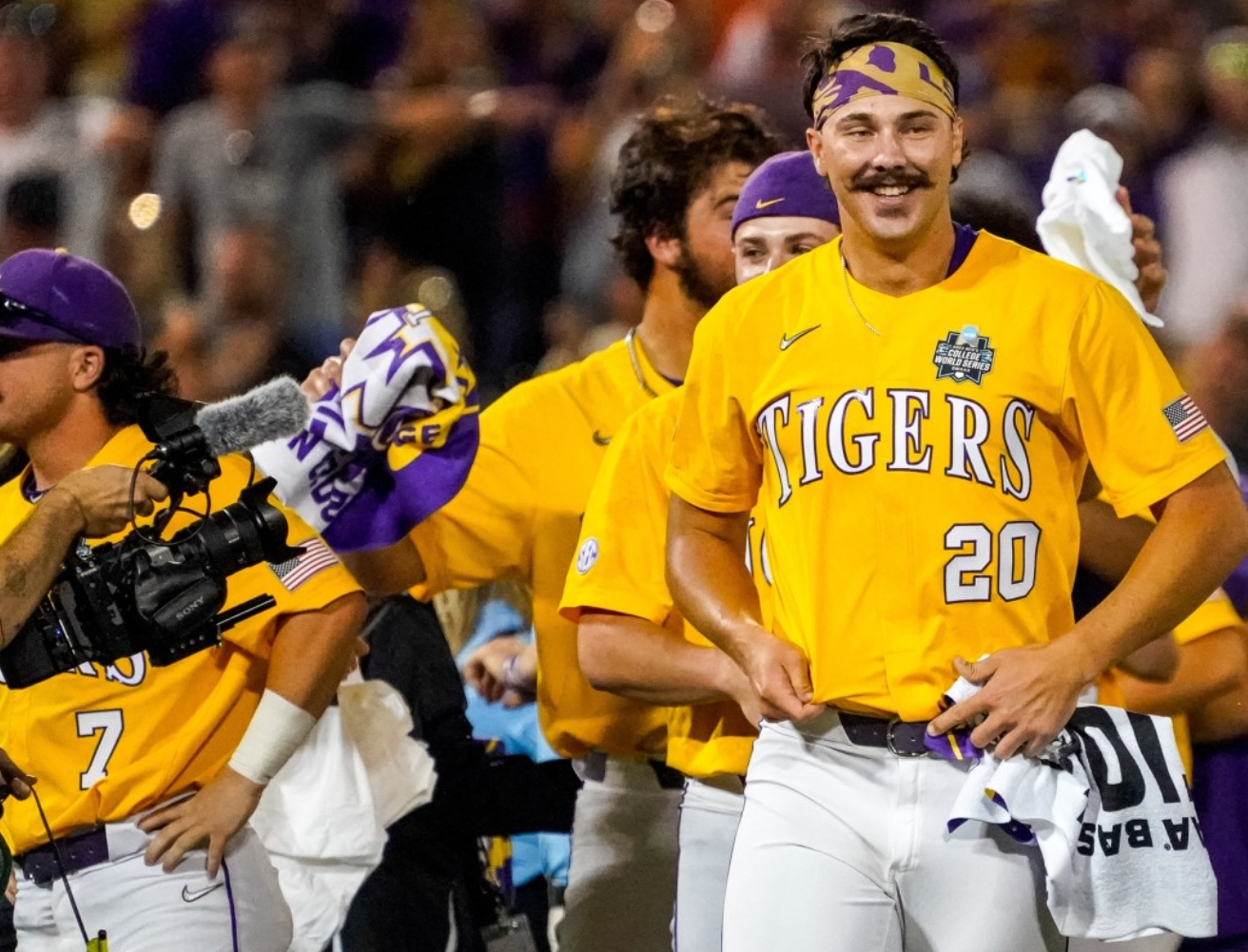
Your team's Tuesday practice feels like a casual jog. Saturday's championship game? Total intensity shift. This isn't just perception—it's measurable reality that shows which fabric performs better.
Game day demands crush practice loads across every metric. NCAA Division I soccer data proves this: starters cover 8,064 meters during games versus just 2,922 meters in practice . That's less than 40% of game intensity. Player load drops. High-speed distance drops. Intense metabolic activity drops. All by 55-80% during drill sessions versus opponent battles.
The fabric consequences? Polyester's moisture-wicking baseball uniforms shine during game-day spikes. Cotton handles light practice sweating just fine. But your pitcher throws 95 pitches across seven innings in summer heat? Cotton becomes a soaking liability. Polyester keeps working as intensity climbs.
Cotton Works for Practice: The Practice Jersey Equation
Practice scenarios create different fabric demands. Your team runs drills for 90 minutes. Not the sustained chaos of a doubleheader. Total distance drops. Sweat output stays manageable. Cotton's natural breathability feels amazing during ground balls and base running at 45% of game intensity.
Cotton excels during:
- Indoor cage work and batting practice
- Spring training in cooler temperatures
- Short skill sessions under 60 minutes
- Youth league practices (lower intensity levels)
- Budget-friendly team practice uniforms that rotate often
Athletic performance fabrics lose their advantage during lighter effort. Cotton modal blends give you that broken-in softness players love between competitive games. Teams often stock cotton for weekday work. They save premium polyester for games.
Game Day Performance: Why Synthetics Dominate Competition
Basketball teams using STRIVE Tech monitoring discovered something critical: pre-game fatigue tanks game performance . Practice loads stayed too high Monday through Thursday? Saturday output dropped. The solution? Adjust practice intensity. Use fabrics that don't add fatigue through poor moisture management.
Polyester's efficiency shows up in the data. Post-injury athletes wearing moisture-wicking materials maintained better output than those in cotton. Same external workload. 40% better efficiency. The fabric wasn't fighting against recovery. It was supporting it.
Game day jersey performance benefits:
- Repeated high-intensity efforts: 22 efforts per game versus 11 in practice
- Temperature regulation during 2+ hour games
- Consistent dryness through extra innings
- Shape retention despite aggressive slides and dives
- No mid-game weight gain from sweat absorption
Football players showed the clearest split. Practice loads during the week barely touched Saturday game demands across total distance and player load metrics. Your game jersey needs durability that practice uniforms don't require. One jersey survives 15 tough game situations. The other just needs to last through controlled drills.
The smart play? Polyester for games, cotton or blends for practice. Match your fabric to real athletic demands. Not assumptions about what "feels better." Your budget stretches further. Your players perform better. Game day and practice scenarios differ. Your jersey choices should too.
Poly-Cotton Blend Baseball Jerseys: The Balanced Solution
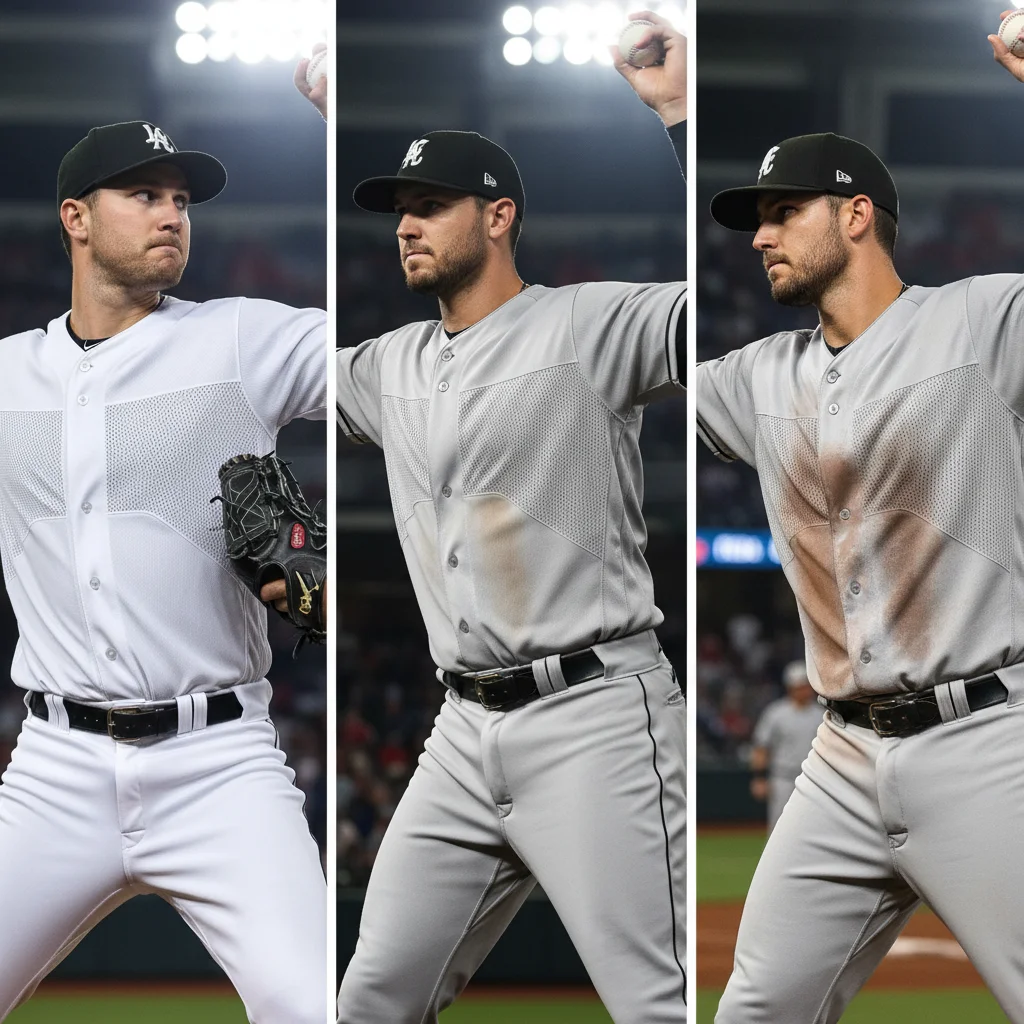
Poly-cotton blends don't pick sides in the fabric war. They combine polyester's tough durability with cotton's soft comfort. The result? One jersey that makes sense for real baseball play.
The science is simple: polyester handles moisture while cotton keeps your skin comfortable. A 60/40 polyester-cotton ratio gives you long-lasting wear without the scratchy feel. Polyester pulls sweat to the fabric surface. Cotton fibers add breathability so moisture evaporates instead of sitting there. You skip that wet, heavy feeling that ruins 100% cotton jerseys during long games.
Where Blends Win Your Budget Battle
Training sessions destroy jerseys. Constant washing and movement take their toll. Poly-cotton blends handle this abuse well. They resist stretching, shrinking, and wear. Your team uniforms last season after season without looking worn out. Colors stay bright. Team logos don't fade after twenty washes. Wrinkles? Almost none.
Blend jerseys work best for:
- Practice sessions that need comfort plus durability
- Warm-up gear and travel uniforms
- Fan merchandise that looks authentic and wears well daily
- Indoor sports or moderate climate games
- Team uniforms for soccer, basketball, and recreational baseball
Port & Company's essential tee shows how well this works: 50/50 blend with DryZone moisture-wicking technology. It feels like your favorite athletic T-shirt but performs better. You can get sizes S-4XL. Great for team events that need comfort without giving up performance.
The blend's light weight cuts down friction during slides and sprints. The smoother texture means less skin irritation compared to pure cotton's rougher feel. Your jersey moves with you instead of working against quick changes in direction.
The Honest Limits
Extreme heat shows where blends fall short. That cotton percentage cuts breathability compared to 100% polyester mesh. Playing high-intensity championship games in summer heat? Pure polyester still wins. Blends work better for moderate temps and mixed activities.
Stretch is limited too. Poly-cotton gives you moderate flex. This is nowhere close to the 4-way stretch from polyester-spandex blends. Need full range for pitching? Add 5-10% spandex to your blend specs. This boosts movement freedom while keeping the cotton comfort.
Performance reality check:
What You Get | Poly-Cotton Blend | 100% Polyester | 100% Cotton |
|---|---|---|---|
Breathability | Better (cotton boost) | Lower | High but wet |
Moisture Control | Good (poly-driven) | Excellent | Poor (soaks) |
Durability | High | Highest | Low (shrinks) |
Skin Comfort | High (soft) | Moderate | Highest (when dry) |
Stretch | Moderate | High (with spandex) | Low |
Blends work well for middle-ground needs. Training jerseys need comfort and durability without high costs. Casual fan gear needs authentic looks with daily breathability. Team uniforms for moderate sports get balanced benefits. The fabric won't hurt performance. It just won't set records either.
Care is simple. Toss blends in the wash. Run a quick dry cycle. You get minimal shrinkage or wrinkling compared to cotton's fussy care needs. Your team manager isn't dealing with fabric problems between games. The jerseys just work.
Inline CTAFabric Selection Guide by Team Type & Budget
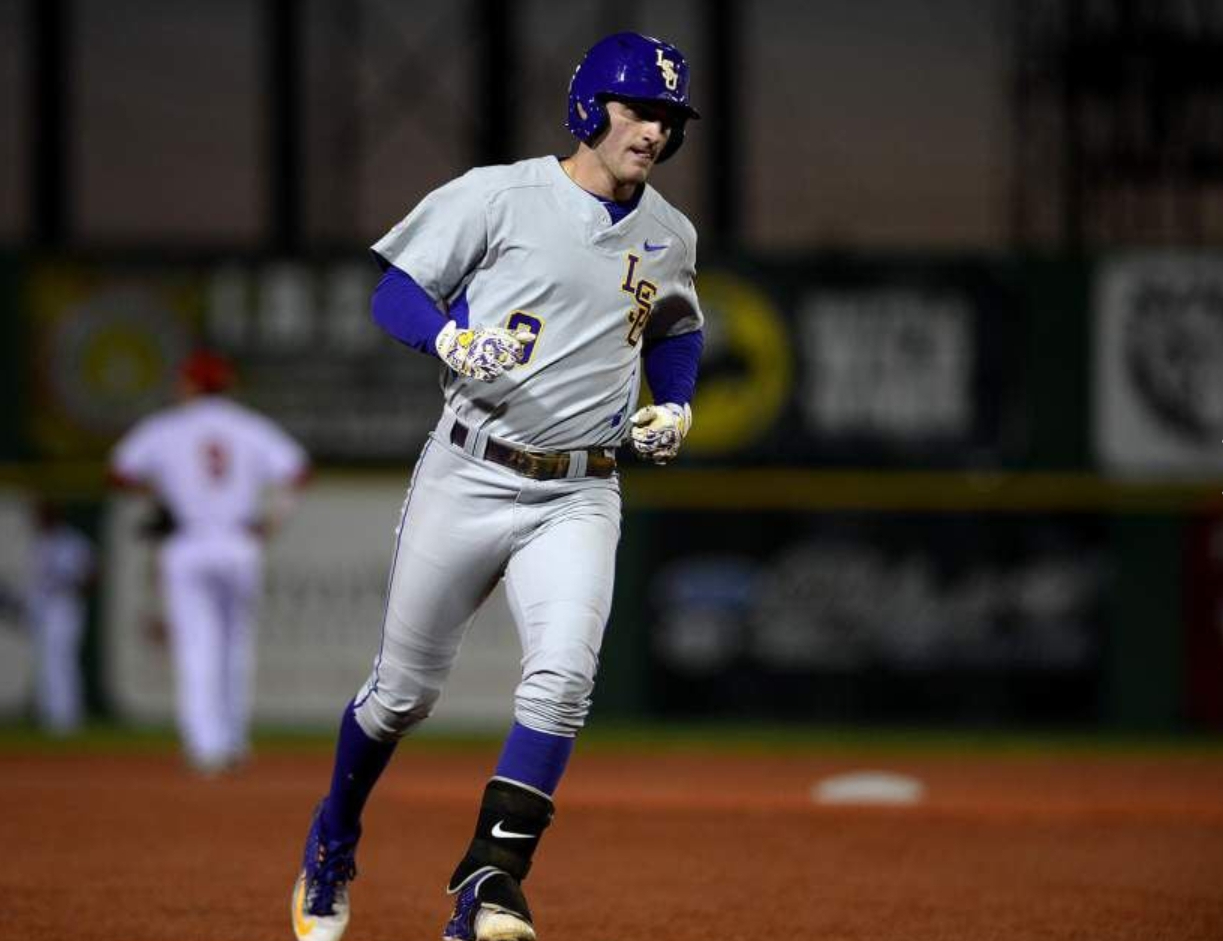
Your team's needs aren't one-size-fits-all, and neither is your fabric choice. A competitive travel baseball team playing doubleheaders in summer needs different jerseys than a rec league practicing twice a week under shade trees. Budget reality matters just as much as performance dreams.
Start by defining your ideal budget versus maximum budget . The smart allocation? 70% goes to your primary fabric , 20% covers extra materials like mesh panels or trim, and 10% sits as your safety net for surprises. This structure prevents those "oh no, we're $200 short" moments at checkout.
Calculate total project costs up front. Fabric price is just the starting line. Add thread, interfacing for custom polyester & cotton baseball jerseys work, tools, and 5-10% waste factor —because fabric doesn't cut clean and mistakes happen. A basic jersey uses 2 meters of fabric at $12 per meter. That equals $24, plus 10% waste bumps you to $26.40 per jersey before printing or decoration. Times your roster size and those numbers climb fast.
Youth Recreational Leagues (Budget: $15-25/jersey)
Poly-cotton blends deliver the sweet spot here. Kids grow fast. Jerseys take abuse from dirt slides and frequent washing. The 50/50 or 60/40 poly-cotton blend gives you durability without premium pricing. Colors stay bright through constant laundry cycles. Parents love wrinkle-resistant fabric that doesn't need ironing before games. These blends start around $16.99 per jersey with bulk ordering—great for outfitting 15 eight-year-olds who'll need new sizes next season.
Competitive Travel Teams (Budget: $30-50/jersey)
Pure polyester is a must. Your athletes play 60+ games a year across tournaments in brutal heat. Moisture-wicking baseball uniforms with mesh panels keep players dry during back-to-back games. The durability justifies higher upfront costs—these jerseys survive multiple seasons of intense wear. Nylon works too for teams facing weather extremes or contact-heavy positions. It's lightweight and abrasion-resistant, though a bit less breathable than polyester mesh.
High School & College Programs (Budget: $40-75/jersey)
Game jerseys demand premium polyester with advanced features—think zoned ventilation, 4-way stretch blends with 5-10% spandex, and fade-resistant dyes for team colors. Practice jerseys? Drop to poly-cotton blends and save your budget. Split your fabric investment: 60% for game-day performance, 40% for practice gear that still looks professional but costs less.
Bulk buying cuts per-unit costs big time. Low minimum order quantities (MOQs) reduce your initial cash outlay while still getting wholesale pricing. Order 20 jerseys instead of 12 and watch your price per jersey drop $3-5. That adds up to $60-100 saved—enough for an extra jersey or equipment bag.
Budget Checklist Before You Order
Run every fabric choice through these filters:
Performance requirements : Does it stretch during pitching motions? Weight right for your climate? Texture that won't irritate during three-hour games? Drape that looks sharp in team photos?
Aesthetic match : The fabric needs to look and feel like what your team expects. Shiny synthetic that photographs bad? Pass. Matte finish that holds embroidery well? Winner.
Budget compliance : Staying within your maximum budget isn't optional. Calculate fabric cost + printing + shipping + waste. It breaks your limit? Find a different blend or supplier.
Durability standards : Will it withstand 50+ wash cycles? Resist pilling after slides? Hold team colors without fading? Synthetic fabrics like polyester and rayon cost less than natural fibers—use this to your advantage.
Maintenance reality : Coaches and parents don't want high-maintenance jerseys. Fast-dry, wrinkle-resistant, colorfast fabrics save time and frustration. Jersey shrinkage and care problems destroy team uniform consistency.
Test samples before committing to bulk orders. Wash them five times. Stretch them. Have players wear them during actual practice. Put them through real-world abuse. The $30 you spend testing now prevents the $500 mistake of ordering jerseys that fail after three games.
Heavy or thick fabrics spike shipping costs and make production harder—factor this into total expenses. The cheapest fabric per yard isn't always the cheapest per finished jersey.
Selection of Baseball Jersey Fabric: Expert Recommendations & Industry Insights
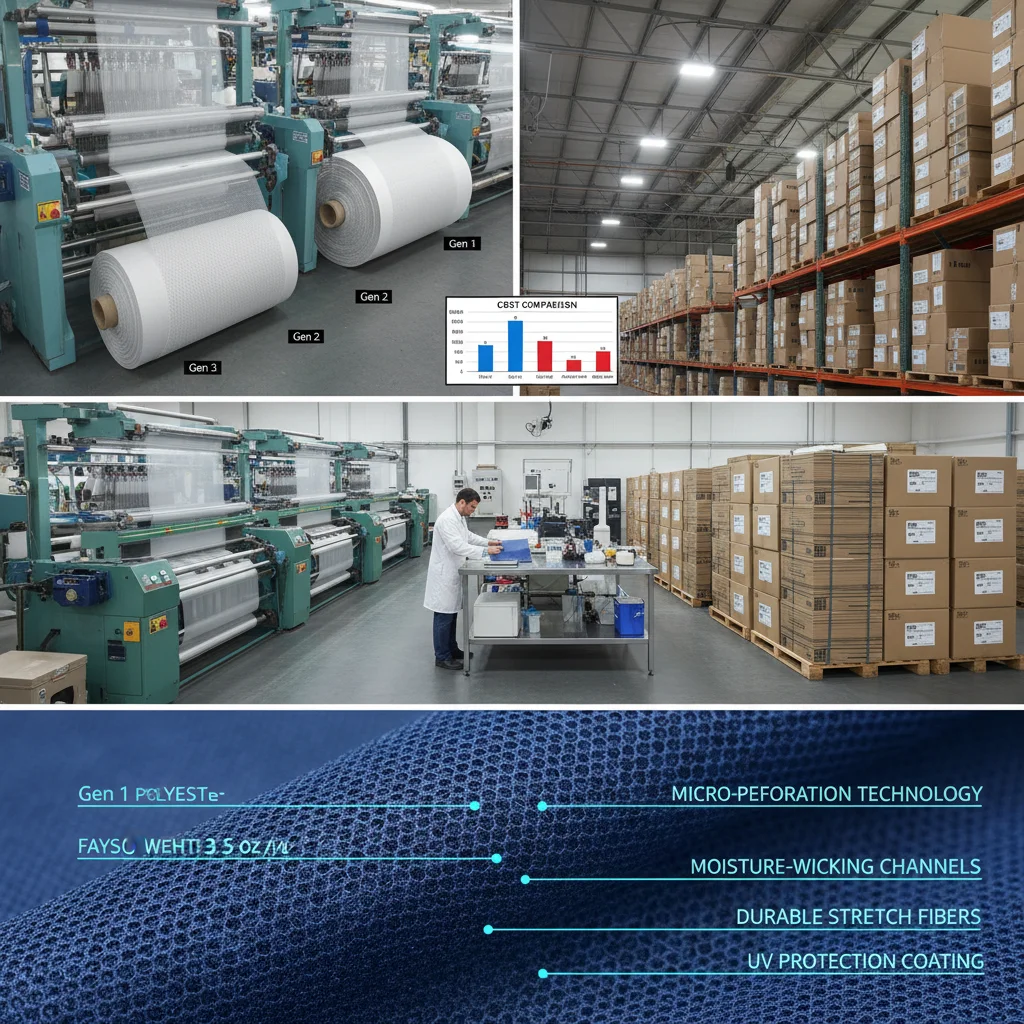
Professional baseball switched to polyester decades ago. The reasons were measurable. The fabric evolved through three generations. Each one solved specific performance problems. Cotton and basic synthetics couldn't handle them.
1950s
1980s
Today
Material Selection Framework for Different Team Needs
For professional and competitive teams : Base your fabric choice on high-performance synthetic fibers. Polyester and nylon work best. These focus on lightweight construction. Breathability matters. Athletic performance comes first. Nylon gives you superior resistance to abrasion. Tear strength in high-wear areas like sliding zones is better. But moisture-wicking? Polyester does it better. Smart teams use nylon reinforcement panels where needed. Polyester mesh goes everywhere else.
For casual and fan wear : The requirements flip. Wool creates stiff texture. Perfect for vintage looks. Cotton gives you that broken-in softness. Collectors love it in throwback jerseys. Nylon or polyurethane-coated fabrics add windproof performance. Cool-weather games become comfortable. Style stays intact. Performance metrics don't matter in the stands.
The pant versus jersey equation matters more than most realize. Pants need heavier bottom-weight fabric . Thicker yarn works better. Tighter knit construction is key. This creates coverage. Durability during slides improves. Jerseys work with lighter constructions. They face different stress points. Don't use the same fabric weight for both. That's a rookie purchasing mistake. You waste budget on over-engineered tops. Or you get under-protected bottoms.
Professional-Grade Selection Criteria
Evaluate every fabric option through these performance metrics:
- Drying speed under game conditions
- Stretch percentage during full-range motion
- Weight reduction compared to traditional materials
- Color retention after 50+ wash cycles
- Durability under repeated laundering
- Breathability in high-sweat zones
Material composition hierarchy puts third-generation polyester at the top. Spandex blends work best for game-day jerseys. Add zoned mesh construction in armpits. Back panels and sides need it too. Sweat concentrates there. This systematic approach to fabric design beats relying on a single "miracle" material.
Fabric costs are the most expensive part of garment manufacturing. Budget jerseys cut corners. Thinner yarns get used. Looser knit construction saves money. This boosts airflow at first. But durability gets destroyed within one season. The savings disappear. You're reordering replacements instead of using jerseys for three years.
Effective sweat management relies on three proven approaches. Polypropylene fibers handle water attraction. Polyester with cross-sectional shape design works well. Honeycomb or mesh structures in the fabric itself help too. These keep the skin contact layer dry. Athletic performance stays high during critical game moments.
Custom Polyester or Cotton Baseball Jersey Options: OEM/ODM Services
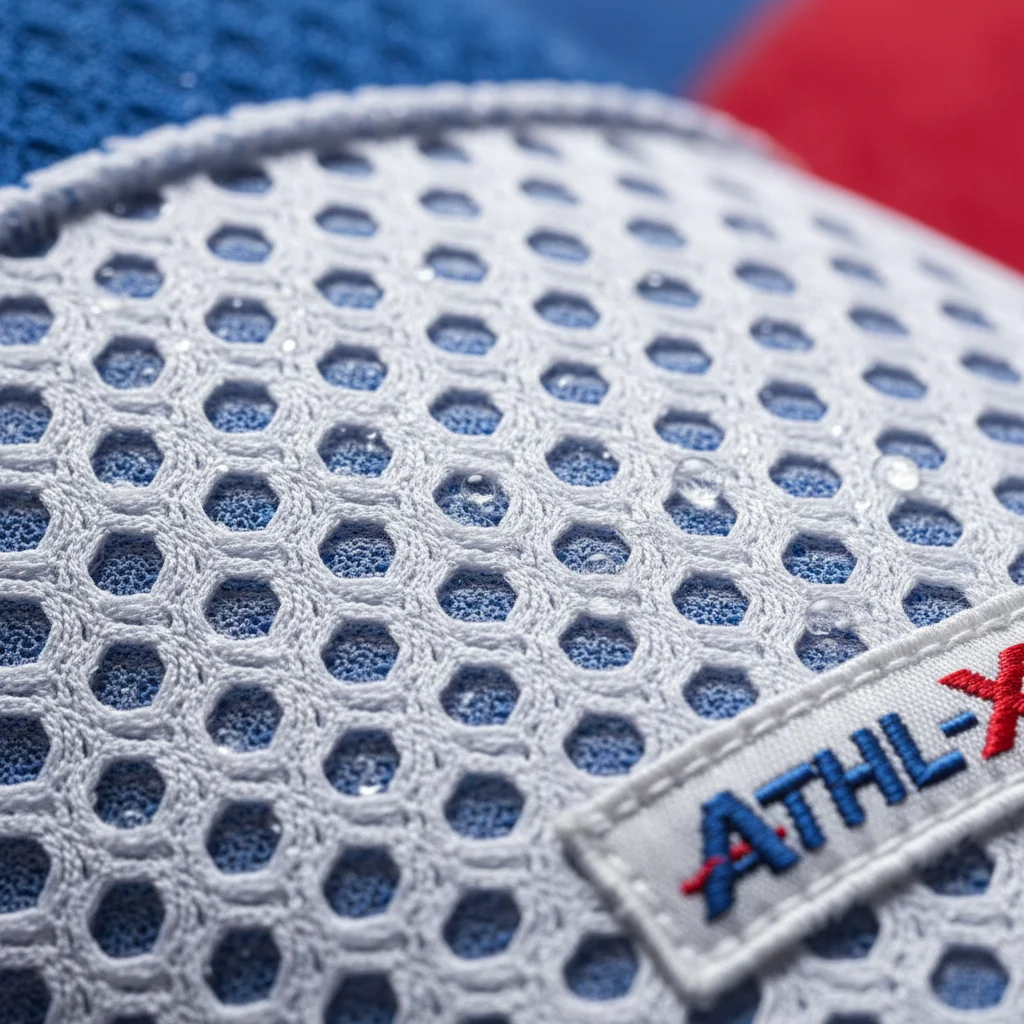
You don't need to be an MLB team to make your own baseball jerseys. OEM and ODM polyester & cotton baseball jerseys services bring pro-level customization of to travel teams, colleges, and youth leagues. Real budgets work here.
The baseball apparel market hit $1.84 billion in 2026 . It's climbing at a 9.86% annual rate. Experts predict it will reach $3.25 billion by 2032. Custom jerseys drive this growth. Teams want unique looks that pop on the field and in photos. Digital sublimation printing changed the game. You get detailed graphics and vibrant colors. Plus, zero cracking or fading after 50+ washes. Your designs become part of the fabric itself.
What OEM/ODM Delivers
OEM polyester & cotton baseball jerseys services let you order existing jersey designs. Add your team branding to them. Pick your fabric blend—100% polyester mesh, poly-cotton, or cotton. Then add custom polyester & cotton baseball jerseys colors, logos, and player names. Production minimums dropped to 12-24 jerseys for many polyester & cotton baseball jerseys suppliers. Small teams can now get wholesale pricing. No need to order 100 units.
ODM polyester & cotton baseball jerseys services go further.Manufacturers design jerseys from scratch. They build based on what you specify. Want powder-blue alternates? 68% of Mookie Betts jersey buyers added them. Need throwback 1980s-90s designs? That segment shows 44% year-over-year growth. ODM polyester & cotton baseball jerseys partners create unique patterns, cuts, and colors. You're not picking from catalogs. You're building from vision.
3D knitting makes small-batch runs possible. This cuts inventory risk for teams testing new styles. The Royals got 12,000+ fan votes on their 2026 City Connect design. Fans chose fonts and stripe patterns. That's co-creation at scale. Your team can do similar work without big financial risk.
Real Costs and Trade-Offs
US tariffs on Chinese apparel reached 14.6% in 2024 . That's up from 13.7%. This adds $1.50-2.00 per jersey to consumer prices for every dollar in duty. Domestic or nearshore manufacturing avoids tariffs. But it costs 15-30% more upfront. Balance delivery speed, customization options, and total costs before you commit.
On-demand manufacturing through digital printing works great for custom polyester baseball jerseys. Upload your design file. Production starts within 48 hours for many cotton baseball jerseys suppliers. Cotton jerseys need traditional screen printing. Setup costs jump for orders under 24 units. Polyester works better with sublimation. This makes it the smarter choice for custom work.
Popular customization options include:
- Player names and numbers (standard offering)
- ZIP codes or hometown markers (local pride details)
- Milestone markers like #50HR2026 for record seasons
- QR codes linking to team stats (12 MLB teams use this now)
- Recycled polyester fabrics (rising demand)
Authentic jersey revenue share climbed to 54% in 2026 from 41% in 2023. Fans want quality that matches pro standards. Your custom jerseys need that same premium feel. Nike Vapor Premier mesh delivers 18% weight reduction . It breathes better than older synthetics. OEM polyester & cotton baseball jerseys partners using similar fabrics give you pro-level performance. Youth league budgets can afford it.
Replica jersey return rates dropped from 14.6% to 8.3% . AR try-on tools made this happen. Ask your OEM polyester & cotton baseball jerseys supplier about digital sizing previews. This cuts expensive returns and reshipping fees that blow up your margins.
The baseball uniforms market grew from $267.3 million in 2021 to $327.9 million in 2025 . Custom options fuel this expansion. Teams don't settle for generic stock jerseys anymore. They demand personalized looks that build team identity. These looks drive fan engagement. OEM/ODM services make this affordable and scalable.
Conclusion
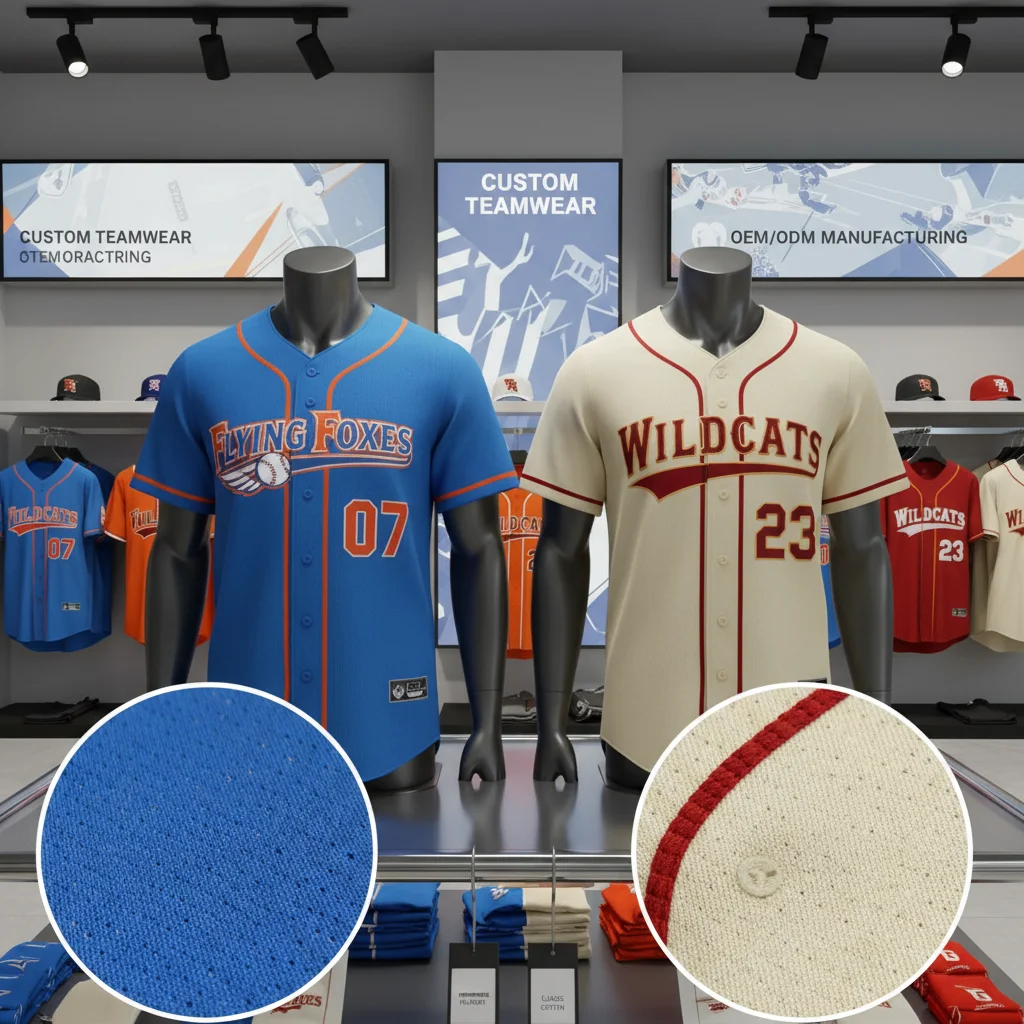
Polyester or cotton baseball jerseys? It depends on what your team needs most. For game day performance , polyester wins. It wicks moisture better, lasts longer, and keeps colors bright. Competitive teams prefer it. Cotton works great for casual practice. You get better airflow and natural comfort. Technical performance isn't the priority here. Want the best of both? Poly-cotton blends give you exactly that —polyester's performance plus cotton's soft feel.
Here's a tip: your practice jersey fabric doesn't need to match game day gear. Many successful teams use performance polyester for competitions. They switch to affordable cotton or blends for training. This saves money without sacrificing performance.
Looking for custom practice & games baseball jerseys that perform? At Berun Clothes, we make breathable baseball jersey materials to your exact specs. Tournament-ready polyester, comfortable cotton, or the perfect blend—you choose. Our OEM/ODM polyester & cotton baseball jerseys services give your team pro-grade uniforms at fair prices. Contact our design team today to create jerseys that help your players play their best, game after game.