Table of Contents
Every year, new fitness brands lose hundreds of thousands of dollars. The money doesn't vanish because of bad designs or weak marketing. It disappears due to sourcing mistakes that happen before the first sample even arrives. You're launching your first private label gym clothing line? Or maybe you're scaling custom activewear production? Either way, six key decisions separate a profitable product from an expensive disaster. Most brands mess up these choices. The difference? Smart founders know that sourcing gym wear goes beyond finding the factory with the lowest price. You need to understand how fabrics perform under sweat and stretch. You need to handle MOQ requirements without ending up with too much inventory. Plus, you need to build relationships with manufacturers who can grow with your brand. This guide breaks down the expensive mistakes we've seen brands make while sourcing fitness apparel. We'll also share practical solutions that help activewear companies thrive instead of struggling with quality problems and cash flow issues.
Mistake 1: Prioritizing Lowest Price Over Manufacturing Quality and Long-Term Value

The $3 per unit quote looks incredible on paper. You run the numbers. Your margins jump. You're ready to sign the contract and start your private label gym clothing line.
Then reality hits.
Quality issues hide during price talks. They pop up three months later. Your first shipment arrives with loose seams on 400 leggings. Customers return sports bras because the fabric shrinks two sizes after one wash. Your brand's Instagram fills with complaints about color fading.
Here's what the data tells us: The average manufacturing company spends 20% of its sales revenue dealing with quality problems. That's not a typo. One-fifth of revenue goes to fixing defects. It covers returns and customer complaints. Some manufacturers operate in the 5% to 35% range . It depends on how they handle quality control.
The Real Cost of Cheap Custom Activewear Manufacturing
A major industrial manufacturer discovered a problem. More than 10% of their production output had defects. These needed rework or complete scrapping. Think about that for your fitness clothing line. Order 1,000 pieces? Expect 100+ items with problems. The delays pile up. Delivery dates slip. Your launch gets pushed back.
Most companies guess their quality costs sit around 10% of revenue. Research shows the actual number is double that estimate . Why? Hidden defects don't surface right away. That color difference between batches? Customers notice it on their next order. The loose stitching? It fails during the third workout, not the first.
The pattern repeats across workout clothes bulk orders:
Seams split during normal use because thread quality was poor
Fabric shrinks beyond acceptable ranges because pre-treatment steps got skipped
Colors bleed or fade because dye processes weren't controlled
Sizes vary in the same batch because cutting wasn't precise
One pharmaceutical plant cut product defects by over 50% . They reduced waste by 75% after putting in quality controls. Before that? Their defect and rework rates were crushing their margins.
Quality Problems Grow in Activewear
athletic apparel production needs higher standards than regular clothing. gym wear gets stretched. It gets sweated in. People wash it often and wear it during intense movement. Every weakness in materials or construction gets exposed fast.
Chase the lowest price? Manufacturers cut corners somewhere:
They source cheaper fabrics that pill after a few washes
They rush production, leading to sizing issues
They skip quality checkpoints to meet tight deadlines
They use less experienced workers who make more mistakes
Top manufacturers in medical devices spend one-fifth the waste and rework costs of average companies in their industry. In pharmaceuticals, the best manufacturers spend just one-fourteenth of the median quality cost. That gap? It comes from investing in processes, training, and materials upfront.
The Smarter Approach to Fitness Apparel Pricing Strategy
You want good pricing. Everyone does. But smart brands look beyond the per-unit cost.
Calculate your total landed cost : manufacturing price + defect rate + return handling + potential lost customers + damaged reputation. That $3 unit now costs $5. Factor in the 15% defect rate and angry customer reviews.
Ask potential manufacturers specific questions:
What's your actual defect rate across the last six months?
How do you handle fabric pre-shrinking and color consistency?
What's your standard quality control process for each production run?
Can I see test reports from your recent batches?
The manufacturer who charges $4.50 per unit but delivers 99% quality? They'll save you money compared to the $3 supplier with 10% defects. Your sportswear MOQ requirements might be higher with quality manufacturers. But you'll sell what you order instead of throwing away damaged goods.
One major manufacturer reduced their quality-related costs by 30% . They did this by putting in better systems. They didn't spend more on materials. They just stopped accepting "that's how manufacturing works" as an excuse for defects.
Your gym clothing lead time might extend by a week with a quality-focused factory. But you won't lose three months dealing with a failed production run. Pay attention to construction details during your activewear sampling process, not just looks. A beautiful sample means nothing if the factory can't replicate that quality at scale.
Choose partners who view quality as a must, not a premium add-on.
Mistake 2: Skipping Professional Tech Pack Development

A tech pack isn't optional paperwork. It's the blueprint that decides if your manufacturer builds what you envisioned or creates something different.
Skip this step, and your custom activewear manufacturing turns into an expensive guessing game. Your factory sees "fitted" one way. You see it another. Your idea of "stretchy" doesn't match theirs. That beautiful design in your head? It gets lost in translation before the first sample arrives.
The numbers tell a stark story. Brands without complete tech packs face error rates of 25-40% during production. One in four pieces has something wrong. Incorrect fabric weight. Missing reinforcements. Dimensions that don't match your grading table. First samples come back with 60-75% accuracy at best. You'll need 4-6 iterations to get it right. Each round eats up 1-2 weeks of your gym clothing lead time.
Brands using detailed tech packs see different results. Error rates drop below 10%. First sample accuracy jumps to 85-95%. You need just 1-2 iterations to nail the final version.
What Goes Wrong Without Proper Documentation
Size inconsistencies become your nightmare. Without specified tolerances, sleeve lengths vary by 1-2 centimeters between pieces in the same batch. Chest measurements shift 5-10% from your intended specifications. Your size medium fits like a small on some pieces and a large on others. First sample rejection rates hit 15-20% without a proper size and grading table.
Fabric errors multiply fast. Missing parameters push fabric error rates to 20-30%. Exact weight in GSM? Stretch percentage? Composition ratios? Without these, the factory sources material that looks similar but performs different. Your moisture-wicking performance fabric arrives as basic polyester. Language and cultural barriers make it worse. Fabric specification errors climb to 40%.
Production timelines extend. Each style adds 2-4 weeks just for revisions and corrections. Your activewear sampling process should take 4-6 weeks. It stretches to 8-12 weeks. You miss launch windows. Your marketing calendar falls apart. Competitors beat you to market.
The Elements Your Tech Pack Must Include
A complete tech pack for fitness apparel contains specific, measurable details. No guesswork.
Design sketches at 1:1 scale showing front, back, and side views. Not artistic renderings. You need technical flats with annotations. Mark every seam placement, panel junction, and construction detail.
Precise fabric parameters that leave no room for interpretation:
- Exact composition (e.g., 95% cotton/5% elastane, not "mostly cotton")
- Weight in GSM (e.g., 180-220, not "medium weight")
- Stretch specifications (4-way stretch with percentage recovery rates)
- Color codes using Pantone numbers, not descriptive terms like "navy blue"
Detailed sewing instructions including:
- Specific stitch types (301 lockstitch at 5-8 stitches per inch)
- Exact seam allowances (1-1.5 cm, not "standard")
- Reinforcement locations (bartacks at all stress points—pocket corners, waistband ends)
Complete size and grading tables following standards like ASTM D6193. List every measurement for each size. Chest circumference 92 cm for small, 96 cm for medium, 100 cm for large, with 4 cm grade increments. Include tolerances (±0.5 cm) for every dimension.
The ROI of Getting This Right
Brands using structured tech pack systems reduce physical prototypes by 50-70%. They combine 3D modeling with detailed specifications. This translates to direct cost savings of 15-25% on your workout clothes bulk order. Just from fewer sampling rounds.
Lead times compress by 20-30%. Manufacturers receive complete information upfront. Your sportswear MOQ requirements become easier to meet. You're not burning through minimums on failed samples.
Digital collaboration tools cut tech pack creation time by more than 50%. They use reusable component libraries. Build your base once. Then modify for variations.
Missing a bill of materials causes sourcing delays of 10-15%. Factories scramble to identify trims and components. Skipping 3D previews increases material waste by 35% from fit corrections. Incomplete grading creates fit issues in 20% of production runs.
Invest the time to build professional tech packs. Your manufacturer will thank you. Your timeline will thank you. Your profit margins will thank you.
CTA Section 1Mistake 3: Ignoring Minimum Order Quantity Requirements and Inventory Risk

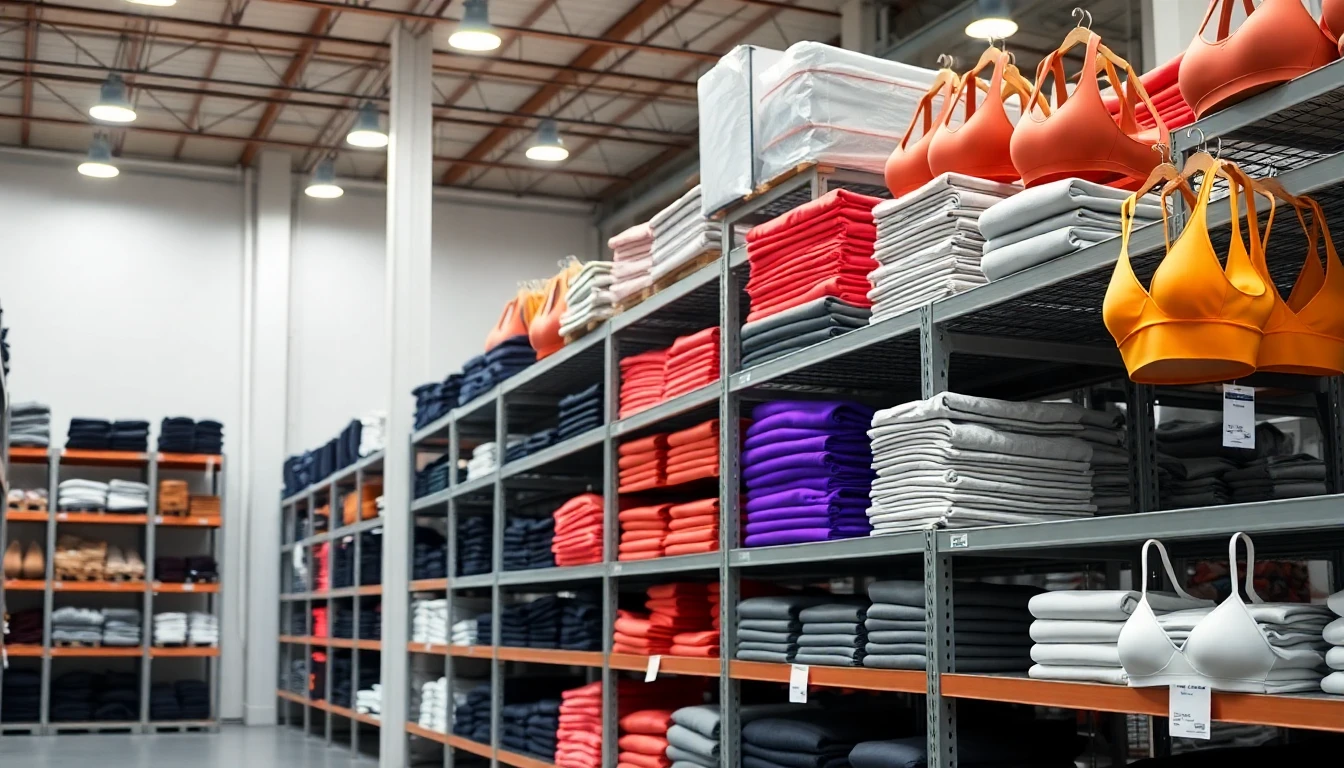
Your manufacturer quotes 5,000 units minimum. The math looks simple: 5,000 units at $8 each equals $40,000. You have the cash. You sign the purchase order.
Three months pass. You're staring at 3,500 unsold pieces in a warehouse. Your $40,000 sits on shelves instead of funding your next marketing campaign. Storage fees keep coming. Your best-selling colorway sold out in week two. But you're drowning in sizes nobody wants.
MOQ requirements crush brands that don't match them to real demand. Order 10,000 units but sell only 1,500 each month? You're carrying seven months of inventory. That's seven months of tied-up capital. Seven months of style risk. Seven months of wondering if customer tastes will shift before you sell through.
The fashion and fitness sectors see 30-50% of inventory become deadstock from overcommitting. Trends move fast. Customer tastes change. That color you loved in January feels tired by March. But you still have 2,000 units to move.
The Hidden Costs Pile Up Fast
Amazon charges long-term storage fees after 365 days. Your margins disappear paying for space. Warehouse costs climb as you rent more square footage. Every dollar locked in excess inventory can't go toward customer acquisition. It can't fund product development. It can't hire the team member you need.
Cash flow strangles small businesses once funds stay tied up for six-plus months. You forecasted growth. Reality showed something different. Now you can't reorder your winning products. Your money sits in slow-moving stock.
High MOQs amplify the bullwhip effect. Small demand changes at the customer level create massive swings in your ordering patterns. You see a slight uptick in sales. You panic-order extra inventory. Then demand returns to normal and you're stuck again.
Match MOQ to Your Actual Stage
Your business phase determines what MOQ makes sense:
Startup brands (testing the market): 100-1,000 units lets you test without betting everything. You need market proof, not warehouse problems. Low minimums save capital for the tests that matter.
Growth brands (proven concept, scaling): 1,000-5,000 units balances forecasting with cash flow realities. You have sales data now. You can predict seasonal patterns. Link your orders to safety stock math, not gut feelings.
Mature brands (established demand): 5,000+ units makes sense once volume becomes predictable. High demand absorbs the inventory. Volume discounts offset the costs. You've earned the right to order big.
Smart Procurement for Market Testing
Start small. Prove demand before scaling:
Order 500-1,000 units for your initial test. Track specific metrics: inventory turnover above 4-6 times per year shows healthy movement. Sell-through rates over 70% within three months signal real demand. Keep waste under 5%.
Calculate your Economic Order Quantity : EOQ = √(2DS/H). D is annual demand. S is ordering cost per order. H is holding cost per unit. Compare this number to your manufacturer's MOQ. Push for discounts if your EOQ sits well below their minimum.
Set reorder points using lead time demand plus safety stock. Respect MOQ limits. But don't order more than demand supports just because the factory prefers larger runs.
Scale up once data supports it : Wait for 80%+ sell-through in your test period. Confirm demand forecasts exceed twice the MOQ. Check that your EOQ aligns with the larger order quantity.
Look for manufacturers who understand small-batch needs. Digital printing and on-demand capabilities let some factories accept orders under 1,000 units. They may share setup costs. They may offer phased production schedules.
Propose split deliveries: order the full MOQ but receive shipments across three months instead of all at once. This satisfies their minimum. Plus, you manage your cash flow and storage capacity.
Use rolling sales data to justify seasonal exceptions. Show the manufacturer that their standard 5,000-unit MOQ doesn't fit your February reorder. But it makes perfect sense for your September launch.
Your inventory should fund growth, not create storage problems. Match your sportswear MOQ requirements to real demand, not hopeful projections.
Mistake 4: Neglecting Quality Control Standards and Sizing Consistency
A customer orders your medium leggings. They arrive fitting like a large. She returns them. Orders another medium from the same batch. This one fits like a small. She leaves a one-star review and never comes back.
This scenario plays out thousands of times across fitness brands. The culprit? Sizing inconsistency from missing quality control standards. Industry data shows 20-30% of all apparel returns trace back to sizing problems. Not design issues. Not fabric complaints. Just garments that don't match their labeled size.
The math gets rough fast. Return one in four items sold, and your profit margins vanish. Customer acquisition costs climb. Negative reviews pile up. Word spreads that your sizes "run weird." People stop buying.
Why Mediums Fit Like Larges
Tolerance gaps beyond ±1.5cm in chest and waist measurements create the chaos. Your tech pack specifies 96cm chest for medium. The factory cuts at 98.5cm. Still within their "acceptable range." But now your medium fits customers who wear large.
Take this across every measurement point. Chest, waist, hips, inseam, sleeve length. You get garments with the same label that fit different bodies. One medium has 96cm chest and 76cm waist. Another has 98cm chest and 78cm waist. Both say "medium" on the tag.
Stretch fabrics make it worse. Manufacturers push tolerances to ±1.5cm. They claim the fabric forgives errors. It doesn't. A 3cm total variance (1.5cm in either direction) on a waistband means trouble. Some customers get restriction. Others get gaping.
Quality Systems That Work
Brands using ISO 9001 certified manufacturers see defect rates drop by 32% on average. This includes sizing variances. The certification isn't magic. It's proof that systematic quality controls exist.
Statistical Process Control (SPC) reduces process variability by up to 70%. Factories track measurements during production, not just at the end. They catch drift before cutting 1,000 pieces wrong. SPC shows welding defects down 30%, rework costs down 25%, efficiency up 20%.
Six Sigma targets 3.4 defects per million opportunities . Applied to sizing, this means near-zero inconsistency. The DMAIC framework (Define, Measure, Analyze, Improve, Control) identifies where sizing breaks down. Maybe the cutting table isn't calibrated. Maybe pattern markers don't account for fabric stretch direction. The system finds it and fixes it.
Building Your Size Standards
Define 5-10 key measurement points with precision:
- Chest/bust measured under arms at fullest point
- Waist at natural narrowest point
- Hips at widest point around buttocks
- Inseam from crotch seam to ankle bone
- Sleeve from shoulder point to wrist bone
Set realistic tolerances: ±0.5-1cm for standard sizes in woven fabrics. Knits might allow a bit more, but never exceed ±1.5cm. Calculate your capability index (CpK) and demand CpK >1.33. This keeps the process well within specification limits.
Adjust your base measurements for fabric type. Knits need +2-5% ease compared to wovens because of stretch recovery. Validate everything with 3D body scans during your activewear sampling process. Digital fit models reveal how fabric drapes and moves on real body shapes.
Inspection Protocols You Can't Skip
AQL (Acceptable Quality Limit) standards set the bar:
- Critical defects: 0.65 AQL (wrong size labels, unsafe construction)
- Major defects: 2.5 AQL (significant sizing variance, poor seams)
- Minor defects: 4.0 AQL (small cosmetic issues)
For a lot size of 1,201-3,200 units, you inspect 80 pieces using MIL-STD-105E tables. Normal inspection samples 2.5% at AQL 2.5. Prior rejects trigger tightened inspection at 1.5%.
Find defects above limits? Isolate the defective units right away. Inspect 100% of the remaining lot. Rework makes sense if defectives stay under 10%. Above that, you're looking at scrapping the batch. Document root causes with fishbone diagrams. Was it calibration? Operator error? Pattern issues?
When and How to Measure
Three key verification points:
Inline inspection every 50 pieces catches problems during production. Spot a trend toward larger measurements? Stop the line before cutting the full run.
End-of-line checks on 10% of each batch confirm consistency held through production. Random sampling across the entire output, not just the first pieces made.
Pre-shipment validation measures a complete size set (XS through 3XL). This is your last chance to catch sizing errors before containers ship.
Measure 12 specific points: neck opening, shoulder width, armhole depth, bust/chest, waist, hip, torso lengths (front and back), sleeve length, leg openings, inseam, rise. Use digital calipers accurate to ±0.01mm. Fabric measuring tapes stretch and wear out.
Document everything. Control charts showing X-bar (measurement means) and R-charts (ranges) reveal if the process stays stable. Capability reports (Cp/CpK calculations) prove the factory can maintain specifications. Photograph any deviations. Get inspector signatures with dates on every report.
Sizing consistency isn't glamorous. It doesn't show up in your Instagram feed. But it decides whether customers buy again or warn their friends to avoid your brand. Build the systems that make every medium fit like a medium.
CTA Section 2Mistake 5: Overlooking Factory Compliance, Reputation, and Scalability Potential
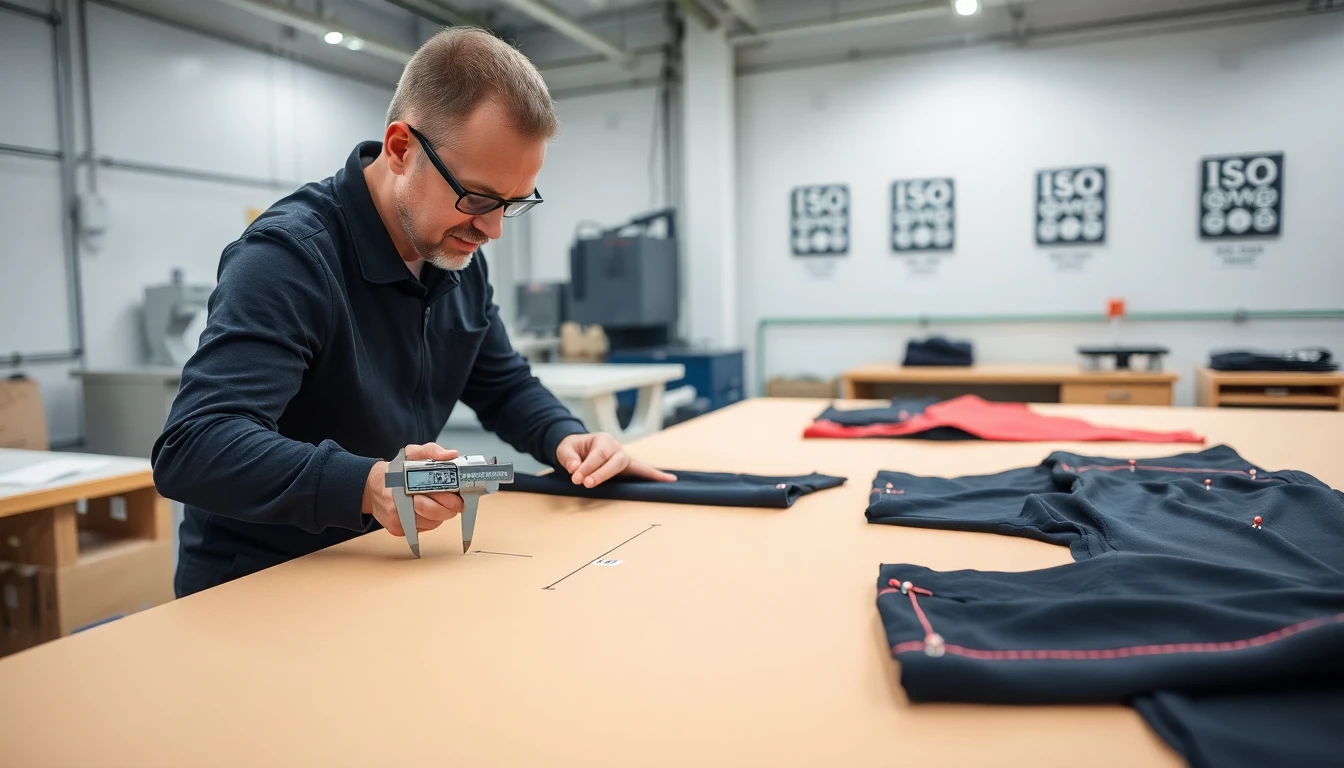
That factory with impressive photos and competitive quotes? They might fold under regulatory pressure in six months. Or fail your first compliance audit. Or lack the capacity to scale as your brand grows.
Compliance failures cost an average of $4.61 million per breach in 2025. That's $174,000 more than incidents without a compliance factor. The financial hit isn't just the breach itself. You face regulatory fines. Production halts. Shipment seizures. Then you scramble to find a replacement manufacturer mid-season.
17% of organizations faced regulatory actions in 2025. It ranked as the third most common compliance issue across industries. Add in 28% dealing with privacy breaches and 18% suffering third-party supplier failures. The pattern becomes clear: your manufacturer's problems become your emergency.
The Compliance Documents That Matter
Start with the certifications that prove quality systems work: ISO 9001 confirms quality management systems exist and function. Check the audit dates. Certifications need renewal every three years. An expired ISO 9001 means the factory stopped maintaining standards.
REACH compliance matters for European markets. OSHA PSM applies if you're sourcing from chemical processing facilities for performance fabrics. GMP and HACCP show food-grade safety protocols. This matters if your activewear includes antimicrobial treatments or other chemical finishes.
Demand to see third-party audit reports. 58% of organizations conducted four or more audits in 2025. Large enterprises pushed that number higher: 35% completed six-plus audits each year. Ask for FMEA (Failure Mode and Effects Analysis) risk assessments. These documents show how factories identify and prevent potential failures before they happen.
Electronic batch records (EBR) track every production detail. Calibration logs prove measuring equipment stays accurate. Labeling templates confirm regulatory requirements get met each time. For U.S. sales, verify FDA 21 CFR Part 11 compliance for electronic records. EU markets require GMP standards.
81% of organizations either have or plan ISO 27001 certification for information security. That's up 14% year-over-year from 67% in 2024. Your factory handles your designs, customer data, and proprietary specifications. A data breach exposes your competitive advantage.
Reading Between the Compliance Lines
Certificates tell one story. Reality shows another. 92% of organizations conduct at least two audits or assessments each year. But 69% of compliance leaders cite remediation as their hardest task. Translation: finding problems is easy. Getting factories to fix them proves difficult.
Request supplier scorecards from their other clients. Anonymous reporting channels show the factory takes compliance work seriously. Cross-functional teams reviewing metrics and regulatory changes show advanced operations. These elements appear in factories that maintain standards, not just pass one-time audits.
On-site inspections reveal what paperwork hides:
Walk the production floor during a shift change. Watch if workers follow safety protocols without supervisors hovering. Check SOP (Standard Operating Procedure) adherence in real-time. Examine workforce training logs. Updates every three months through a Learning Management System suggest ongoing investment. Annual training sessions filed the day before your visit? Red flag.
Hazard handling protocols protect your product quality and worker safety. Review completion rates and competence KPIs. Track how the factory closes skills gaps. Do they reassign untrained workers? Or do they stop production until training completes?
Assessing Long-Term Scalability
Your first order: 2,000 units. Your goal in 18 months: 20,000 units per quarter. Can this factory handle that growth?
Look at technology adoption rates: 57% of leading manufacturers use cloud computing and data analytics. 46% implement IIoT (Industrial Internet of Things) for real-time monitoring. 42% use 5G connectivity for machine communication. These technologies enable the rapid scaling you'll need.
Examine their equipment condition and upgrade cycles. Automated compliance software that flags problems prevents small issues from becoming batch failures. CAPA (Corrective and Preventive Action) workflows show how they handle root cause analysis as problems emerge.
Contract manufacturing reduces time-to-market by 30% with factory excess capacity. Ask point-blank: What percentage of your production capacity runs right now? Factories operating at 95%+ capacity can't absorb your growth. Look for partners running at 70-80%. They have room to scale with you.
Integration between ERP (Enterprise Resource Planning), MES (Manufacturing Execution Systems), and QMS (Quality Management Systems) matters more than you'd think. These connected systems speed up audits, manage change control, and maintain training logs without manual work. Manufacturers using integrated systems achieve compliance 16.5% faster with new regulatory requirements.
The Three-to-Five-Year Partnership Test
Think beyond your next order. Can this factory become a strategic partner for three to five years?
Test their customization capabilities. Do they offer role-specific training for your unique requirements? Can they adapt standard templates across different regions as you expand? 62% of manufacturers cite technology and data changes as the top factor affecting compliance talent. Your factory needs to evolve with regulations, not just react to them.
Check their willingness to invest in technology upgrades. AI and data analytics can identify trends and deviations before they impact production. Factories investing in these tools show commitment to continuous improvement.
Review their CAPA integration with audit feedback. Strong manufacturers close the loop: audit findings trigger root cause analysis. This leads to process changes. Then they verify those changes in the next audit cycle. Risk-based internal audits show they prioritize high-impact areas rather than just checking boxes.
Financial stability determines if they'll be around in five years. 57% of government organizations now audit suppliers for contract compliance—up from 40% in 2024. Financial impact ranks as the number one driver of compliance programs. A gym clothing factory struggling with money will cut corners on compliance first.
Set up anonymous reporting channels for workers. This reveals cultural commitment to quality and safety. Cross-functional teams reviewing metrics show advanced operations. Request evidence of how they handle third-party material suppliers. Your factory's compliance means nothing if their fabric supplier ships contaminated goods.
The cheapest quote seldom comes from the most compliant, reputable, and scalable factory. Pay the premium now or pay the crisis costs later. Your choice.
Mistake 6: Failing to Plan for Customization Needs, Lead Times, and Hidden Costs
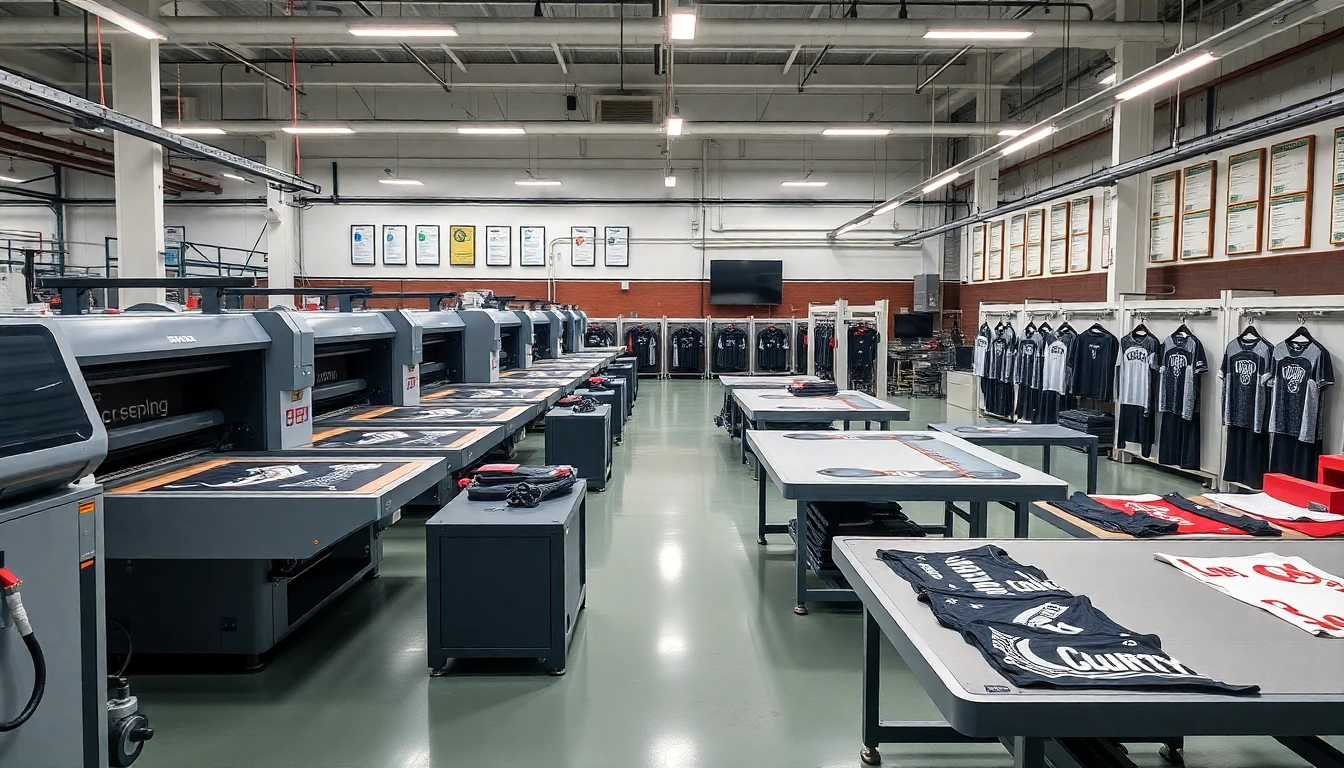
Your competitor launches personalized workout sets with custom prints in three weeks. You're still waiting on a basic color change approval from your factory. The market for customization just hit USD 891.2 million in 2024 , heading toward USD 1.25 billion by 2031 . Brands that can't deliver custom products lose customers who expect them.
Here's what most fitness brands miss: 36% of consumers seek customized products . Half of them— 48% —will wait longer to get what they want. But "waiting longer" doesn't mean waiting forever. Your gym clothing lead time needs planning, not guessing.
The Customization Trap Nobody Warns You About
You designed beautiful custom activewear. Added logo placement options. Offered three fabric weights. Created a premium tier with personalized embroidery. Then reality strikes during your first production run.
Your manufacturer quotes six extra weeks just for the customization setup. Each variant needs separate approval. Color matching takes three rounds. Your modular design concept? The factory can't do it without retooling their entire line.
The contract manufacturing advantage shows up in the data: gym clothing manufacturers who focus on built-to-order production cut time-to-market by 30% . But this works if you choose partners equipped for flexibility from day one.
Standard factories work on efficiency through repetition. Make 5,000 identical black leggings: smooth process. Make 1,000 leggings across five colors with three logo placements and two fabric options? Chaos without the right systems.
What Enables Fast Customization
Technology separates the winners from the stuck: Reconfigurable Manufacturing Systems (RMS) let factories adapt without downtime or expensive retooling. They switch between variants in hours, not weeks. AI-powered Manufacturing Execution Systems (MES) coordinate each variation without human scheduling problems. Digital twins test your custom design before cutting a single yard of fabric.
Look for manufacturers investing in flexible automation . CNC machines and robotics with real-time changes handle variant production at scale. These systems treat customization as standard workflow, not a special exception.
The Asia Pacific region shows 7.0% CAGR growth in custom manufacturing, double North America's 3.2% . Why? Factories there adopted modular production faster. They standardized components that allow late-stage customization without disrupting the production line.
Hidden Costs That Blindside Your Budget
Setup fees hit first. Factories charge $500-$2,000 per customization type to configure equipment and create templates. Need embroidery? That's one fee. Custom labels? Another. Unique packaging? Add it to the bill.
Minimum order quantities grow per variant . Your factory requires 1,000 units minimum. Offer five colorways? You just committed to 5,000 total units. Each customization option grows your inventory risk.
Lean manufacturing practices reduce production costs by 10% . But this works if your design supports lean principles. Ask manufacturers about Design for Manufacturing (DFM) services upfront. 90% of contract manufacturers offer DFM to identify cost traps before production starts. Use them.
Sampling costs grow with complexity. A basic sample runs $50-$150 . Add customization variables and you're paying $200-$400 per sample . Test three colorways with two logo placements? Budget $1,200-$2,400 just for initial samples before bulk production.
Planning That Works
Start with modular design. Standardize base garments. Plan customization for specific touchpoints: labels, prints, trim colors, packaging. This approach lets factories produce the foundation first, then add personalization at the end.
Choose manufacturers with ISO 9001 certification — 98% maintain quality compliance even across variant production. Quality shouldn't drop because you added options.
Build realistic timelines: standard production takes 45-60 days. Add customization setup: 55-75 days . Include shipping and customs: 70-90 days total . Plan backward from your launch date, not forward from when you feel like ordering.
Cross-border e-commerce operations gain 13% greater efficiency by integrating customization planning from the start. Chinese SMEs using flexible manufacturing with modular systems show the strongest performance metrics— 50% driven by competitive pressure to deliver personalized products fast.
Request detailed quotes breaking out base costs versus customization fees. Compare total landed cost across three scenarios: no customization, moderate options, full personalization. The math shows where your sweet spot lives between customer desire and profit.
Customization isn't the future—it's the present. Built-to-order products dominate the custom manufacturing landscape. Your fitness apparel pricing strategy must account for setup costs, extended lead times, and inventory growth. Or watch customers choose brands that figured this out before you did.
Actionable Sourcing Checklist for Gym Clothing Brands
Most sourcing guides give you the same tired advice: "research suppliers" and "compare prices." That helps nobody. You need benchmarks, decision frameworks, and numbers that show you're on track or heading toward disaster.
This checklist breaks down into three phases: screening suppliers, testing without risking your business, and cutting costs based on real market data.
Supplier Screening: Evaluate 3-5 Candidates Against These Criteria
Start with fabric choice. Polyester captures 42.8% market share for good reason. It delivers better moisture-wicking at lower cost than alternatives. Nylon holds 34.3% share . It offers better stretch recovery. This makes it ideal for high-compression pieces like sports bras and fitted leggings. Test both during your activewear sampling process. Request swatches that show wash durability after 20 cycles, stretch retention percentage, and pilling resistance.
Build a simple comparison table:
Fabric Type | Market Share | Best For | Moisture-Wicking | Stretch | Durability Score |
|---|---|---|---|---|---|
Polyester | 42.8% | Tanks, shirts | Excellent | Good | 8/10 |
Nylon | 34.3% | Leggings, bras | Good | Excellent | 9/10 |
MOQ matters more for new brands. Direct manufacturer sites attract 52% of consumers —jumping to 57% among the 18-35 age group . These channels offer lower minimums for custom gym wear compared to traditional wholesale. Target manufacturers who understand eCommerce dynamics. Look for those who can ship smaller batches of leggings, sports bras, and tanks without huge cost penalties.
Demand ethical compliance documentation. France now mandates recyclability labeling, recycled content disclosure, and harmful substances reporting. ASICS achieved 11.63% approval for compliance transparency. Timberland hit 11.11% . These aren't impressive numbers. They show how rare genuine compliance remains. Ask candidates for their latest audit results. Check recycled content percentages. Verify harmful substance testing protocols meet EU standards even if you're selling elsewhere. Regulations spread.
Small Batch Testing: Validate Before Scaling
Set clear sales thresholds. The gym shirt market reached USD 254.9 billion in 2025 . It projects growth to USD 465.1 billion by 2035 at 6.2% CAGR . China shows 56.18% of consumers purchase gym workout apparel on a regular basis. Use this as your benchmark: if fewer than 50% of your target customers show purchase intent during testing, reassess your product-market fit before ordering bulk.
Order 500-1,000 units across your top three styles. Track sales velocity each day, not just total revenue. Calculate your sell-through rate each week. Brands hitting 70% sell-through within 60 days have validated demand worth scaling.
Structure your feedback collection. Online platforms and brand sites dominate purchases. The 45-54 age group shows this well— 82% buy 76-100% of their athletic wear from digital retailers. Build post-purchase surveys into your order confirmation emails. Offer 10% discount codes for completed feedback forms. Ask specific questions: How does the fabric feel after washing? Does the fit match the size chart? Would you buy another colorway?
Know when to scale. Post-pandemic data shows 84% increase in athleisure orders . Gen Z ownership breaks down to New Balance at 28% , Under Armour at 25% , and FILA at 22% . Your scale-up trigger: consistent 80%+ sell-through , customer satisfaction scores above 4.2/5.0, and reorder rates exceeding 25%. Hit these three metrics and your small batch validated real demand.
Cost Optimization: Target 15-30% Savings
Map your savings opportunities:
Strategy | Consumer Preference | Realistic Savings vs. Retail |
|---|---|---|
Direct manufacturer purchases | 52% prefer this channel | 15-20% cost reduction |
Eco-materials (bulk recycled fabrics) | France imports €1.54B | 20-25% via volume orders |
Custom online sourcing (India/China) | China revenue: 9.7% CAGR | 25-30% with low MOQ |
Switch to polyester where it makes sense. Its 42.8% market dominance reflects cost advantages and performance. Lightweight and breathable properties satisfy customer expectations. Plus, you reduce material costs 15-20% compared to premium nylon blends. Reserve nylon for high-compression items where stretch justifies the premium.
Go direct to manufacturers. Bypass retail markups by sourcing from manufacturer websites—the same channel 52% of consumers now prefer. This mirrors the direct-to-consumer trend. It cuts your landed cost by a lot. Brands like Adidas.de demonstrate how manufacturer-direct models work at scale.
Leverage eco-materials for bulk savings. France's €1.54 billion in eco-friendly activewear imports proves market demand. Source recycled polyester in quantities above 3,000 units. Negotiate 20-25% savings compared to virgin materials. The sustainability story adds marketing value while reducing costs.
Risk Mitigation: Quantify Time and Money Exposure
Build timeline buffers. Poland shows 12.9% five-year import growth versus Western Europe's 4% . This signals faster, more flexible production chains. Partner with factories in high-growth regions to avoid the 2-3 month delays common in saturated markets. Your gym clothing lead time should account for production (45-60 days), shipping (14-21 days), and customs (7-10 days). Add 15% buffer time for real-world delays.
Calculate maximum acceptable loss. Germany imported €403 million in tracksuits during 2020 as that category slowed. Italy's €1.3 billion women's anorak imports show scale—and scale means delay risk grows. Set hard limits: never commit more than 25% of available capital to a single production run. This caps your exposure if demand shifts or quality fails.
Use market leaders as reliability benchmarks. Nike commands 20% market share . Lululemon holds 10% . U.S. market growth runs 5.6% each year through 2025 . Source from regions and factories that provide for these brands. Their standards become your quality floor. Their volumes prove factory capability. Ask potential manufacturers: "Which recognized brands do you produce for?" Verify the claims.
Your sourcing checklist isn't theoretical. It's a decision framework built on market data, consumer behavior, and proven cost structures. Use it to move from "researching suppliers" to signing contracts with manufacturers who can deliver.
CTA Section 3Conclusion
Building a successful fitness apparel brand goes beyond great designs. You need manufacturers who see custom activewear manufacturing as a strategic partnership, not just a transaction. The six mistakes we've covered? They cost thousands of dollars. They delay launches by months. They damage your brand reputation in ways that are hard to fix.
Here's what sets thriving gym clothing brands apart: they take sourcing as seriously as marketing. They spend time upfront on tech packs. They put fitness clothing quality control first, even if it costs more. They pick partners who grow with them, not just suppliers who fill orders.
Your next move? Download our free Gym Clothing Sourcing Checklist. Use it to check your current process. Found some gaps? Starting from scratch? Let's talk. We've helped dozens of brands at Berun tackle these exact challenges. We turn potential problems into strengths.
Ready to source smarter? Contact our team for a free sourcing consultation. Or explore our private label gym clothing services to see our approach to quality.
Your brand deserves better than costly mistakes.