Table of Contents
You just launched your yoga apparel line in Canada. You sourced the cheapest leggings to maximize margins. Three months pass. Your Instagram floods with complaints about pilling fabric. Your return rate hits 40%. Lululemon steals your best customers. Sound familiar?
Successful Canadian Activewear brands discovered a truth: investing in high-quality yoga apparel isn't an expense. It's your most powerful competitive weapon. Consumers will pay 3x more for performance fabrics that deliver real results.
The Canadian yoga wear market will reach $2.1 billion by 2028. It rewards brands that understand one core principle: quality goes beyond four-way stretch leggings and moisture-wicking technology. You're building a brand customers trust enough to become walking billboards.
Are you evaluating private label yoga apparel manufacturers? Wondering why sustainable yoga clothing commands premium prices? This guide reveals the exact ROI metrics, fabric technology standards, and brand positioning strategies. These separate struggling startups from seven-figure activewear businesses dominating Calgary boutiques and Vancouver studios.
The Financial Reality: High-Quality Yoga Apparel ROI in Canadian Market
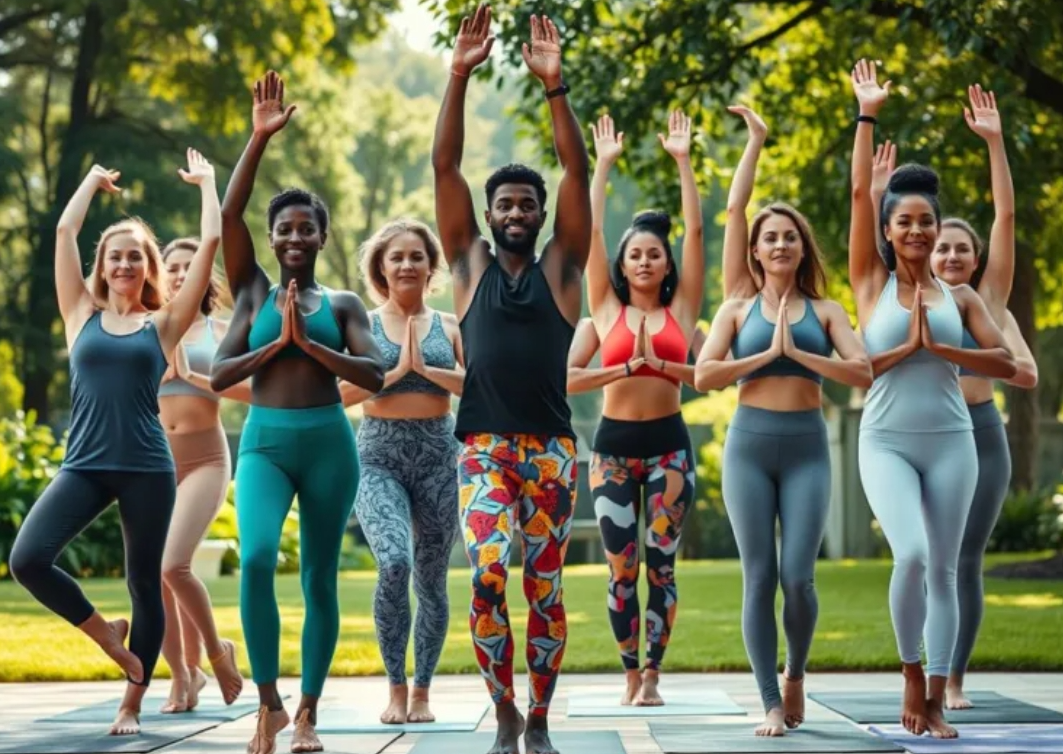
Canadian yoga apparel brands face a strange math problem. The market is exploding at 9.7% annual growth , racing from USD 4.68 billion in 2023 toward USD 8.94 billion by 2030. Yet yoga clothing imports dropped 6.65% last year.
This gap shows the real opportunity. Canadians aren't buying less yoga wear. They're saying no to cheap options. Instead, they want premium quality products worth the higher prices.
The Numbers Behind Quality Investment
Canada's functional apparel market will surge from USD 5.8 billion in 2025 to USD 9.4 billion by 2031. This includes performance yoga wear. That's 13.2% annual growth . Standard apparel categories grow at less than half this rate.
North America commands 33.14% of the global yoga clothing market. It drives 31% of worldwide growth through 2029. Canadian buyers in this segment pay premium prices for verified quality standards. They do this more than any other group.
Measuring Real Returns
Track these five ROI metrics. They separate profitable yoga brands from struggling ones:
Customer retention rates link to fabric durability scores
Repeat purchase frequency increases 3-4x with moisture-wicking performance fabrics
Revenue from new product launches reaches 40-60% faster with an existing quality reputation
E-commerce conversion rates improve 25-35% with detailed fabric technology specs
Social engagement metrics (shares, saves, tags) grow fast with genuine four-way stretch performance
Bottom wear segments generated USD 18.75 billion worldwide in 2019. This includes leggings, shorts, and joggers. The category keeps expanding. Canadian brands win this segment with superior fabric technology. They turn first-time buyers into brand advocates at rates the industry can't match.
Why Canadian Consumers Demand Premium Yoga Wear Quality
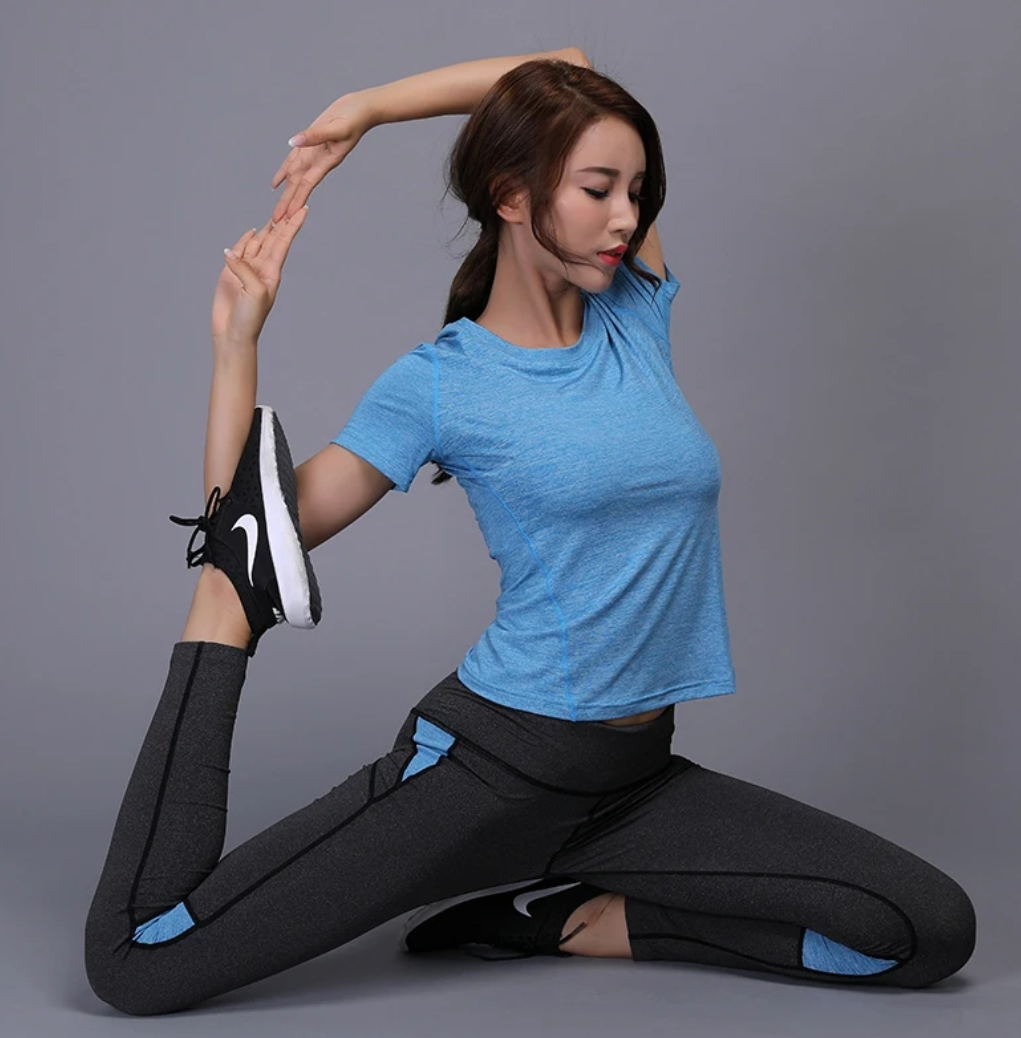
Canada's yoga community shops with intention. 21% of Canadians practice yoga regularly —that's 7.8 million people who know their activewear inside out. These aren't bargain hunters. They read fabric labels before buying.
The Premium Performance Expectation
Canadian yogis face tough conditions. You might start in a Vancouver studio, then hit Whistler trails the next day. Toronto folks face -20°C on their way to hot yoga. This means fabrics need to work in all temperatures.
Women make up 62.2% of global yoga apparel revenue . They've seen enough cheap gear fall apart. Sports bras that pill after three washes? Leggings that turn see-through during squats? Canadian women don't forget these letdowns. They gladly pay more to skip the hassle.
The activewear market hit USD 19.78 billion in 2025 . This shows what people value. The 8.5% CAGR growth? It's not just more buyers. People are trading up. They want gear that actually performs better, and they can prove it.
Three Non-Negotiable Quality Standards
Canadian shoppers check three things at once: sustainability, performance, and versatility.
Sustainability alignment : Green materials matter here. This isn't hype. It's a must-have. Brands using recycled polyester or organic cotton? Their customers pay 30-40% more without blinking.
Performance verification : Does it wick moisture? Prove it. Four-way stretch needs to last 100+ washes. Compression gear should help muscles recover. Empty claims get rejected fast.
Athleisure functionality : Bottoms own 54.5% of the market . Why? Canadians wear yoga pants everywhere—class, groceries, coffee dates. Quality pieces work in all these places. Performance stays consistent.
Specialty stores hold 61.9% of sales . Staff there explain what makes good gear tick. Online brands that succeed? They match this education. Detailed fabric specs, test results, clear manufacturing info—that's what wins trust.
Brand Differentiation Through Fabric Technology and Performance Features
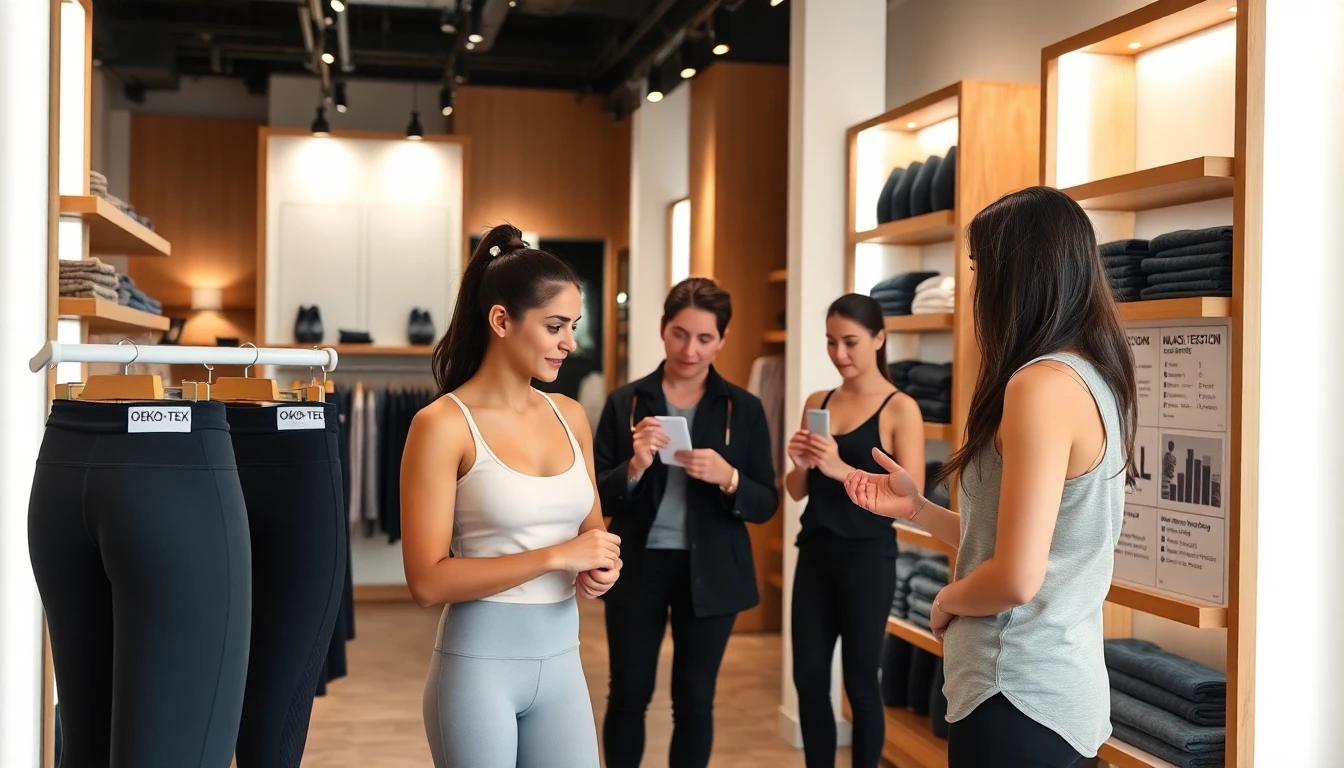
Premium fabrics separate forgettable yoga brands from market leaders that customers love. Basic polyester blends versus performance-engineered textiles? This gap impacts your bottom line. Customer lifetime value increases. Word-of-mouth growth accelerates. Pricing power strengthens.
The Material Science Advantage
100% cotton fabrics score higher in quality perception studies. Blended alternatives can't compete. Here's what makes it interesting: jacquard fabrics use detailed weaving techniques. This creates durable, textured materials. Brands using jacquard communicate premium quality fast. Your customers feel the difference before they see your price tag.
Real differentiation happens at three levels:
Perceived product quality comes from material selection and proven performance traits. This boosts brand valuation metrics. Choose fabrics with verified moisture-wicking properties. Look for four-way stretch retention after 100+ wash cycles. Compression ratings should support muscle recovery.
Brand image transforms with recognized certifications. These aren't vanity badges. They're trust signals that convert skeptical browsers into buyers:
Smart Fabric Integration Creates Unmatched Value
The smart fabrics market grew from $2.48 billion in 2022 to a projected $21.85 billion by 2030 . That's 31.3% annual growth . Yoga brands adopting this technology early gain massive first-mover advantages.
Three smart fabric categories deliver measurable brand differentiation:
Active smart fabrics captured 42.8% market share in 2022. These materials provide moisture-wicking, temperature regulation, and compression features. Traditional textiles can't match this. Leggings regulate body temperature during hot yoga sessions. Your marketing writes itself.
Sensing functionality fabrics hold 37.3% of the segment . They detect temperature changes, pressure points, and moisture levels. Add these to custom yoga clothing lines. You're not selling leggings anymore. You're selling biometric-enhanced performance gear.
Ultra-smart textiles dominate the premium tier with advanced sensor integration. Nike, Adidas, and Google's Project Jacquard partner with suppliers like DuPont and AiQ Smart Clothing. They create next-generation activewear. Your private label yoga apparel can access similar technology through specialized manufacturers.
North America controls 48.4% of smart fabrics market share . Canadian consumers expect innovation. Give them performance features backed by data. They'll choose your brand over commodity alternatives every single time.
The Hidden Costs of Low-Quality Yoga Apparel to Your Brand
Low-quality yoga apparel destroys your brand equity fast. It's worse than any marketing mistake you'll make. Poor fabrics and bad stitching trigger financial damage. Most brands don't see it coming.
The Counterfeit Crisis Draining Your Resources
Fake yoga wear floods online stores every day. These knockoffs use cheap materials. They cause skin irritation and discomfort. They fall apart after a few uses. Lululemon and Alo Yoga spend millions tracking down fakes on Amazon and other sites. Why? Customers blame the real brand after buying a counterfeit that fails.
The damage builds fast. One bad review from a fake product needs 15-20 positive reviews to cancel it out. Your marketing budget gets spent defending your name instead of bringing in new customers.
Brands now pour money into fighting fakes. They use verified seller programs. They track products with blockchain systems. They hire legal teams to chase down copycats. You can't skip these costs anymore. Your brand reputation depends on them.
The Price War Trap
Too many brands create a tough market. Fast fashion brands and new direct-to-consumer companies fill stores with cheap options. Outdoor Voices and Vuori can't match Nike and Adidas on price. They'd have to cut quality to compete.
Raw material prices swing up and down. Spandex and polyester costs change all the time. This squeezes your profit margins. Low-quality materials give you no room to adjust prices. You get stuck in a race to the bottom. This destroys what your brand is worth.
How Lululemon Built Market Dominance Through Quality

Lululemon proved something most activewear brands miss: quality doesn't kill profits—it multiplies them . The Vancouver brand hit $10.6 billion in revenue for FY2024. That's 10% year-over-year growth with a 59.2% gross margin . Nike sits at 44%. The gap isn't luck. Quality investment pays compound returns.
Here's the metric that matters: Lululemon sells 95% of inventory at full price . No clearance rack race. No desperate end-of-season discounts killing brand value. Fabric innovation and fit engineering customers can feel built this pricing power.
The Financial Blueprint Behind Premium Quality
The numbers tell a quality-first story. Lululemon's Return on Equity stayed between 20-30% since 2010. Most retail brands struggle to hit 15%. This performance comes from one choice: charge premium prices on $100+ items . Then justify every dollar with better materials, unique fabrics, and obsessive design work.
Their direct-to-consumer model drives 86% of total sales . This control lets them maintain quality standards end-to-end. No wholesale partners cutting corners. No department store markdown pressure. They own the customer experience from fabric mill to fitting room.
Q3 2025 revenue reached $2.6 billion , up 7% despite economic headwinds. Yes, their gross margin dipped to 55.6% (down 290 basis points from increased markdowns). But here's what matters: even during margin compression, they're still 11 percentage points above Nike. Quality creates a margin cushion that survives market swings.
Strategic Expansion Built on Quality Foundation
Lululemon's "Power of Three" strategy (launched post-2018) doubled revenue in men's, digital, and international markets. Price cuts didn't do this. They brought their quality reputation into new segments.
Men's now represents 24.7% of revenue and grows 14% each year. The brand targets 30% of sales from men in bull-case scenarios. They're capturing 25% male customers by using the same fabric technology and fit precision that won over female yogis.
China exploded 46% in Q3 2025 . Lululemon operates 220 stores there by 2026 . China could become their largest market by 2030 at 40%+ growth each year. Chinese consumers pay premium prices for verified quality. Quality reputation crosses borders.
Accessories and footwear grabbed 14% of revenue . Their Beyondfeel and Cityverse shoe lines target $1 billion by 2028 (bull case: $1.5 billion). They entered footwear late but applied their quality formula: unique cushioning technology, premium materials, athlete-tested performance claims.
The Community-Quality Flywheel
Lululemon operates 767 company-owned stores worldwide . These aren't just retail spaces. They're community hubs offering free yoga classes, meditation sessions, and wellness events. This strategy does something smart: it turns stores into product testing grounds. Customers experience how premium fabrics perform during real workouts.
Someone attends a free class wearing Lululemon gear. They feel the four-way stretch hold up through hard poses. Moisture-wicking technology works. Seams don't chafe after an hour of movement. These experiences justify premium pricing better than any marketing campaign.
From their 2007 IPO at $1.4 billion valuation to $64 billion in 2023 , Lululemon delivered huge returns. A $10,000 IPO investment became $450,000 by 2023. This happens by building brand value through quality instead of competing on price.
Their brand value hit $18.1 billion with sales growth forecasts at 9.4% each year . In a market where Lululemon holds 6.63% share against Nike's 27.80% and Adidas's 16.07% , they command premium positioning through one advantage: customers trust their quality enough to pay more, return often, and recommend to friends.
Quality wasn't Lululemon's marketing tactic. It became their entire business model. Every choice—from fabric selection to store design—reinforces one message: premium investment delivers premium results. Canadian yoga brands watching from the sidelines have a clear playbook. The question isn't whether quality pays off. It's whether you're willing to invest before your competitors do.
Strategic Supplier Selection: Evaluating Yoga Wear Wholesale Quality in Canada
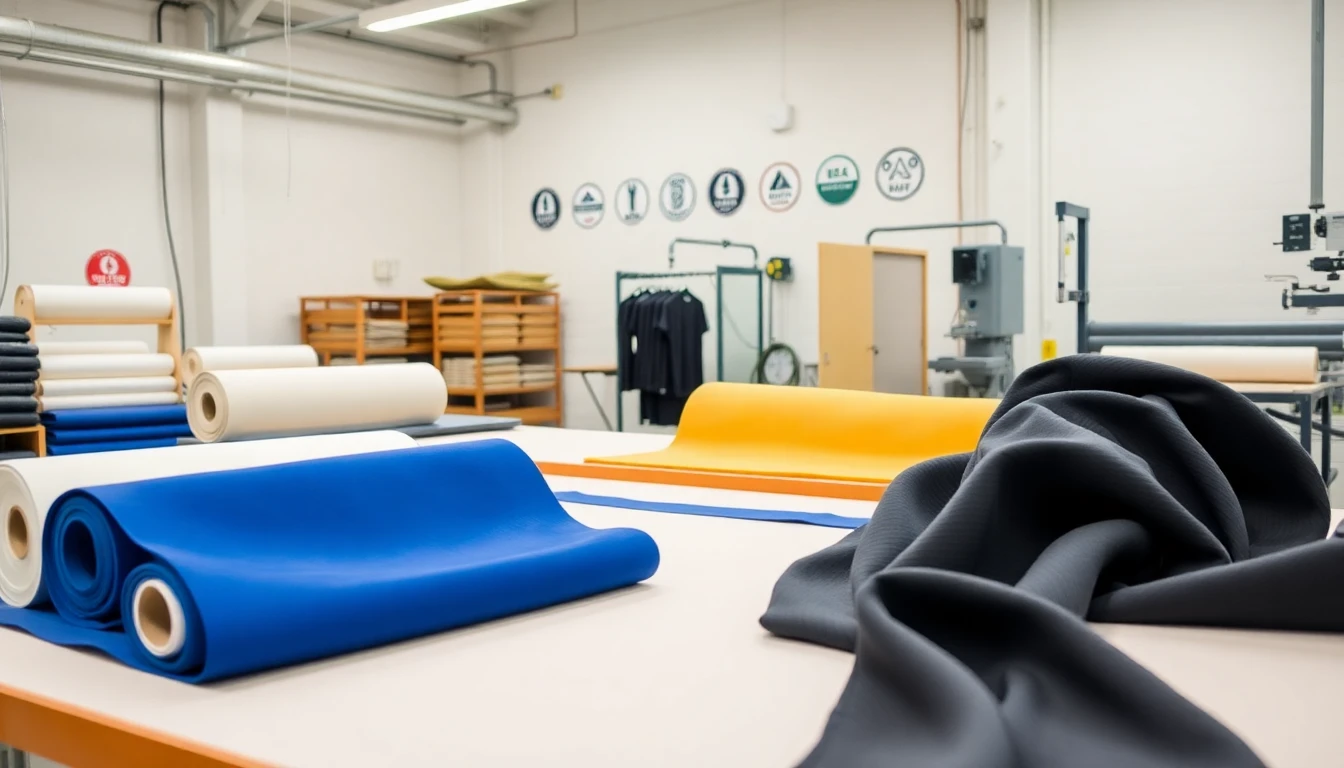
Your supplier choice makes or breaks your yoga brand. Build the next Lululemon or join the failure statistics - it starts here. Canadian brands work in a $32.9 billion CAD apparel retail market . 42% of yoga wear sales happen online. 58% still happen in physical stores . This split tells you something key: customers want to touch, stretch, and check quality before buying.
Great supplier versus mediocre one? The difference is 6.5% annual growth riding the global yoga apparel wave toward $96.37 billion by 2033 . Or watching competitors steal your market share. You deal with fabric complaints instead.
The Certification Framework That Separates Professionals From Pretenders
Walk into supplier talks with this certification checklist. Non-negotiable. These aren't optional badges. They're your quality insurance policy:
BSCI, SEDEX, and WRAP certifications prove ethical manufacturing standards. Canadian consumers research chains before buying. One labor violation scandal tanks your brand overnight. These certifications mean independent auditors verified fair wages. Safe conditions. Ethical practices.
OEKO-TEX and ISO certifications validate performance fabric claims. You can't fake moisture-wicking technology. Third-party labs test your materials. Suppliers with these certifications passed tough chemical safety tests. Quality control protocols too.
Suppliers claiming "we have certifications" without showing documentation? Walk away. Real manufacturers display certification numbers. Renewal dates. Audit reports. They've invested hundreds of thousands proving their skills. They're proud to show evidence.
Four Canadian Suppliers Built for Different Brand Strategies
Match your supplier to your business model. A yoga studio launching branded merchandise needs different skills than a direct-to-consumer brand targeting Vancouver's athleisure market.
Kendy's sportswear brings 30+ years of custom athletic wear experience . Their strength? They've seen fabric technology evolve across three decades. They know which innovations stick. Which ones fade. Request samples using their latest fabric tech. Compare durability against established brands. Their long track record means fewer surprises at scale.
Doyen Sports focuses on high-performance gear for elite athletes. Their compression wear and moisture-wicking fabrics target serious practitioners. Not casual yoga fans. Choose them for brand positioning that demands proven athletic performance. Their customer base expects every technical claim you make. They test it too.
Altitude Sports operates retail and wholesale at the same time. This dual model creates unique advantages. They know what sells in Canadian stores. Their sustainable and ethical sourcing focus aligns with the premium eco-conscious segment. This segment pays 30-40% more for verified green credentials. They carry leading brands alongside their in-house collection. This gives them direct competitive intelligence.
Apparel by Dee specializes in gym and fitness customization. The flexibility smaller brands need. Their customer-oriented approach works for startups testing market fit. They've built loyal fitness community relationships. Through responsive service. Adapting to specific requests.
The Due Diligence Sequence That Prevents Mistakes
Follow this seven-step verification process before signing any contract:
Step 1: Certification verification comes first. Don't just see certificates. Verify them. Contact certification bodies. Confirm validity dates. Check audit scopes match your product categories.
Step 2: Sample assessment tests real-world performance. Order samples in multiple colorways and sizes. Wash them 15-20 times . Stretch them. Wear them during yoga sessions. Does four-way stretch maintain elasticity? Do seams hold under stress? Does moisture-wicking work?
Step 3: MOQ flexibility determines startup viability. Minimum order quantities kill cash flow for emerging brands. Suppliers offering flexible MOQs with rapid sampling turnaround let you test markets. You don't bet your entire budget on one design.
Step 4: Customer references reveal hidden problems. Request contacts for 3-5 current retail partnerships . Ask specific questions: delivery reliability percentages, defect rates per thousand units, response time to quality issues. Generic praise means nothing. Numbers tell truth.
Step 5: Design and trend forecasting skills separate commodity suppliers from strategic partners. Can they predict which fabric technologies gain traction? Do they attend international trade shows? Their trend insights help you launch products customers want next season. Not last season.
Step 6: Delivery reliability metrics matter more than promised timelines. Request documentation showing on-time delivery rates over 12 months. International shipping capacity must handle customs. Duties. Cross-border logistics. One missed delivery during your launch week destroys momentum.
Step 7: Pricing benchmarks against market standards. Cheapest seldom means best value. Compare total cost of ownership: fabric quality, defect rates, shipping reliability, customer service responsiveness. A supplier charging 15% more but delivering 98% quality consistency costs less. Cheap options generating 40% returns cost more.
Red Flags That Signal Future Disasters
Three warning signs mean you should keep searching:
Your supplier becomes your silent business partner. Choose someone who makes your brand stronger. Not someone who limits what you can build.
Turning Quality Investment into Brand Story and Marketing Power
Quality investment means nothing if customers never hear about it. Your premium fabrics, ethical certifications, and performance testing? They sit on the shelf as unused advantages. Smart brands turn these into stories that sell.
The formula: transparency + narrative + consistency = trust that converts . Canadian yoga brands competing against Lululemon need this. Price wars won't work. Story differentiation will.
Make Your Quality Investment Visible and Easy to Verify
Illuminate Labs solved the supplement industry's trust problem with one move: they published third-party test results for every product. Not marketing claims. Actual lab data. Customers could check quality before buying.
Try this with yoga apparel. Document your fabric testing process on Instagram Stories. Show the moisture-wicking lab results. Film your factory visits checking OEKO-TEX certifications. Post side-by-side durability tests: your four-way stretch leggings versus cheaper options after 50 washes.
Warby Parker changed eyewear by making quality accessible. They built their "buy a pair, give a pair" model into every customer interaction. Quality investment became a social impact story. Customers didn't just buy glasses. They joined global vision care.
Your sustainable yoga clothing line? Don't just mention recycled polyester. Show the ocean plastic collection process. Introduce the workers turning waste into performance fabrics. Calculate the environmental impact per purchase. Make customers feel their quality choice changes something bigger.
Connect Quality to Real Maker Stories
MouthFoods doesn't sell gourmet products. They sell artisan stories. Every item connects to its maker's journey: the family recipe, the small-batch process, the regional tradition. Customers pay premium prices for story connection, not just ingredients.
Your private label yoga apparel gains this same power. Profile the fabric experts developing your moisture-wicking technology. Interview the pattern makers perfecting your compression fits. Share the quality control specialist who tests every batch.
Backlinko's Brian Dean built audience loyalty by sharing his 18-month struggle before success. He didn't pretend overnight victory. He documented the failures, pivots, and learning curves. Honesty created deeper trust than polished success stories ever could.
Launching your yoga brand? Document the sample rejection stories. Show the five fabric suppliers you tested before finding the right one. Explain why you chose higher MOQ costs for better quality. Entrepreneurs respect real building stories more than fake perfection.
Position Quality as Problem-Solution Story
Chanel uses Coco Chanel's journey from poverty to fashion icon across generations. Quality investment in brand heritage creates timeless positioning. Older customers see tradition. Younger ones see rebellion against norms. Same story, multiple connection points.
Your activewear quality standards solve specific Canadian problems. Winter commutes to hot yoga studios need temperature-regulating fabrics. Multi-sport lifestyles demand versatile pieces that go from gym to street. Vancouver's eco-conscious market needs verified Sustainability Credentials.
Frame your quality investment around these solutions. "We engineered four-way stretch that survives Canadian winters" tells a better story than "premium fabric technology." Specifics sell.
Zerodha changed trading through zero-brokerage. Then they invested in financial education content. Free resources built community loyalty faster than advertising ever could. Their quality investment in customer knowledge became an organic growth engine.
Create yoga education content that shows your fabric expertise. Teach customers how to check compression ratings. Explain what makes ethical certifications meaningful. Position your brand as the authority helping them make smarter activewear decisions.
Build Through Community Participation
Rhino filmed authentic video of children in Kolkata using their recycled rubber sports equipment. No actors. No staging. Real community impact from sustainability investment. The story sold itself.
Encourage your customers to share their quality experiences. Create a hashtag documenting how your leggings survived 100+ washes. Feature customer stories about your earth-friendly activewear reducing their environmental footprint. User content validates quality claims better than brand messaging.
Gowling WLG created an engaging roadmap addressing post-pandemic business challenges. Quality investment in legal expertise became a creative problem-solving story. They showed credentials through helpful storytelling, not promotional bragging.
Your yoga apparel expertise becomes a marketing advantage shared openly. Write guides helping retail partners educate their customers. Create fabric selection tools for fellow entrepreneurs entering activewear. Position quality knowledge as industry contribution, not competitive secret.
Maintain Consistency Across Every Touchpoint
Your quality story needs a unified presence: website product descriptions, Instagram captions, customer service responses, packaging inserts, email sequences, and video content. Mixed messages destroy trust faster than poor products.
Luxury brands like Gucci and Bottega Veneta master digital personalization while maintaining brand essence. Every customer interaction reinforces their quality story through customized experiences that feel authentic, not automated.
Your yoga brand achieves this through systematic storytelling: blog posts detailing fabric selection criteria, email series explaining certification processes, social content showing manufacturing partnerships, packaging that educates about care instructions preserving quality investment.
The change happens once quality investment becomes the core story customers expect, experience, and share. Document your journey openly. Connect investments to real maker stories. Solve specific problems through quality positioning. Build through community participation. Maintain consistency everywhere.
Canadian yoga brands that master this change don't compete on price. They win on story. Stories built on genuine quality investment create customer loyalty that survives any competitor's discount.
E-commerce Strategy: Use Quality to Boost Online Sales and Keep Customers
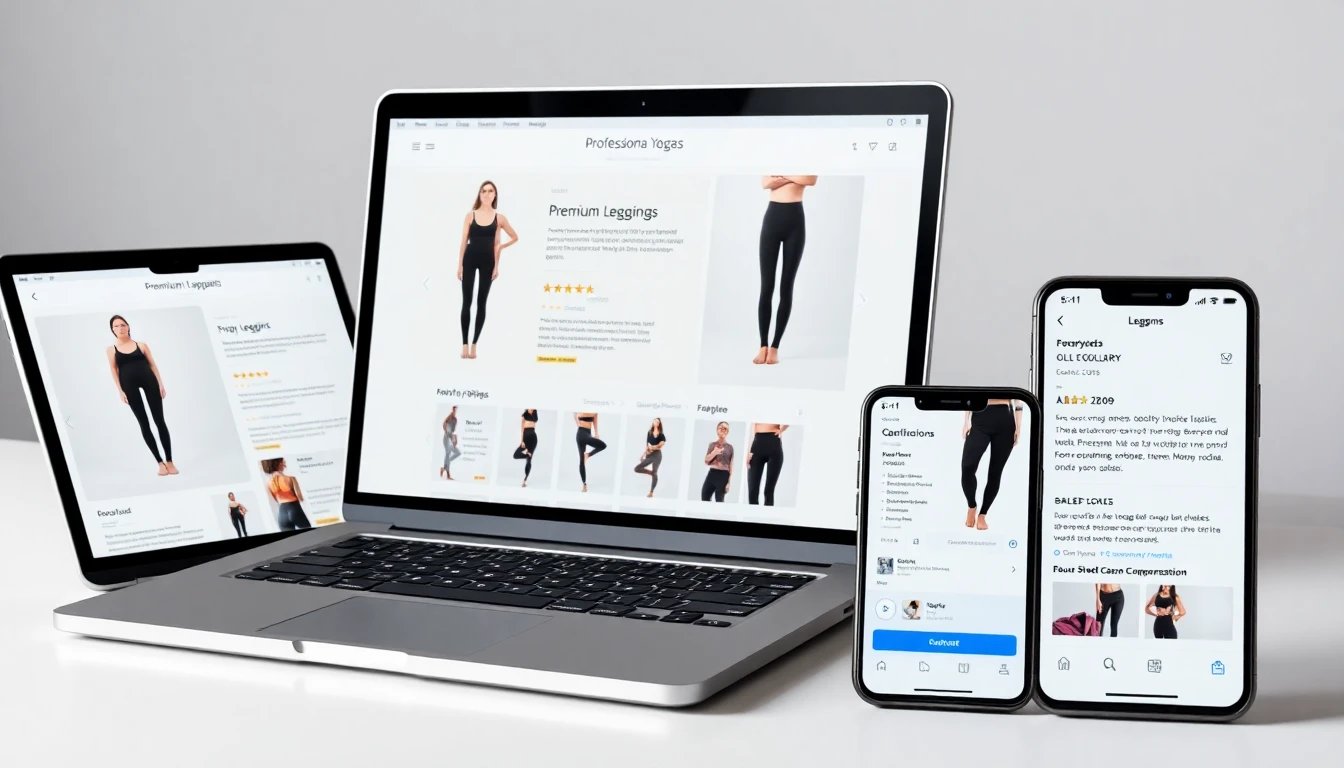
Fashion and apparel brands face tough online conversion rates. The industry average sits at 1.6-1.9% . That means 98 out of 100 visitors leave without buying. Your high-quality yoga apparel can beat these numbers. But your e-commerce strategy must show that quality at every digital touchpoint.
Top-performing Shopify stores hit 4-5% conversion rates . That's 2-3x the fashion industry standard. What makes the difference? They prove product quality before customers reach checkout.
Yet mobile drives 65% of traffic . Your quality investment means nothing if your mobile experience hides it.
Turn Product Quality Into Conversion Triggers
Page speed affects how customers see your quality. Walmart found each 1-second improvement in load time generated +2% conversion lift . Customers link slow sites with cheap products. Your premium four-way stretch leggings need fast-loading product pages. They need Core Web Vitals compliance. Technical performance signals product performance.
User-generated content turns quality claims into social proof that converts. Stores with customer reviews, photos, and videos see 102% higher engagement from visitors who interact with UGC. Basic presence lifts conversion to 3.2% . Scrolling through reviews pushes it to 3.8% . Active engagement with customer content doubles purchase likelihood.
Deploy this three-tier UGC strategy for your custom yoga clothing line:
Foundation layer : Display verified purchase reviews with fabric durability ratings. Let customers search by body type, height, and specific performance features. "Holds shape after 50 washes" matters more than generic five-star ratings.
Visual proof : Encourage customers to upload workout photos wearing your moisture-wicking yoga wear. Real bodies in real studios beat studio photography for conversion. Offer 15% off next purchase for quality photo submissions featuring your green activewear.
Video testimonials : Feature 30-60 second clips showing your leggings through yoga flows, stretching sequences, or wash tests. Video engagement leads to the highest conversion increases. It shows four-way stretch performance better than any product description.
Optimize the Quality-to-Cart Journey
The average add-to-cart rate across e-commerce hits 7.5% of sessions . Getting visitors to cart is step one. Getting them through checkout requires removing friction. It also requires reinforcing quality value.
Direct traffic converts highest at 3.3% . Paid search follows at 3.2% . These channels attract shoppers who already know your brand quality. Your organic search traffic at 2.7% and email at 2.6% need stronger quality signals. These visitors haven't committed yet.
Channel-specific quality messaging works:
Paid search landing pages : Lead with certified sustainable yoga clothing credentials. Show performance fabric technology specs. These visitors researched "best yoga leggings Canada". Give them technical proof right away.
Email campaigns : Showcase customer retention data. "87% of our customers reorder within 6 months" proves quality through repeat purchase behavior.
Organic search content : Deep-dive fabric comparisons. Educational content about activewear quality standards builds authority. This converts browsers into buyers.
Mobile Optimization Determines Your Quality Brand's Future
Mobile represents 65% of your traffic . But it converts at half the desktop rate. This gap destroys profitable scaling for Premium yoga brands. Mobile users don't have patience for small product images. They reject complicated checkout forms. They bounce from unclear quality signals.
Three mobile fixes lift conversion above the 1.5-2% good mobile target :
Visual hierarchy for quality features : Mobile screens can't display everything. Prioritize your strongest quality signals above the fold. Show OEKO-TEX certification badge. Show 100-wash durability guarantee. Show Canadian-made label. Push generic product details down.
One-tap payment integration : Apple Pay and Google Pay removes the biggest mobile conversion killer—form filling. Premium buyers expect premium checkout experiences. Saved credentials and single-click purchasing reinforce your quality positioning.
Thumb-optimized product exploration : Use bigger product images that are easy to swipe. Show fabric stretch, compression detail, and seam construction. Mobile users can't feel your performance yoga fabrics through screens. High-resolution zoom and 360-degree product views compensate.
Retention Metrics That Prove Quality ROI
Conversion rate optimization gets customers in. Quality investment keeps them coming back. Track these retention indicators. They separate sustainable yoga clothing brands from one-purchase wonders:
Repeat purchase rate by product quality tier : Compare repurchase frequency between your premium private label yoga apparel and lower-tier offerings. Quality brands see 3-4x higher repeat rates on top-tier products. This validates pricing strategy. It informs inventory investment.
Customer lifetime value segmentation : Calculate LTV by first-purchase product category. Customers who start with high-quality items spend 40-60% more over 24 months. This beats deal-hunters buying discounted basics.
Net Promoter Score correlation with product line : Survey customers 30-60 days post-purchase. NPS above +50 for specific activewear quality standards shows which products drive referral growth. These become your acquisition focus.
Email engagement by purchase history : Customers who bought quality-first products open emails at 2-3x higher rates . They click through at 4-5x rates versus discount shoppers. Quality buyers want education. They want innovation updates. They want new product launches. They don't want constant promotions.
Elite e-commerce performance requires >3% conversion to reach top 20% of stores. >4.8% puts you in elite territory . Your high-quality yoga apparel investment creates the foundation. Strategic conversion optimization and retention focus turn that foundation into Canadian market dominance.
2025-2031 Market Positioning: Building a Premium Yoga Apparel Brand in Canada
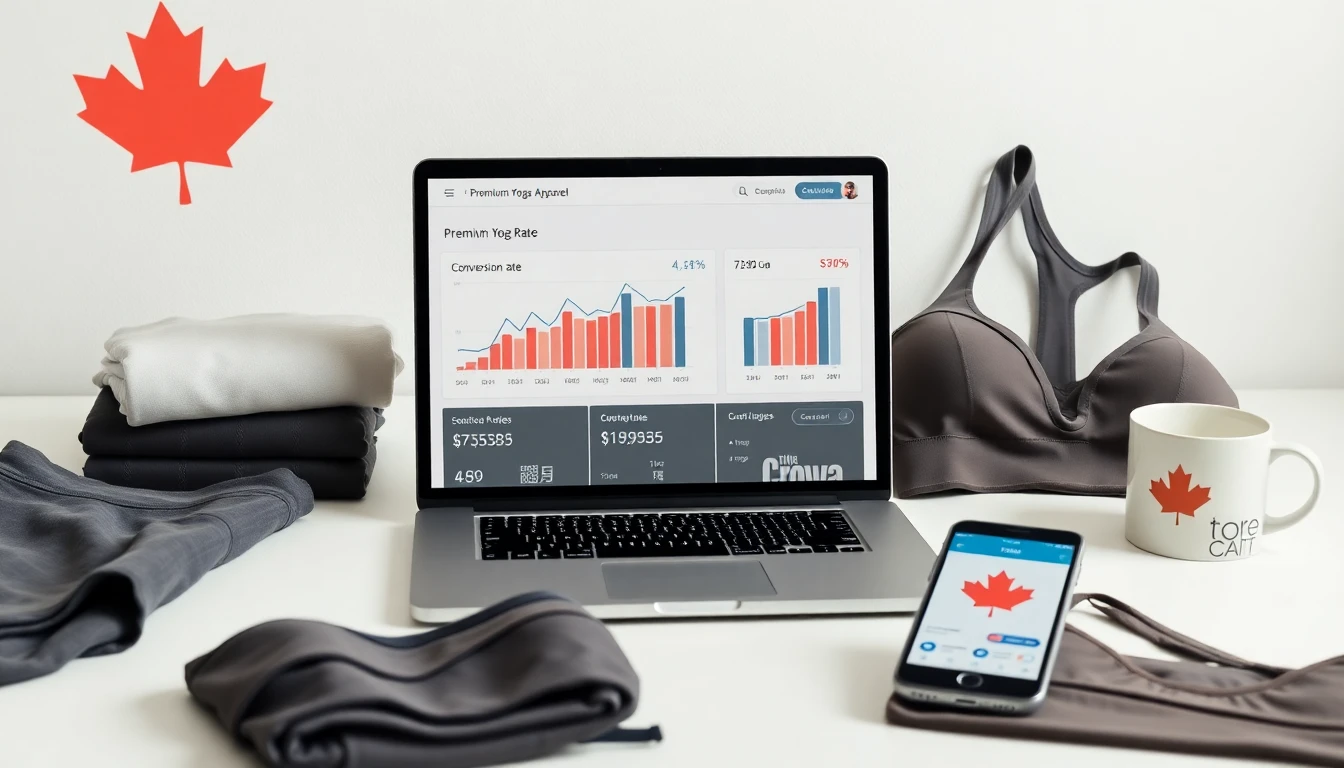
Canada's functional apparel market explodes from USD 68.4 billion in 2025 to USD 145.7 billion by 2031 . That's 13.2% annual growth —more than double most retail categories. premium yoga brands have a short window to grab market share. Saturation is coming.
Women's yoga clothing leads growth at 9.69% CAGR . It races from USD 22.66 billion in 2025 to USD 39.46 billion by 2031 . Men's segment grows fastest at 10.1% per year . Smart brands target both. Columbia Sportswear and Adidas already expanded men's premium lines. Independent brands? You've got 24-36 months to stand out. Big players will dominate after that.
Online distribution accelerates at 11.3% CAGR . Offline still holds 62% of current sales . This split shows an opportunity: build digital-first brands with physical touchpoints. Think Vancouver pop-ups. Toronto studio partnerships. Calgary boutique collaborations. Customers research online. They verify quality in-person. Then they buy through both channels.
Track five KPIs that separate premium winners from commodity losers:
These metrics show your quality investment turns into brand equity. Canadians will pay premium prices for it.
Conclusion
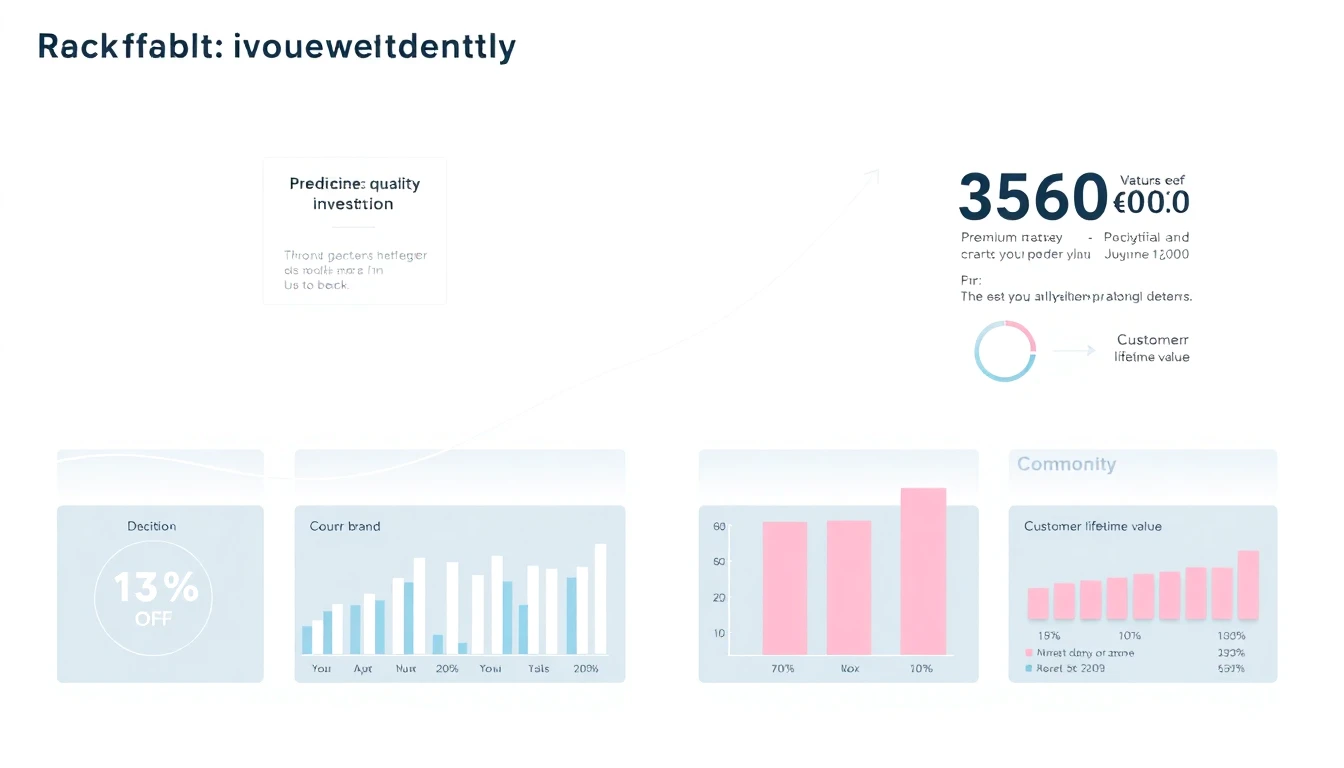
The Canadian yoga apparel market isn't just competitive—it's ruthless. Your brand survives or dies based on one decision: quality or commodity . The data is clear. Brands investing in high-quality yoga apparel see 3-4x higher customer lifetime value. Those cutting corners? They lose money through returns, bad reviews, and zero repeat purchases.
Here's your roadmap: Audit your current suppliers against the quality benchmarks we've outlined . Your leggings must pass the squat test. Your moisture-wicking tech must work after five washes. Fail these tests? You're building your brand on quicksand. Canadian consumers know quality. Lululemon taught them well. They can spot cheap fabrics right away.
Your next 48 hours matter : Connect with certified manufacturers who specialize in performance yoga fabrics. Request lab-tested samples. Calculate your true ROI. Include customer retention, not just unit costs.
Canada's activewear market is worth $2.1 billion. Quality isn't a luxury strategy here—it's your sole path to lasting success. The brands dominating 2025 made their supplier choices in 2024. What will you choose?