Table of Contents
You've found the perfect swimsuit online—the color, the style, everything looks great. You click "add to cart," then stop at the size menu. Small? Medium? Size 8? What about your cup size? One wrong choice means weeks of returns, shipping fees, and missing beach season.
Swimwear sizing confuses a lot of people. Buying a swimsuit that fits in the United States takes more than knowing your "medium" size. You need bust measurements, torso length, and hip dimensions. Brands size things differently too. It feels like solving a puzzle. Here's the good news: learn how to measure yourself and read size charts. You'll stop wasting money on swimsuits that don't fit. This guide covers one-pieces, bikinis, athletic swimwear, and plus-size options. You'll learn how to take accurate measurements at home. You'll also understand why your swimsuit feels too tight in some spots and too loose in others. No more sizing confusion—just confidence.
How to Measure Your Body for Swimwear: Step-by-Step Guide
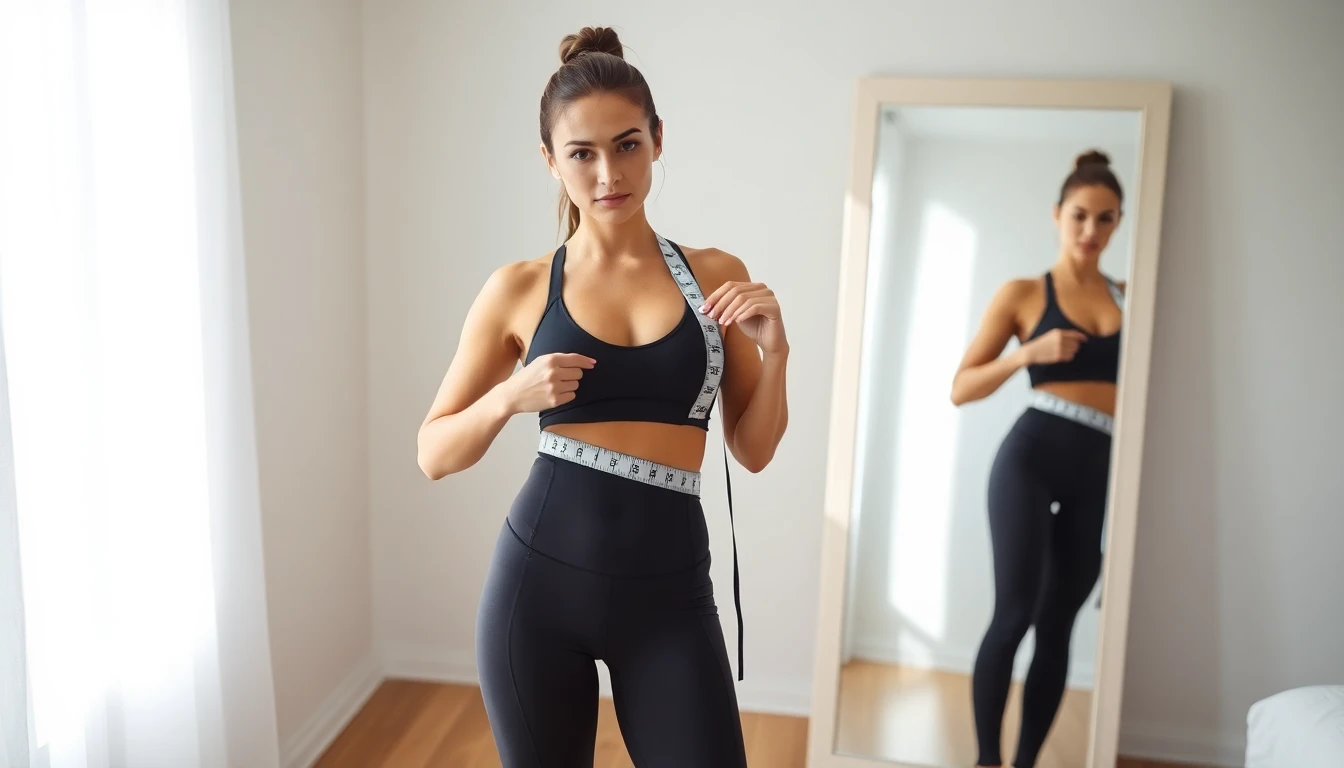
Accurate measurements make the difference between a swimsuit that fits you and one that ends up donated. You need six core measurements: bust, under bust, waist, high hip, low hip, and torso length. Each one shows how a swimsuit will fit your body.
What You'll Need Before You Start
Grab a soft measuring tape—the fabric kind tailors use, not the metal ones from your toolbox. You'll also need a pen and paper to write down your numbers. Wear form-fitted clothing or just your underwear. Nothing thick or padded. Those extra layers mess up your measurements.
Keep the measuring tape parallel to the floor for everything except torso length. Don't pull it tight enough to squeeze your skin. Don't let it hang loose either. The tape should rest against your body the way a well-fitted swimsuit would.
Someone helping you makes this easier for measuring your back and torso. Doing this alone? Use a mirror to check that the tape stays level.
Measuring Your Bust
Wrap the tape around the fullest part of your chest. That's right at nipple level. Look in a mirror and make sure the tape runs straight across your back. It shouldn't ride up between your shoulder blades or sag down toward your waist.
Stand up straight and take a shallow breath. Hold it while you check the measurement. Round up to the nearest whole number. Your tape shows 37.5 inches? Write down 38 inches.
Measuring Your Under Bust (Band Size)
This measurement sits under your breasts, right at the top of your ribcage. The tape should be snug but still let you breathe. You need this number for bra-sized swimsuits—those labeled with sizes like 36C or 40D instead of Small, Medium, or Large.
Round down to the nearest even number if you get an odd measurement. A 37-inch under bust becomes 36 inches. This matches standard bra band sizing. Shopping gets easier.
Finding Your Waist Measurement
Your natural waist is where your torso creases during a sideways bend. For hourglass and pear shapes, that's the narrowest part of your abdomen. For apple and rectangle shapes, look for the area above your navel and below your rib cage.
The tape stays horizontal to the ground. Don't pull it tight or suck in your stomach. Breathe like you do any other time.
Taking Hip Measurements
You need two different hip measurements. They sound similar but measure different parts of your body.
Low hip: This is the widest part of your hips, about 7 to 8 inches down from your natural waist. Wrap the tape all the way around. Keep it parallel to the floor.
High hip: Measure at the fullest point of your stomach and bottom. That's about 18 to 25 centimeters below your natural waist. This number matters for how high-waisted bottoms or one-pieces will fit.
Tie a ribbon or piece of string around your natural waist as a reference point. It helps you measure the exact distance down to each hip measurement.
Measuring Torso Length
This one's tricky to do alone. Start at the top of your shoulder where a bra strap sits. Drape the tape down your back, bring it through your legs, and up to that same shoulder point.
An easier method: measure from where your neck meets your shoulder, down through your bust and abdomen, to the lowest point of your crotch. The tape should rest against your body—don't pull it tight. You might need two tape measures connected together or someone to help you hold it in place.
Torso length matters for one-piece swimsuits. It shows whether the suit will be too short and pull on your shoulders or too long and sag in the crotch. For bikinis and two-pieces, you can skip this measurement.
Calculating Your Cup Size
Buying a bra-sized swimsuit? Subtract your under bust measurement from your full bust measurement. Each inch of difference equals one cup size. One inch is an A cup. Two inches is a B cup. Three inches is a C cup. Four inches is a D cup. The pattern continues for larger sizes.
Here's a real example: Your full bust measures 44 inches and your under bust measures 40 inches. The difference is 4 inches. That equals a D cup. Your band size is 40. Your final swimsuit size is 40D.
Double-Checking Your Work
Write down all six measurements as you take them. Bodies aren't symmetrical, so if a number seems off, measure again. Take each measurement twice and use the average if they're different.
These numbers are your swimsuit shopping cheat sheet. Keep them in your phone or wallet. You'll use them every time you buy swimwear, whether you're shopping online or in stores. Accurate measurements make choosing the right size simple instead of stressful.
Bikini vs One-Piece: Different Sizing Strategies
Bikinis and one-pieces use different sizing logic. A bikini lets you pick two separate sizes—one for your top, another for your bottom. A one-piece puts your entire body into a single size. This difference changes how you find swimwear that fits.
Why Bikinis Give You More Control
Bikini tops and bottoms work separately. Your top size comes from your bust measurement. Your bottom size comes from your hip measurement. They don't need to match.
Let's say you wear a size 36 top but a size 32 bottom. With a bikini, you buy that—a 36 top and a 32 bottom. Done. Your chest gets the coverage and support it needs. Your hips get the fit that stays in place without digging in.
Non-underwire bikini tops use your chest measurement at the fullest part of your bust. A 34-inch chest puts you in a size 34 top. Simple.
Underwire bikini tops work like bras. You need two numbers: your band size (measured under your bust) and your cup size (the difference between your full bust and under bust). A 30-inch band with a 34-inch bust gives you a 75C in European sizing. Or a 30D in US sizing.
Bikini bottoms care about your hips at their widest point. That measurement determines your bottom size. A 37-inch hip measurement puts you in a size 38 bottom.
This separation matters most for non-standard proportions. Fuller bust with narrow hips? Athletic build with broader shoulders? Pear-shaped with wider hips than chest? Bikinis adapt to your body instead of forcing your body to adapt to them.
One-Piece Sizing Works Differently
One-pieces use a single size for your entire torso. That size comes from your hip measurement, the same way bikini bottoms do. Some brands use bust measurement instead. Others average your bust, waist, and hip together.
The catch: your bust, waist, hips, and torso length all need to match that one size. Something won't fit right if they don't. A size 36 might fit your hips well but gap at the chest. Or it might fit your bust but pull tight across your hips.
Torso length becomes critical with one-pieces. That shoulder-to-crotch measurement shows whether a suit will be too short or too long. Too short pulls on your shoulders and rides up. Too long sags in the middle and gapes at the legs. Most size charts ignore torso length. You're left guessing whether "size 36" means a 36 for someone 5'4" or someone 5'10".
Athletic and competition swimsuits use numeric sizing—24 for XXS/size 0 up to 44 for XXL/size 18. These numbers vary between brands. A 32 from one swimwear manufacturer fits like a 34 from another.
The Trade-Off: Flexibility vs Simplicity
Bikinis require more decisions. You're choosing two sizes. Sometimes from different charts if you're mixing underwire tops with standard bottoms. But those extra decisions buy you precision. You're not giving up fit on half your body to make the other half work.
One-pieces give you one choice to make. That sounds easier until your body doesn't match the proportions that size assumes. Then you're stuck deciding which area gets the proper fit. And which area you'll tolerate being too tight or too loose.
One-pieces do offer integrated features bikinis can't—built-in tummy control, full torso coverage, structured underwire support that doesn't shift. These features work if the base size fits your body's proportions. Otherwise, the control panel sits in the wrong place. The underwire digs into your ribs or floats below your bust. The leg openings cut in where they shouldn't.
How to Choose the Right Size for Your Body Type
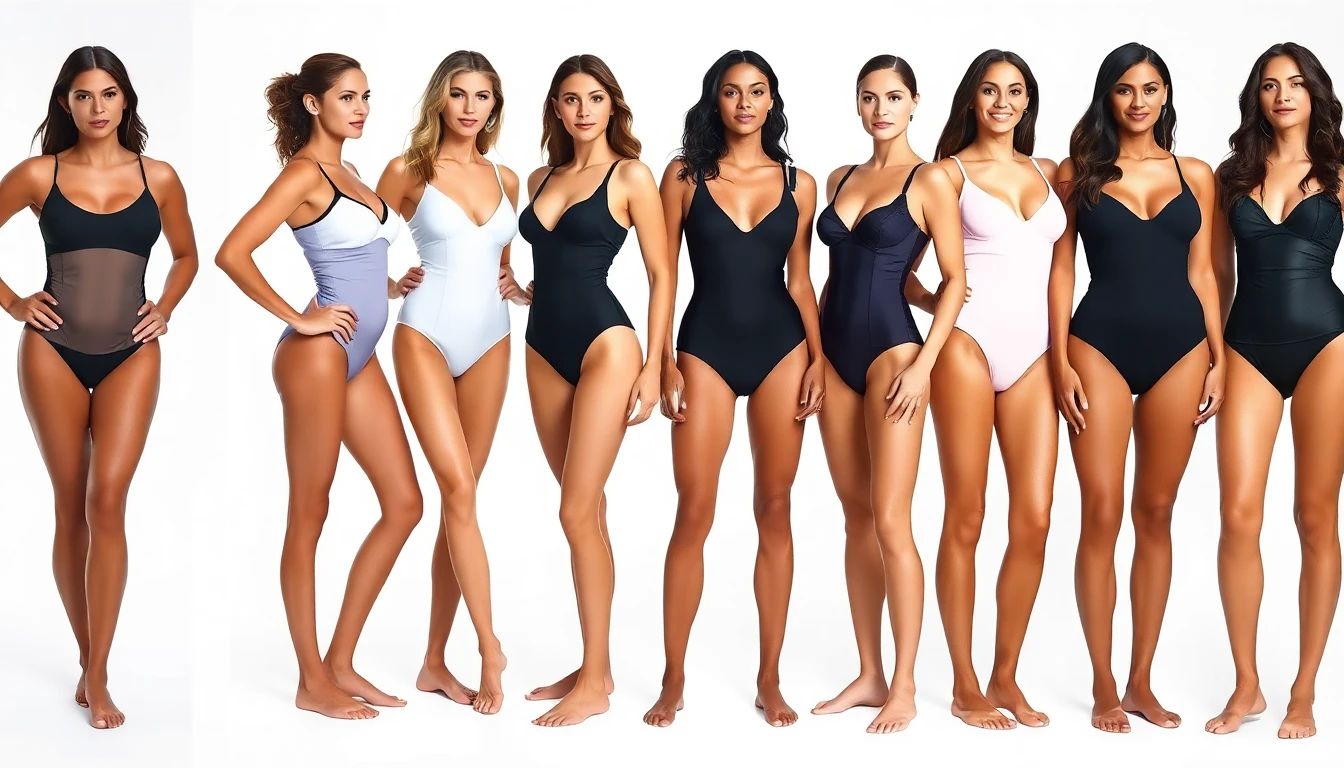
Standard sizing assumes one body shape fits all. It doesn't. Your shoulders might fit a size 10 while your hips need a size 14. Your athletic build might put you between regular and tall categories. Know your body type. This stops you from fighting size charts that weren't made for your build.
Women's Sizing Categories Beyond the Numbers
The US sports clothing industry divides women into four main categories. Each category makes different assumptions about height, torso length, and body build.
Missy sizing targets women between 5'4" and 5'9" with balanced proportions. Bust, waist, and hips align with each other without big differences. Even sizes run from 2 to 16. A size 10 in missy means a 36-inch bust, 27-inch waist, and 37.5-inch hip. Height matters here—you'll see short, regular, and long hem options. A 5'5" woman wears regular. A 5'8" woman needs long.
Petite sizing serves women under 5'4". The difference isn't just shorter legs. Arms, torsos, shoulder widths—everything scales down. A petite 6P has a 40-inch bust and 32-inch waist, same as some missy sizes. But the torso length runs 2 to 3 inches shorter. Armholes sit closer to the neck. Waistlines hit higher up the body. Skip petite if you're 5'3" with a long torso. Your height alone doesn't pick the category.
Junior sizing uses odd numbers—1, 3, 5, up to 15. These suits fit high busts with slim waists and narrow hips. Think straighter body lines. A junior 9 runs one full size smaller through the shoulders, waist, and thighs than a missy 10. Junior sizing targets women around 5'4" to 5'5". You're buying one size down from missy if proportions match.
Women's sizing (not to be confused with "women's wear" as a general term) fits curvier builds at average heights. Fuller busts, wider hips, more defined waists. Sometimes the bust sits lower on the torso than missy sizing expects.
Body Silhouettes and What They Mean for Swimsuit Fit
Four main body types control how swimwear fits your frame.
Hourglass shapes balance bust and hip measurements with defined waists. Your bust measures 37 inches, hips measure 38 inches, waist comes in at 28 inches. That 9-to-10-inch difference between waist and bust/hips creates the hourglass. Bikinis work well here—you can match top and bottom sizes with no trouble. One-pieces need enough waist definition in the cut or they'll hang loose in the middle.
Rectangle shapes run straight through the torso. Bust, waist, and hips measure within 2 to 3 inches of each other. A 36-inch bust with a 34-inch waist and 37-inch hip reads as rectangular. One-pieces often fit better than you'd expect. The suit doesn't need to fit dramatic curves. Look for side ruching or diagonal patterns. These create the look of waist definition.
Triangle or pear shapes carry more width in the hips than the bust. Your bust measures 34 inches but your hips reach 39 inches. That 5-inch gap means bikini bottoms run 1 to 2 sizes larger than your top. High-waisted bottoms and structured tops with padding balance your build.
Inverted triangle shapes flip the pattern—wider shoulders and fuller bust with narrow hips. A 38-inch bust with 34-inch hips. Athletic builds and broad-shouldered frames fall here. Bikini tops need more support. Bottoms might gap at the waist if you size up for the hips. Solid colors from waist down, including cover-ups, cut the hip-to-shoulder ratio.
Men's Sizing: Height and Build Matter
Men's swimwear divides into regular, short, tall, and big categories. Regular fits men 5'8" to 6'0" with standard proportions. Short cuts sleeve and body length 1½ inches shorter. Tall adds 1½ inches to sleeves and torso. These numbers aren't random—they change where waistbands sit and how much leg shows.
Big sizing fits larger builds at average heights—5'8" to 6'0" with bigger necks, chests, and waists. A 2XB (the smallest big size) fits an 18-inch neck, 50-inch chest, and 46-inch waist. A 9XB stretches to a 28+ inch neck, 74-inch chest, and 70-inch waist. Swim trunks in big sizes add width without adding length the way tall sizes do.
Match your actual measurements to these categories. Don't guess. A 6'1" man with a 32-inch waist needs tall, not regular. A 5'9" man with a 48-inch chest needs big, not regular.
US vs International Swimwear Size Conversion
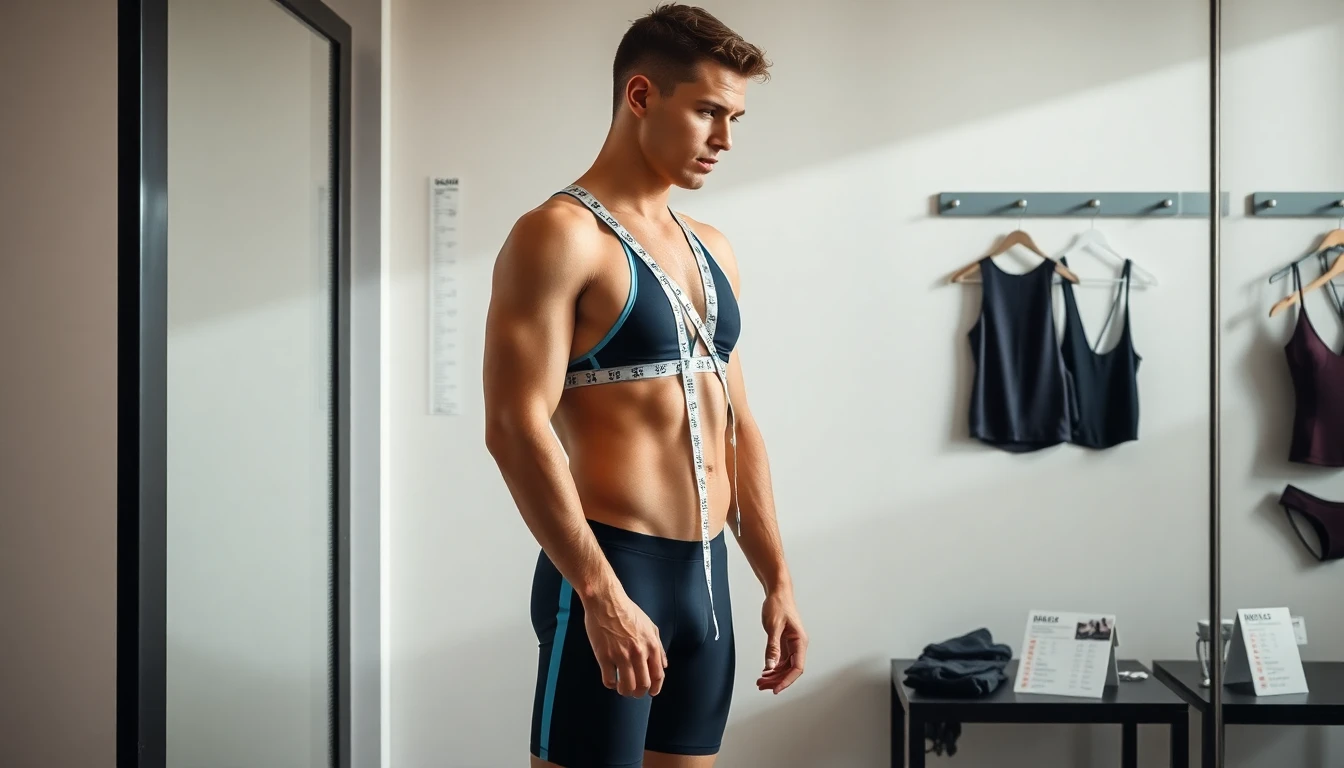
A size 8 swimsuit in the United States becomes a size 36 in Europe and a Large in Asia. The numbers change. The letters change. Your body stays the same. Shop for swimwear across borders? You're translating your measurements into three different sizing languages. Each one has its own rules.
Know international size conversions before you order. This stops you from getting a bikini two sizes too small. Or a one-piece that could fit two of you. The differences are huge. A US medium fits like an extra-large in many Asian brands. European sizing uses numbers close to US proportions but with different labels. Miss these differences? You'll pay international return shipping fees.
Breaking Down the Three Major Sizing Systems
US sizing runs from 0 to 16 for standard sizes. Size 8 sits in the middle—what most brands call medium. A US size 8 fits a 34 to 36-inch bust and a 36 to 38-inch hip. American swimwear is cut for broader shoulders and longer torsos. US brands design for sizes 6 to 8 with athletic or rectangle body types in mind.
European sizing uses different numbers. They start at 28 and go up to 48. Size 36 sits in the middle as their medium. European measurements are in centimeters, not inches. A EU size 36 fits an 89 to 94cm bust (about 36 to 38 inches) and a 96 to 100cm hip (about 38 to 40 inches). European cuts expect balanced proportions—bust and hips that match with moderate waist definition. Their designs target sizes 38 to 40 with more focus on hourglass and pear shapes than US standards.
Asian sizing uses familiar letters—XS, S, M, L, XL. Don't trust them. Asian sizing runs much smaller than Western standards. A US medium becomes an Asian Large or even XL. An Asian Large fits a 34 to 36-inch bust and 36 to 38-inch hip—the same as a US size 6 or 8. Asian swimwear cuts torsos 1 to 2 inches shorter than US and European brands. Their designs use sizes 9 to 11 (in Asian numeric sizing) with narrower frames and shorter torsos in every pattern.
Reading the Conversion Charts That Matter
Generic conversion charts online give rough estimates. Brand-specific charts tell you what fits. Here's what Elomi, a UK-based swimwear brand, uses for their tankinis, one-pieces, and swim briefs:
| UK/AUS/NZ | Europe | France | USA |
|---|---|---|---|
| 14 | 40 | 42 | 10 |
| 16 | 42 | 44 | 12 |
| 18 | 44 | 46 | 14 |
| 20 | 46 | 48 | 16 |
| 22 | 48 | 50 | 18 |
| 24 | 50 | 52 | 20 |
| 26 | 52 | 54 | 22 |
French sizing runs two numbers higher than European sizing, even though France is in Europe. French brands add 2 to the European number. A European 40 becomes a French 42. Both fit the same body. The label just changed.
For dress-style swimwear and cover-ups, Elomi uses this breakdown:
| AUS/NZ | USA | Japan |
|---|---|---|
| 10 | 6 | M |
| 12 | 8 | L |
| 14 | 10 | 2L |
| 16 | 12 | 3L |
| 18 | 14 | 4L |
| 20 | 16 | 5L |
| 22 | 18 | 6L |
Japanese sizing uses numbers with the letter L—2L, 3L, 4L. The L stands for "Large." The numbers show how many steps above standard Medium you're shopping. A 2L fits like a US 8. A 6L equals a US 18.
Bra-Sized Swimwear Gets More Complex
Underwire bikinis and supportive one-pieces use bra sizing—band numbers with cup letters. These conversions matter for European or UK brands.
Band sizes in UK and US inches work the same. A 34-inch band is a 34 in both countries. European and Japanese brands measure bands in centimeters:
| UK/US Band | European/Japanese Band |
|---|---|
| 30 | 65 |
| 32 | 70 |
| 34 | 75 |
| 36 | 80 |
| 38 | 85 |
| 40 | 90 |
| 42 | 95 |
| 44 | 100 |
Your under bust measures 32 inches. In US sizing that's a 32 band. In European sizing it's a 70 band. Same measurement. Different number.
Cup sizes cause real confusion. US and UK cup letters split after D. Americans call it a DD cup. UK brands label it an E cup. The bust-to-band difference stays the same—5 inches in both systems. The letter changes.
Here's the Primadonna conversion for larger cup sizes:
| US Cup | UK Cup |
|---|---|
| DD | E |
| DDD (or E) | F |
| G | G |
| H | H |
| I | I |
| J | J |
| K | K |
A US 36DDD equals a UK 36F. Your measurements didn't change. The label did. Order a UK swimsuit in your US size? You'll get a cup one size too small.
Calculate your cup size from bust-minus-band. Each inch equals one cup size. A 7-inch difference gives you a B cup. An 8-inch difference is a C cup. This formula works across all systems—you just translate the final letter:
| Bust Minus Band (inches) | US/UK Cup |
|---|---|
| 7 | B |
| 8 | C |
| 9 | D |
| 10 | DD (US) / E (UK) |
| 11 | DDD (US) / F (UK) |
| 12 | G |
| 13 | H |
Letter Sizes Don't Transfer Between Regions
Simple letter sizing—XS, S, M, L, XL—seems universal. It's not. A Medium means different measurements based on where the brand makes its swimwear.
Fantasie, another UK brand, publishes these alpha size conversions:
| UK | Europe | USA | Japan | AUS/NZ |
|---|---|---|---|---|
| XS | XS | XS | S | 8 |
| S | S | S | M | 10 |
| M | M | M | L | 12 |
| L | L | L | LL | 14 |
| XL | XL | XL | 3L | 16 |
| XXL | XXL | XXL | 4L | 18 |
A US Medium equals a Japanese Large. A US Large becomes a Japanese LL (double-L). Australian sizes use numbers instead of letters—their size 12 matches a US Medium.
These are exact sizes. This is how Fantasie cuts their patterns. Buy a Japanese Large thinking it matches your US Large? You're getting a swimsuit cut for a US Medium body.
Size Up or Size Down?
Asian brands run small. Always. You wear a US Medium? Order an Asian Large or XL. The fabric won't stretch enough to make up the gap. Asian sizing also expects shorter torsos. One-piece swimsuits from Asian brands pull on the shoulders if you're over 5'5". Even if the chest and hip measurements match on paper.
European brands run closer to US sizing but use less stretch. European swimwear is made with higher-quality, lower-stretch fabrics than American brands. Size charts might show the same measurements. European suits feel tighter. The 34-inch bust range in a European size 36 fits snugger than a US size 8 with a 34-inch bust range. Go up one size if you're between two European sizes.
UK sizing matches US sizing almost spot-on for numeric sizes. A US 8 equals a UK 10. Their cup sizes split at DD. UK E equals US DD. UK F equals US DDD or E based on the brand. Check the brand's specific cup conversion chart—don't guess.
Brand-Specific Charts Beat Generic Conversions
These conversion tables show how one brand—Elomi, Primadonna, Fantasie—translates sizes. Another brand might shift everything one size up or down. Beachwear companies don't follow a universal standard. Each one decides what their Medium means.
Use the specific brand's size chart. Find it on their website under "Size Guide" or "Fit Guide." Compare your measurements to their chart, not to a generic US-to-EU converter you found online. Generic charts give ballpark estimates. Brand charts tell you what ships to your door.
FAQ: Swimwear Sizing Questions Answered
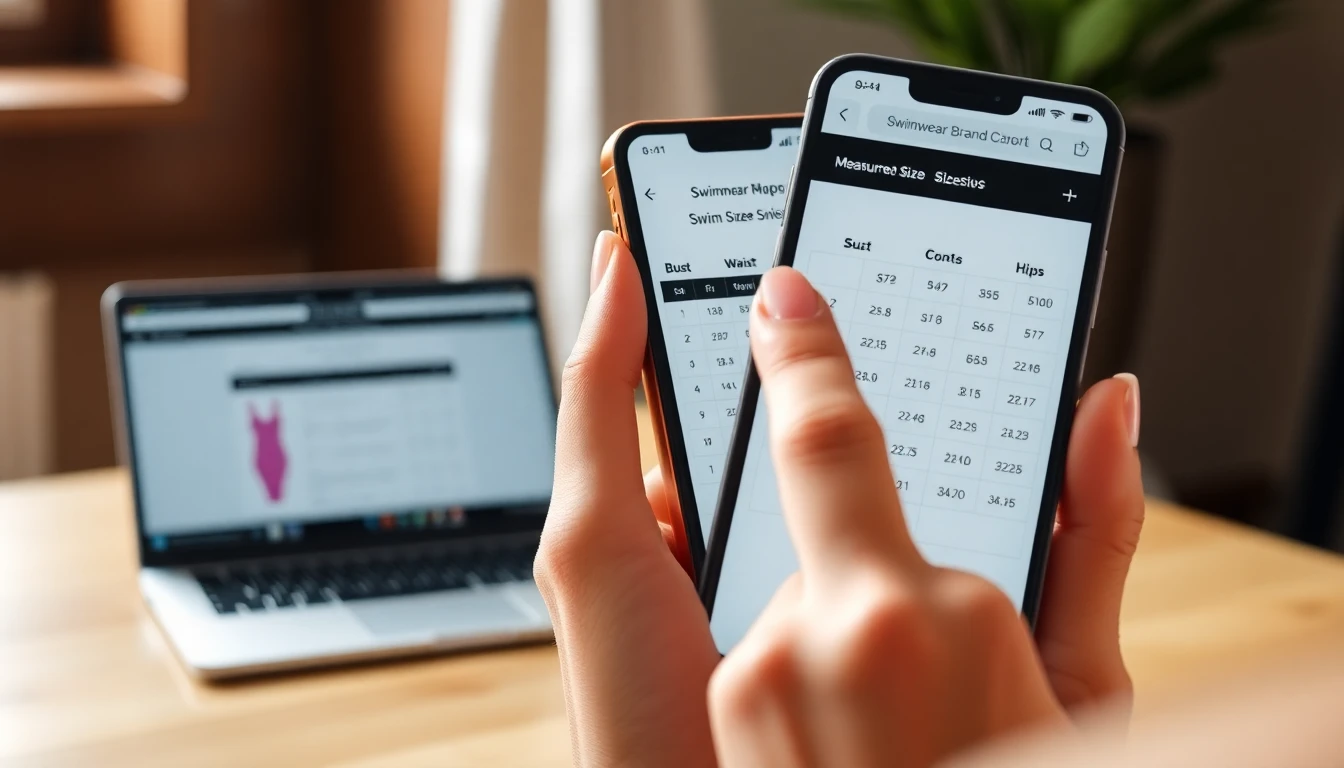
Sizing questions pile up fast. You're staring at a swimsuit online. The fabric looks right. The cut feels promising. Then doubt creeps in. Will it fit? These seven questions come up most often. The answers cut through the confusion.
Can I Wear Different Sizes for Top and Bottom?
Yes. 49% of women buy different sizes for bikini tops and bottoms. Your body doesn't need to fit one universal size. A 34-inch bust with 38-inch hips means your top runs two sizes smaller than your bottom. Buy them as separates. Nobody's checking if the numbers match.
One-pieces assume your bust, waist, and hips all fit the same size. That's why 99% of one-piece designs work for even, balanced bodies. Fuller bust than hips? Wider hips than chest? You're forcing one part of your body into the wrong fit. Stick with bikinis or tankinis that let you mix sizes.
How Much Does My Weight Fluctuation Matter?
Your body weight shifts 1 to 3 kilograms every week. Water retention happens. Hormones change. Salt intake varies. All normal stuff. Swimwear fabric stretches 1 to 2 centimeters to absorb these changes. A good-fitting suit handles this range without feeling tight one day and loose the next.
Size up if you're between measurements. The extra centimeter of give keeps the suit comfortable through natural changes. Size down? You're fighting your swimsuit every time your weight hits the higher end of normal.
Why Does Asian Sizing Run So Small?
Asian brands design patterns for bodies averaging 9 to 11 in their numeric system. That translates to US sizes 2 to 4. Their Medium fits a 34 to 36-inch bust—the same measurements as a US Small or size 6. Their torso lengths run 1 to 2 inches shorter than Western cuts too.
You wear a US Medium? Order an Asian Large or XL. The size chart might show matching bust measurements. The cut expects narrower shoulders. It also expects a shorter body from shoulder to crotch. Ignore the letters. Go by chest and hip centimeters listed in the detailed measurements.
What Happens If I'm Between Two Sizes?
Round up. Always. Loose swimwear beats swimwear that cuts into your skin. You can't stretch a too-small suit into comfort. Brands grade their patterns up and down from one fit model. That's a US size 6 or 8 most times. They don't rebuild the design for each size. Patterns just scale larger or smaller.
That scaling means something. A 36.5-inch bust in a size 36 might pull across your chest. The size 38 gives you breathing room. Take the 38. Tight swimwear rides up. It digs in at the legs. It creates bulges where your body pushes against the elastic. Loose swimwear just needs better ties or a quick stitch at the straps.
Do All Brands Use the Same Size Standards?
No. Each brand decides what their Medium means. One company's size 8 fits a 34-inch bust. Another brand's size 8 expects 36 inches. Band sizing varies even more. Some brands use S/M/L. Others use numerical sizing like 6, 8, 10. A few use 1X, 2X, 3X for extended sizes up to 24.
Check the specific brand's size chart before ordering. Don't assume your "usual size" transfers. Compare your actual measurements to their bust, waist, and hip ranges. Your numbers might land you in a size 10 with one brand and a size 14 with another. Both could fit well. They're just measuring different things.
Should I Size Up for Competition or Athletic Swimwear?
Athletic swimsuits use compression fabrics. These fit tighter than regular swimwear. The suits are supposed to feel snug. They reduce drag in water. Order your normal size based on measurements. Don't size up expecting the same loose fit as a fashion bikini.
Competition suits stretch less than fun swimwear. The trade-off is they last longer. These fabrics hold their shape through hundreds of hours in pools with chlorine. A looser fit defeats the purpose. The suit needs to compress your body a bit to work. Too big? It fills with water and slows you down.
Conclusion

Finding your perfect swimsuit size doesn't need to feel like a gamble. You now have the tools: accurate bust measurements, proper torso length skills, and reliable swimwear size charts. Shop with confidence. One-piece or bikini, any brand—you've got this covered.
Take 15 minutes to measure yourself today. This saves you weeks of returns tomorrow. No more too-tight disasters. No more too-loose fits killing your beach confidence. Your measurements work like a shopping superpower. Online swimwear shopping becomes easy and stress-free.
Ready to use what you've learned? Check out our collection at berunclothes.com. Every style comes with detailed size guides made for American shoppers. Pro tip: save your measurements in your phone's notes app. Next swimsuit season, you'll shop in seconds. No need to start over.
Your perfect fit is out there. Go grab it.