Table of Contents
You scroll through Instagram and see the same yoga poses. The same soft color schemes. The same "namaste" captions.
Your yoga apparel brand deserves better than blending into this sameness.
Building a strong social media presence for your yoga clothing line isn't about posting more. It's about posting smarter.
Maybe you're launching your first collection. Or scaling an established brand. Either way, the difference is clear. Some brands struggle for visibility. Others build devoted communities.
The gap comes down to strategic choices. You need to know which platforms convert browsers into buyers. Create content that goes beyond pretty photos. Build real connections that turn followers into brand advocates.
This guide breaks down the framework successful yoga apparel brands use to grow their social media presence. You'll learn how to define a brand identity that stands out. Plus, how to measure the metrics that matter for your bottom line.
You'll finish reading with a clear roadmap. Your social channels can transform from digital storefronts into thriving communities. Communities that drive real revenue.
Defining Brand Identity
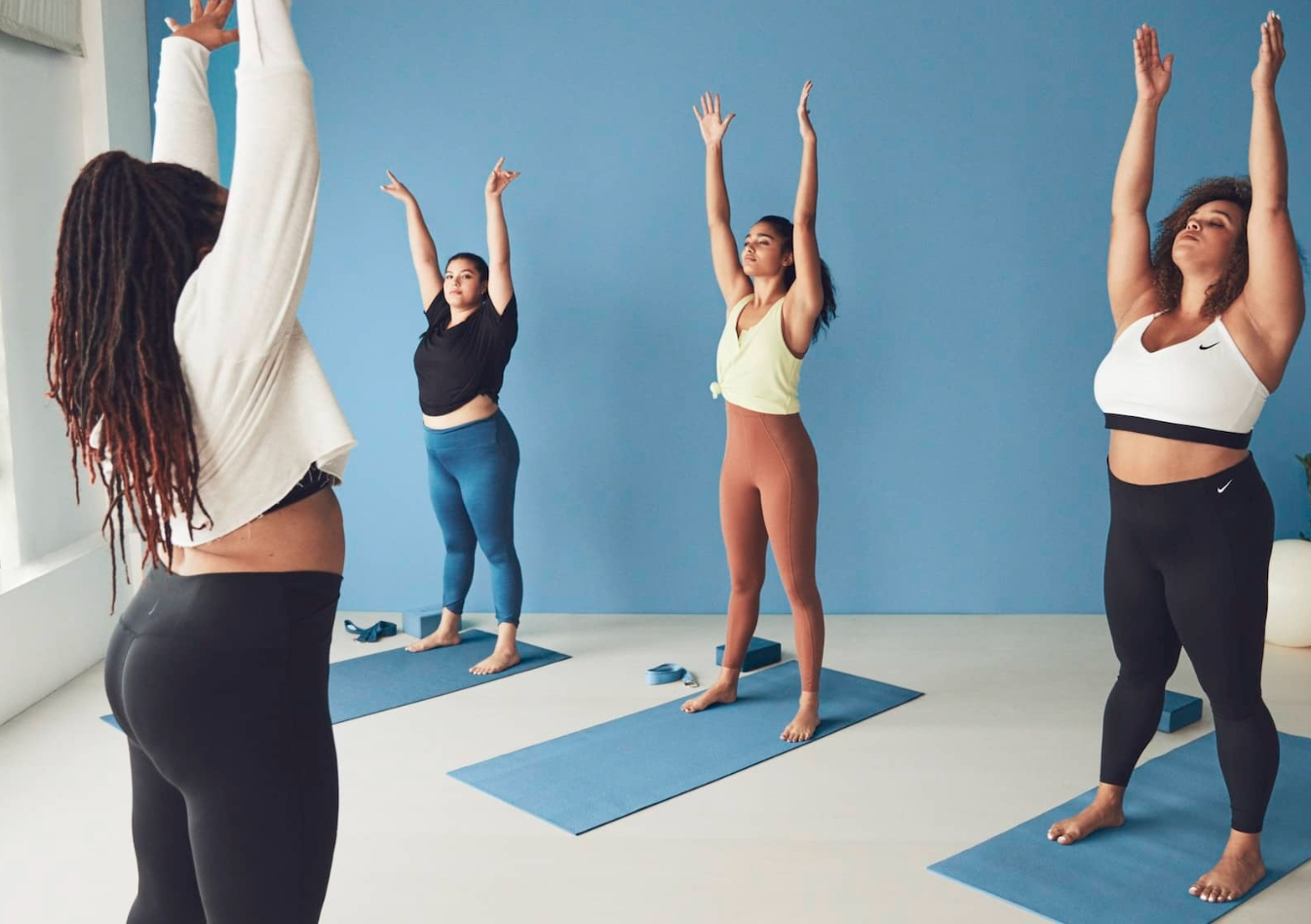
Your brand identity filters every Instagram post, product photo, and customer interaction.
Without it, you're another yoga apparel company posting leggings on white backgrounds.
Start with your audience. Skip the abstract "wellness-focused millennial" from reports. Talk to real people. Conduct 15-20 customer interviews. Ask what yoga means to them. Is it escape from a demanding job? Reconnecting with their body after pregnancy? A morning ritual before chaos hits?
Use social listening tools to track yoga and athleisure conversations. Pull data from your analytics. Build 1-3 primary personas with real pain points. The time-starved professional wants studio-to-street versatility. The sustainability-conscious buyer of yoga clothing checks fabric sources. The movement enthusiast wants performance without sacrificing style.
Core Values That Guide Decisions
Pick 3-5 non-negotiable values . Skip aspirational words you wish described your brand. Choose values that shape product decisions and content creation.
Maybe it's holistic wellness, mindful movement, aesthetic confidence, inclusive community, and sustainable practices. Write them down. Then pressure-test them: Does this value change which yoga clothing factory you choose ? Does it affect your photography style? If not, it's marketing fluff.
Turn values into a one-sentence mission that links your apparel to lifestyle transformation: "We design mindful athleisure that turns movement into self-care."
Your mission bridges fabric and philosophy.
Positioning Against the Sameness
Use this template: "For [specific audience], [your brand] is the [category] that provides [primary benefit] because [proof point]."
Example: "For urban yoga practitioners balancing demanding careers with wellness routines, Zenith Threads delivers studio-ready performance and all-day wearability. We engineer breathable, four-way stretch fabrics tested across 200+ hours of real-world movement."
Specificity matters. "Yoga enthusiasts" is too broad. "Urban professionals attending 3+ classes per week who value sustainable materials" gives you content direction.
Personality and Voice for Wellness
Choose 3-5 personality traits that reflect yoga's mindful roots: grounded, encouraging, minimalist, aspirational, inclusive.
Translation to tone of voice:
Short, calm sentences. No shouting. Few exclamation points.
Action verbs tied to wellness: breathe, restore, align, flow, center .
Skip aggressive fitness language like crush, grind, dominate . That's CrossFit, not yoga.
Your verbal identity must work with visual cues.
Visual Identity That Signals Movement
Your logo needs to function at 16-32 pixels . Think social media avatars, app icons, mobile screens. A simple wordmark plus minimal symbol (a flowing line suggesting breath or movement) works better than ornate designs.
Color palette strategy:
Primary colors : 1 neutral base (warm stone, soft charcoal) + 1 calm accent (sage green, soft teal, dusty rose). These colors signal wellness fast.
Secondary colors : 2-3 supporting tones for campaign variety. Deeper jewel tones add luxury for special drops.
A signature color increases brand recognition by up to 80% . Pick one and own it.
Typography: one clean sans-serif for body text (legible at 12-16px on mobile). One subtle serif or display font for headlines adds aspiration without losing calm.
Imagery rules define your Instagram feed before you shoot a single photo:
70-80% real movement: yoga flows, stretching, walking, everyday rituals like morning coffee with your journal
20-30% product still-lifes with wellness objects—mats, plants, candles, books
Soft, natural lighting. Harsh shadows break the mindful mood.
Consistent branding across channels can increase revenue by up to 23% . Map every touchpoint—social posts, website, packaging, customer service scripts—back to your core values.
Your brand identity isn't creative decoration. It's the strategic foundation that makes every marketing decision faster, clearer, and more effective.
Content Creation Guidelines
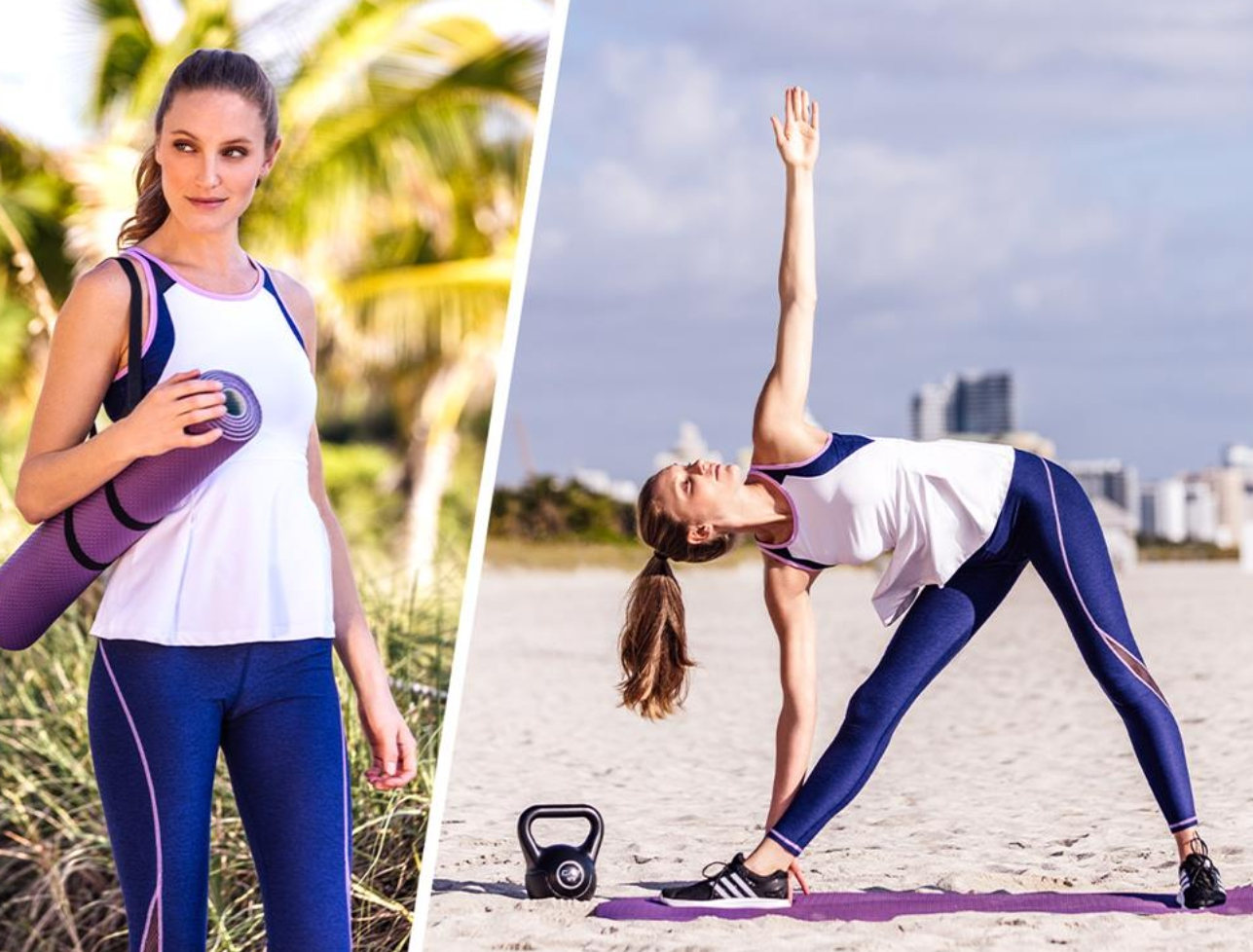
Short-form video isn't optional anymore—it's how your audience talks on social media.
Video posts earn more engagement than static images across major platforms. The reason is simple: consumers say video helps them see a product in action. It helps them imagine how it fits into their lives.
For yoga apparel , movement content wins. A static flat-lay of leggings tells part of the story. A 30-second flow video tells the complete story. It shows how the fabric moves through warrior two, chaturanga, and pigeon pose. Demonstrate the four-way stretch during a deep lunge. Show the high waistband staying put through inversions. Capture the drape and recovery speed as someone transitions from downward dog to standing.
Shoot 1-2 flow videos per week . Keep them between 15-60 seconds. Focus on full outfits in motion. Then add close-ups on functional details—how the fabric breathes during sun salutations, whether seams lay flat during twists. 49% of marketers yoga wear use video to demonstrate products in real use. Be one of them.
Balance Video With Authentic Stories
Creator content beats branded content by wide margins. Posts from real people—instructors, practitioners, brand ambassadors of yoga apparel —are 50% more effective for brand awareness than posts from your official account. They boost purchase intent by 40% .
94% of companies report that creator content delivers better ROI than traditional digital ads. That's up from 74% the previous year. The shift is clear.
Feature 1 client success story per week . Build it around transformation. Start with the problem: leggings that slip during practice, sports bras that dig into shoulders. Show your apparel as the solution. End with the tangible outcome: longer, uninterrupted flows. Include specifics: "I went from 20-minute sessions adjusting my waistband to 60-minute flows without a single distraction."
Consumers are 54% more likely to buy from relatable creators versus polished, corporate voices. 87% say relevant topics in content matter most. Real stories from real yogis build that relevance fast.
Avoid the trap: 34% of consumers dislike too-promotional social ads. Lead with value—education, inspiration, community—before asking for the sale.
Post Regularly Across Formats
Regular posting separates brands that grow from brands that stall. 42% of marketers struggle to create content on a schedule. This means a steady posting rhythm gives you an immediate advantage.
Aim for 3-5 posts per week on each primary platform. High-performing lifestyle brands yoga apparel often publish every day. But frequency without quality weakens your message. Find your sustainable rhythm.
Mix up formats in your plan each week:
Behind-the-scenes content (1x/week): Show design sketches, fabric testing, photoshoot setups, instructors preparing sequences in your apparel
Instructional mini-tutorials (1x/week): Break down a pose or short flow in 3-5 steps. Make your apparel visible at key angles: hips, knees, shoulders
Movement videos (1-2x/week): Full outfit demos during actual practice
Community spotlights (1x/week): Feature customers, instructors, or partners
Content marketers who see strong results favor how-to articles (74-76%), guides , and original research . Apply that to social: tutorials, style guides, and data-backed posts about fabric technology or sustainability.
Short-form video ranked as the format delivering the best ROI for 21% of marketers in 2025. Prioritize it. But don't abandon other content types.
Lead With Emotion and Aspiration
Just 25% of content achieves an average emotional score above 25%. Just 33% hits peak emotion scores above 50%. Most content is flat emotionally.
Yoga is emotional—it's about finding calm, building strength, reconnecting with yourself. Your content should reflect that depth.
Show the moment someone holds crow pose for the first time in your leggings. Capture the relief on a new mother's face as she returns to her mat. Film the quiet morning routine. Rolling out the mat. Lighting a candle. Slipping into your apparel before the rest of the house wakes.
33% of companies yoga clothing plan to create more entertaining content. 14% are adding more educational material. Blend both. Entertain through beautiful visuals and relatable moments. Educate through pose breakdowns and fabric science.
79% of people are inspired to explore brands after seeing an ad within creator content. ~70% are motivated to discuss or share it. Combine emotion with authenticity. This creates content people want to pass along.
Your content calendar isn't just a posting schedule. It's your engine for turning social followers into advocates and customers.
Instagram dominates visual storytelling for yoga apparel brands . The numbers prove why it matters:
That's not passive browsing—it's active shopping behavior you can capture.
Your target audience lives here. 61.1% of Instagram's global users fall between 18-34 years old. This is the demographic driving athleisure and wellness purchases. In the US, 76% of adults aged 18-24 use the platform. Women make up 55.5% of the American user base. They're your core buyers for yoga apparel .
The competitive landscape is tight. Average engagement rates dropped to 0.50% in 2025 , down 28% from the previous year . Brands posting generic content get buried. You need strategic choices to break through.
Optimize Your Profile for Conversion
Your Instagram bio gets 150 characters to convert profile visitors into followers or customers. Structure it with three elements:
Line 1 : Who you serve and what you deliver. " Performance yoga wear for mindful movers " beats vague descriptions.
Line 2 : Your unique value. "Sustainable fabrics that flow with your practice" connects product to benefit.
Line 3 : Clear call-to-action with your link. Link-in-bio tools like Linktree or Later direct traffic to multiple places—new arrivals, bestsellers, sustainability story.
Add 5-10 Story Highlights below your bio. Organize them by function:
Shop : Featured collections and bestsellers
Reviews : Customer testimonials and fit feedback
Movement : Video clips showing apparel during practice
Behind-the-Scenes : Design process and fabric sourcing
Community : User-generated content and brand ambassadors
Business accounts unlock analytics. Switch to one. Track which posts drive profile visits, website clicks, and purchases.
Master Reels for Maximum Reach
Reels now match carousels at 0.50-0.55% engagement rates . But they deliver something carousels can't—reach beyond your followers. Instagram's algorithm prioritizes Reels in feeds and the dedicated Reels tab.
Post 3-4 Reels per week minimum. Each one should run 15-30 seconds . Longer videos lose viewers.
Winning Reel formats for yoga apparel :
"Get Ready With Me" flows : Show someone putting on your outfit, then moving through a 5-pose sequence. Show how the high-waisted leggings stay put during inversions. Show the sports bra's support during chaturanga. Add trending audio— 72% of Gen Z users say they use Instagram for customer service and product discovery. They expect current, relevant content.
Transformation loops : Film a yoga flow. Cut to the same person wearing your apparel in a coffee shop or coworking space. Show studio-to-street versatility in 20 seconds.
Product detail close-ups : Zoom in on functional features. The seamless waistband. The sweat-wicking fabric. The phone pocket that fits an iPhone. Pair these with text overlays explaining benefits.
Front-load your hook in the first 3 seconds . Users scroll fast. Open with movement, bold text, or a question: "Do your leggings pass the squat test?"
Leverage Carousels for Product Education
Carousels deliver 0.55% engagement , a bit higher than single images at 0.45% . The format encourages swipes. Each swipe signals deeper interest to Instagram's algorithm.
Use 8-10 slides per carousel. Structure them like mini-stories:
Slide 1 : Eye-catching image or bold statement. " 5 reasons yoga teachers choose our leggings ."
Slides 2-6 : One benefit per slide with supporting image. "Reason 1: Four-way stretch tested through 200+ sun salutations."
Slide 7 : Social proof. Customer quote or review screenshot.
Slide 8 : Clear CTA. "Shop the collection—link in bio."
Mix carousel types throughout the week:
Product features carousel : Break down fabric technology, construction details, sustainability certifications
Style guide carousel : Show one piece styled three ways—morning practice, errands, dinner
Customer testimonial carousel : Pull reviews with permission, pair with photos of customers wearing the apparel
Build Community Through Strategic Engagement
Instagram's average user has 264 followers , up from 233 in 2024. Your brand account needs thousands to drive meaningful revenue. Community building speeds up that growth.
Respond to every comment within the first hour of posting. Fast engagement signals content quality to the algorithm. This boosts your reach. Ask follow-up questions to keep conversations going. Someone comments "Love these colors"? Respond with "Which shade are you drawn to for fall practice?"
Use Instagram Stories' interactive features each day:
Polls : "High-rise or mid-rise waistband for hot yoga?"
Question stickers : "What's your biggest challenge finding yoga clothes ?"
Quiz stickers : "Can you guess which sustainable fabric we used?"
These tools collect valuable product development data. They increase engagement too. 72% of Gen Z expects brands to interact with them on social platforms.
Dedicate 30 minutes each day to engaging with your target audience's content. Follow and comment on posts from:
Yoga instructors in your region
Studios where your customers practice
Wellness brands of yoga wear that don't compete with you
Hashtags like #yogateacher, #yogapractice, #yogalife
Genuine comments drive profile visits. Skip generic "Love this!" remarks. Reference something specific: "That transition from crow to side crow—incredible control. What keeps you stable?"
Your Instagram strategy isn't about being everywhere. It's about showing up where your audience spends 32 minutes per day . Give them content worth that time.
TikTok
TikTok rewrites the rules of brand building every three months:
Projections climb to 1.99 billion adults by October. This isn't gradual growth—it's explosive momentum you can't afford to ignore.
Here's the difference: Instagram rewards polished aesthetics. TikTok rewards raw authenticity. Your curated yoga photoshoot might flop here. A 15-second clip of someone laughing as their leggings pass the squat test? That goes viral.
The platform skews young, but not as young as you think. 33-35% of users fall between 18-24 . Another 33-34% are ages 25-34 . Combined, that's over 1 billion users in prime yoga apparel buying age. In the US alone, 59% of people aged 18-29 use TikTok. Your target demographic spends an average of 52 minutes per day scrolling through content.
Why TikTok Converts for Activewear
Users open TikTok 20 times each day . Each session runs about 10 minutes . They're not browsing—they're hunting for what's next. 65.1% of traffic comes from mobile . Your content needs to work on small screens with sound off. Captions matter.
The algorithm doesn't care about your follower count. A brand-new account of yoga wear can hit millions of views on the first post if the content resonates. TikTok's "For You Page" serves videos based on watch time, completion rate, and engagement. Not your existing audience size.
This levels the playing field. Big yoga brands with massive Instagram followings start from zero here, just like you.
Content That Performs for Yoga Brands
Skip the 60-second documentaries about fabric sustainability. TikTok users scroll past anything that doesn't hook them in 3 seconds . Lead with movement, bold text, or a question that stops thumbs mid-scroll.
"Try-On Hauls" dominate activewear content. Film yourself trying on 3-5 pieces rapid-fire. Show how each looks during a forward fold, a squat, and sitting cross-legged. Add quick text overlays: "Waistband test ✓" or "See-through test ✗". Users want honest assessments, not sales pitches.
"Day in the Life" videos showcase versatility. Start at morning yoga in your studio outfit. Cut to running errands in the same leggings. End at a casual dinner where the pieces still look intentional, not gym-sweaty. You're selling the lifestyle, not just the clothes.
Behind-the-Scenes Clips humanize your brand fast. Show fabric samples arriving. Film your team debating pocket placement. Capture the moment you approve a new colorway. Gen Z and Millennials— 40% of all users —crave transparency. They want to see the messy middle, not just the finished product.
Challenge Participation piggybacks on existing trends. A yoga or wellness challenge trends? Create your version featuring your apparel. Use the challenge hashtag plus your branded hashtag of yoga wear . This doubles your discoverability.
Hashtag Strategy That Builds Reach
TikTok's search function works different than Instagram's. Users search phrases, not just single hashtags. Mix broad, niche, and branded tags of yoga apparel :
Broad : #yogatok, #activewear, #athleisure (millions of views, high competition)
Niche : #yogaleggings, #sustainableactivewear, #studiotostreet (hundreds of thousands of views, targeted audience)
Branded : #YourBrandName, #YourBrandChallenge (builds your unique ecosystem)
Use 3-5 hashtags per post . More than that looks desperate. TikTok's algorithm reads your video content and audio choice to determine relevance. Hashtags support discoverability but don't drive it alone.
Partner With Micro-Creators in the Wellness Space
TikTok creators with 10,000-100,000 followers deliver better ROI than mega-influencers. Their audiences trust them. Their rates stay reasonable. A yoga instructor with 40,000 followers who loves your leggings will convert more buyers than a celebrity with 2 million followers who's never practiced a day in their life.
Send free product to 10-15 micro-creators per quarter. Don't demand posts. Ask them to share honest feedback if they love it. Most will post on their own because TikTok's culture rewards authentic recommendations over obvious sponsorships.
Track performance through affiliate codes or custom discount links. You'll see which creators drive revenue, not just likes.
Post Often, But Don't Burn Out
TikTok rewards frequency. Brands posting 3-5 times per week see steady growth. Posting each day accelerates it—if you can maintain quality. But one great video per week beats seven mediocre ones.
Batch-create content. Dedicate one afternoon to shooting 10-12 short clips. Edit and schedule them across two weeks. This prevents the content hamster wheel from draining your energy.
Pay attention to timing. US users peak between 7-9 PM EST on weekdays . But your specific audience might behave different. Check TikTok Analytics after your first month. This shows you the times your viewers are most active.
The platform's $10 billion in US revenue proves brands are winning here. Your yoga apparel brand can claim its share—show up with content that feels native, not imported from Instagram's highlight reel.
YouTube

YouTube isn't a social platform—it's a search engine for people who want to see, not just read:
That's not background noise. People choose what to watch next with clear intent.
Your yoga apparel brand can own a corner of that attention. The platform rewards depth over speed. A 15-minute tutorial showing proper alignment in your leggings will beat a 15-second clip. Viewers came here to learn, not scroll. 74% of US adults use YouTube. Your target demographic—yogis aged 25-44—makes up close to 40% of the user base.
Build Tutorial Series That Showcase Fit and Function
Structure content around skill levels. Create three playlists:
Beginner flows (10-20 minutes): Simple sequences that build confidence. Film 8-12 videos showing basic poses. Show how your high-waisted leggings stay put during downward dog. Capture the four-way stretch during warrior poses.
Intermediate practices (20-35 minutes): Flows that need balance and flexibility. Your apparel needs to move without restriction here. Film close-ups during arm balances and deep hip openers. This is where cheaper fabrics bunch or slip.
Advanced sequences (30-45 minutes): Long-form content for serious practitioners. These videos build authority. They prove your apparel performs during tough movement.
Each tutorial stays relevant for years. A video published today drives views—and sales—long-term. TikTok content loses steam after 48 hours. YouTube videos gain traction over months through search and suggested content.
Optimize every upload for discovery. Use clear titles: "30-Minute Vinyasa Flow for Stress Relief | Full-Body Yoga Practice." Add timestamps in descriptions. Viewers can jump to specific sections. This boosts watch time—the metric YouTube cares about most.
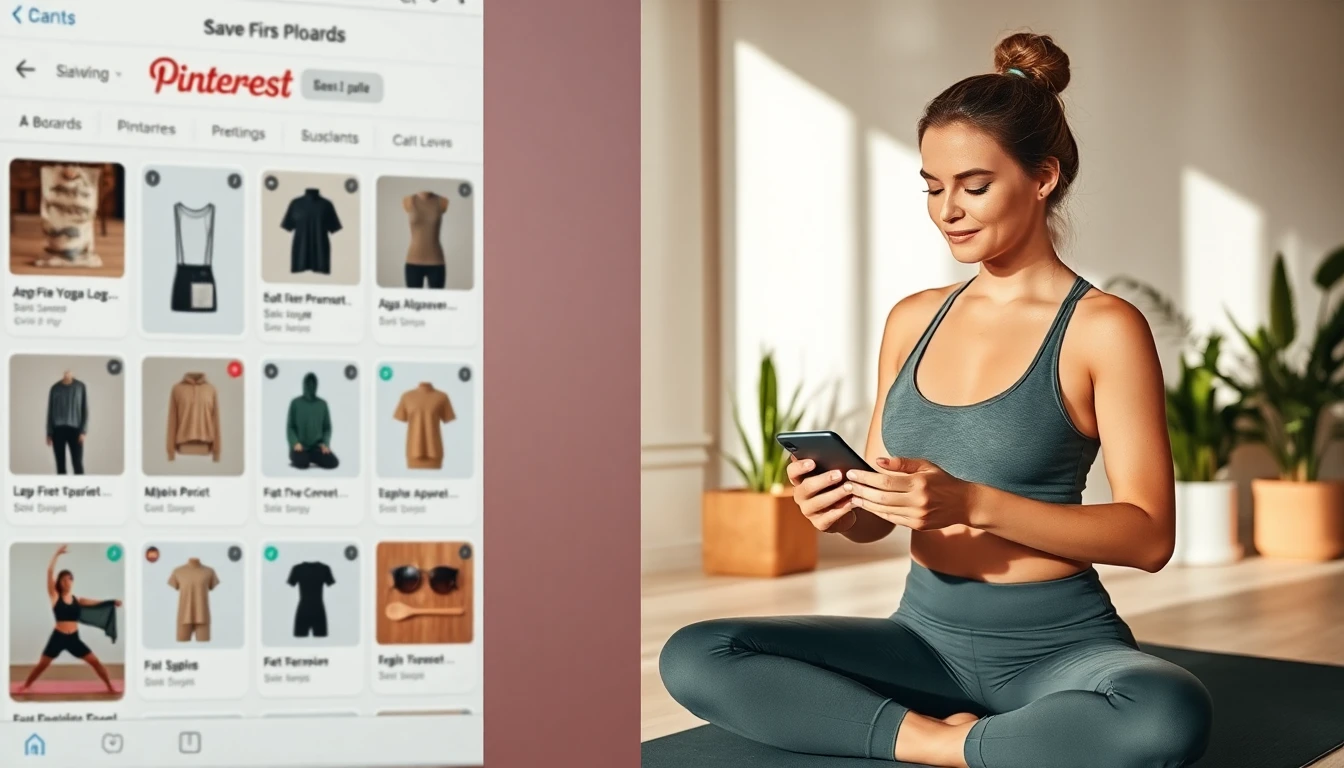
Visual search transforms yoga apparel brands . Pinterest works as a discovery engine, not a social feed:
Users arrive ready to buy. They're planning. They're researching. They're saving.
The numbers show who's browsing. 70.3% of Pinterest's ad-reachable users are women . Most users are 25-34 years old . That's the age group buying athleisure. Gen Z makes up 42% of active users , growing 20% year-over-year . They don't just scroll. They build boards titled "yoga studio essentials" and "sustainable activewear finds."
Pinterest differs from Instagram or TikTok in one big way: content lifespan. A Pin you publish today drives traffic for months. Even years. Users save it to boards. The algorithm shows it to new users searching related terms. One good Pin can bring hundreds of website visits long after you post it.
Design Pins That Stop the Scroll
Pinterest loves vertical formats. Design your Pins at 1000×1500 pixels or use a 2:3 aspect ratio . This size works best on mobile feeds. That's where most users browse. Mobile app users save more than twice the content compared to desktop users. Your Pins must work on small screens first.
Make infographic-style Pins for yoga sequences. Show a 10-minute morning flow in one vertical image. Label each pose: "Downward Dog → Low Lunge → Warrior II." Add text overlays with timing: "Hold 30 seconds" or "Repeat 3 rounds." Show your leggings and sports bras in each pose photo. The Pin teaches and shows how your products perform.
Product Pins with direct links turn browsers into buyers. Upload quality photos showing your apparel from multiple angles. Add a clear price. Add the product name. Add a "Shop Now" link. Pinterest users research before buying. Give them what they want—fabric details, size range, color options.
Idea Pins tell stories across multiple pages. Try formats like "5 Ways to Style Our Crossback Bra" or "Studio to Street: One Outfit, Three Looks." Each page shows a different setting—yoga class, coffee run, brunch. Swipeable content keeps users engaged longer. This signals quality to the algorithm.
Optimize for Pinterest Search
Pinterest's trend reports hit around 80% accuracy predicting what buyers want. The platform knows what people want before they can put it into words. Use this. Put keywords at the start of your Pin descriptions.
Write descriptions like answers: "High-waisted yoga leggings with four-way stretch and moisture-wicking fabric. Perfect for hot yoga, vinyasa flow, and all-day wear. Sustainable materials, inclusive sizing XS-3X."
Use 5-10 relevant hashtags per Pin. Mix broad terms like #YogaWear with specific ones like #SustainableLeggings or #StudioToStreet. Pinterest search uses text more than image recognition.
Organize boards by customer journey stage. Create boards like "Yoga Practice Essentials," "Sustainable Activewear Guide," "Pose Breakdown Tutorials," and "Customer Favorites." Each board needs 20-30 Pins minimum . This builds authority in that category.
The platform reaches 6.1% of global internet users through ads. But organic reach still works for regular creators. Post 5-10 new Pins per week . Turn existing content from Instagram or your blog into Pinterest formats. One photoshoot gives you dozens of unique Pins. Just vary text overlays, backgrounds, and styling angles.
78% of users report feeling positive on Pinterest. This mindset opens them to discovery, not defense. Your yoga apparel content reaches people who want inspiration. Meet them there with Pins that mix aspiration and usefulness.
Measuring Success
Numbers tell the truth your intuition can't.
You need clarity on what's working. Vanity metrics—follower counts, total likes—feel good but don't pay bills. Real measurement ties social activity to revenue, retention, and profit.
Start with 3-7 primary KPIs that connect to business outcomes. Revenue growth percentage. Customer acquisition cost (CAC). Lifetime value (LTV). Net revenue retention. These metrics show if your social presence drives sales or just scrolls.
Track Engagement That Predicts Revenue
Engagement rate (ER) shows how your audience responds. Calculate it: (total interactions ÷ total reach) × 100 .
Platform benchmarks vary:
Break down engagement by content type. Track likes, comments, shares, and saves as separate items. Saves matter most. They signal intent to revisit or purchase later.
For Instagram Stories, measure completion rate: (viewers on last frame ÷ viewers on first frame) × 100 . Aim for above 70% on short sequences. Low completion means your opening hook fails. Or your content drags.
Monitor user-generated content (UGC) volume each month. Count branded hashtag uses, @mentions, and tagged posts. Early-stage community programs should target 20-50% quarter-over-quarter growth in UGC. This proves your audience feels invested enough to create content for you.
Click-through rate (CTR) from social to your website reveals purchase intent. For paid campaigns, 0.9-1.5% CTR is standard. Above 2% means your targeting and creative work well together.
Connect Social Activity to Sales
The metric that matters most: percentage of total revenue influenced by social channels . Track both assisted conversions (social played a role) and direct conversions (social was the final touchpoint).
For social-led DTC brands, aim for 30-40% of revenue tied to social channels within 12-18 months. Start smaller. In your first 3-6 months, target 10-20% of revenue sourced from social traffic.
Measure conversion rate from social traffic as a separate number from overall site conversion. Typical ecommerce conversion sits at 1-3%. Strong performance pushes 3-5% or higher. Social traffic converting below 1%? Your content attracts browsers, not buyers. Fix your targeting or your offer.
Track add-to-cart rate (often 5-10% of sessions) and cart abandonment rate (60-80% is common). Social traffic with high abandonment means your product pages or checkout create friction.
Compare average order value (AOV) and customer lifetime value (LTV) across social-sourced customers and other channels. Social customers showing 10-20% higher AOV or better retention? Double down on that channel.
Optimize Paid Performance
For paid campaigns, focus on ROAS (return on ad spend) : revenue ÷ ad spend. Baseline goal for ecommerce sits at 3-4x ROAS . Mature, optimized campaigns should hit above 4x over time.
Track CAC payback period . For B2C yoga apparel , recover CAC within 3-6 months. Longer payback periods strain cash flow. They limit growth.
Segment paid performance by audience type. Retargeting campaigns convert at 2-3x higher rates than cold prospecting. That gap missing in your data? Your retargeting creative lacks urgency. Or your prospecting targets the wrong people.
Run incrementality tests using geo or audience holdouts. Measure lift: (test conversion rate – control conversion rate) ÷ control conversion rate . This shows if your ads drive sales or just capture demand that would have happened on its own.
Your dashboard shouldn't need a data science degree to understand. Pick 5-7 metrics. Review them each week. Adjust each month. Let the numbers guide your next move.
Conclusion

Building your yoga apparel brand's social media presence isn't about being everywhere. It's about being strategic, authentic, and consistent where your audience spends their time. You've got the blueprint now: a defined brand identity that connects with your community, content strategies for each platform that use their strengths, and metrics that focus on what drives growth and revenue.
Top yoga wear brands today aren't just selling leggings. They're selling transformation, belonging, and lifestyle goals through great storytelling and real community engagement. Standing out in this competitive space? Start with one platform. Do it well before adding others. Pick your main channel. Commit to 30 days of consistent, valuable content using the frameworks we've covered. Watch how fast real engagement grows.
Ready to transform your social media from a neglected task into your most powerful sales channel? Audit your current brand identity against the checklist in Section 1. Then map out your first month of content today. Your community is waiting to discover you. Make sure they can find you.