Table of Contents
You've landed a great deal with a Chinese gym wear manufacturer—custom designs, competitive pricing, everything looks perfect. Then the big question hits: "When will my products arrive?"
Anxiety sets in. You're not sure if your inventory will show up before launch date. This happens to everyone.
A successful product launch versus a costly disaster? It comes down to one key factor: how long does it take to produce custom gym clothing in China.
Here's what most gym apparel's suppliers won't tell you upfront—production timelines aren't just about sewing machines running. Fabric mills need time. Quality inspectors need time. Shipping takes time. Plus, Chinese holidays can add weeks to your schedule.
This guide pulls back the curtain on every stage of manufacturing. You'll get exact timeframes for each phase. You'll see the hidden factors that cause delays. You'll learn how to cut weeks off your bulk order production time without hurting quality.
Placing your first 500-piece order? Scaling to 50,000 units? You'll know when to place your order to hit your deadlines—every time.
Stage 1: Design & Technical Package Development (3-7 Days)
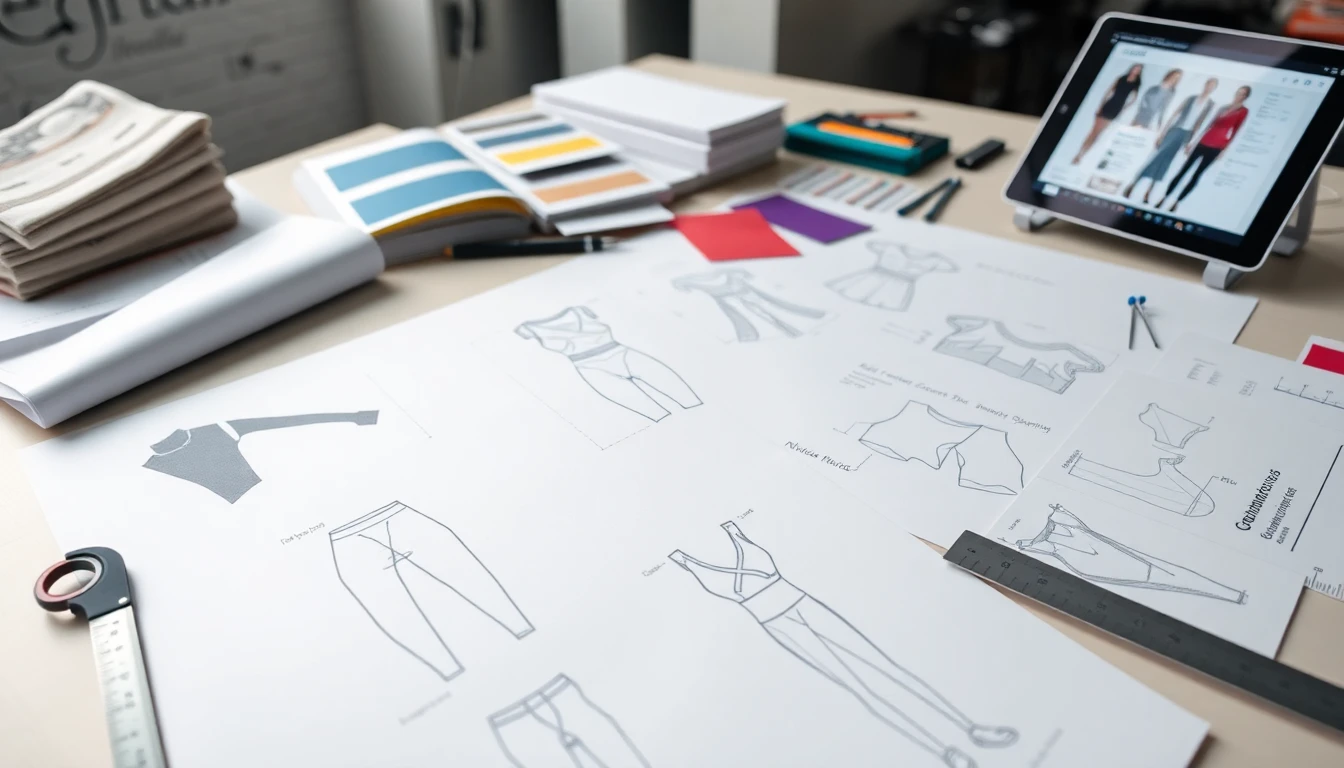
Your manufacturer can't start a single stitch without a complete tech pack. This document acts as the blueprint for everything—from fabric choices to zipper placement. Skip corners here? You'll waste weeks fixing samples that miss the mark.
A professional tech pack has seven critical parts. Chinese factories need these before production starts:
Essential Tech Pack Elements:
Flat sketches showing front, back, and detail views of your design
Bill of Materials (BOM) listing main fabric, lining, thread specs, trims, closures, and labels
Point of measurements with exact dimensions for each size grade
Construction notes covering seam types, stitch counts, and finishing needs
Colorways with Pantone codes or physical swatch references
Packaging specs including hangtags, poly bags, and carton needs
Grading rules showing how measurements scale across S-XXL sizes
Here's what slows teams down: incomplete specs. Your factory will stop. They'll request missing information. That adds 3-5 days per round of back-and-forth.
Smart brands use digital tech pack tools. Forget static Excel files or Illustrator documents. Real-time platforms eliminate version control chaos. Your designer updates a measurement in Shanghai. Your manufacturer sees the change right away in Guangzhou. No email chains. No outdated files.
Key Insight: Complete tech packs reduce sample rounds by 40%. They also cut production errors that cost money to fix. Missing a detail about moisture-wicking fabric treatment? That wastes an entire sample iteration—another 7-10 days gone.
Rush this stage, and you'll pay for it later. Samples arrive wrong. You start over.
Stage 2: Sampling & Prototyping (5-12 Days)

Samples turn paper plans into physical reality. Your tech pack looks perfect on screen, but fabric acts different than pixels. Seams stretch. Colors shift under different lights. Compression panels might not hold the way you pictured.
This stage takes 5-12 days based on complexity. Simple designs hit the lower end—basic tank tops with standard fabric. Complex pieces need closer to 12 days. Think leggings with mesh panels, reflective piping, and four-way stretch zones.
Chinese manufacturers of gym clothing create three prototype levels:
Initial Sample (First Pattern)
Your factory cuts the first physical version from your tech pack specs. This rough prototype tests basic construction—sleeve attachment, neckline shape, hem length. Expect fit issues here. Most brands find 3-5 adjustment points at this stage.
Revised Sample (Pre-Production)
The factory adds your feedback from round one. Shoulder seams move half an inch. Waistband elastic changes from 1.5" to 2". Mesh placement shifts for better airflow. This version should nail 90% of your vision.
Final Sample (Approval Sample)
This shows exact production quality. Same fabrics, same threads, same finishing techniques your bulk order will use. Sign off here, and you've locked in every detail.
Here's the brutal truth: most delays happen because brands skip proper sampling. You approve a sample that's "close enough." Then you discover 3,000 units with the same flaw. Fixing mass production errors costs 10x more than adding one extra sample round.
Smart buyers request wear-testing at this phase. Put samples through real workouts. Wash them five times. Check if prints crack. See if seams pop during squats. Test if moisture-wicking works. A gym apparel brand in Austin caught fabric pilling issues during wear-testing. This saved them from a $40,000 disaster.
The sample timeline breaks down like this:
Pattern making and cutting: 2-3 days
Sewing first prototype: 1-2 days
Your review and feedback: 1-2 days
Revisions and final sample: 2-4 days
Approval confirmation: 1 day
Material availability affects speed big time. Stock fabrics? Samples ship in 5-7 days. Custom-dyed moisture-wicking blends? Add 3-5 days for fabric prep alone.
Rush samples exist but carry risks. Factories skip proper pattern grading. They use substitute materials "close" to your specs. You'll shave 2-3 days off the timeline. Then you'll spend weeks fixing production issues those shortcuts created.
One non-negotiable rule: never approve samples via photos alone. Lighting lies. Fabric texture vanishes in images. Request physical samples shipped to your location. Touch them. Stretch them. Wear them.
CTA Section 1Need Professional Samples for Your Gym Clothing Line?
Our expert team creates accurate samples with proper wear-testing. Skip the guesswork.
Stage 3: Fabric Sourcing & Preparation (5-30 Days)
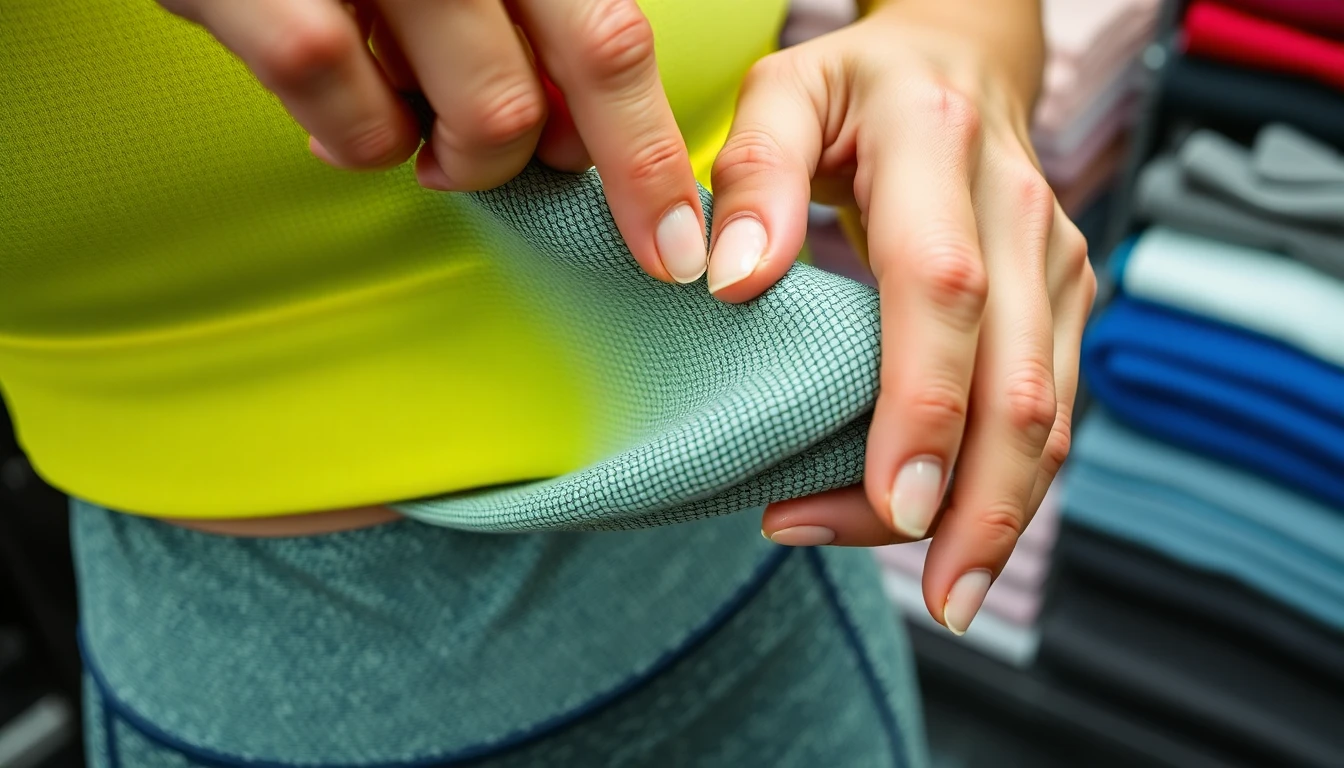
Fabric isn't just material—it's 60-70% of your total garment cost. Mess up this stage and your margins disappear before production starts.
Stock fabric versus custom sourcing? The timelines differ massively. Ready-to-ship stock fabrics take 5-10 days. Custom-dyed moisture-wicking blends with anti-microbial finishes? Budget 30-60 days minimum. Specialty sustainable fabrics can take 6-10 weeks. Mills need that time to weave from scratch.
Here's where brands lose time and money: minimum order quantities. Fabric mills don't work in small batches. Most require one full roll per color—about 100 meters. Your design uses five colors? You're buying 500 meters of fabric. Doesn't matter what you actually need.
The sourcing breakdown:
Fabric mill production : 6-10 weeks for weaving and finishing treatments
Wholesale stock orders : Fast turnaround for standard colors and blends
Bulk yardage procurement : 4-8 weeks based on supplier inventory
Sample yardage : Faster processing, 1-2 weeks
Portuguese suppliers accept 100-300 pieces or one full roll per color. Chinese mills stick to the standard 100-meter minimum. This matters for testing new designs with tight budgets.
Material procurement covers more than fabric. You're coordinating trims, zippers, custom hardware, moisture-wicking treatments, and branded labels. Each component has its own lead time. Need custom silicone grips for waistbands? Add 2-3 weeks. Want reflective piping in specific Pantone colors? Another 10-14 days.
Warning: Delays at this stage cause 20-40% of total production timeline slippage. Out-of-stock situations give you two choices: wait or settle for alternatives. Custom dyeing makes things harder. Color matching needs multiple rounds of lab dips and approvals.
Smart brands work backward from delivery deadlines. Set your unit cost target per yard. Review supplier MOQs against your order volume. Test sample yardage before buying bulk. Book factory capacity ahead of time. Peak seasons fill up fast.
Chinese New Year alone stops operations for 2-3 weeks. Plan around Vietnamese Tết, Indian Diwali, and other regional holidays for your fabric sourcing duration .
Expedited shipping costs 25-40% more in logistics fees. Every week of inventory carrying adds 1.5-2% to your costs. Rush orders don't save money—they just move expenses around.
Want to compress this timeline? Use stock fabrics. Skip custom dyeing. Confirm your tech pack so of can pre-order materials. Give clear size breakdowns up front. Limit your initial style count to 2-3 core pieces instead of 15 SKUs.
Digital sourcing platforms connect you with certified suppliers. They keep inventory transparent. You'll see real-time stock levels. No more waiting three days for email responses about material availability.
Stage 4: Bulk Production (15-40 Days by Garment Type)
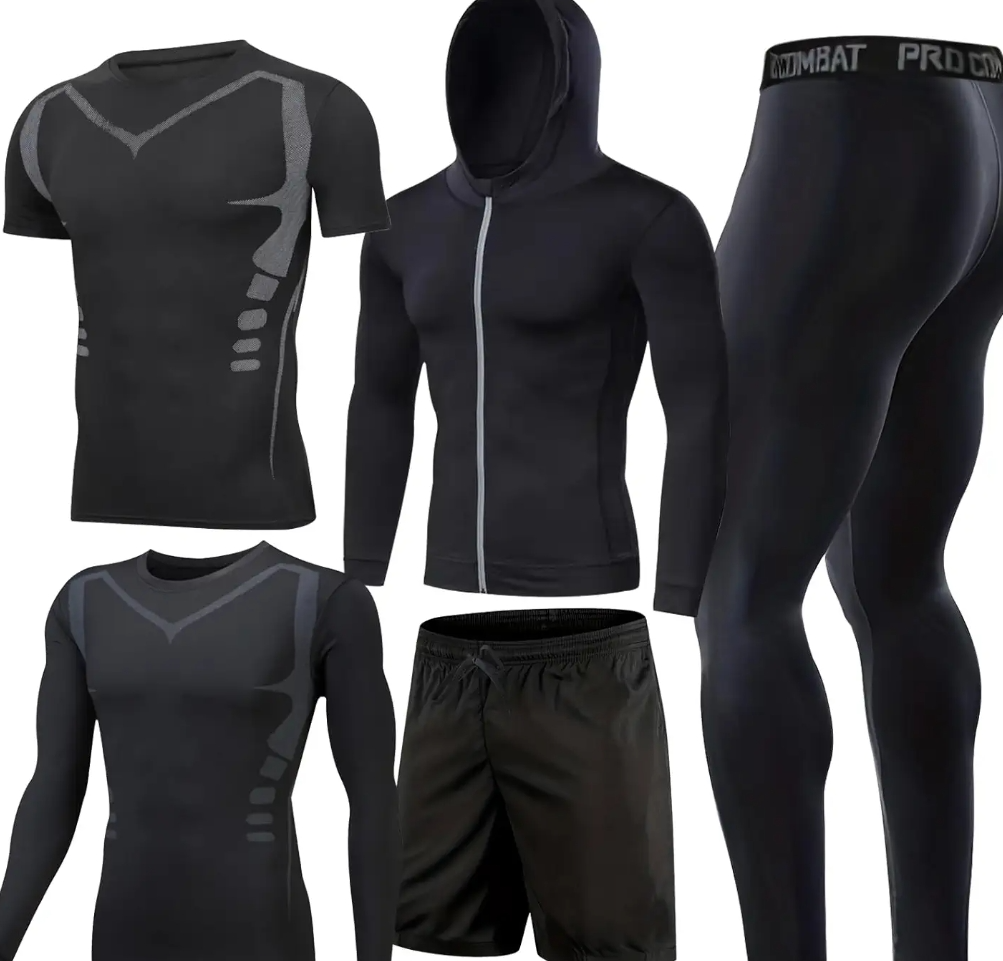
Fabrics arrive. Samples get approved. Now factories start production lines—this is where timelines become clear.
Bulk order production time ranges between 15-40 days. What you make determines the timeline. Simple stock-fabric t-shirts? 3-4 weeks (21-28 days). Custom-dyed hoodies with embroidered logos? 6-8 weeks (42-56 days). Cut-and-sew jackets with multiple panels and reflective details? 8-10+ weeks (56-70+ days).
Production breakdown by garment type:
| Garment Type | Production Time | Key Factors |
|---|---|---|
| Basic t-shirts (stock fabric) | 21-28 days | Simple construction, minimal trims |
| Performance leggings | 28-35 days | Four-way stretch, multi-panel cutting |
| Custom-dyed hoodies | 42-56 days | Dyeing process, reinforced seams |
| Technical jackets | 56-70+ days | Multiple parts, waterproof treatments |
| Made-to-order luxury pieces | 56+ days | Hand-finishing, premium materials |
The 15-40 day window assumes one thing: your fabrics and trims already sit in the factory warehouse. Custom materials arrive late? Those days stack on top of production time—they don't count toward it.
Manufacturing workflow runs smoothly in efficient Chinese factories. Cutting rooms handle 1,000-5,000 pieces each day. Fabric type determines the speed. Sewing lines move garments through 15-30 individual operators. Each person does one specific job—shoulder seams, sleeve attachment, hem finishing. This assembly-line method speeds up production. Quality stays consistent too.
Quality control happens at multiple stages during bulk production. Inspectors check cuts for pattern accuracy and fabric defects. They review sewn pieces for stitch quality and size consistency. Final inspections before packaging catch color differences, loose threads, and size issues. All checks happen before garments go into bags.
Order volume changes your timeline. A 500-piece run finishes in 15-20 days. Scale to 5,000 units? Add 10-15 days for cutting and sewing. Factories work on multiple orders at once—they handle several clients. Production capacity planning depends on line availability. Peak seasons (March-May, August-October) affect scheduling.
Fast fashion brands need 28-42 days for standard bulk runs. Luxury Activewear makers need 56+ days. Hand-finishing and premium treatments take time. You can't rush them. Figure out which category fits your brand. This helps you set realistic customer expectations.
Stage 5: Quality Control & Inspection (2-5 Days)
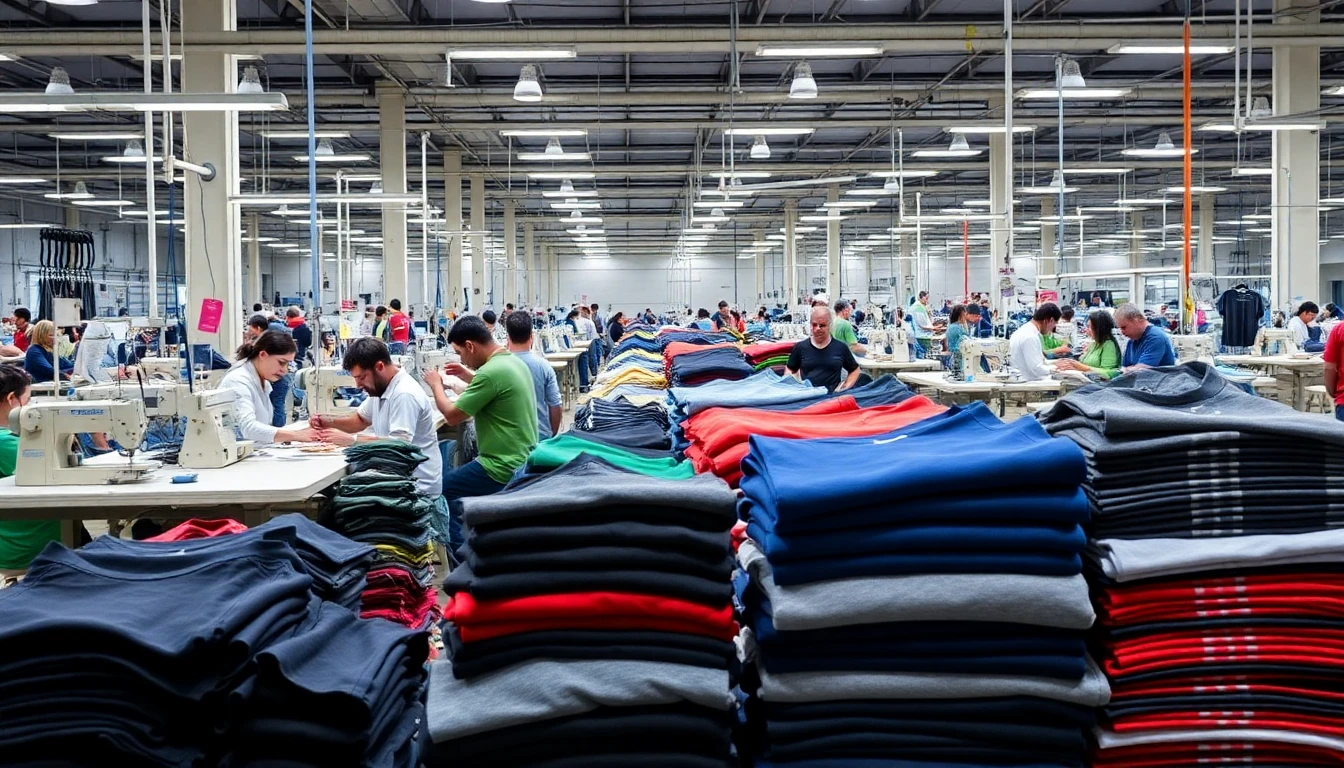
Production lines finish the last stitches. Your 3,000-piece order sits ready in the factory. One question remains: does every garment meet your standards?
Quality control inspection takes 2-5 days based on order size and complexity. Production hits 80-100% complete, then inspection starts. Inspectors catch problems while fixes are still possible. They don't wait until everything's packed.
The inspection covers five critical checkpoints:
Appearance & Cosmetics
Color stays consistent across all pieces. Size labels show accurate information. Inspectors check for loose threads, fabric pulls, or uneven dyeing. One shade-off hoodie ruins your brand's premium image.
Dimensional Accuracy
Measurements must match your tech pack specs. Chest width at 22 inches means 21.75-22.25 inches—not 23 inches. Chinese factories use AQL (Acceptance Quality Limit) standards. Tighter AQL levels mean fewer acceptable defects.
Functionality Testing
Zippers work through 50+ cycles without issues. Seams hold under stretch tests. Moisture-wicking fabrics need to wick moisture—not just claim it. Performance claims need proof.
Safety & Compliance
Fabric meets required safety standards. Care labels show correct washing instructions. Products pass flammability tests if needed. Missing compliance papers? Customs stops your shipment.
Packaging Integrity
Poly bags seal correctly. Hangtags attach firmly. Print stays readable on labels. Carton packing matches your specs.
Inspectors use statistical sampling rather than checking every piece. They pull random clusters from your lot. Sample size depends on total order volume and your AQL requirements. High-risk items get checked more—more pieces per batch.
The inspection follows five steps. First, inspectors set criteria and lighting conditions. Second, they run visual and automated checks. Third, they document defects by severity—minor, major, or critical. Photos capture each issue. Fourth, they decide: Pass , Rework , or Reject . Fifth, they spot trends and find root causes for repeat problems.
Your order gets one of three outcomes:
Pass : Ships right away to your destination
Rework : Factory fixes defects, then re-inspection (adds 2-3 days)
Reject : Entire lot scrapped or returned (restarts production timeline)
Smart brands hire third-party inspection services. SGS, Bureau Veritas, and Intertek verify quality independently. They cost $200-400 per inspection day. This investment stops $20,000+ disasters from defective shipments.
High-value orders sometimes need 100% inspection instead of sampling. Every single piece gets checked. This adds 1-2 extra days but removes risk for premium products.
Skip this stage? You're gambling with your brand reputation and customer satisfaction.
CTA Section 2Quality Assurance You Can Trust
We use strict AQL standards and third-party inspections on every order. Zero compromises on quality.
Stage 6: Packaging & Shipment Preparation (3-5 Days)
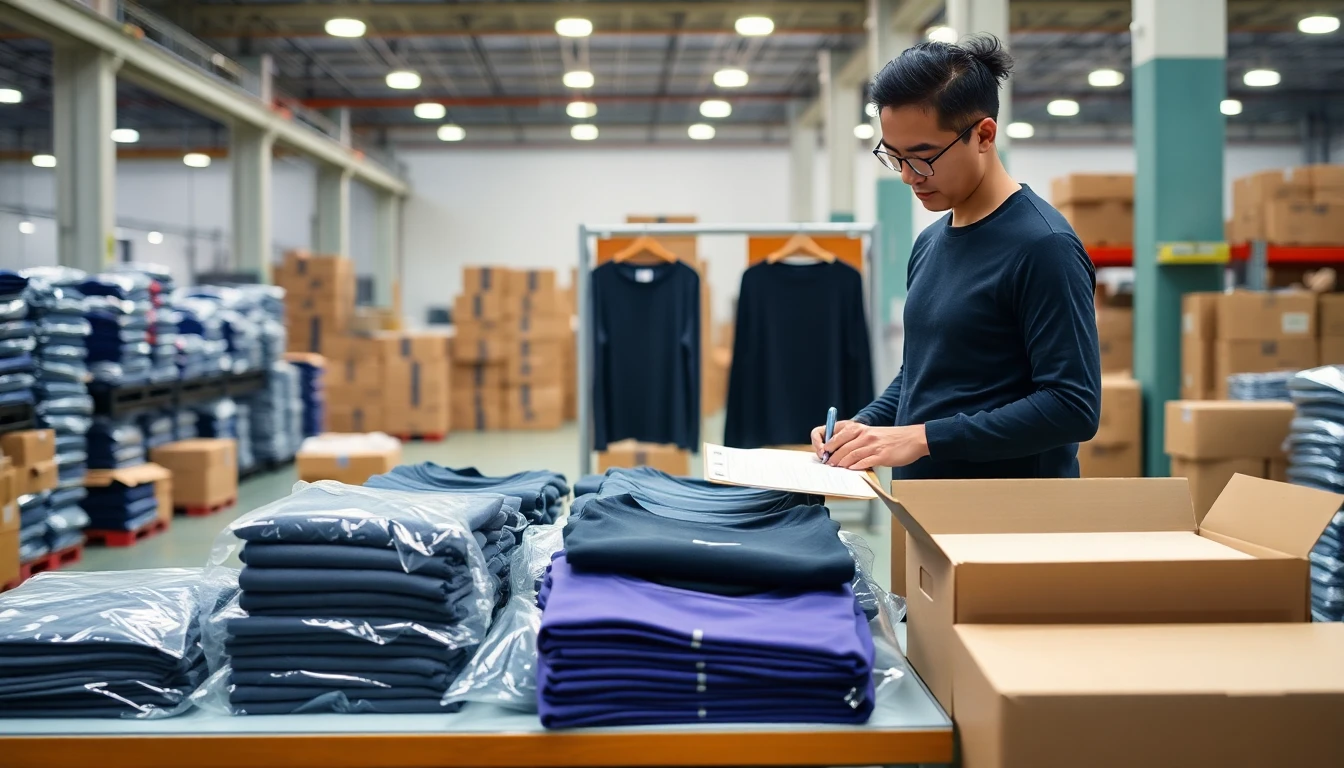
Your garments passed inspection. Now they need proper packaging before leaving the factory. This stage takes 3-5 days. It decides whether your products arrive in perfect condition or get damaged.
Chinese factories handle packaging in three layers:
Individual Garment Protection
Each piece goes into a plastic bag with suffocation warnings. Tissue paper stops wrinkles in premium items. Hangtags attach with care. Barcode labels stick on bags for inventory tracking. Folding techniques matter. Sloppy folds create permanent creases. Customers hate those.
Inner Carton Packing
Garments get sorted by size and color. Workers count pieces against your packing list. Standard ratios run 20-50 pieces per carton based on garment weight. Factories add packets that control moisture during ocean shipping. They seal cartons with packing tape rated for international transit.
Export Carton Preparation
Master cartons get shipping labels, destination markings, and "Handle With Care" stickers. Bar codes link to your purchase order numbers. Carton size and weight get recorded for freight calculations. Staff stack cartons on pallets for container loading. Shrink wrap holds stacks in place.
The global logistics packaging market hits $25.3 billion in 2025. China drives growth at 5.7% CAGR through 2035—faster than US (2.1%) or UK (3.8%) rates. This competitive pressure keeps Chinese packaging costs lower than Western options.
Preparation timelines break down like this:
Plastic bagging and individual wrapping: 1-2 days
Inner carton sorting and packing: 1 day
Master carton setup and labeling: 1 day
Pallet building and shrink wrapping: 1 day
Final documentation and photos: Half day
Order size affects speed. A 500-piece shipment finishes in 3 days. Scale to 10,000 units? You'll need the full 5 days. Factories process 2,000-3,000 pieces per day through packaging lines.
Smart brands list packaging needs in their tech packs. You want biodegradable plastic bags instead of standard ones? Note it upfront. Need individual boxes for retail display? Add 2-3 days and $0.50-1.50 per unit to costs. Need custom shipping cartons with your branding? Order those 4-6 weeks before production ends.
Packaging protects your investment during the next stage. That's international shipping. Containers face rough handling, temperature swings, and moisture exposure there.
International Shipping Options & Timeline
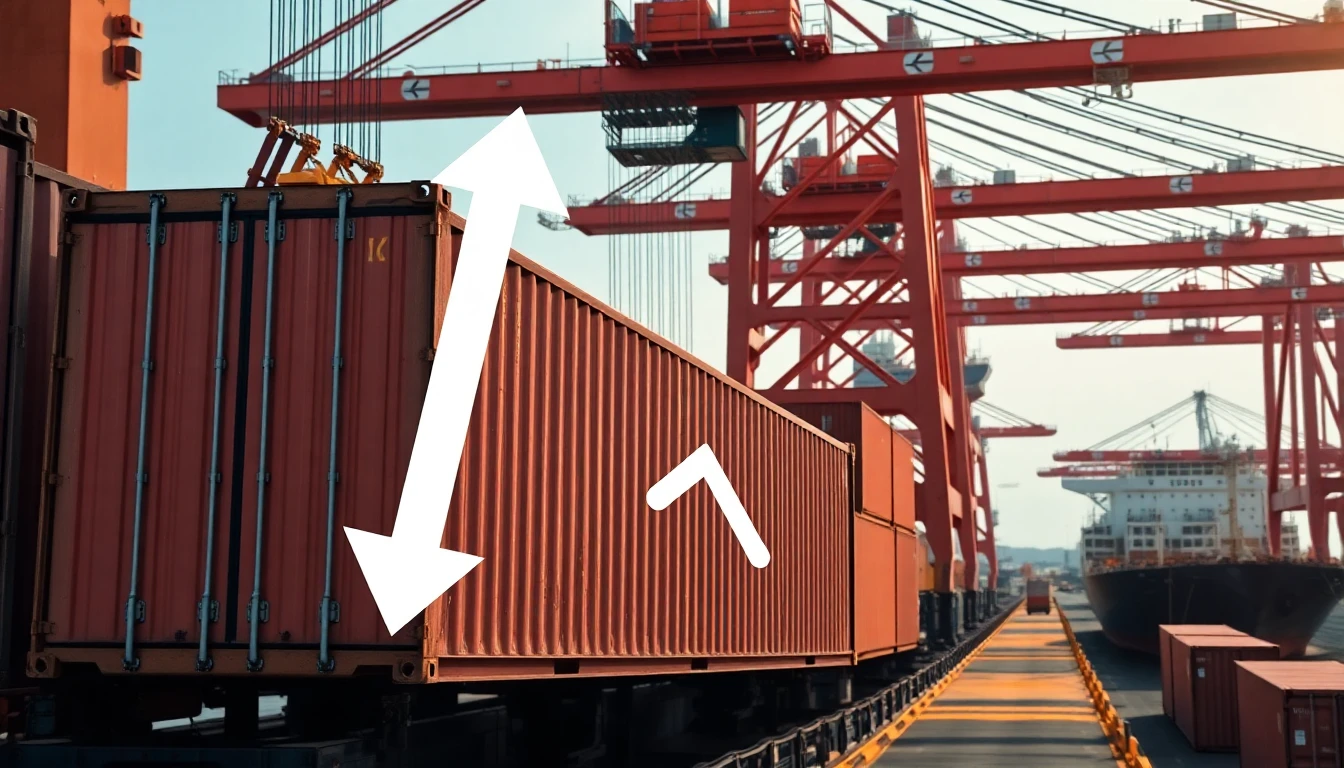
Ocean freight costs dropped hard in late 2024. Asia to US West Coast rates hit $1,744 per FEU in December—the lowest point since December 2023. That's a 10% decline each week. Brands that locked in rates during July 2024 paid $3,600 per container. They overpaid by more than double.
Shipping and delivery schedule has three key factors: route selection, carrier reliability, and customs clearance speed. Ocean freight takes 20-45 days door-to-door. Air freight cuts that to 5-10 days but costs 4-6x more per kilogram.
Ocean Freight Routes & Transit Times:
Asia to US West Coast (LA/Long Beach)
- Ocean transit: 14-18 days
- Port clearance: 3-5 days
- Inland delivery: 2-7 days
- Total timeline : 19-30 days
- Current rate : $2,096/FEU (22% increase as of December 9)
- Schedule reliability : 78% on-time arrival
Asia to US East Coast (New York/Savannah)
- Ocean transit: 28-35 days
- Port clearance: 4-7 days
- Inland delivery: 2-5 days
- Total timeline : 34-47 days
- Current rate : $3,572/FEU
- Schedule reliability : 71.2% on-time arrival
Asia to Northern Europe (Rotterdam/Hamburg)
- Ocean transit: 30-40 days via Suez (open routes)
- Transit via Cape of Good Hope: 40-50 days (current reality)
- Port clearance: 3-6 days
- Total timeline : 33-56 days
- Current rate : $3,327/FEU
- Schedule reliability : 68.2% on-time arrival
Asia to Mediterranean (Genoa/Barcelona)
- Ocean transit: 25-35 days
- Port clearance: 3-5 days
- Total timeline : 28-40 days
- Current rate : $3,144/FEU (declining 8 consecutive weeks)
Here's what's disrupting these timelines in 2025: Suez Canal tonnage dropped 70% versus 2023 levels as of May 2025. Vessels now reroute around Africa's Cape of Good Hope. That adds 10-15 days to Asia-Europe routes. It also ties up 15-20% of global vessel capacity in longer voyages.
Port congestion in Northern Europe cuts annual trips by 25-30%. A vessel that made 12 trips each year now completes just 8-9. Carriers need 3-4 weeks advance booking for Gulf Coast to Europe sailings. Just 3 departures run that route each week.
Air Freight: The Fast Alternative
Express air shipping delivers in 5-7 days door-to-door. Standard air cargo takes 7-10 days. Costs run $4.50-8.00 per kilogram based on volume and urgency. A 500kg shipment (about 300-400 garments) costs $2,250-4,000 via air versus $600-800 via ocean.
Air freight makes sense for three cases. First, rush orders to replace sold-out inventory. Second, high-value luxury items where speed justifies cost. Third, sample shipments for trade shows or buyer meetings.
Rate Volatility & Planning Strategy
The Shanghai Containerized Freight Index averaged 2,496 points in 2024—a 149% year-over-year spike. Rates peaked in June-July 2024. Then they crashed 60-70% on transpacific routes by year-end. This kills budget planning.
Smart brands use freight forwarders to lock rates 30-60 days ahead. They book space during low-demand periods (January-February, post-Chinese New Year). They skip peak shipping season (August-October). That's the busy time for back-to-school and holiday inventory.
Documentation & Customs Clearance
Your shipment needs six key documents. You'll need a commercial invoice, packing list, bill of lading, certificate of origin, import permits (if needed), and customs declaration forms. Missing paperwork adds 3-7 days of port delays. Wrong HS codes trigger inspections. Those stall clearance another 5-10 days.
US container imports peaked at 2.3 million TEU in July 2025, then fell fast. China-to-US volumes dropped 27% year-over-year by June 2025. Southeast Asia volumes jumped 33% the same period. Brands spread their sourcing across more countries.
Delivery Timeline Realities
A complete China-to-California shipment breaks down like this:
- Factory to port: 1-2 days
- Export customs: 1-2 days
- Ocean transit: 14-18 days
- US port clearance: 3-5 days
- Customs release: 1-3 days
- Inland trucking to warehouse: 2-7 days
Total: 22-37 days in normal conditions.
Add another 5-10 days if customs picks your shipment for physical inspection. Peak months bring heavier congestion. That stretches timelines 20-30% longer. Global maritime trade growth shows just 0.5% expansion in 2025 versus 2.2% in 2024. Carriers will cut capacity and reduce how often ships sail.
Schedule reliability changes by route. Europe-to-Middle East hits 86.6% on-time performance. Trans-Atlantic routes struggle at 69-74%. Asia-to-Northern Europe limps along at 68.2%. Factor these reliability rates into your planning buffer.
Rush Order Expedited Production
Need products in 30 days total? It's possible but expensive. Factories charge 20-30% premiums for rush production. Air freight costs 5-6x ocean rates. You'll compress sampling to 5-7 days maximum. Fabric must be in-stock—no time for custom dyeing. Quality control gets tighter timelines. One failed inspection restarts everything.
The realistic minimum timeline looks like this:
- 7 days sampling
- 3 days fabric prep
- 15 days production
- 3 days QC/packing
- 7 days air freight
That's 35 days with zero delays. Budget 40-45 days to account for real-world friction.
Production Timeline Comparison: China vs Other Countries
China makes gym clothing faster than most countries. The numbers show this clearly.
Chinese factories finish standard bulk orders in 15-40 days. Bangladesh needs 25-50 days for the same work. Vietnam takes 20-45 days. Turkey manages 18-35 days. Portugal delivers premium pieces in 30-60 days. Indonesia ranges from 25-50 days.
Here's why China keeps the speed advantage:
Vertical Integration
Chinese manufacturing hubs pack everything into tight areas. Fabric mills sit 30 minutes from dye houses. Trim suppliers operate next door to sewing factories. Need custom zippers? A supplier of gym clothes down the street makes them in 3-5 days. Bangladesh imports 40% of its fabric parts. That adds 2-3 weeks before production starts.
Production Scale
China's textile and apparel sector hit 8.49 trillion RMB in Q3 2025—23.94% of the country's total GDP. Manufacturing value-added grew 8.5% in the first five months of 2025. This huge scale creates efficiency. Factories run multiple shifts. They keep backup stock of common materials. Decades of experience have fine-tuned every step.
Technology Investment
Chinese factories lead in automation. Computer-controlled cutting tables process 5,000 pieces per day versus 2,000 in manual operations. Automated quality checks catch defects in real-time. Bangladesh and Vietnam still use lots of manual processes. That slows output by 20-30%.
Chain Depth
China produces 75% of global lithium-ion batteries. It leads in electrical machinery (11.4% YoY growth). Computer and electronics manufacturing jumped 11.0% year-over-year in June 2025. This industrial depth means specialty parts ship within days, not weeks. Vietnam's chain remains broken up. Factories wait 1-2 weeks for specialty elastic or moisture-wicking treatments.
The cost-speed trade-off varies by country. Bangladesh offers the lowest labor costs—$95 per month minimum wage versus China's $350-450. But longer production cycles eat into those savings. You'll wait 35-50 days total in Bangladesh versus 25-40 days in China. That extra inventory carrying cost runs 1.5-2% per month. For a $50,000 order, each delayed week costs $750-1,000 in tied-up capital.
Turkey competes on speed for European buyers. Close distance cuts shipping from 30-40 days (China-Europe ocean) to 5-7 days (Turkey-Europe truck). Total timeline drops to 25-30 days door-to-door. Turkish factories charge 15-25% more per unit than Chinese alternatives. Small European brands accept this premium for faster inventory turns.
Portugal positions itself at the luxury end. Production takes 30-60 days. Quality standards justify the wait. Portuguese factories excel at technical details. Reinforced seams, hand-finished touches, premium fabric handling. Minimum orders start at 100-300 pieces per style versus China's typical 500-1,000 unit MOQs.
China's PMI (Purchasing Managers' Index) averaged around 50 in 2024. This shows stable manufacturing activity. May 2025 hit 49.5—slight contraction but still strong capacity. Factory use stays high enough to handle both large brands and smaller buyers.
Smart buyers split production across countries based on product type and urgency. Use China for core inventory with 60-90 day lead times. Tap Turkey or Portugal for quick-turn fashion pieces hitting European markets. Reserve Bangladesh for basic items where cost matters more than speed.
The gap narrows each year as Vietnam and Bangladesh invest in infrastructure. But China's 30-year head start in textile manufacturing keeps it ahead on bulk order production time through 2025-2027.
CTA Section 3Ready to Start Your Custom Gym Clothing Project?
Get a detailed production timeline and competitive pricing. No hidden fees or surprises.
Real Factory Case Studies & Lead Time Examples
Numbers on paper tell one story. Real factory floors tell another. Three brands placed orders with Chinese gym clothing makers in Q1 2025. Their experiences show what happens between payment and delivery—not just what suppliers promise.
Case Study 1: Startup Activewear Brand (500-Piece First Order)
A London-based startup ordered 500 pieces across three styles: sports bras, leggings, and cropped tanks. The factory quoted 35 days total production time.
What Happened:
Tech pack finalized: 4 days (versus 3-day estimate)
First samples shipped: 8 days (versus 5-7 day promise)
Sample approval rounds: 2 iterations, 6 extra days
Fabric sourcing: 12 days for stock materials (on target)
Bulk production: 18 days (beat 21-day estimate)
Quality control: 3 days (matched estimate)
Ocean freight to UK: 42 days (versus 35-day quote due to Rotterdam port congestion)
The factory hit their 35-day production window. Shipping delays added 28 days. Nobody saw those coming.
Case Study 2: Mid-Size Gym Chain (5,000-Piece Bulk Order)
A California gym chain with 12 locations ordered custom hoodies with embroidered logos. They placed the order in May 2025. The goal? Get inventory before September's back-to-school season.
Timeline Breakdown:
Design and tech pack: Already complete (0 days)
Sample development: 10 days (custom dyeing added 3 days)
Fabric procurement: 22 days (Pantone-matched custom colors)
Bulk production: 32 days for 5,000 units
Quality inspection: 4 days (third-party SGS inspection)
Packaging and prep: 4 days
Air freight to Los Angeles: 6 days (premium shipping chosen)
Air freight cost an extra $3,200 versus ocean shipping. The gym chain paid the premium to guarantee August delivery. They hit their target launch date with 8 days to spare.
Case Study 3: Fashion Brand Rush Order (2,000 Pieces in 28 Days)
A warehouse fire destroyed an Australian brand's stock. They needed emergency inventory fast. The requirement: 2,000 leggings and tanks in 28 days—half the normal timeline.
Compressed Schedule:
Sample stage: Skipped (used previous approved samples)
Fabric selection: In-stock materials (2-day confirmation)
Rush production: 16 days with 30% premium fee ($2.40 extra per unit)
Express QC: 2 days (simultaneous with packaging)
Air freight to Sydney: 5 days
The brand paid $4,800 in rush fees plus $6,400 extra for air freight. Emergency costs totaled $11,200 above normal production expenses.
Key Patterns Across All Cases
Custom design approval processes added 4-10 days beyond initial estimates. This happened in two of three cases. Brands with ready tech packs moved 40% faster.
Fabric sourcing duration created the biggest variability. Stock fabrics kept Case 1 and Case 3 on track. Custom dyeing in Case 2 added three full weeks.
Quality control inspection time matched estimates. You just need to build it into the plan. The 4-day SGS inspection in Case 2 caught 47 defective units before shipping. That saved a potential $2,350 in customer returns and replacements.
Shipping and delivery schedules caused more delays than production issues. Port congestion matters. Customs inspections matter. Carrier reliability determines whether you meet deadlines.
Smart buyers learn from these patterns. Add 20-30% time buffers for first orders. Finalize designs before contacting factories. Choose stock fabrics for rush timelines. Book third-party inspections in advance.
Real factory performance beats quoted timelines. Stay flexible. Communicate often. Plan for friction points that always emerge.
Conclusion
Know the full production timeline—from design to delivery. This gives you a real edge in the fitness brand world. Planning your first bulk order? Scaling an existing product line? Custom gym clothing production in China takes 33-99 days total. Use this to plan your launch dates. Manage your cash flow better. Never miss a selling season.
Top gym clothing manufacturers don't just make garments. They build partnerships with brands that plan properly. Factor in fabric sourcing time, sample development, and shipping schedules. You're already ahead of 80% of first-time importers who underestimate lead times and face expensive delays.
Ready to start your custom gym clothing project? We've streamlined our production workflow at BeRun Clothes. You get premium activewear with clear timelines and zero surprises. Our team gives you detailed production schedules upfront. Plus, you receive progress updates each week and flexible options for rush orders. Contact our specialists today to get a custom timeline for your project. In fitness apparel, timing is everything.