Table of Contents
Finding the right yoga apparel supplier can make or break your Australian e-commerce store. Yet most new owners jump into partnerships without checking things properly. Three months later, they face quality problems, late shipments, or vendors who vanish.
What separates successful retailers from those who shut down in year one? One key choice: picking a supplier who's truly reliable. Not just someone with a nice website and low minimum orders.
You might be starting your first activewear store. Or maybe you're leaving a bad manufacturer behind. This guide shows you the exact eight-step process successful Australian yoga wear retailers use. They rely on it to find, check, and work with suppliers who deliver what they promise.
You'll learn to spot warning signs before your first order. You'll see how to get better terms even as a small buyer. Plus, you'll build supplier relationships that grow with your store. This could save you thousands in wasted stock and customer refunds.
Step 1: Define Your Product Requirements and Target Quality Standards
Contact a supplier only after you know exactly what you're selling. I've seen too many store owners waste months going back and forth with manufacturers. The reason? They never defined their specs upfront.
Start by documenting the physical features of each yoga apparel item you plan to stock. For leggings, specify fabric weight (220-320 GSM for quality yoga pants). Include stretch recovery percentage (should bounce back to original shape after 50+ washes). Add compression level too. Note whether you want high-waisted, mid-rise, or low-rise cuts. List your required sizes—Australian women need sizes 6-18. Extending to size 20-22 opens a big market segment.
Next, determine your quality tier:
MOQ: 500-1000 pieces
MOQ: 200-300 pieces
MOQ: 100+ pieces
Premium or Australian made activewear often allows 100-piece minimums and gives higher retail margins.
Write down your dealbreakers versus nice-to-haves using the MoSCoW method. Must-haves might include squat-proof fabric and reinforced stitching. Should-haves could be hidden pockets or reflective details. This clarity keeps you focused. You won't get distracted by suppliers who offer features you don't need. You won't miss critical requirements that matter to your customers.
Step 2: Where to Find Reliable Yoga Apparel Suppliers
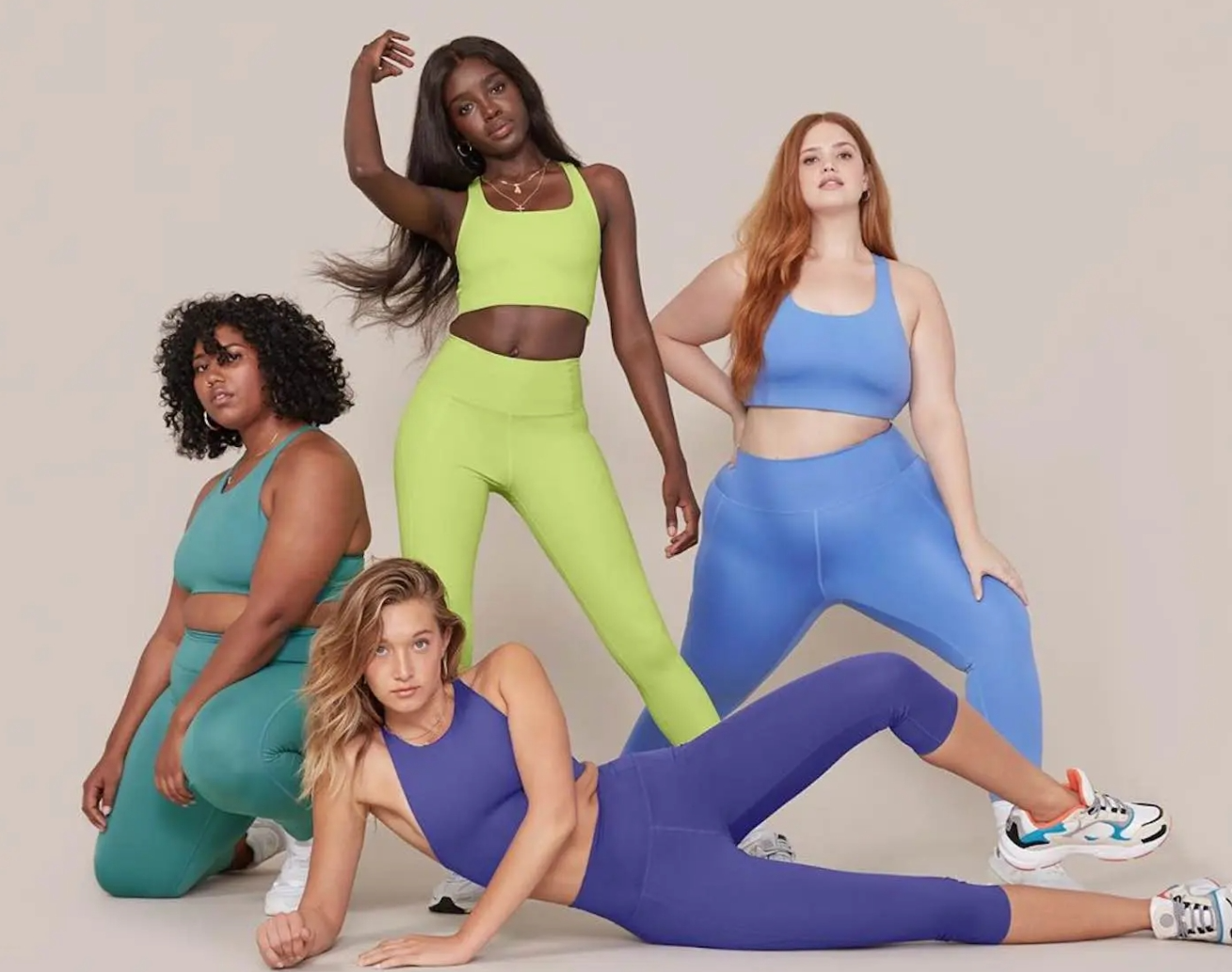
Australian yoga apparel retailers can use seven proven sourcing channels. Each channel offers different benefits based on your business stage and order volume.
Online B2B marketplaces give you the widest supplier pool. Alibaba and Global Sources list thousands of custom yoga wear factories in China and Southeast Asia. Filter by trade assurance, verified suppliers, and transaction history. Bulk yoga pants wholesale minimums start at 500-1000 pieces. Prices range from $6-12 per unit. Ask for video factory tours before you commit. Many suppliers provide this as standard now.
Industry trade shows let you check samples in person. You can meet decision-makers face-to-face. The Melbourne Fitness & Health Expo happens every year with activewear exhibitors. Magic Las Vegas and Canton Fair in China draw sustainable yoga apparel wholesale vendors. Plan to spend $3,000-5,000 for international shows. This covers flights and accommodation. You'll meet factory owners who set pricing and MOQs.
Specialized wholesale platforms like berunclothes.com and berunwear.com focus on activewear. These curated marketplaces check suppliers first. They feature private label yoga clothing programs with lower minimums (100-300 pieces). You'll find green activewear manufacturers offering organic cotton and recycled polyester here. Response times are 40% faster than general B2B sites.
Domestic manufacturer networks help with Australian made activewear positioning. Search the Textile Clothing and Footwear Union of Australia database.
Local production costs 2-3x more than Asian imports. But premium customers pay 30-40% more for authentic "Made in Australia" labeling.
LinkedIn outreach works better than you'd think. Search "yoga apparel manufacturer" or "activewear production manager." Target sports bra suppliers in Australia with verified company pages and 500+ employees. Message purchasing managers straight away. Skip automated InMail templates. Mention specific products they make. I've secured three quality yoga leggings supplier partnerships this way with no middleman markup.
Referrals from non-competing retailers in related niches (surfwear, running apparel) share supplier contacts openly. Join Australian E-commerce Association forums. Most established sellers help newcomers find ethical yoga clothing manufacturers. They remember their own startup struggles.
Keep a comparison spreadsheet. Track each supplier's minimum order quantity for yoga apparel. Note their payment terms and sample policies across all channels you explore.
Step 3: Verify Supplier Credentials and Reliability
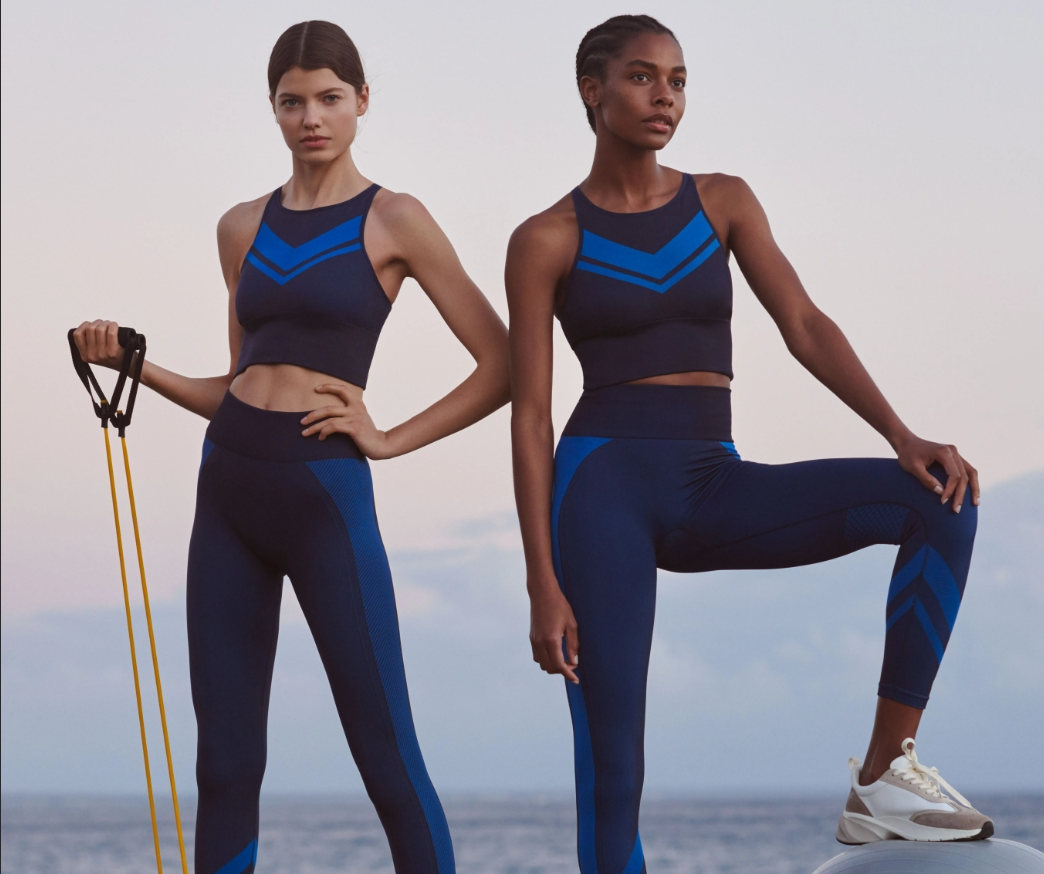
Trust costs money when you get it wrong. A supplier's polished website and warm sales rep mean nothing without proper credential checks.
Australian yoga apparel retailers lose an average of $12,000-25,000 on their first bad supplier choice—money that goes straight into defective inventory, delayed shipments, and refunds.
Check business registration and legal standing first. Request your potential supplier's business license number and company registration documents. For Chinese manufacturers, verify their business license through the National Enterprise Credit Information Publicity System. It's free. Registration status appears in two minutes. Australian suppliers should appear on the ASIC register with current ABN details. Ethical yoga clothing manufacturers operating for 5+ years show more stability than startups claiming "10 years experience."
Demand factory audit certifications that match your quality tier. ISO 9001 proves basic quality management systems exist. WRAP (Worldwide Responsible Accredited Production) or BSCI certifications matter for sustainable yoga apparel wholesale claims. Use the IAF CertSearch database to confirm authenticity. Recent compliance studies show 18% of suppliers overstate their certifications. Real certificates list specific factory addresses, valid date ranges, and accredited certification bodies. Reject certificates valid beyond three years or missing scheduled audit dates.
Verify production capacity with documentation, not promises. Ask for recent production reports showing output volumes each month. Quality yoga leggings suppliers should prove they manufacture 50,000+ pieces per month if claiming bulk yoga pants wholesale capability. Request customer reference lists with contact details. Call three references and ask specific questions: "What was your defect rate on the last five orders?" and "How often do they miss shipping deadlines?"
Set up ongoing monitoring from day one. Track certification expiration dates in your calendar with 60-day advance alerts. Sports bra suppliers Australia-based should maintain current Oeko-Tex certifications for fabric safety. Schedule compliance checks every three months for high-volume partners. Organizations using this risk-tiered approach cut vendor management costs by 22% while improving quality consistency.
The suppliers who resist verification checks? They're showing you who they are. Walk away without hesitation.
CTA Section 1Ready to Source Quality Yoga Apparel?
Connect with verified yoga apparel manufacturers who meet Australian quality standards. Get competitive pricing, flexible MOQs, and reliable delivery timelines.
Browse Yoga Apparel Collection →Step 4: Request and Evaluate Product Samples
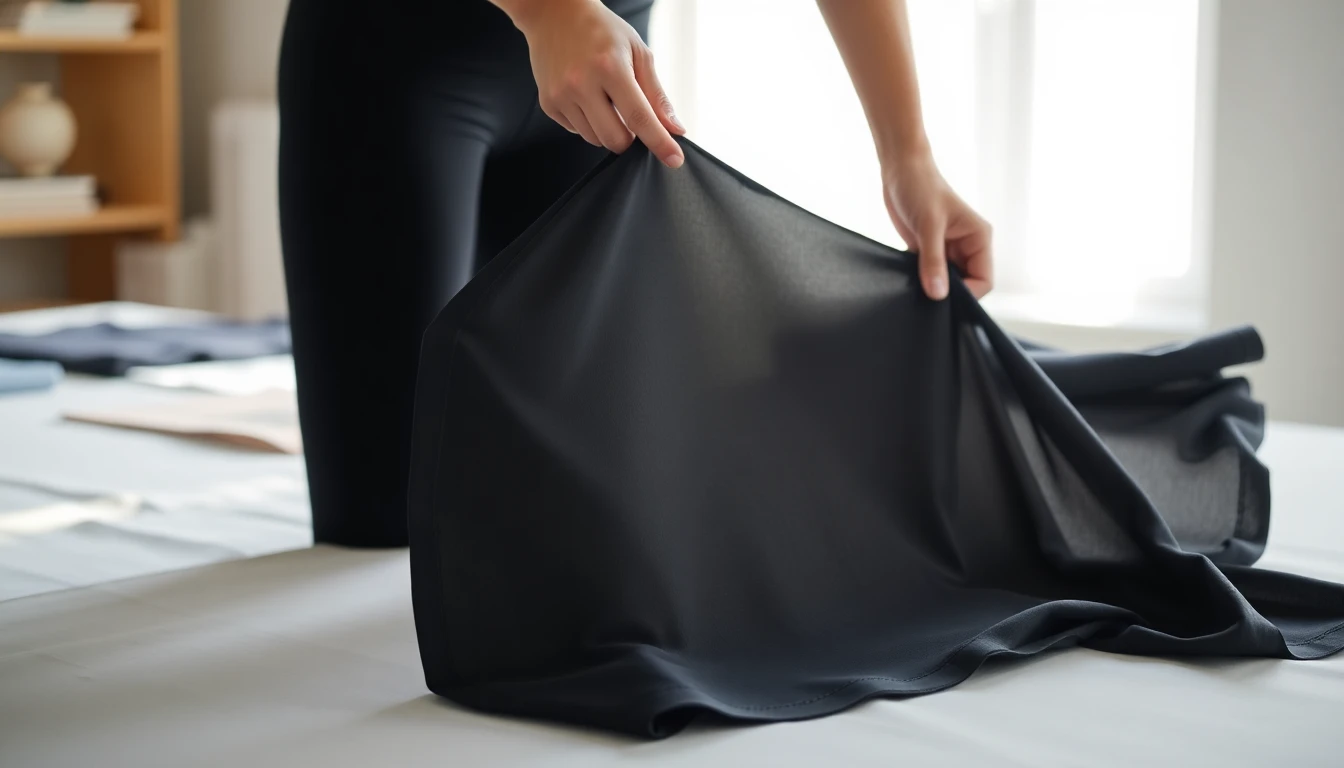
Product photos lie. Specification sheets exaggerate. The way to know what you're selling? Hold it, stretch it, wash it, and wear it yourself.
Samples reveal the truth about your potential yoga apparel supplier. This happens before you commit thousands of dollars to bulk inventory. Most Australian retailers handle this step wrong. They order one piece, glance at it, and sign a contract. Six months later? They're stuck explaining to customers why their $89 leggings are see-through after three washes.
Set clear sample requirements before you contact any supplier. Request three pieces per style. One for wear testing. One for wash testing. One to keep as your quality benchmark. Specify the exact colorways and sizes you plan to sell. Targeting size 10-14 Australian women? Test samples in those sizes. A size 6 sample won't show you how the gusset performs under real tension. It won't show whether the waistband digs in after an hour.
Real sustainable yoga apparel wholesale suppliers provide samples at cost or free for serious buyers. Expect to pay $15-45 per sample piece including shipping. Quality yoga leggings suppliers often waive sample fees. You just need to commit to minimum order quantity yoga apparel within 60 days. Get this agreement in writing. I've seen vendors charge $200 "sample fees" then disappear.
Physical Quality Assessment
Test fabric performance with specific protocols. Stretch leggings to 150% of their resting width and hold for 30 seconds. Quality four-way stretch fabric snaps back within 5 seconds. Pinch the fabric between your fingers at the thigh area. Hold it up to bright light. You shouldn't see skin tone through it. This is your squat-proof test. Sports bra suppliers Australia-based should send bras that maintain shape after 10 jump-and-land cycles.
Run proper wash tests over three weeks. Machine wash samples five times using the care instructions provided. Measure fabric dimensions before wash one and after wash five. Shrinkage beyond 3-5% signals poor fabric stabilization. Check for pilling after wash three. Rub the fabric against itself 50 times. Count the pills. More than 10 visible pills? The fabric won't survive real customer use.
Evaluate construction details under magnification. Use your phone camera to zoom in on seam work. Flatlock stitching should show 12-16 stitches per inch with no skipped stitches. Pull seams firmly. They shouldn't separate or show fabric bunching. Private label yoga clothing factories cutting corners use chain stitching that unravels fast. Test waistband elasticity by stretching it to double width 20 times. It should return to original size every time.
Wear Testing Protocol
Put samples through real yoga sessions. Wear leggings for a 60-minute heated vinyasa class. Note any transparency issues in downward dog. Check if the waistband rolls or slides during movements. Custom yoga wear production worth your investment stays opaque through every pose. No constant adjustment needed.
Document comfort issues right after testing. Does the gusset create pressure points? Do the seams chafe? Rate moisture-wicking on a 1-10 scale based on how fast sweat dries. Green activewear makers often use bamboo or recycled fabrics. These wick moisture different than traditional synthetics.
Assess sizing accuracy against your target market. Australian women's sizing varies a lot from Asian size charts. A supplier's "Large" might fit like a local size 10 or size 14. Measure real garment dimensions. Compare to Australian standard sizing. This tells you whether you need to adjust the size run or find a different supplier.
Objective Scoring System
Score each sample across four key dimensions using a 1-10 scale:
Total possible score: 40 points. Suppliers scoring below 28 don't make the cut. Those scoring 32+ deserve further discussion about bulk yoga pants wholesale terms.
Calculate defect rates if ordering multiple samples. Order 10 pieces minimum. Test new ethical yoga clothing makers for volume orders this way. Three defects in 10 samples = 30% defect rate. That's unacceptable. Professional suppliers maintain defect rates under 3-5%. You find one defect in 10 samples? Request 20 more samples before committing. Statistical confidence requires larger sample sizes. 200 pieces at 3% defect rate gives you a margin of error of ±2.4%.
Documentation and Comparison
Photograph every sample from multiple angles. Capture close-ups of seam work, fabric texture, and any defects. These photos become your quality baseline for production orders. Your first bulk order arrives and the quality looks different? You'll have documented proof of what the supplier promised.
Create a simple comparison spreadsheet listing all suppliers side-by-side. Rate each criterion with clear numbers. Include sample costs, response time to your request, and communication quality. Australian made activewear suppliers might score lower on price. But they score higher on turnaround speed and communication.
Request formal test reports for performance claims. Supplier advertises "antibacterial fabric" or "UV protection"? Demand third-party lab results. Real makers provide Oeko-Tex certificates, AATCC test reports, or ISO testing documentation. Generic claims without proof? The supplier is guessing or lying.
The sample stage shouldn't take more than three weeks from request to decision. Suppliers who drag this process out for months aren't serious about your business. Move on to vendors who respect your timeline and provide what they promise.
Step 5: Negotiate Terms, MOQ, and Pricing
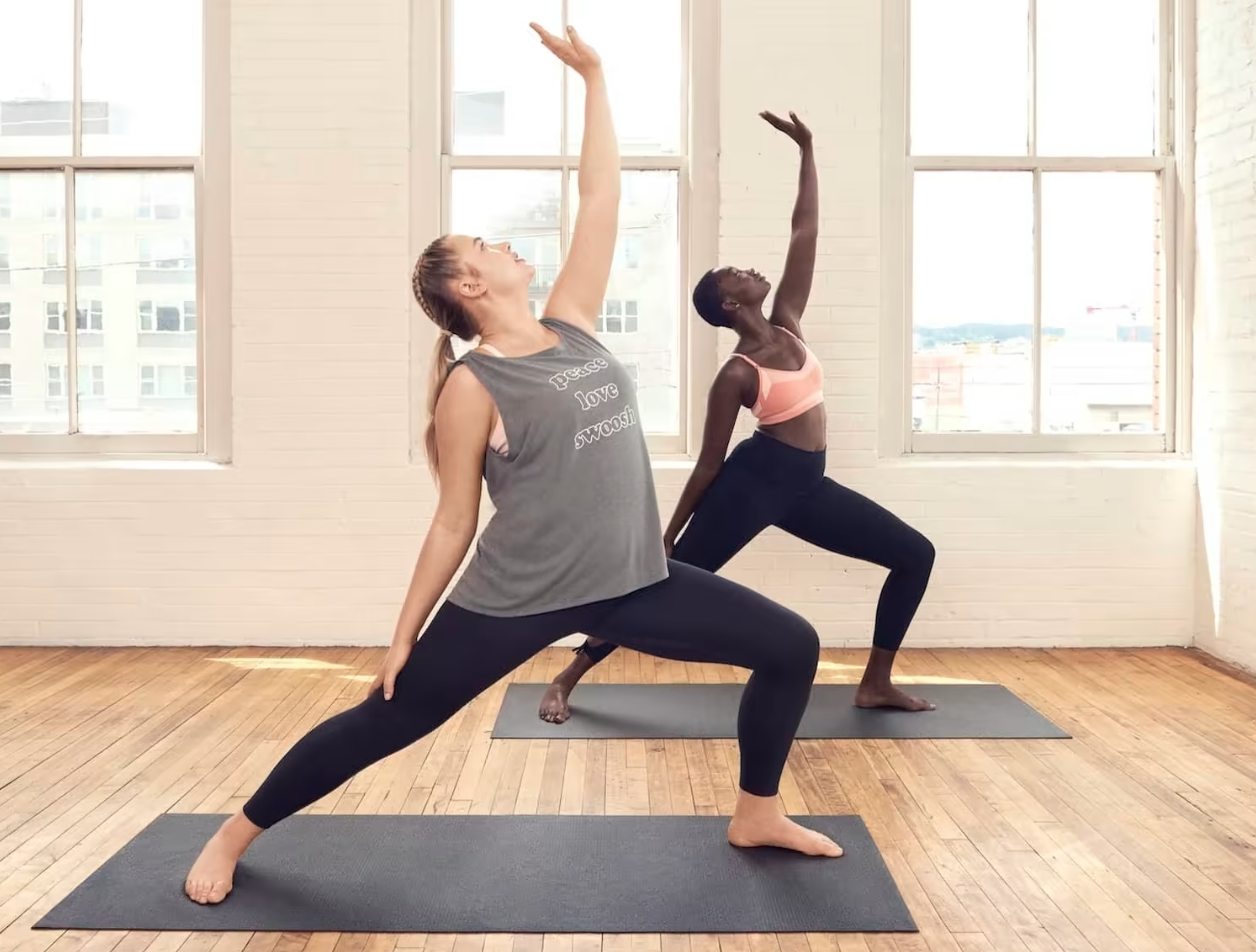
Your sample order impressed you. Now comes the crucial moment. This separates profitable stores from those bleeding cash on overstock. You need to negotiate commercial terms that work for your business size.
Most new Australian yoga apparel retailers accept the first minimum order quantity offered. A supplier says "500 pieces per style." They either walk away or drain their startup capital on 2,000 leggings they can't sell in six months. Both choices kill businesses before they start.
Understand what drives minimum order quantity yoga apparel requirements. Factories set MOQs based on three cost factors. Setup costs for machinery and dye lots get spread across production volume. The fewer pieces you order, the higher each unit must cost to cover these fixed expenses. Material procurement works in bulk. Fabric mills sell certain minimums. Production efficiency matters too. Small batches disrupt workflow and waste time changing machine settings.
Quality yoga leggings suppliers quote 300-500 pieces per style for standard designs. Custom yoga wear production with unique prints or special fabrics? Expect 800-1,200 pieces. Australian made activewear starts at 100-200 pieces but costs 2.5x more per unit. These aren't random numbers. They're calculated break-even points.
Start negotiations by asking one simple question: "What's your flexibility on MOQ for first-time buyers?" This single sentence reveals your situation. Are you dealing with a rigid factory or a partner willing to grow with you? Professional suppliers offer trial programs. They know proving quality with smaller runs builds long-term relationships.
Seven Practical MOQ Reduction Strategies
Mixed order bundling works best for color and size variations. Your supplier quotes 500 pieces minimum per style. You want black, navy, and burgundy leggings in sizes 8-16. Structure it as one 500-piece order split across all colorways and sizes. You meet their MOQ. You get product diversity. Sports bra suppliers in Australia often allow this approach across different styles. High-impact, medium-support, and wireless bras count toward one combined minimum.
Offer higher unit pricing in exchange for lower quantities. The math is simple. A supplier needs $5,000 revenue to justify production setup. At $10 per unit, that's 500 pieces. Offer $12.50 per unit? Now 400 pieces generates the same revenue. I've negotiated 20-30% MOQ reductions this way without hesitation. You pay a bit more per piece. But you avoid tying up $5,000 in inventory you might not sell for months.
Phased commitment structures split risk while building trust. Propose 200 pieces now with a signed agreement for another 300 pieces within 90 days. Sustainable yoga apparel wholesale vendors prefer predictable repeat orders over one-time buyers. They'll reduce initial MOQ knowing larger volume is coming. Include specific reorder dates and quantities in writing. Verbal promises mean nothing here.
Share realistic annual demand projections backed by data. Tell your supplier "I'm targeting 2,400 units across four styles in year one based on my marketing budget of $18,000 and conversion rate projections." This positions you as a serious business, not a hobbyist. Calculate your economic order quantity: EOQ = √(2 × Annual Demand × Order Cost) ÷ Holding Cost. Show suppliers this math. They respect buyers who understand inventory economics.
Group purchasing with non-competing stores lowers individual MOQ. Find three other Australian activewear retailers starting out. Pool your first orders to hit 1,000-piece minimums while each business takes 250 units. Private label yoga clothing makes this work since you're all branding under your own names. Set up simple agreements on shipping destination, payment responsibility, and defect handling before approaching suppliers together.
Source standardized components to bypass custom MOQ requirements. Custom printed leggings with your branded waistband? That's 1,000 pieces minimum. Plain black leggings with removable hang tags? Often 200 pieces. Start with stock designs in standard colors. Add your branding through packaging and marketing materials instead of the garment itself. You'll cut MOQ requirements by 60% and launch faster.
Work with trading companies if factory minimums are too high. Traders combine orders from multiple small buyers to meet manufacturer MOQs. You might order 150 pieces while the trader fills the remaining 850 pieces with orders from other brands. Yes, you'll pay 8-12% more than going direct to the factory. But you get market access impossible otherwise for new stores. Ethical yoga clothing manufacturers often work only with approved traders for orders under 500 pieces.
Red Flags That Signal Trouble
Very low MOQs combined with cheap pricing often mean quality problems. A supplier offers 50-piece minimums at $6 per legging. Market average is $12-15 at 300 pieces. The fabric quality will be garbage. Stitching will fail. Or they're running a bait-and-switch scheme. Samples look great but production quality tanks.
Green activewear manufacturers using certified organic cotton or recycled polyester can't offer tiny MOQs at commodity prices. Sustainable materials cost more and require larger production runs to justify the special handling. Anyone claiming otherwise is lying about their materials or their costs.
Pricing Negotiation Beyond MOQ
Request detailed cost breakdowns showing materials, labor, and margin percentages. Transparent suppliers provide this without hesitation. It gives you leverage to negotiate specific components. Maybe you accept their fabric pricing but push back on a 45% margin. Or you suggest alternative trims that cut $1.20 per unit.
Negotiate payment terms that protect your cash flow while giving suppliers confidence. Standard terms in yoga apparel wholesale are 30% deposit and 70% before shipment. Offer 40% deposit in exchange for 10% lower pricing. Or request 60-day payment terms after proving yourself with three on-time orders. Every dollar you keep working in your business for an extra 30 days multiplies your growth capacity.
The suppliers who refuse any negotiation flexibility? They're not partners. They're order-takers who'll ghost you the moment quality issues appear. The ones who work with you on MOQ, pricing, and terms? Those relationships become your competitive advantage. Other stores can't secure reliable inventory like you can.
Step 6: Conduct a Trial Order to Test Partnership

Your supplier passed every credential check. Samples beat expectations. Terms look good on paper. But you still don't know the most critical thing: how they perform under real business pressure.
Place a trial order before committing to bulk yoga pants wholesale volumes. This small investment—100-300 pieces—reveals how they operate better than any certificate or promise. You're testing five partnership areas that show up during actual production.
Order quantities that match realistic restocking cycles. Choose your two best-selling SKUs based on market research. Targeting custom yoga wear production? Order one simple solid color and one with modest customization. This tests both standard and complex workflows. Keep the order small enough to absorb if quality fails. Make it large enough that the supplier takes it seriously. The sweet spot? 30-45 days of projected inventory at your launch sales targets.
Document everything from order confirmation through delivery. Note response times to questions. Do they update you on production milestones, or do you need to chase them? Quality yoga leggings suppliers provide photos at fabric inspection, cutting, and finished goods stages without prompting. How they communicate during this trial predicts your relationship for the next two years.
Inspect the full shipment using AQL 2.5 sampling standards. Open every carton. Check 10% of units selected across all boxes. Measure dimensions. Test fabric opacity. Examine stitching under good lighting. Calculate your actual defect rate. Professional sustainable yoga apparel wholesale partners deliver under 2% defects. Anything above 5%? Don't reorder regardless of their excuses.
Compare quoted lead time versus actual delivery date. A supplier promising 45 days who delivers in 47 days is acceptable. One who ships at 63 days without explaining the delay? That's your future reality with every order.
Red Flags: Warning Signs of Unreliable Suppliers
Spot a bad supplier before signing contracts. This saves more money than any negotiation tactic. Warning signs show up early—during first inquiries, factory visits, and sample orders. Most Australian yoga apparel retailers miss these signals. They're either desperate to launch or lack experience reading supplier behavior.
Defect rates above 2% show deep problems you can't fix. Professional yoga leggings suppliers keep defect rates below 1%. They invest in process controls, worker training, and inspection protocols. Your trial order arrives with 4% defects? That's 200 bad units in a 5,000-piece shipment. The quality system is broken. Suppliers hitting 15% defect rates? Run. Communication won't repair their core production failures.
Watch for spikes in defective items across back-to-back orders. One batch with higher defects might make sense. Three batches showing rising defect rates? The factory cuts corners on materials. Or they rush production to meet wild schedules. Your customers leave negative reviews. You lose money on returns and replacements.
Documentation and Transparency Failures
Missing or outdated production records show chaos behind the scenes. Ask to see production reports from the last 30 days. Real sustainable yoga apparel wholesale manufacturers track output, quality checks, and machine downtime every shift. Suppliers can't produce these reports within 24 hours? They don't monitor their processes. They guess at quality instead of measuring it.
Check maintenance logs for equipment servicing dates and technician signatures. Calibration certificates for measuring tools should be current—updated within the last 12 months. They need traceability to recognized standards. Walk the factory floor. Look at the machines. Do calibration stickers show recent dates? Are maintenance tags complete with service dates and work performed? Missing documentation? They skip maintenance. Equipment failures will delay your orders.
"Ghost data" shows up in fake inspection logs. Workers fill out logs after the fact instead of during production. You'll see SPC charts with identical numbers repeated each day. Real production varies. Perfect consistency in quality metrics? That's impossible. Data posted in break rooms instead of near machines? Theater for auditors. Not real process control.
Suppliers use handwritten labels instead of barcoded tracking. They can't trace problems back to specific batches. Quality, production, and inventory systems work in silos. Defects appear. They can't identify which fabric lot, which shift, or which workers were involved. You'll never get root cause analysis or fixes.
Performance and Delivery Inconsistencies
Missed delivery dates without advance notice show capacity problems or poor planning. One delayed shipment with a valid reason (raw material shortage, customs hold-up) happens. Late deliveries keep piling up? The factory took on more orders than it can handle. Your bulk yoga pants wholesale order sits in a queue behind five other customers.
Track lead time consistency. A supplier quotes 45 days and delivers between 43-48 days? They manage their workflow well. One promises 45 days but delivers anywhere from 40 to 65 days with no pattern? They lack production control. Private label yoga clothing needs predictable inventory flow. You plan marketing launches. You don't react to surprise shipments.
Lead time quotes that keep changing without market reasons show internal chaos. Fabric prices go up and down. Shipping costs change. But production timelines for standard designs should stay stable. Suppliers keep revising their lead time estimates? They can't assess their capacity. They can't coordinate their material buying.
Financial Distress Indicators
Sudden price swings beyond normal market changes point to cash flow trouble. Your sports bra supplier in Australia quotes $18 per unit. Three weeks later before you order, the price jumps to $23. No fabric cost increases. No specification changes. They're desperate for margin to cover operating costs. Suppliers with money problems deliver late. They can't afford materials until your deposit clears. They cut quality to save cash.
Watch for workforce cuts or high staff turnover during your talks. Different sales reps handle your account every month? The company loses experienced people. Production managers leave. Institutional knowledge walks out the door. New workers make more mistakes. Quality drops.
Delayed responses to your emails? Unavailable for scheduled calls? Financial problems force owners and managers to focus on survival instead of customer service. Evasive answers about delivery dates or quality issues? They're hiding problems they can't afford to fix.
Communication and Relationship Warning Signs
Reluctance to share production records or provide factory access shows what they hide. Ethical yoga clothing manufacturers welcome audits and questions. They're proud of their processes. Suppliers restrict factory visits to "special areas"? Or refuse to show you certain production lines? They operate sweatshop conditions. Or they use lower-grade materials than promised.
Vague responses to specific quality questions show they don't understand their own processes. Ask "What's your gauge R&R methodology for legging waistband measurements?" A professional supplier explains their repeatability studies and operator training. A sketchy one changes the subject. Or gives generic answers copied from the internet.
Calculate incident frequency to measure reliability: (number of incidents ÷ total orders) × 100. An incident is any quality failure, missed delivery, or communication breakdown that needs your intervention. Two incidents across your first three orders? That's 67% incident frequency. You spend more time managing this supplier than growing your business.
The best custom yoga wear production partners alert you to potential issues before they impact your delivery. "We see higher than normal defect rates in our first production run. We stopped the line. We're investigating. This might delay shipment by 5 days." That's transparency. "Your order ships on time!" followed by 15% defects in your shipment? That supplier hides problems until you discover them.
Set up reviews every three months. Track defect rates, on-time delivery percentage, and communication speed. Trends get worse across back-to-back quarters? The relationship is failing. Develop backup supplier options before you're stuck with no inventory and angry customers.
CTA Section 2Need Help Finding the Right Supplier?
Skip the trial and error. Work with a trusted wholesale partner who understands Australian market requirements and delivers consistent quality.
Get a Free Consultation →Legal and Compliance Considerations for Australia

Australian legislation changed more in 2024 than the previous three years combined. The Commonwealth passed 140 Acts and 2,833 regulations. Your yoga apparel business now faces compliance requirements that didn't exist six months ago.
Legal compliance mistakes cost Australian e-commerce stores $15,000-45,000 in fines on average. Plus legal fees to fix violations after regulators notice. The smarter approach? Build compliance into your supplier selection from day one.
Product Safety and Labeling Requirements
Australian Consumer Law requires specific labeling for all textile imports. Every yoga legging, sports bra, and tank top needs fiber content percentages, country of origin, care instructions, and business identification. Your bulk yoga pants wholesale shipment arrives without proper labels? You can't sell them until you add compliant tags.
Work with sustainable yoga apparel wholesale suppliers who understand Australian labeling standards. Request samples showing exact label placement and content before production. Labels must attach firmly and stay readable after 20 washes. Printed labels inside waistbands work better than hang tags customers remove.
Check the Australian Competition and Consumer Commission (ACCC) Product Safety Database each month. They update standards and recalls affecting activewear. Drawstring regulations changed in 2023 after safety incidents. Hoodies and yoga pants with certain drawstring designs became non-compliant overnight.
Import Duties and Customs Compliance
Yoga apparel imports face 5% customs duty under tariff classification 6211. Factor this into your pricing calculations. Compare Australian made activewear versus overseas suppliers. A $12 wholesale legging from China costs $12.60 after duty, plus GST at 10% on the duty-inclusive value.
Register for an Australian Business Number (ABN) before your first shipment clears customs. Import commercial goods without an ABN? Customs holds your shipment. You pay storage fees of $85-120 per day until registration completes.
Use the Integrated Cargo System (ICS) for import declarations. Shipments valued over AUD 1,000 require full customs clearance. Your private label yoga clothing order hits this threshold fast. Hire a licensed customs broker for your first three shipments. They cost $150-250 per clearance but prevent expensive mistakes with tariff classifications and documentation.
Data Privacy and Customer Information
The Privacy Act 2025 amendments expand requirements for e-commerce stores collecting customer data. Your marketing emails, customer accounts, and order histories all fall under stricter consent and breach notification rules. The Office of the Australian Information Commissioner (OAIC) now imposes fines up to $50 million for serious breaches.
Set up clear opt-in protocols for email marketing of custom yoga wear production updates. Pre-checked boxes don't meet consent standards anymore. Document when and how customers agreed to data collection. Store this evidence for seven years.
Cyber Security Act 2024 requires incident reporting within 72 hours if customer data gets compromised. Partner with sports bra suppliers Australia-based or international vendors who maintain ISO 27001 certification for information security. Ask how they protect your customer lists and order data. Their breach becomes your violation.
Environmental and Supply Chain Transparency
Modern Slavery Act 2018 requires annual statements from businesses with consolidated revenue above $100 million. Your store might fall below this threshold now. But your green activewear manufacturers in China might exceed it. Request their Modern Slavery Statement before signing contracts. Ethical yoga clothing manufacturers publish these without being asked.
Climate Financial Disclosures became required for large corporations in January 2025. This affects supplier selection criteria. Retailers promoting sustainable yoga apparel wholesale need documented proof of supplier environmental practices. Third-party certifications like GOTS (Global Organic Textile Standard) or bluesign® provide auditable evidence.
The ACCC prosecutes greenwashing hard now. Don't claim eco-friendly or sustainable yoga leggings without proof. Your supplier's verbal assurance means nothing in legal terms. Get certified test reports for recycled polyester content, organic cotton verification, or carbon-neutral production claims. Each environmental claim needs independent verification you can show regulators.
Payment and Financial Compliance
Anti-Money Laundering and Counter-Terrorism Financing (AML/CTF) Tranche 2 expands to more sectors in July 2026. E-commerce businesses processing payments exceeding certain thresholds face new reporting obligations. AUSTRAC releases core guidance in October 2025. Monitor updates affecting quality yoga leggings supplier payments and international wire transfers.
Keep transaction records for seven years minimum. Document the commercial purpose of every payment to overseas manufacturers. Large payments to custom yoga wear production facilities in Southeast Asia trigger bank scrutiny. Missing documentation causes payment delays or account freezes.
The Scams Prevention Bill (February 2025) requires banks and digital platforms to assess scam risks and report within 24 hours. This affects how you verify new suppliers requesting deposits. Use escrow services or trade assurance programs for first orders with unproven vendors. Direct wire transfers to new minimum order quantity yoga apparel suppliers? That's how Australian retailers lose $25,000-100,000 to fake factory scams.
Workplace and Director Obligations
Psychosocial Hazard Laws take effect December 2025 for all employers. Hire staff to manage your growing activewear store? You're responsible for psychological safety alongside physical safety. This includes stress from unrealistic sales targets or abusive customer interactions.
Director Duty Obligations (DDO) now carry personal liability for executives. Your business structure matters. Operating as a sole trader versus proprietary limited company changes your legal exposure. Company directors face fines and potential imprisonment for compliance failures they should have prevented.
Fee increases for legal and compliance services rose 8.6% in 2024. Rates per hour grew 4% each year for four consecutive years. Budget $3,000-5,000 per year for basic compliance advice as your store scales. Australian organizations lag global standards—zero percent consider themselves compliance leaders versus 7% worldwide.
Set compliance reviews every three months in your calendar. Check for new regulations affecting textile imports, consumer protection, data privacy, and employment law. Subscribe to ACCC updates and Australian Border Force notices. The rules shift all the time. What worked last year might violate new rules today.
Conclusion
Finding reliable yoga apparel suppliers for your Australian e-commerce store goes beyond hunting for the lowest price. You're building a business foundation that stands strong through quality issues and shipping delays. The six-step verification process we've covered will save you thousands of dollars. Plus, you'll avoid major headaches down the road.
Your action plan is simple. Create your supplier evaluation checklist today. Reach out to 3-5 potential partners. Never skip the sample testing phase. The time you spend now on thorough checks pays off big. You get consistent product quality. Your inventory stays reliable. Happy customers come back to buy again.
Launching your first yoga apparel line? Or maybe switching from an unreliable supplier? These strategies give you a clear framework. You can make confident, smart decisions. Don't rush this process. Your brand reputation depends on the partners you pick. Take the first step today. Build the supply chain your Australian e-commerce business needs.
CTA Section 3 - FinalStart Your Yoga Apparel Business Today
Browse our curated collection of premium yoga apparel from verified manufacturers. Low MOQs, competitive pricing, and Australian-compliant products.