Most people get stuck somewhere between "I should start exercising" and doing it. Not because they lack motivation — but because nobody handed them the right starting point.
Getting into sports as a beginner doesn't have to mean grueling drills, expensive gear, or feeling like the least coordinated person in the room. Some sports are easy to pick up. A few of them might even surprise you.
Looking for low-barrier sports that fit a busy adult life? Or just want to move your body in a way that doesn't feel like punishment? This list is for you. Ten sports. Real talk about what each one feels like on day one. No intimidation. No excuses left.Many beginner-friendly sports today are also supported by top sportswear manufacturers , making accessible, comfortable gear easier to find than ever.
#1 Pickleball — The Easiest Sport for Beginners You've Never Tried
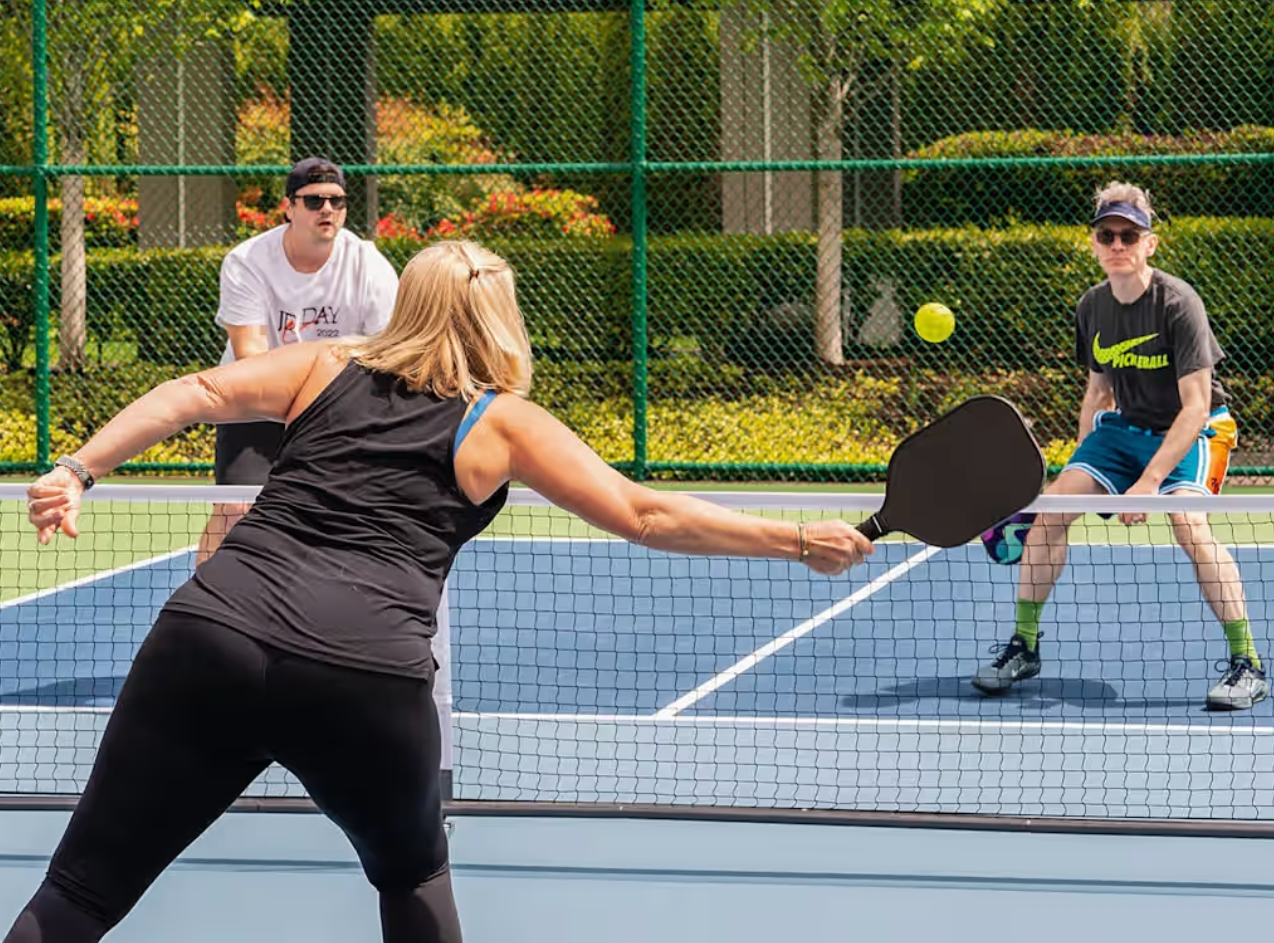
Here's a number worth pausing for: 24.3 million Americans played pickleball in 2025 . That's not a niche hobby. That's a full-on movement. It's been the fastest-growing sport in the US for close to five years straight.
Why does it spread so fast? You can play it on day one. Not just show up and flail around — you can hit the ball, score points, and feel like you belong out there.
Think of pickleball as the love child of tennis, badminton, and ping-pong. The court is smaller. The paddle is lighter. The ball moves slower. The whole setup quietly works in your favor — beginners feel capable, not lost.
The average player is 34 years old . Over 16 million people play once or twice a month, just for the fun of it. No training schedule. No gear obsession. Just show up and play.For clubs and brands entering this fast-growing space, working with custom sportswear suppliers helps create lightweight, movement-friendly apparel tailored to court sports like pickleball.
Here's what you need to get started:
- A paddle (~$30–$60)
- A pack of wiffle-style balls
- A court nearby — dedicated facilities grew 55% in 2024 alone , so one is closer than you'd guess
Difficulty level: ⭐☆☆☆☆
Social factor: High — doubles play is the norm
What to wear: Lightweight athletic shorts and a breathable tee. You'll be moving side to side a lot, so comfort matters more than style here.
#2 Running — The Zero-Equipment Sport That Builds Unstoppable Momentum
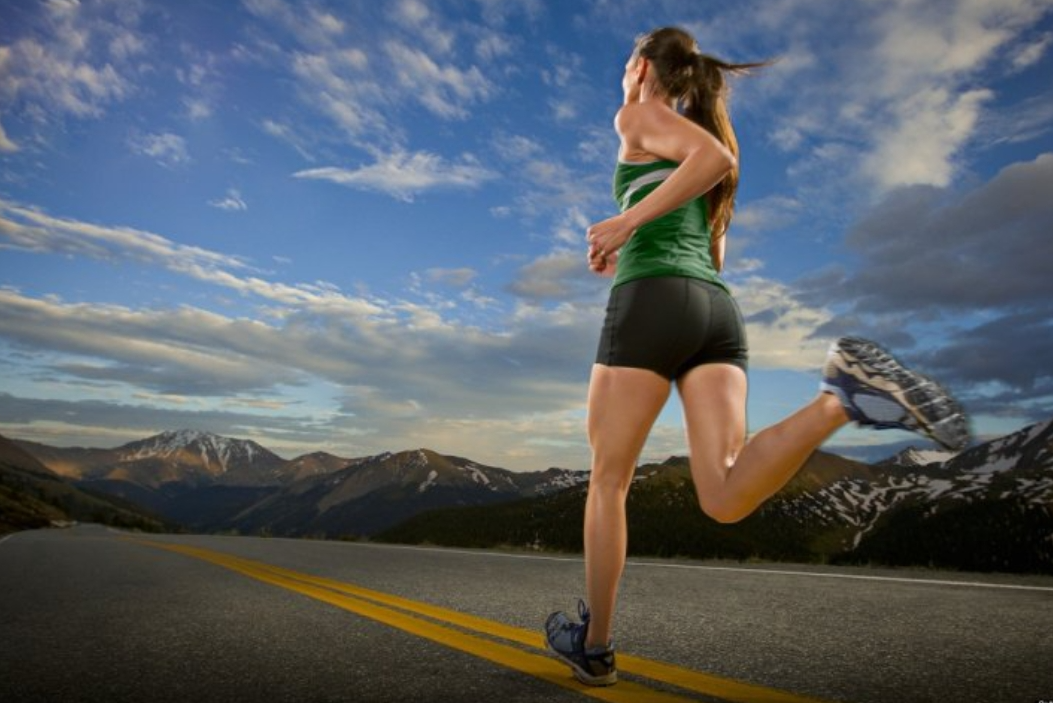
Fifty million Americans lace up and go. No membership. No equipment. No excuses.
Running is the rare sport where showing up is the skill. In 2024, 53% of all running participants were first-timers — and participation jumped 39% year-on-year . That's not a coincidence. The barrier to entry is the sidewalk outside your door. Nothing more.
What sets running apart from almost everything else on this list? Progress you can see. Your pace. Your distance. Your time. Numbers that move — and so do you.
What you need to start:
- A decent pair of shoes (~$60–$100)
- Light, breathable running gear
- A free app to track your progress
The most popular entry point? A 5K . Easy to start. Easy to finish. Hard to stop doing.As demand grows, many entry-level products now come from specialized running apparel manufacturers focused on lightweight comfort and sweat management.
Difficulty level: ⭐⭐☆☆☆
Social factor: Medium — solo or group, your call
What to wear: A moisture-wicking tee and lightweight running shorts. You're moving hard — breathability matters.
#3 Swimming — The Best Low-Impact Sport for Adults Starting From Scratch
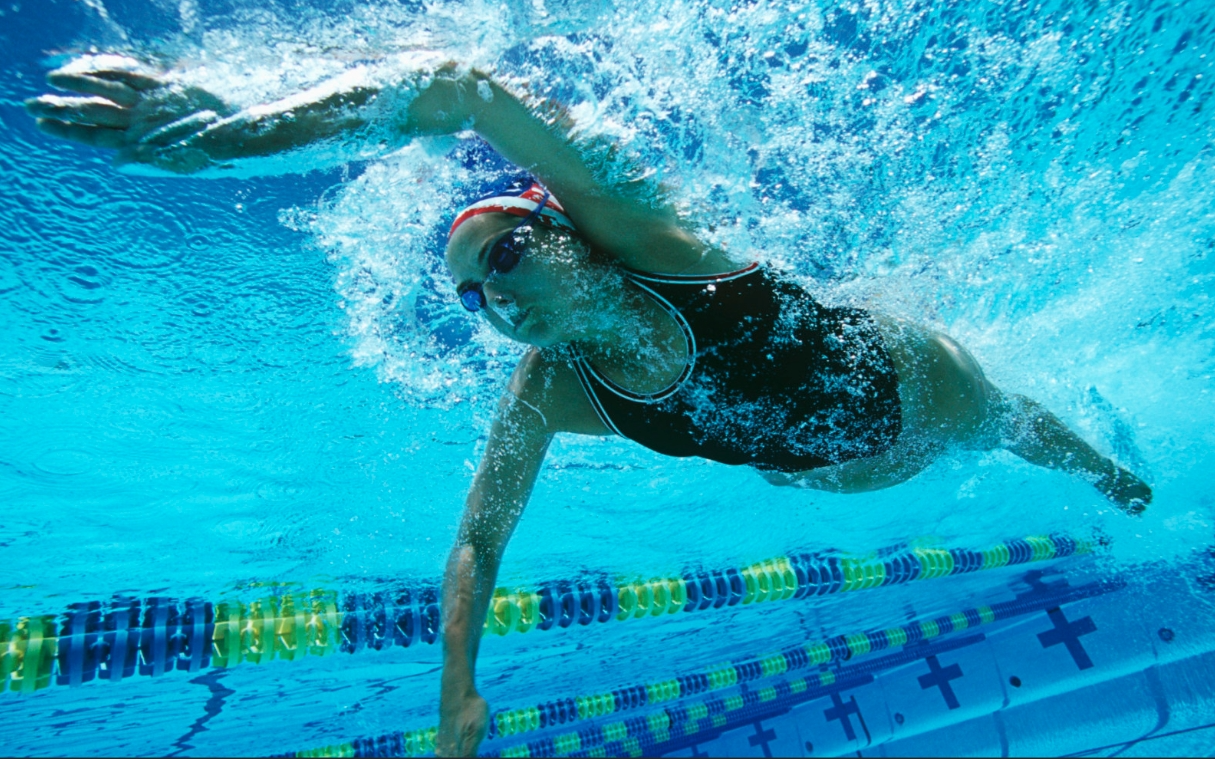
Water holds you. That's not poetry — that's physics. Buoyancy supports 90% of your body weight . Every stroke you take is 90% gentler on your joints than the same movement on land. You're carrying extra weight, dealing with knee pain, or bouncing back from years of inactivity? That number changes everything.
The longevity data is hard to ignore: swimmers show 53% lower all-cause mortality compared to sedentary adults — and they outlive walkers and runners too. A 154-lb person burns 255 calories in 30 minutes of easy freestyle . Pool jogging burns about 100 more calories than the land version. The water works harder so your body doesn't have to.
What it costs to start:
- Public pool drop-in: $3–$5 per session
- Monthly pass: $20–$50
- Private lessons: $25–$40 per half-hour
One stat worth knowing: Adult learners who bring a friend drop out at just 6% — versus 40% who join group classes alone. Find your person. Show up together.
Gear essentials:
- Goggles — anti-fog, adjustable, $15–$30
- Silicone swim cap — lasts 6–12 months, fits snug
- Rash guard — UPF 50+ fabric for outdoor pools, quick-dry nylon/spandex, $20–$50
For brands entering this space, working with reliable custom swimwear suppliers helps ensure better fit, durability, and chlorine resistance.
Difficulty level: ⭐⭐☆☆☆
Social factor: Medium — better with a buddy
What to wear: A fitted UPF rash guard cuts drag and blocks UV. Fit snug — hydrodynamics do matter here.
#4 Cycling — A Beginner Sport You Already Know How to Do
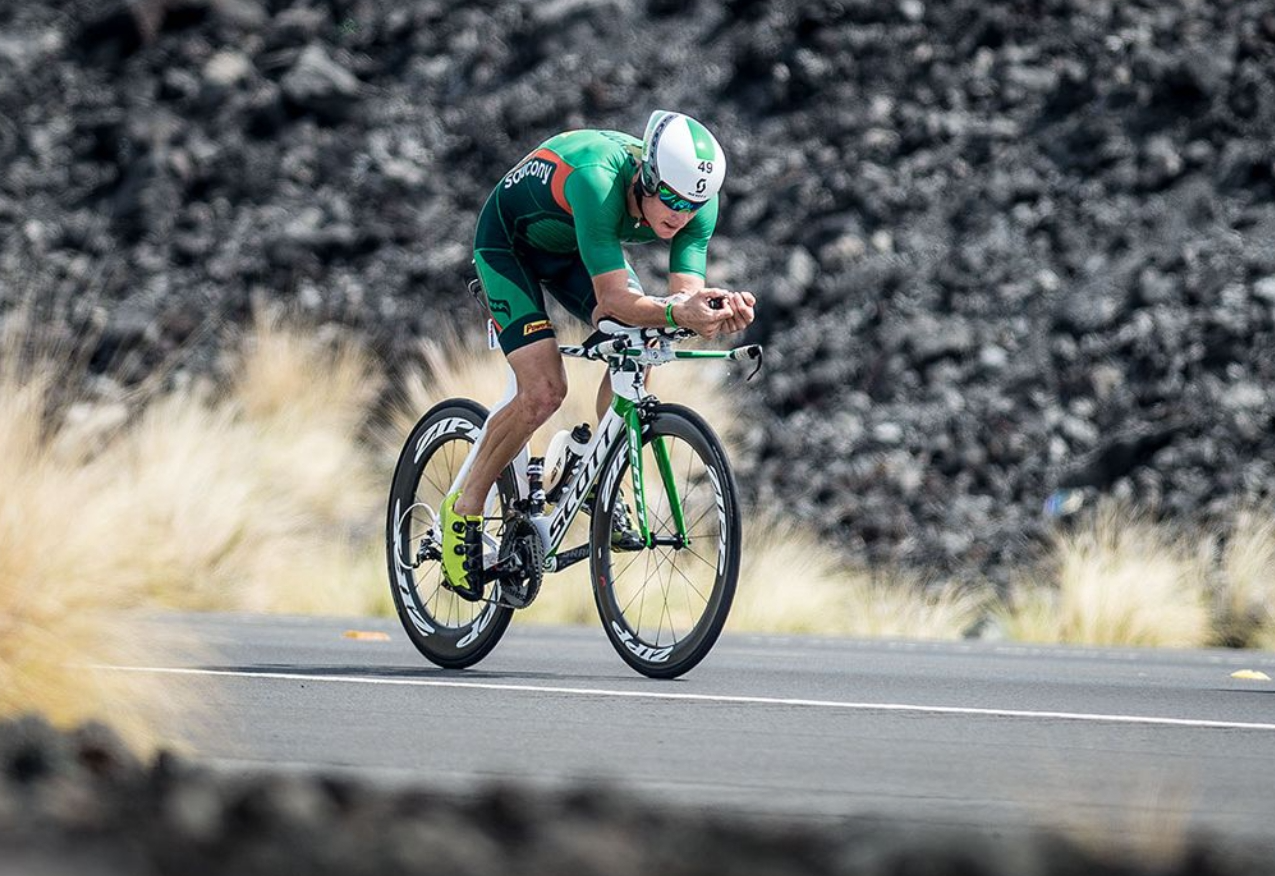
Somewhere between age five and adulthood, most of us learned to ride a bike — and then stopped. Life got busy. The bike gathered dust. That skill never left, though. It's still in there.
In 2024, 112 million Americans got back on a bike at least once. That's 35% of everyone aged 3 and up. Youth participation jumped from 49% to 56% in just two years. Adults between 35–54 showed the biggest comeback — up 16–17% since 2020 . Cycling isn't growing by accident. It's easy to start, low-pressure, and flat-out fun.
You don't need lessons. You don't need a training plan. You just need a bike and somewhere to go.
What it costs to start:
- Entry-level bike: $200–$400
- Helmet: $30–$60
- Casual rides cost nothing after that
As more brands enter the market, many rely on experienced custom cycling apparel suppliers to develop breathable, rider-friendly gear for all levels.
Difficulty level: ⭐☆☆☆☆
Social factor: Medium — works solo or with a group
What to wear: Breathable shorts with a relaxed fit and a moisture-wicking tee. Comfort comes first on those early rides.
#5 Badminton — The Backyard Sport With High Fitness Returns
Grab a racket. The science here will catch you off guard.
Badminton looks casual — a shuttlecock floating over a net, a lazy summer afternoon. But put in 2–3 sessions a week for just 4–10 weeks, and the data gets serious fast. VO2max improves with a standardized effect size of 1.27 — that's not a small gain. It beats most traditional exercise programs. Resting heart rate drops. Lung capacity climbs. Quadriceps and hamstring force both go up by measurable amounts.
Eight weeks of regular play builds power in your hips, knees, and ankles. The hamstring-to-quadriceps ratio moves from 0.67 to 0.72. That shift signals real functional stability — your joints work better together. Plus, 30 minutes of play three times a week lifts memory and cognitive performance . The backyard version counts just as much as a court session.
What you need to start:
- Two rackets: $20–$40
- A pack of shuttlecocks
- Any flat outdoor space or community court
Difficulty level: ⭐⭐☆☆☆
Social factor: High — this is a two-player game by nature
What to wear: A lightweight, quick-dry tee with room to move — your arms will be reaching a lot, so give them space.
#6 Table Tennis — The Most Accessible Olympic Sport for Complete Beginners
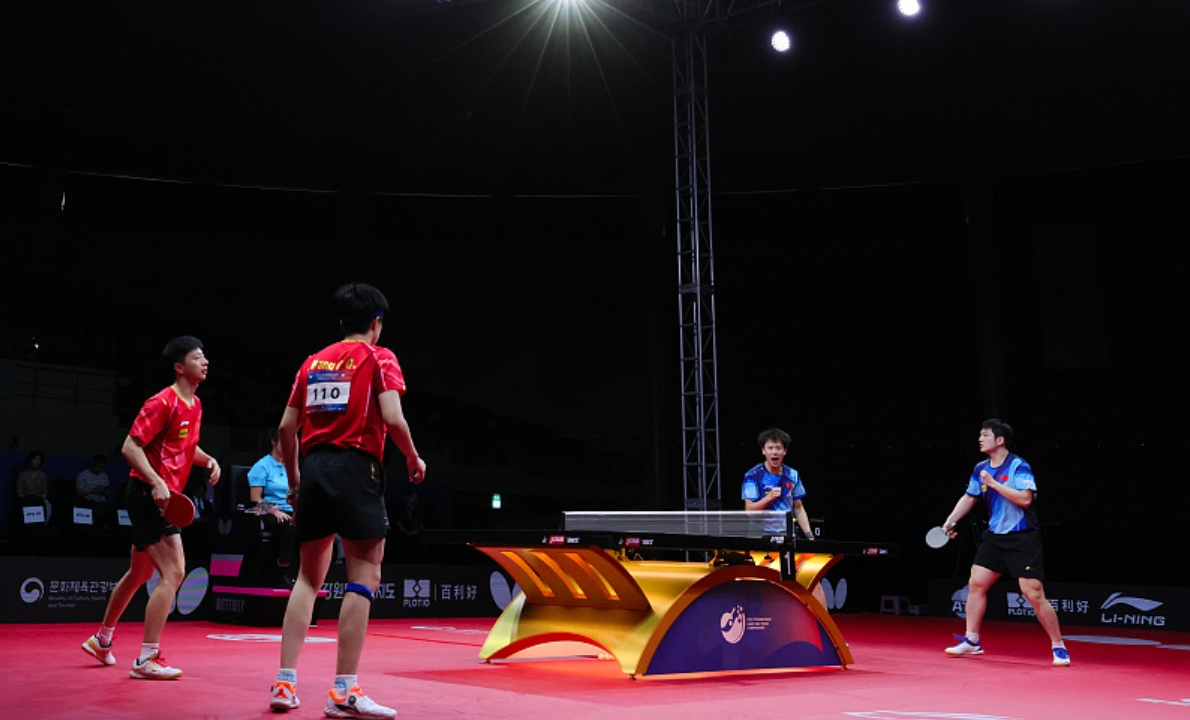
An Olympic sport you can learn in an afternoon. That's not a marketing line — that's table tennis.
The basic forehand drive takes one to two sessions to pick up. Thirty to sixty minutes each. You walk in clueless. You walk out hitting the ball with actual intention. Few sports on this list can say the same.
The numbers tell a real story. Over 10 million Americans played in 2024. Australia saw a 47% participation surge since 2019. In England, women's participation jumped 22% in a single year . This sport is finding new people — fast.
Here's why beginners keep coming back. The rules are simple — first to 11 points, win by 2. Free tables sit in parks, community centers, and libraries across the country. No booking. No membership fee. Just show up.
Eight weeks of regular play improves reaction time by 20–30% . It also drives real prefrontal cortex activity. The ball travels at up to 100km/h. Your brain has to rewire itself just to keep up.
What you need to start:
- A paddle: $15–$30
- Balls: multipacks for under $10
- Clothing total: $20–$50 — breathable tee, elastic-waist shorts, flat-soled sneakers
Difficulty level: ⭐☆☆☆☆
Social factor: High — every point is a conversation
What to wear: A loose cotton-poly tee and knee-length shorts. You won't be sprinting across a court like a tennis player. But your wrist, core, and reaction time will still get a genuine workout.
#7 Volleyball — The Easiest Team Sport to Enjoy Without Being Good At It
Volleyball rewards effort, not talent. That's a rare thing in team sports.
You don't need to be athletic. You don't need experience. All you need is six people and a net. Within 30 minutes, you'll be having fun — even if half your serves land in the wrong zip code.
USA Volleyball membership grew 9.6% in 2023 . Over 6.3 million Americans play court volleyball on a regular basis. The sport keeps pulling people in because the basics come fast:
Forearm pass : 1–2 sessions to feel comfortable
Overhead set : Solid control within 2–4 sessions
Underhand serve : Most beginners nail it in a single hour
Can't commit to six players? Try beach volleyball. It's just two people per side, sets are shorter (21 points vs. 25), and sand absorbs 30–50% more impact than hard floors. Fewer rules. Lower stakes. Easier entry.
Difficulty level: ⭐⭐☆☆☆
Social factor: Very high — you cannot play alone
What to wear: Start with a breathable tank and compression shorts. The shorts cut down muscle fatigue during dives. Add knee pads that absorb up to 70% of impact on the floor. Your knees will thank you after session one.
#8 Bowling — The Most Social Beginner Sport With Zero Fitness Prerequisites
Sixty-seven million Americans went bowling in 2022. Not as athletes. Not as competitors. Just as people who wanted a good time.
That number says a lot. Bowling has never been about sport. It's about showing up, laughing with friends, and going home feeling like you did something. The fitness benefits — 150–300 calories burned per hour , low joint impact, a 20–30% reduced chronic disease risk with regular moderate activity — are more of a side perk.
No fitness prerequisites here. No coordination tests. No learning curve that drags on for weeks. You pick up the ball. You roll it. You figure the rest out as you go.
What you need to start:
- Rental shoes: $3–$5 at most alleys
- House balls are free to use on-site
- A lane booking — that's it
Difficulty level: ⭐☆☆☆☆
Social factor: Through the roof — this is group fun at its most pure
What to wear: Relaxed-fit pants with room to stride and a comfortable tee. You won't break a sweat. Still, you want full range of motion when you step up to throw.
#9 Soccer — The World's Most Played Sport Is Also One of Easiest to Start
270 million registered players. One ball. Two makeshift goals — water bottles, backpacks, whatever's nearby. That's all it takes.
Soccer's global dominance has a clear reason: it's easy to get into. The rules fit on a single page. The basics take about three minutes to learn — don't use your hands, get the ball across the goal line, stay onside when receiving passes. That's your playable foundation. Everything else can come later.
What you need to start:
- A ball (~$15–$30)
- Shin guards (~$10)
- Shoes you already own
No field required. Any open rectangle works.
Difficulty level: ⭐⭐☆☆☆
Social factor: Very high — even a 3v3 pickup game counts
What to wear: A sleeved moisture-wicking shirt (sleeves are required by the rules), quick-dry shorts, and socks long enough to cover your shin guards. Soccer players cover around 10km per match — breathability is not a bonus, it's a must.
#10 Basketball — Fast-Paced, High-Energy, and Easier Than You Think
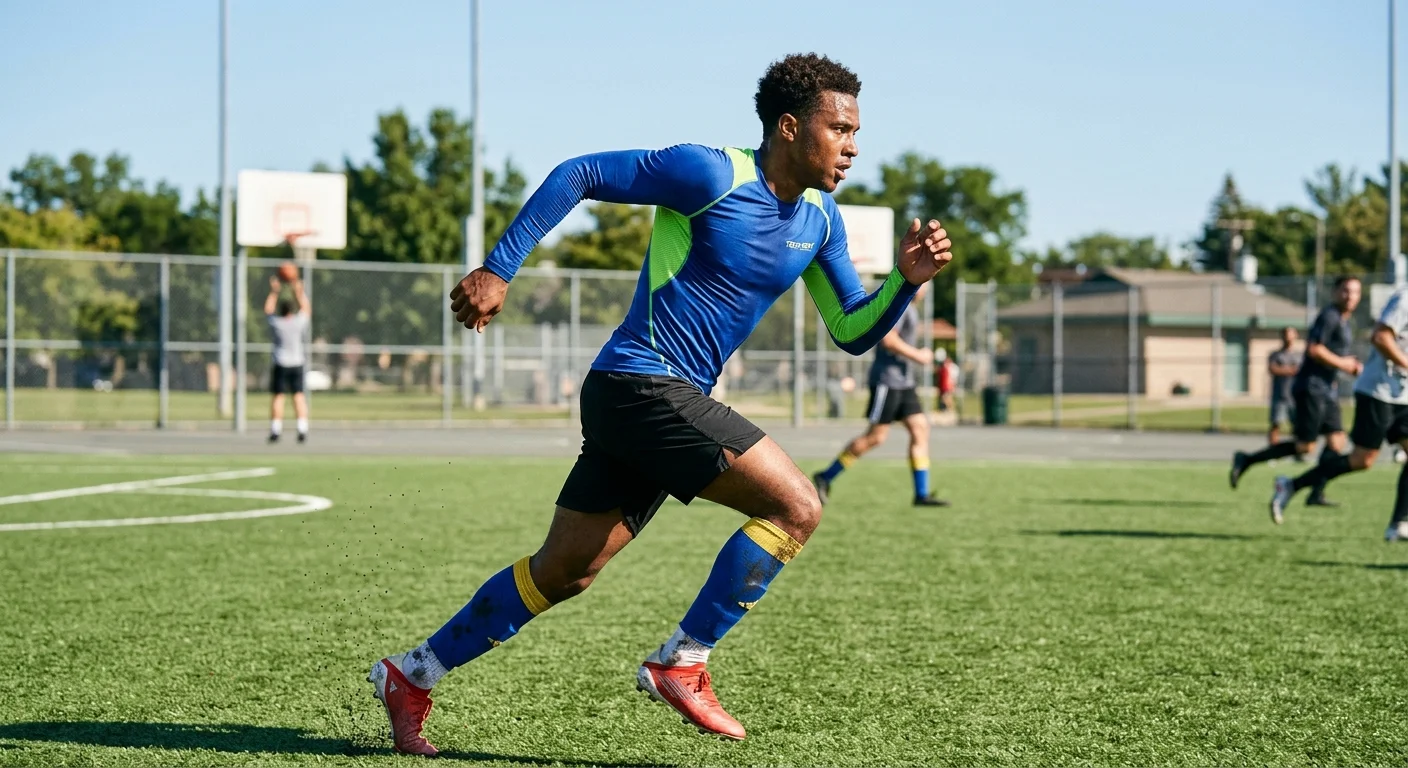
The US has 1.5 million outdoor basketball courts . Chances are, one is within walking distance of where you're sitting right now.
That accessibility is the whole point. Basketball doesn't ask much to get started — just a ball, a hoop, and the willingness to show up. No teammates required for day one. Shoot 100 shots in a solo session. You'll see a real 20–30% accuracy boost within a single week .
Ready to meet other players? Pickup culture does the heavy lifting. Walk up to a half-court game. Watch for 5–10 minutes. Ask "Can I run next?" — acceptance rate in urban parks runs around 90% . Your job at first: move your feet, chase rebounds, and pass to open players. Hustle earns you a spot before skill ever does.As more community teams and brands enter the space, many turn to custom basketball apparel manufacturers to create breathable, durable gear suited for high-intensity pickup play.
What you need to start:
- A basketball (~$20–$40)
- Court shoes with cushioning and ankle support
- A nearby public court — free to use
Your first 30 days, simplified:
- Week 1: Stationary dribbling, figure-8s, two-ball drills
- Week 2: Chest passes, bounce passes, wall reps
- Week 3: Spot-up shooting from close range, building toward 15 feet
- Week 4: Put it all together — dribble into a pull-up, then run pass-and-shoot sequences
Difficulty level: ⭐⭐☆☆☆
Social factor: Very high — pickup games run everywhere
What to wear: Go with a loose cotton-blend tank for airflow. Pair it with 7–9" athletic shorts that have a spandex liner — this gives your legs full range of motion. Add mid-top cushioned shoes built for side-to-side cuts and jump impact. Your gear should move with you — because in basketball, you almost never stop.
Beginner Sports Comparison: Find Your Perfect Match in 60 Seconds
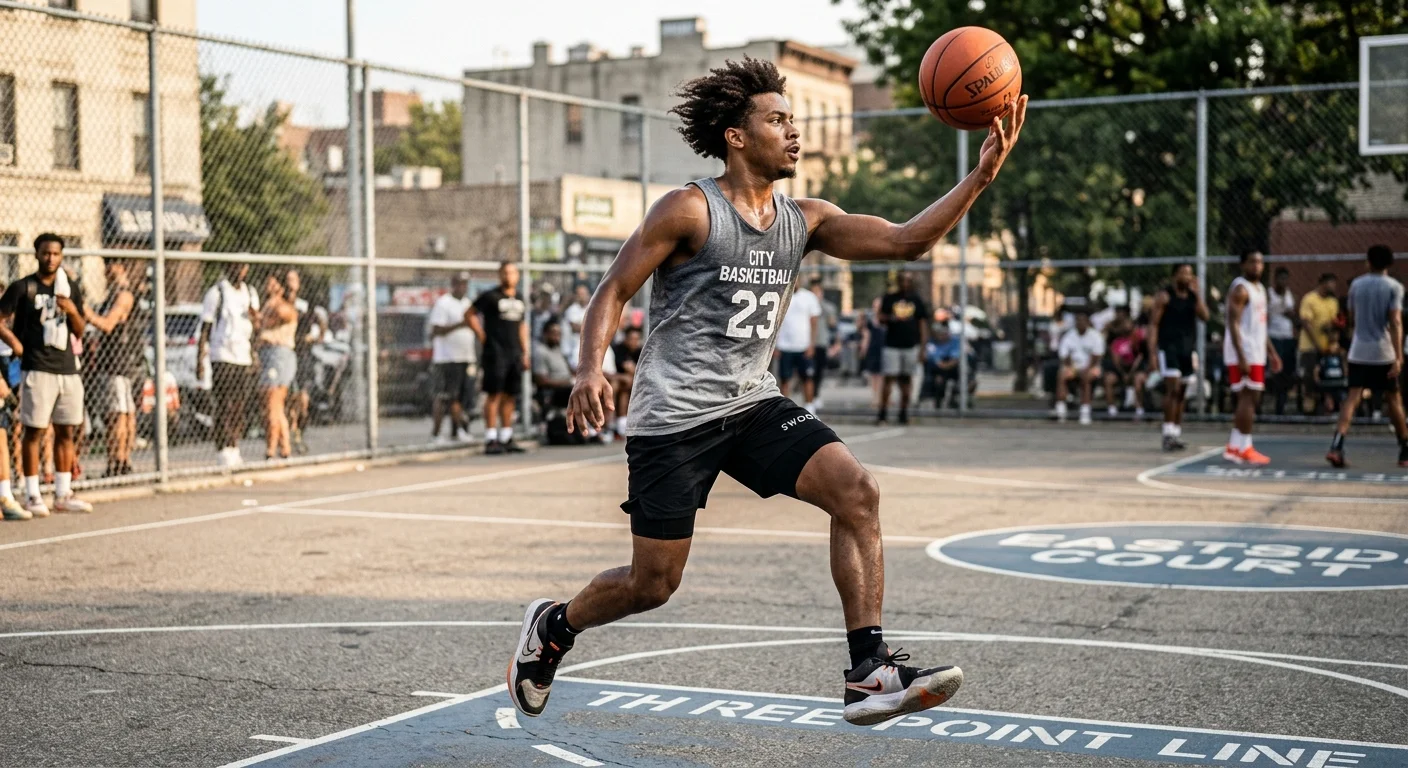
Ten sports. One table. Three questions. That's all it takes to find yours.
Sport | Ease (1–10) | Starter Cost | Solo or Team | Intensity | Best For |
|---|---|---|---|---|---|
Pickleball | 9 | ~$50 | Team | Low | Any age, any fitness level |
Cycling | 9 | ~$300 | Both | Low–Med | Indoor/outdoor, easy on joints |
Swimming | 8 | ~$80 | Solo | Low | Anyone with joint pain |
Table Tennis | 8 | ~$25 | Both | Low | Indoor beginners, all ages |
Bowling | 8 | $0–$10 | Both | Low | Social-first beginners |
Running | 7 | ~$80 | Both | Med | Solo starters, goal-chasers |
Basketball | 7 | ~$150 | Team | Med | Active adults, 20–40 |
Badminton | 7 | ~$40 | Both | Med | Backyard players |
Volleyball | 6 | ~$50 | Team | Med | Group-motivated beginners |
Soccer | 6 | ~$100 | Team | Med | Outdoor, great for younger players |
Not Sure Yet? Answer Three Questions
1. Solo or social?
Solo → move to question two.
Team → start with basketball or volleyball . Both reward hustle over skill on day one.
2. Indoor or outdoor?
Indoor → swimming or table tennis . Low cost, zero weather dependency.
Outdoor → cycling or soccer . Fresh air, open space, no gym membership required.
3. Low impact or ready to move?
Low impact → swimming . Your joints will thank you.
Ready to move → running or cycling . Progress shows up fast — and it's measurable.
Pick your path. The right sport is out there waiting.
How to Stick With Your Chosen Sport (The Beginner's 30-Day Plan)
Choosing a sport is the easy part. Showing up three weeks later — that's the whole game.
Research puts habit formation at an average of 66 days . Your 30-day plan gets you halfway there. That's not a small thing. That's the threshold where quitting stops feeling like an option.
Here's how to structure it:
Week 1 — Just show up.
Keep sessions to 20–30 minutes. Low intensity. Zero pressure. The one job this week is familiarization — not fitness. Three days on, one day off.
Weeks 2–3 — Build the rhythm.
Aim for 3–5 sessions per week. Add small challenges: an extra 5 minutes, a tougher variation, one more lap. Progress doesn't need to be dramatic. It just needs to be visible. Track it. Tick off each day completed. That small dopamine hit does real psychological work.
Week 4 — Find your people.
Community changes everything at this stage. Join a group, a class, or a casual pickup game. Studies on youth sports show that positive team environments boost retention by a wide margin. Adults are no different.
One trick that works well: habit stacking . Tie your session to something you already do. Sneakers on right after morning coffee. Bag packed the night before. Remove the decision. The habit fills the space on its own.
Start with three days a week. Add more as your body adapts. Consistency beats intensity — every single time.
Gear Up Right: What to Wear for Each Beginner Sport
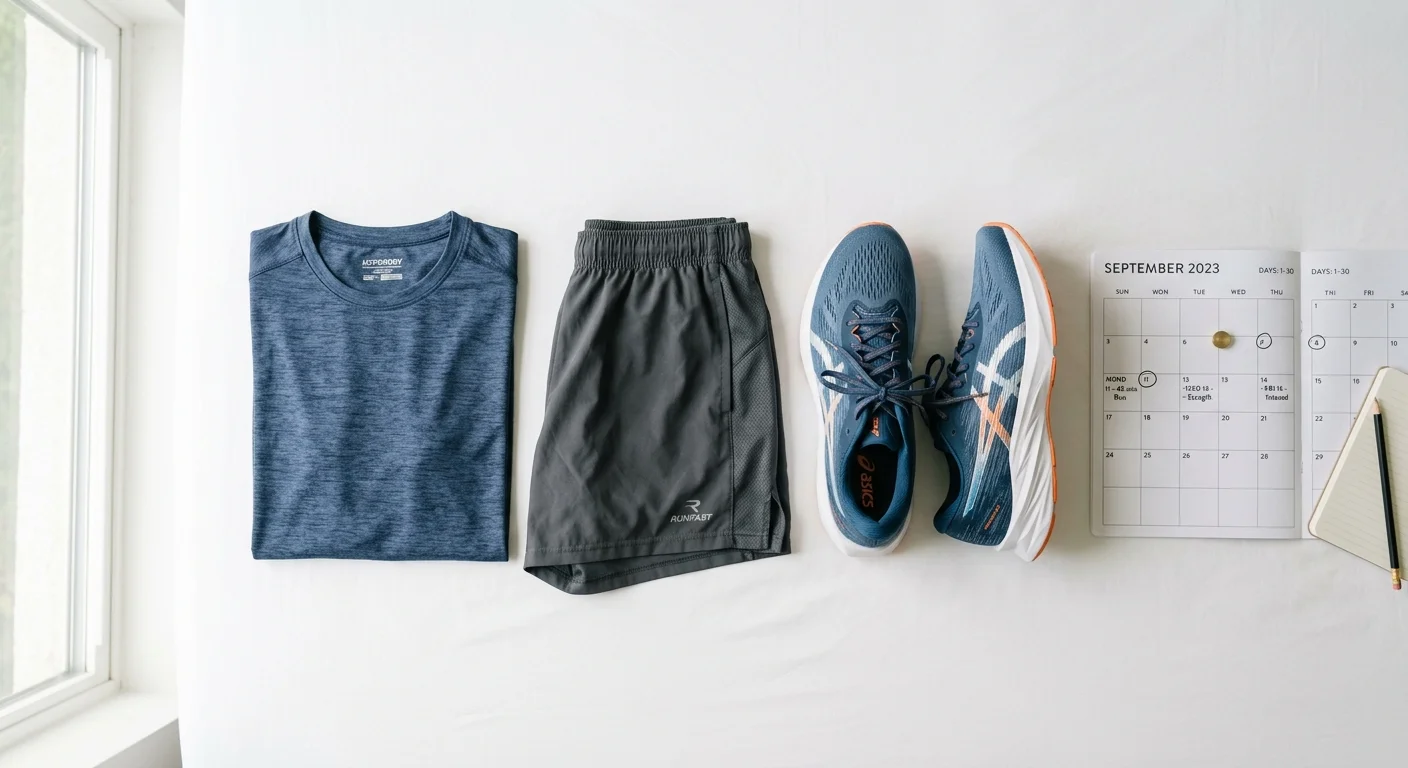
Clothes aren't an afterthought. The wrong fabric ruins a session faster than sore muscles ever will.
The simplest framework: match your gear to your intensity level.
Low-intensity sports (bowling, casual cycling) — soft cotton-blends work fine. Comfort beats performance here. No specialized footwear needed on day one.
Medium-intensity sports (running, pickleball, badminton) — drop cotton. Go with 100% polyester or nylon/spandex blends. These dry in about five minutes post-sweat . That's a big deal at the 20-minute mark of a session. Add moisture-wicking socks too. They're rated 5/5 necessity for runners. They stop blisters and black toenails before those problems even start.
High-intensity sports (basketball, volleyball, soccer) — compression bottoms rated 4/5 cut down muscle vibration and stop chafing. Mesh panels at the back and underarms run 2–3°C cooler than standard fabric. That difference is real.
One universal rule for beginners: skip the knee braces, heart rate straps, and trail backpacks at the start. They're rated 1–2/5 for necessity. Put that budget toward proper shoes and a sport-specific sports bra instead. Both are rated 5/5 — non-negotiable.
A complete starter kit for most sports on this list runs under $50 . Gear doesn't have to be expensive. It just has to work.
FAQ: Your Biggest Beginner Sport Questions Answered
Real questions. Straight answers. No fluff.
What sport should I start as an adult?
Match the sport to how your brain works. Solo-focused? Try running, swimming, or cycling. Want one-on-one competition? Badminton is a great fit. Need people around you to stay motivated? Go with volleyball or basketball. Want the easiest starting point, no matter your personality? That's pickleball. Most beginners are rallying within the first hour.
What's easiest to learn alone?
Running wins, no contest. Zero equipment needed. You can track progress from day one. Cycling and swimming are close seconds. Both reward quiet, self-paced effort — and you never need a partner.
What if I'm out of shape?
Start with low-impact options: pickleball, swimming, or cycling. All three are easy on your joints. No baseline fitness required. They also get harder as you improve, so you won't outgrow them fast. Start with 20–30 minute sessions, two to three times a week. That's enough.
Is there an age limit?
No. Adults from their 20s through their 60s compete in pickleball. The sport moves at your pace — not the other way around.
What if I'm nervous about being judged?
Start solo. Running, cycling, and swimming have zero social pressure during the learning phase. You build confidence at your own speed. Ready to join others? Pickleball communities are known for being open and welcoming. Experienced players enjoy bringing newcomers in — it's part of the culture.
How do I know if a sport sticks?
Try two or three options in your first few weeks. The right one feels less like discipline and more like something you'd do anyway. Still showing up after the novelty fades? That's your sport.
Conclusion
You don't need to be an athlete. You never did.
Every sport on this list was chosen for one reason: it meets you where you are. No prior fitness. No special talent. No steep learning curve. Love the social vibe of a bowling lane? Prefer the calm of an early morning run? Or maybe the satisfying pop of a pickleball paddle is calling your name. Your starting point already exists. You just needed someone to point you toward it.
Here's what's left to do: pick one. Not the "best" one. Not the one you think you should choose. The one that made you think, "Yeah, I could see myself doing that."
That feeling? That's your answer.
Now grab the right gear, lace up, and go show beginner sports what you're made of. Check out berun's activewear collection . You'll find comfortable, performance-ready fits built for every sport on this list. Your first step should feel good — and the right gear makes that happen.
Video Section