Finding the right custom women's golf apparel manufacturer in the UK is harder than it looks. Most brand founders and procurement managers spend weeks going in circles before landing on a supplier worth trusting.
One wrong decision hits fast. You get delayed shipments, uneven stitching on polo shirts, or skirts that fall apart after the first wash.
The stakes are real. Online advice tends to miss the specific demands of women's golf — technical performance fabrics, category-specific fits, and sustainability credentials your customers care about.
This guide gives you a practical, hard-won framework covering polo shirts, pants, and skirts. Use it to cut your vetting time and source with real confidence.
Core Selection Criteria for UK Women's Golf Apparel Manufacturers
Six criteria separate a manufacturer worth your money from one that wastes it. Work through each one before you commit to samples, deposits, or production runs.
1. Fabric Quality and Technical Standards
Women's golf apparel puts more pressure on fabric than most other categories. Your manufacturer needs to show real working knowledge of moisture-wicking polyester blends, 4-way stretch construction, and UV-protective finishes — not just name-drop them on a spec sheet.
Push them on specifics. Ask which fabrics they stock for golf skirts and pants. Ask whether they test stretch retention using ISO 13934-1 standards — the benchmark for measuring max force and elongation in performance fabric. No clear answer? Move on.
Eco-materials are no longer optional. 37% of new women's golf apparel launches now use recycled fabrics. Manufacturers offering certified recycled polyester, abrasion-resistant nylon, or breathable bamboo-viscose aren't chasing trends — they're tracking where the UK market is going. Revenue projections for UK women's golf apparel sit at US$140.2 million by 2030, growing at 6.4% CAGR. That growth runs on sustainability.
2. Women-Specific Fit and Sizing Capability
Generic sportswear manufacturers fall short here. Ladies' sizing isn't scaled-down menswear. A solid women's golf clothing manufacturer builds patterns around women's proportions — hip-to-waist ratios, shoulder width, torso length. They also understand the course-to-clubhouse shift that drives 44% of buyers to wear their golf apparel off-course.
Ask for proof. Request graded size sets, fit samples across at least three sizes, and real buyer feedback from previous women's golf runs. Brands like Lululemon and FootJoy have set the standard — stretch skorts, sleeveless polos, tapered pants. Your manufacturer should know those references without you explaining them.
3. Certifications and Compliance
Two certifications belong on every checklist. Both are non-negotiable:
ISO 9001 — confirms a structured quality management system is in place, not just claimed
BSCI factory audit — checks labor conditions, fair pay, and environmental responsibility through an initial audit plus follow-ups every two years
These aren't paperwork boxes to tick. UK brands sourcing from overseas need BSCI compliance. Without it, supply chain problems can surface fast and hit your reputation hard.
4. MOQ Flexibility and Production Scalability
Low MOQs matter most at the start. A manufacturer that demands 500 units per colorway before you've tested your range is the wrong fit for a growing brand. Look for suppliers who can handle small pilot runs, absorb seasonal shifts, and take on bulk orders — all within the same production relationship.
5. Customisation Depth
Private label golf clothing for women lives and dies on personalisation. Check that your manufacturer handles embroidery, sublimation printing, woven labels, and custom sizing of women's golf apparel as standard workflow — not bolt-on extras. Tech pack support and in-house prototyping show they're built for this work, not just putting up with it.
6. Transparent Supply Chain Documentation
Ask for it upfront. That means certified recycled material sourcing, water-efficient process records, and waste reduction protocols. A manufacturer who can't pull these documents together either doesn't have them or assumes you won't check. Always check.
Ready to Source BSCI-Certified Women's Golf Apparel?
BeRun Sports offers ISO 9001 & BSCI-certified manufacturing with MOQs from 50 pieces. Get your custom quote today.
Product-Specific Customization Points of Women's Golf Apparel
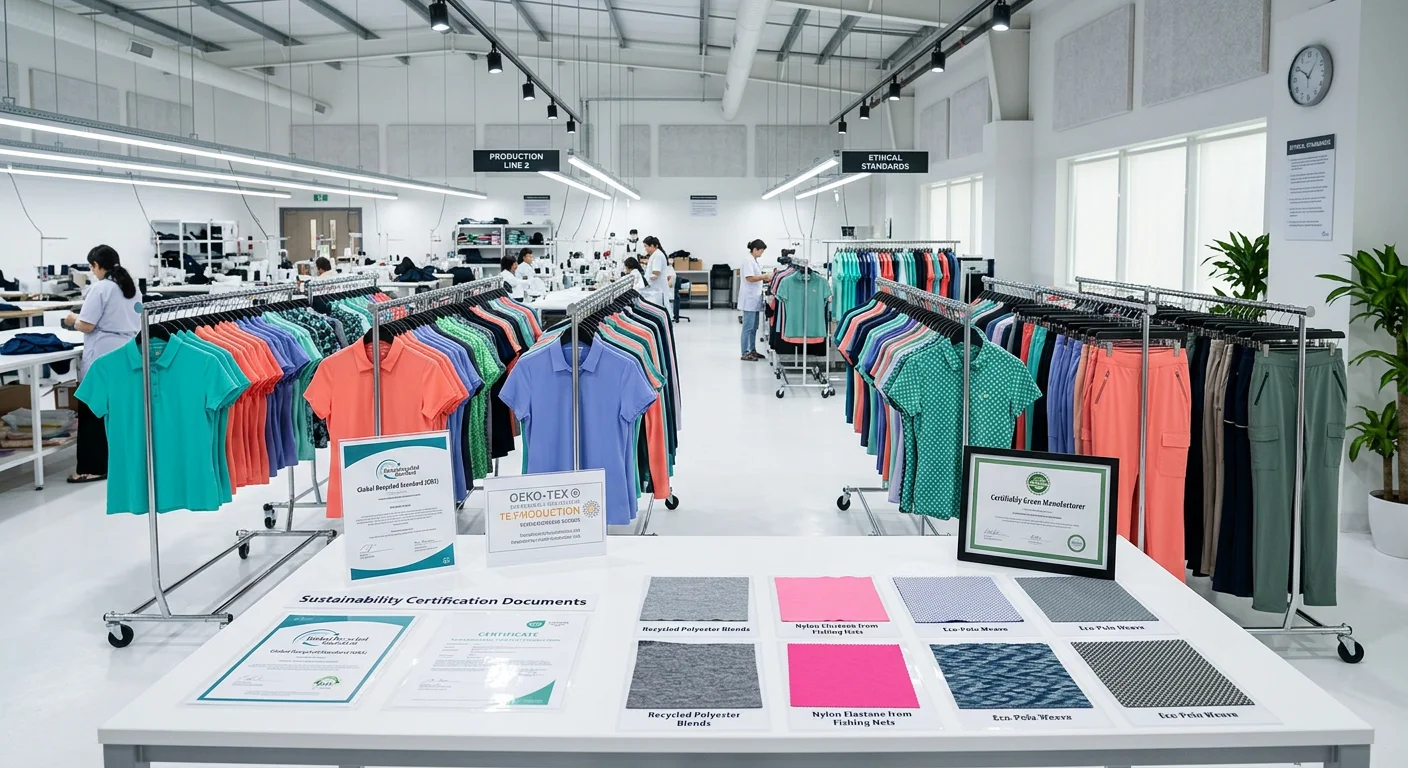
Women's golf apparel is growing 1.5x faster than the men's category. Most of that growth comes from buyers who want something that fits the way they play. That's not a trend. It's a structural shift in the market, and your manufacturer needs to be ready for it.
There are three core categories — polo shirts, pants, and skirts. Each one has its own customization logic. Get specific on what you need from each before you talk to a single supplier.
Polo Shirts: More Variables Than You'd Expect
The polo is the centerpiece of any women's golf kit. It's also where generic manufacturers cut corners most often. Variable sleeve lengths, adjustable necklines, and fitted torso cuts aren't extras — they're the difference between apparel that sells and apparel that sits on the shelf.
Custom embroidered golf shirts for women are one of the most requested features from clubs and private labels. Check that your manufacturer handles monogramming and chest embroidery as in-house work, not outsourced add-ons. Outsourced embroidery means slower turnaround and inconsistent placement.
Ask about fabric build at the polo level. Four-way stretch, moisture-wicking, UV protection, and quick-dry finishes should all come as a standard package. They shouldn't be priced as separate upgrades.
Pants: Fit Is a Technical Problem
Ladies golf pants demand more from a pattern maker than most manufacturers admit. High-waisted cuts, tapered legs, and ergonomic seat shaping all require women-specific block patterns. Adapted menswear templates won't cut it.
Here's a useful data point: data-driven ergonomic fit prototyping accelerates innovation cycles by 25%. Manufacturers using this approach produce pants that move with the body through a full swing. They don't restrict it. Ask suppliers straight out — do they use ergonomic prototyping, or are they still working off legacy patterns?
Skirts: The Category With the Most Moving Parts
Custom women's golf skirts need the most detailed thinking of the three categories. Built-in shorts are non-negotiable — they cover and allow free movement on the course. Silhouette matters too. High-waisted skirts perform well in both the performance and premium lifestyle segments.
Here's a number to keep in mind: personalized embroidery and custom-fit programs reduce online return rates by up to 15% when paired with virtual fitting tools. For brands selling direct-to-consumer, that's a real improvement to unit economics.
The premium segment — exclusivity through personalization, limited drops, digital-first engagement — delivers up to 30% higher customer retention. Your brand is building in that direction? Your manufacturer needs to handle custom colorways of women's golf apparel, custom labeling, and small-batch production without pushback.
Custom Polo Shirts, Pants & Skirts — Starting from 50 Pieces
Women-specific graded patterns, in-house embroidery, and 4-way stretch fabrics. Request samples before committing to bulk production.
Step-by-Step Guide to Choosing a Manufacturer of Women's Golf Apparel
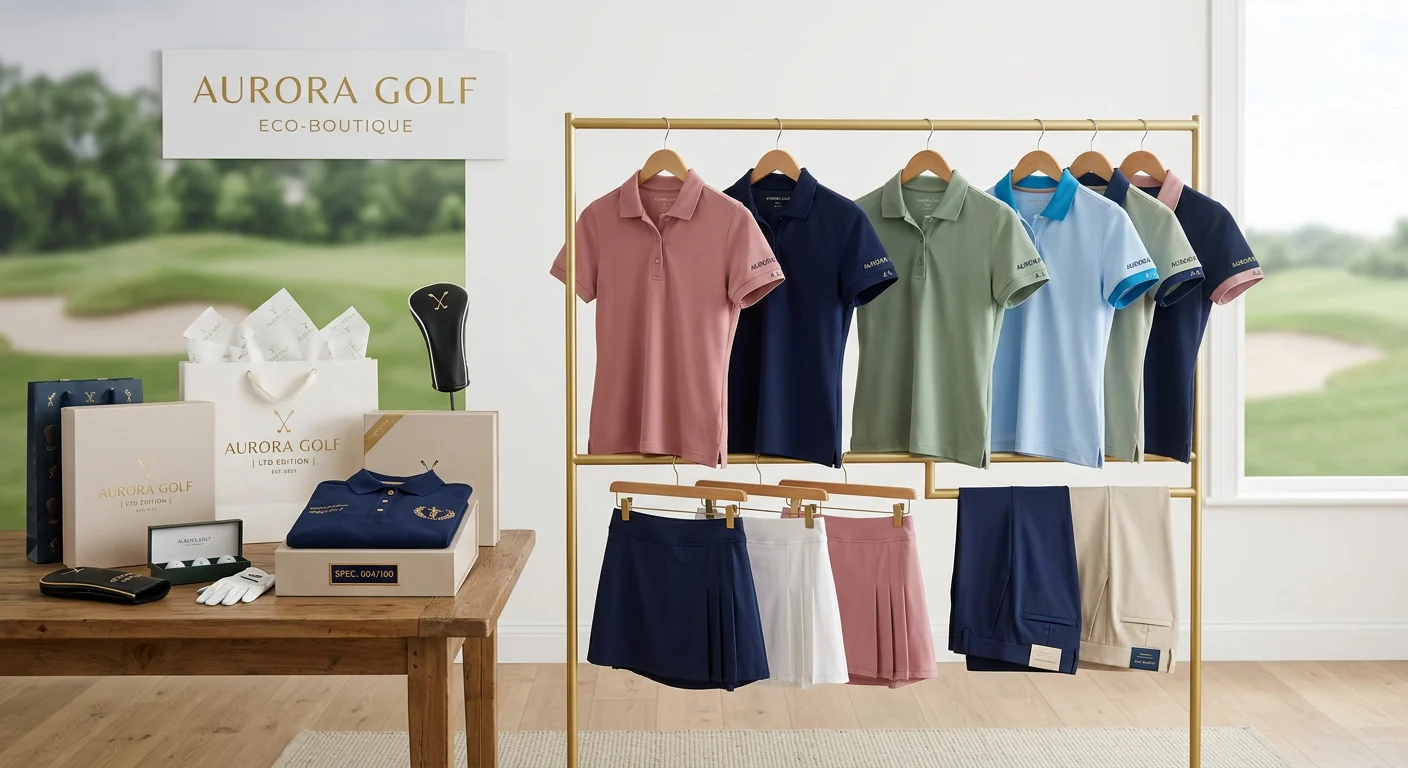
Seven steps. That's all it takes to move from a long list of unknown suppliers to one manufacturer you can build a real brand on.
Step 1: Verify Real Experience in Women's Golf Apparel
Don't accept "sportswear manufacturer" as good enough. You need a supplier with documented case studies in women's golf — country club uniform redesigns, private label polo programs, skort launches for retail. Ask for portfolio evidence. A capabilities list alone tells you nothing.
Check that OEM and ODM capabilities are fully in-house. Embroidery, sublimation, screen printing, heat transfer — all of it should happen under one roof. Outsourcing any part of this adds delays and lets quality slip.
Step 2: Nail Down the MOQ Before You Go Further
For startups and new category launches, 50 pieces per style is the number to hold out for. Above 100 units as a hard minimum? That cuts off your ability to test, adjust, and reorder with confidence. A manufacturer who won't budge on MOQ at the start is showing you how they'll operate down the line.
Step 3: Test Fabric Claims Against Actual Specs
Push for measurable performance data. Here's what to look for:
Moisture-wicking that delivers 5 degrees cooler skin temperature
SPF 35-50 UV protection, verified by AATCC 183
Confirmed 4-way stretch across the full size range
Polyester-spandex blends are the baseline. Graphene-infused fabrics sit at the top of performance right now.
Step 4: Audit the Quality Control Infrastructure
In-house inspection is non-negotiable. Your checklist should cover:
ISO 13934 tensile testing
AATCC 183 UV compliance
BSCI audit certification
Run a physical check on fit, finish, and function. Test sample polos, pants, and skirts — not just one item.
Step 5: Map the Full Manufacturing Process
Trace it from start to finish: fabric sourcing to technical pattern making to prototype development to bulk production. Gaps in this chain — at the pattern-making stage — lead to inconsistent fit across sizes. That inconsistency hits you through returns, reorders, and lost trust.
Step 6: Weigh Domestic Against Overseas Sourcing
The trade-off is clear. Domestic UK manufacturing gives you faster turnaround and easier communication. The cost per unit runs higher. Overseas production — from established golf apparel OEM suppliers — brings lower pricing. The managed risks are longer lead times and quality variation.
Watch for these red flags in overseas suppliers of women's golf apparel:
Slow or evasive replies during sampling
No dedicated QC team on-site
No women's-specific fit documentation available
Step 7: Lock In Sustainability Before Bulk Production
Recycled polyester and organic cotton blends are no longer extras — buyers expect them. Confirm material certifications before you commit to a bulk run. A manufacturer who can't show sourcing documentation for eco-materials will become a problem you have to explain later.
Quick-Reference Benchmarks
| Criteria | What to Require |
|---|---|
| UV Protection | SPF 35-50, AATCC 183 verified |
| Minimum MOQ | 50 pieces per style |
| Stretch Standard | 4-way, ISO 13934 tested |
| Certifications | BSCI + ISO 9001 |
| Fit Documentation | Women's-specific graded patterns |
Verification Methods
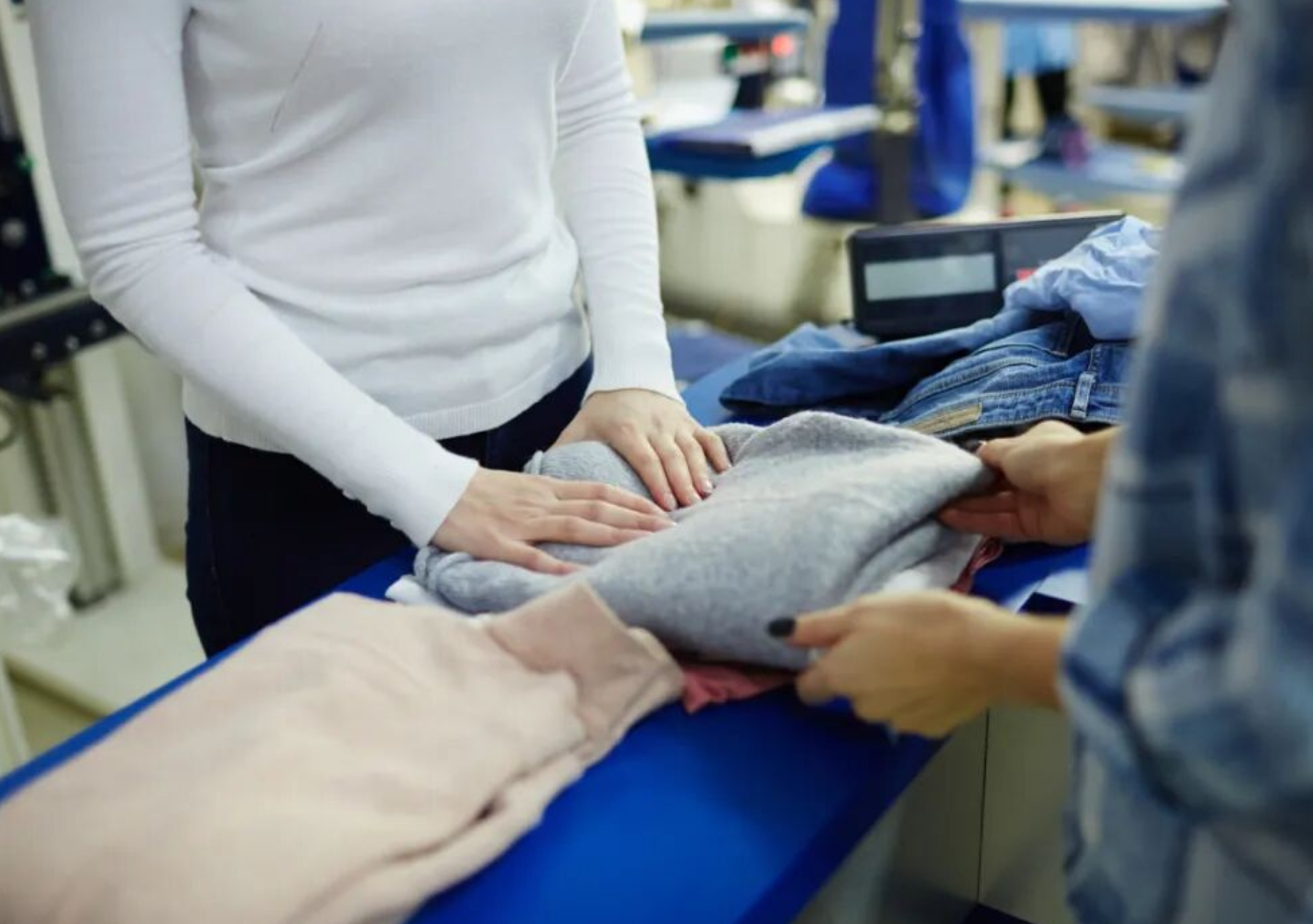
Paperwork is easy to fake. A slick website and a well-formatted capabilities deck tell you almost nothing about what a manufacturer can deliver. The real test? Ask them to prove it.
Here's how to verify a manufacturer's claims before you commit a single pound to production.
Request Physical Samples — Then Test Them
Samples are your first real data point. Order polo shirts, pants, and skirts as separate items. Don't just look at them — stress them.
Run the fabric through moisture-wicking and UV protection checks. Confirm AATCC 183 UV compliance through your own testing. Pull at the seams. Wash the sample twice and inspect the finish. A polo that holds its shape after two washes tells you more than any spec sheet the manufacturer sends you.
Check embroidery placement on at least three identical samples. Consistent placement across all units shows whether embroidery is done in-house or handed off to a third party.
Ask for Certification Documents Up Front
Don't accept a summary. Request the full certificates:
ISO 9001 — full certificate with scope and audit date
BSCI audit report — not just a pass/fail confirmation. You want the full report showing follow-up frequency and any flagged corrective actions
Recycled material sourcing documentation — chain-of-custody certificates, not marketing copy
A manufacturer who hesitates, hedges, or sends a brand brochure instead of documents? That's your answer right there.
Verify Fit Infrastructure with Specific Questions
Ask whether they use women-specific graded pattern blocks — not adapted menswear templates. Find out which sizes they've produced in women's golf categories before. Request graded fit samples across at least three size points.
A manufacturer with real experience in women's golf apparel can answer these questions without hesitation.
Cross-Reference Before You Commit
Call their references. Ask about on-time delivery rates, how QC issues got resolved, and whether MOQ commitments held through reorders. One real conversation with a previous buyer beats a dozen five-star testimonials on a supplier's homepage.
Common Pitfalls & Avoidance

Sourcing mistakes in this category start small. Then they pile up fast.
Brand founders and procurement managers hit the same walls during vetting. Here's where things break down — and how to stay ahead.
Ten years in generic activewear does not qualify a manufacturer to produce women's golf polo shirts, pants, or skirts. Women's golf has its own fit structure, technical fabric standards, and style requirements. Ask for documented women's golf work — not a general portfolio. A broad catalog proves nothing here.
Clean photos tell you nothing about real performance. Run two wash cycles. You'll see how the fabric holds color, how seams handle stress, and whether moisture-wicking finishes hold up. Skip this step and the problems show up after bulk production — not before. That's an expensive place to find out.
High MOQ quotes are often a default position, not a firm limit. Push back. Buyers who don't negotiate leave money and flexibility on the table. A supplier who won't talk pilot run quantities up front will be hard to work with later — especially once you need to scale or adjust styles.
"Eco-friendly" with no paperwork is just a marketing line. Ask for chain-of-custody certificates on any recycled materials. No documentation means the claim carries no weight. Don't accept vague language as proof.
The lowest quote skips over rework costs, delayed shipments, and fit corrections. Factor in total landed cost — quality failures included — before making a final call. The cheapest option up front often costs the most by the end.
Recommended Next Steps

You've done the research. Now make it count.
A solid vetting framework is one thing. Finding an actual production partner is another. The difference? Moving with clear purpose. Here's how to keep that momentum going.
Start with three supplier approaches this week. Not ten. Pick three manufacturers who meet your minimum criteria — fabric standards, MOQ flexibility, and certifications. Send a clear brief. Include category, target volume, fit requirements, and sustainability expectations. Vague enquiries get vague responses.
Order samples before any commercial conversation goes further. Run the wash test. Check embroidery consistency. Pull the seams. Let the product tell you what the sales deck won't.
Set a decision deadline. Give yourself four weeks from first contact to shortlist. No hard date means the process drifts — and so does your launch window.
Need a custom women's golf apparel manufacturer ? berunclothes.com carries verified BSCI certification, women-specific fit capability, and MOQs starting from 50 pieces. Bring your spec sheet. They'll know exactly what to do with it.
Conclusion
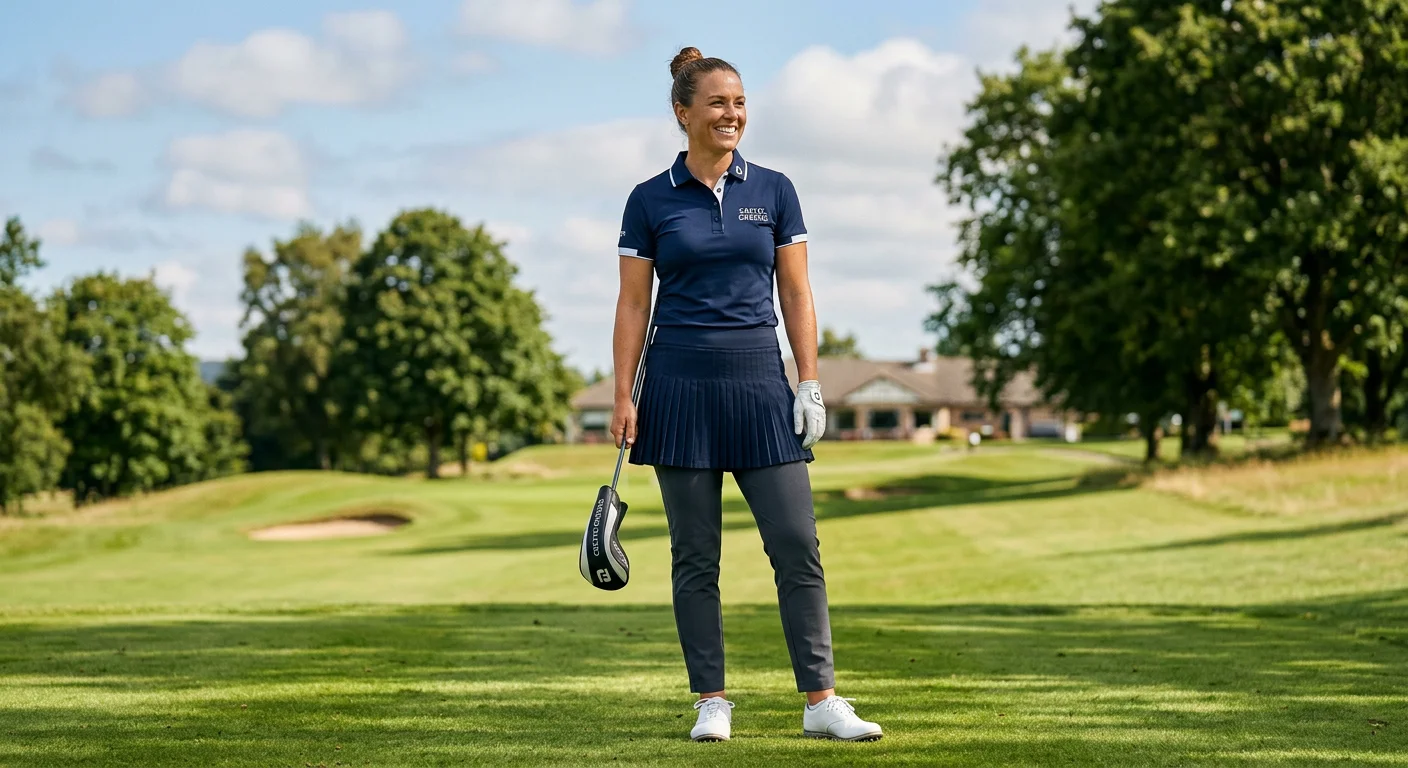
Picking the right custom women's golf apparel manufacturer in the UK shapes your brand — not just your supply chain. Get it right, and every polo shirt, performance pant, and golf skirt becomes something your customers are proud to wear on the course. Get it wrong, and you face expensive sampling rounds, late deliveries, and quality disputes that eat into your margins.
This guide gives you a clear framework — something most buyers don't have before entering negotiations. You know what to audit, what to ask, and which red flags mean it's time to walk away.
Your next step is straightforward:
(1) Shortlist two or three women's golf apparel manufacturers that meet your MOQ requirements
(2) Check their fabric standards and certification benchmarks
(3) Request samples before committing
Don't guess. Test.
At Berunclothes, we work with golf brands and buyers who are serious about quality and ready to build. Start your custom enquiry today — bring your brief, and let's make something worth wearing.
Video Guide
Start Your Custom Women's Golf Apparel Project
BSCI-certified, women-specific fit patterns, MOQ from 50 pieces. Send us your tech pack or brief and get a response within 24 hours.