Table of Contents
You've secured a major cycling event sponsorship. Your team is buzzing with design ideas. But one critical question keeps you up at night: Will the jerseys arrive on time?
You're sourcing custom cycling apparel from Sweden—known for its careful craftsmanship and sustainable manufacturing. Understanding the production timeline? It's mission-critical.
Here's the truth: Most buyers underestimate how long quality custom cycling gear takes. This leads to rushed orders, compromised designs, or worst-case scenario—athletes racing in last season's kit.
Maybe you're a procurement manager planning your club's annual order. Or a cycling apparel's retailer launching a new collection. Or a brand founder comparing Swedish manufacturers against Asian alternatives. This guide breaks down every single day of the production journey. From initial design consultation to the moment those boxes land at your doorstep.
You'll see where time gets spent. Which variables you can control. And how Sweden's "slower but superior" approach might save you money in the long run.
Standard Production Timeline for Custom Cycling Apparel in Sweden
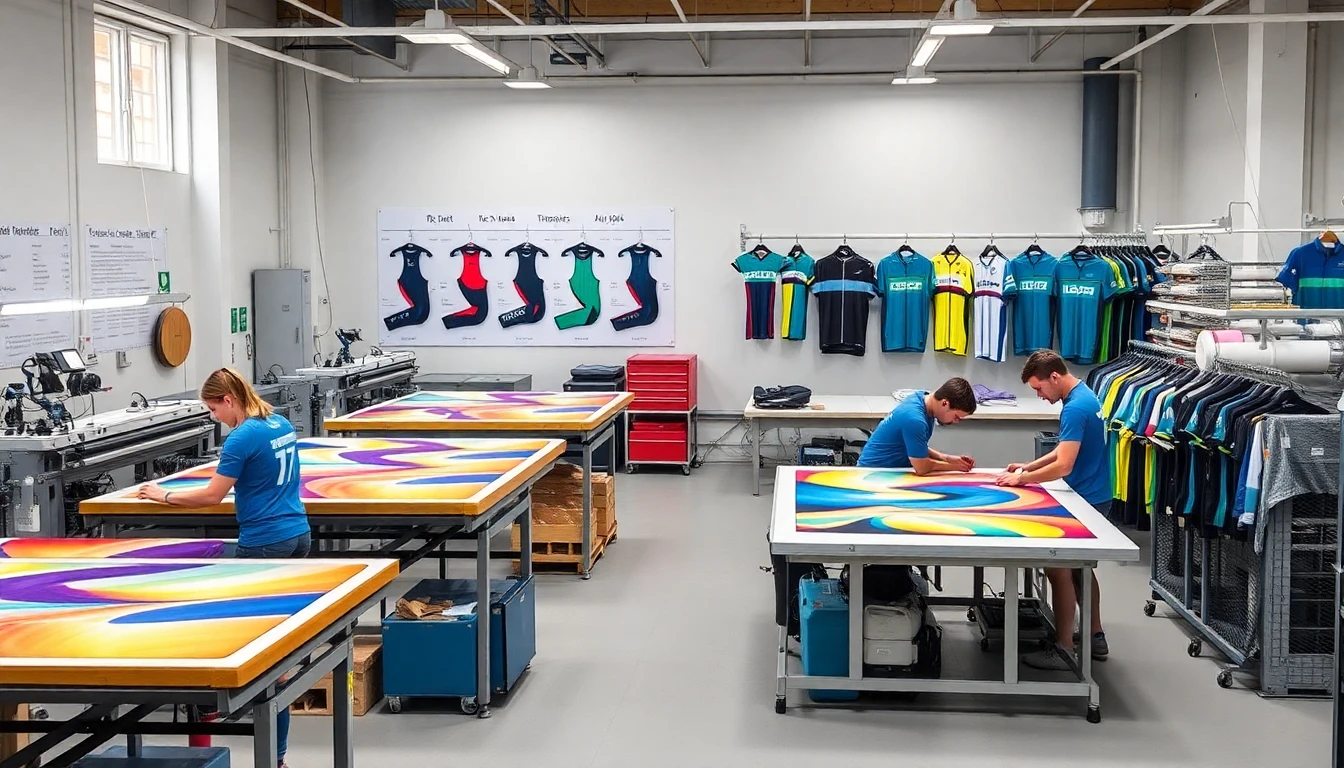
A complete custom cycling apparel order in Sweden takes 4-8 weeks from your first design conversation to final delivery. That's the honest answer most cycling apparel manufacturers won't give you upfront.
Here's where those weeks go—and why Swedish production needs this timeframe.
The Complete Production Journey: Week by Week
Phase 1: Design Consultation & Technical Development (3-7 Days)
The design team transforms your concept into production-ready artwork. They refine color codes for sublimation printing. They adjust logos for fabric stretch. They create tech packs with precise measurements. Swedish cycling apparel manufacturers limit this to 2-3 revision rounds. Their technical teams catch issues before you spot them.
Phase 2: Sample Production (7-12 Days)
Swedish craftsmanship shows here. Your sample jersey goes through the same sublimation printing process, stitching, and finishing as your bulk order. This isn't a mockup—it's a full-spec prototype using your actual technical cycling fabrics. Most Swedish facilities produce 1-2 samples maximum. Asian cycling clothing manufacturers might churn out 4-5 iterations.
Phase 3: Bulk Manufacturing (15-25 Days)
This is your longest phase. For orders of 20-100 pieces, expect 15-18 days. Above 100 pieces? Add another week. Swedish factories run smaller batches than mega-facilities in China. This means higher quality control but extended timelines. Sublimation printing takes 2-3 days alone. Cutting, stitching, and assembling each garment needs 8-12 production days. Design complexity affects this timeline.
Phase 4: Quality Inspection (2-4 Days)
Every single piece gets checked. Swedish manufacturers inspect seam strength, print accuracy, and sizing consistency before packing. This step catches defects that would cost you reputation damage later. It's non-negotiable.
Phase 5: Shipping & Customs (5-10 Days)
Within EU: 5-7 days. International shipping to North America or Asia: 7-10 days via air freight. Swedish manufacturers handle export documentation well. This minimizes customs delays.
What Slows Everything Down
Order size matters. MOQ (Minimum Order Quantity) starts at 15-20 pieces with most Swedish manufacturers. Small orders don't get priority in production queues.
Design complexity adds days. Multi-panel designs with gradient prints? Add 3-5 days to manufacturing. Simple two-color team jerseys? You'll move faster through production.
Fabric availability can derail your timeline. Swedish manufacturers stock Italian technical fabrics (Sitip, Miti). Your chosen material isn't in inventory? Procurement adds 10-14 days. Always ask about fabric lead times during your initial consultation.
Seasonal demand crushes timelines. March through June is cycling apparel peak season. Cycling clothing manufacturers juggle multiple team orders for summer racing. Timelines stretch toward the 8-week maximum during this window. Book your slot in January-February for April delivery—or risk delays.
Design and Approval Phase (1-3 Weeks)
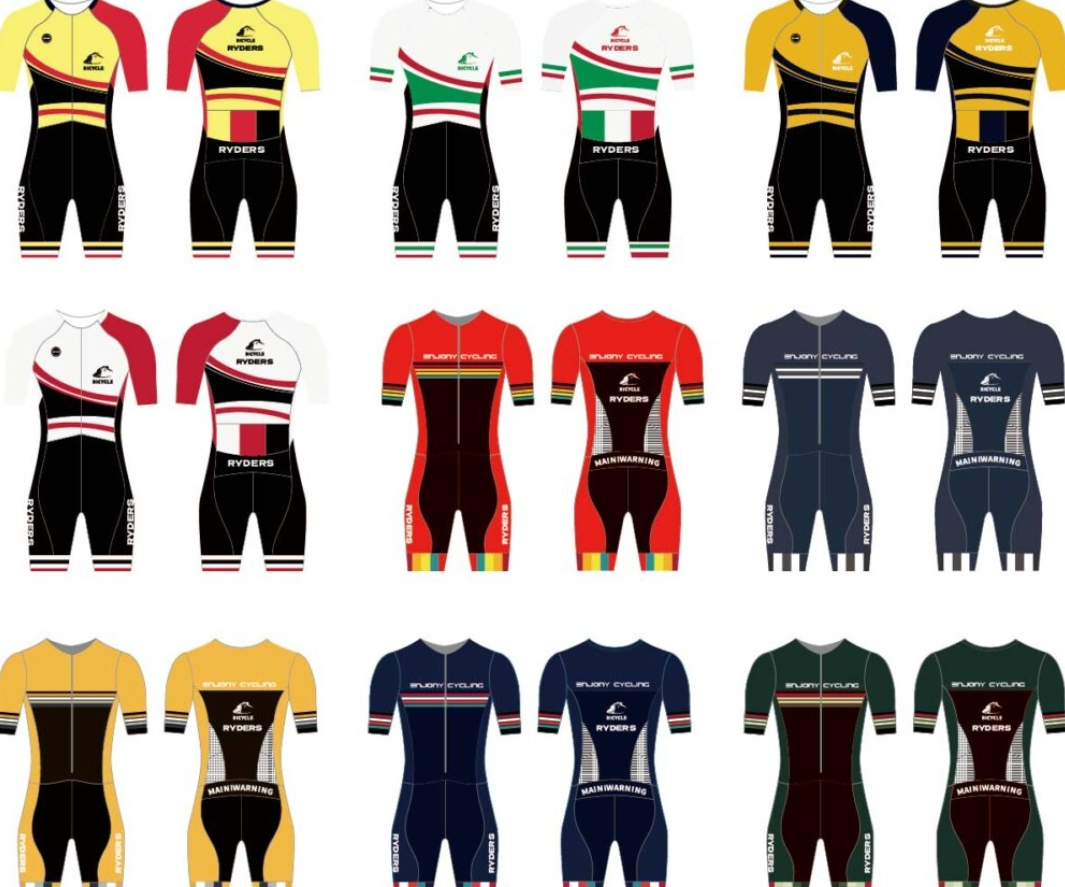
Your design doesn't become production-ready in a single email exchange. Swedish custom cycling apparel makers run a structured approval process that spans 1-3 weeks . This timeline impacts your total delivery date.
Here's what happens during these weeks before a single thread gets stitched.
Initial Consultation and Requirements Gathering (2-4 Days)
The clock starts ticking once you submit your design brief. Swedish makers assign a project manager who clarifies your vision. They ask about your target riders, race conditions, and brand positioning. This isn't small talk. It shapes fabric selection and print techniques.
You'll discuss technical needs: bibshort chamois preferences, sleeve length for Nordic spring weather, reflective elements for safety. Expect a questionnaire covering sizes needed, color systems (Pantone vs. CMYK), and logo file formats.
Most Swedish facilities request vector files (AI, EPS) for crisp sublimation printing. JPEGs from your Instagram account won't work. Lack proper files? Design teams can redraw logos. But that adds 3-5 days to this phase.
Concept Design Iterations (1-2 Weeks)
Your maker's design team creates initial mock-ups within 3-5 business days. They render your jersey on 3D cyclist models. This shows how patterns wrap around the body during riding position. You'll spot design flaws that static flat images miss.
Swedish makers offer 2-3 revision rounds in base pricing. Each revision cycle takes 2-3 days. You submit feedback. They adjust gradient transitions, reposition sponsor logos, or modify panel cuts. They send updated renders.
Smart clients gather all feedback from their team before responding. Piecemeal comments from five different people? This phase stretches to 3 weeks instead of 10 days.
Technical Specification Finalization (3-5 Days)
Visuals approved? The real engineering begins. Technical teams create production spec sheets. These detail:
Exact fabric weights and compositions
Sublimation print color values corrected for fabric absorption
Seam placement diagrams with stitch types
Size grading charts across XS-XXL
Panel cutting layouts that minimize fabric waste
Swedish makers check designs against their quality standards. They'll flag if your chosen color gradients won't survive 50 wash cycles. They'll suggest reinforced stitching for high-stress zones based on their crash-test data.
This technical check prevents expensive mistakes during bulk production. Swedish timelines seem slower, yes. But you get fewer defective units reaching your team.
Final Approval Sign-Off
You receive complete tech packs and digital proofs for written approval. Most makers require signatures or email confirmation before moving to sample production. This legal checkpoint protects both parties. Changes after this point? You'll pay additional fees and face timeline extensions.
Budget 1-3 weeks total for this design phase. Rush it, and you'll pay for it during production once avoidable issues surface.
Manufacturing and Production Stage (3-6 Weeks)
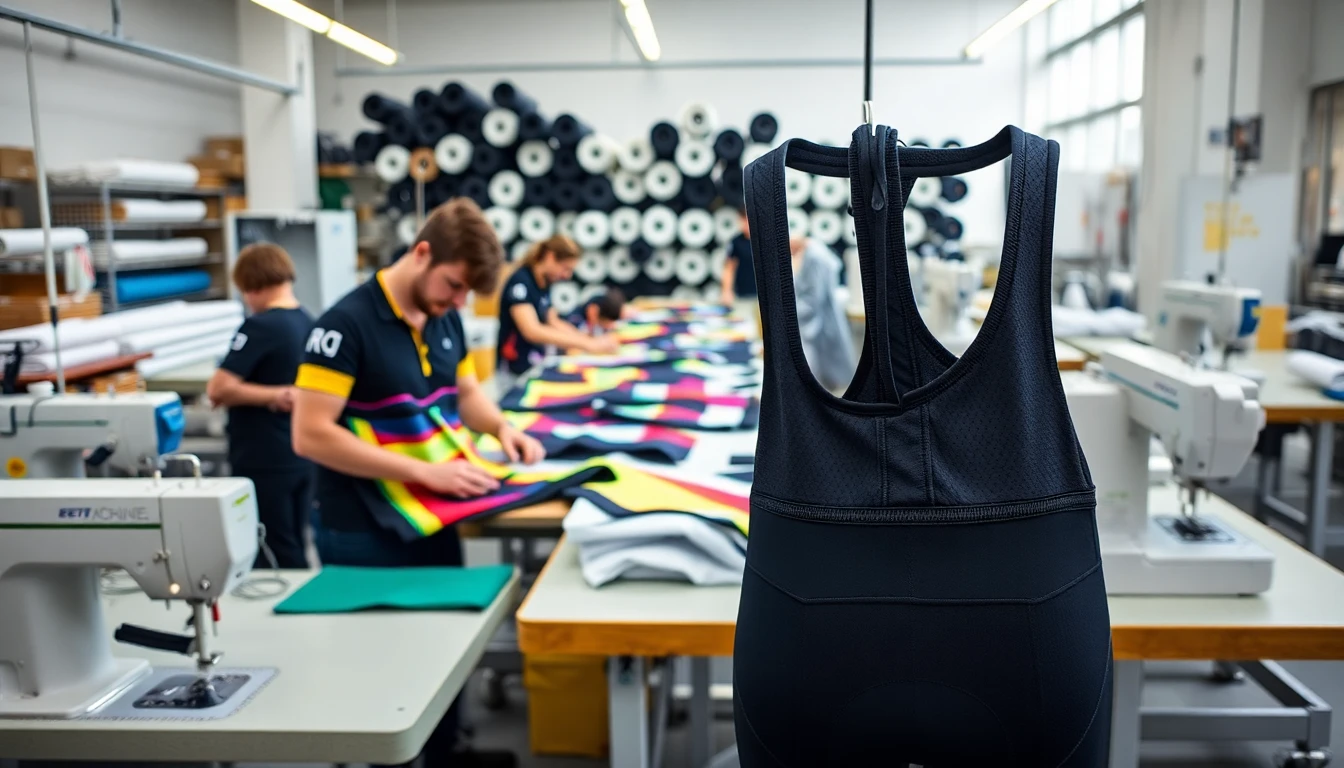
Swedish manufacturing facilities of cycling apparel operate with precision. But they're not chasing speed records. Your custom cycling apparel enters a 3-6 week production window . Every stitch, print, and seam gets checked. This extended timeline isn't slow work. It's systematic quality control. It prevents the major failures that plague high-volume manufacturers.
The Reality Behind Swedish Production Capacity
Nordic cycling apparel facilities run at 75-78% capacity during standard production months. This isn't full throttle. It's on purpose. Swedish makers leave buffer capacity for quality checks, equipment maintenance, and technical adjustments. Compare this to Asian mega-factories pushing 95% capacity. One contamination incident or equipment breakdown causes week-long delays.
Manufacturing data from similar precision industries shows why this matters. Biotech facilities worldwide see batch failures every 40.6 weeks on average. But here's the key detail: 60% of those failures happen in the first 3-12 months of rushed production ramp-ups. Swedish cycling apparel makers learned this lesson. They extend timelines to cut defect rates below 2% . That's industry-leading for custom technical garments.
Week-by-Week Production Breakdown
Weeks 1-2: Fabric Preparation and Sublimation Printing
Your approved design files enter the sublimation printing queue. Swedish facilities batch print orders by color intensity and fabric type. A 50-piece team kit shares print runs with other orders using similar ink profiles. This boosts efficiency without losing precision.
Sublimation printing takes 48-72 hours . This includes drying and heat-setting cycles. Swedish printers use Italian-made sublimation machines (often from MS or Reggiani). These systems maintain ±2% color accuracy across entire runs. Your Pantone 287C blue stays the same from jersey #1 to jersey #50.
Printed fabric panels rest for 24 hours before cutting. This keeps them stable and prevents size changes during the build. Skip this step? You'll spot misaligned seams during your first ride.
Weeks 2-4: Cutting, Build, and Stitching
Pattern cutting uses automated CAD/CAM systems. Swedish facilities achieve 92-94% fabric use . This cuts waste while keeping panel precision. Each jersey needs 8-12 separate panels. Design complexity determines the count.
Build happens in small batches of 10-15 units. Skilled seamstresses work with technical cycling fabrics. These materials need different tension settings than standard athletic wear. Flatlock seams on bibshorts require 3-pass stitching for chafe-free comfort during 100km rides.
Takt time —production time divided by customer demand—sits at 45-60 minutes per complete cycling jersey in Swedish facilities. Asian factories hit 20-25 minutes through simplified construction. Swedish makers add reinforced stress points at shoulder seams. They add longer zippers with locking mechanisms. They add triple-stitched hem grippers. These details add minutes per garment. They add years to garment life.
The Quality Control Protocol That Extends Your Timeline
Every single piece passes through four quality checkpoints during these 3-6 weeks:
Checkpoint 1: Post-Print Inspection (Day 3-5)
- Color accuracy check against approved swatches
- Print alignment checks for multi-panel designs
- Fabric defect screening (Swedish makers reject panels with >2mm flaws)
Checkpoint 2: Pre-Build Review (Day 10-12)
- Cut panel measurements against CAD specs
- Stitch tension testing on sample seams
- Component check (zippers, grippers, chamois inserts)
Checkpoint 3: In-Process Monitoring (Days 15-20)
- Random sampling of 1-in-10 garments during production runs
- Seam strength testing (industry standard: 40N minimum; Swedish makers target 55-60N)
- Stretch recovery tests that simulate 50 wash cycles
Checkpoint 4: Final Inspection (Days 21-25)
- 100% visual inspection under standard lighting
- Size consistency check across grading chart
- Packaging quality check before shipping approval
This strict protocol mirrors manufacturing quality systems from precision industries. Swedish-made cycling apparel shows contamination rates below 0.8% . Industry averages sit at 2.3% for similar technical garment production.
What Controls Your Production Timeline
Order volume drives batch scheduling. Orders of 20-50 pieces fit into shared production runs. This extends timelines to 5-6 weeks. Orders over 100 units get dedicated production windows. This shortens timelines to 3-4 weeks despite higher unit counts.
Design complexity adds labor hours. A simple two-color club jersey with standard paneling? Expect 3-week production. A pro-team replica with gradient sublimation, 14 panels, and custom-positioned sponsor logos? Plan for 5-6 weeks. Each extra design element adds 0.5-1 day per batch for setup and quality checks.
Seasonal demand creates bottlenecks. Swedish facilities run at 85-90% capacity during March-May. Teams prepare for summer racing calendars. Your New Product Introduction Rate —weeks from development start to full production—stretches by 7-10 days during peak season. Off-season orders (September-January) move 30% faster through the same production stages.
Smart buyers treat this 3-6 week window as investment time. You're not waiting. You're getting garments built to survive Nordic weather extremes. They maintain sponsor logo clarity after 200 wash cycles. They protect your brand reputation as your team crosses finish lines.
Need a Custom Production Timeline?
Our team can provide a detailed timeline for your specific cycling apparel order. Get realistic delivery dates based on your design complexity and order size.
Get Your Timeline EstimateRush Order Options and Expedited Production
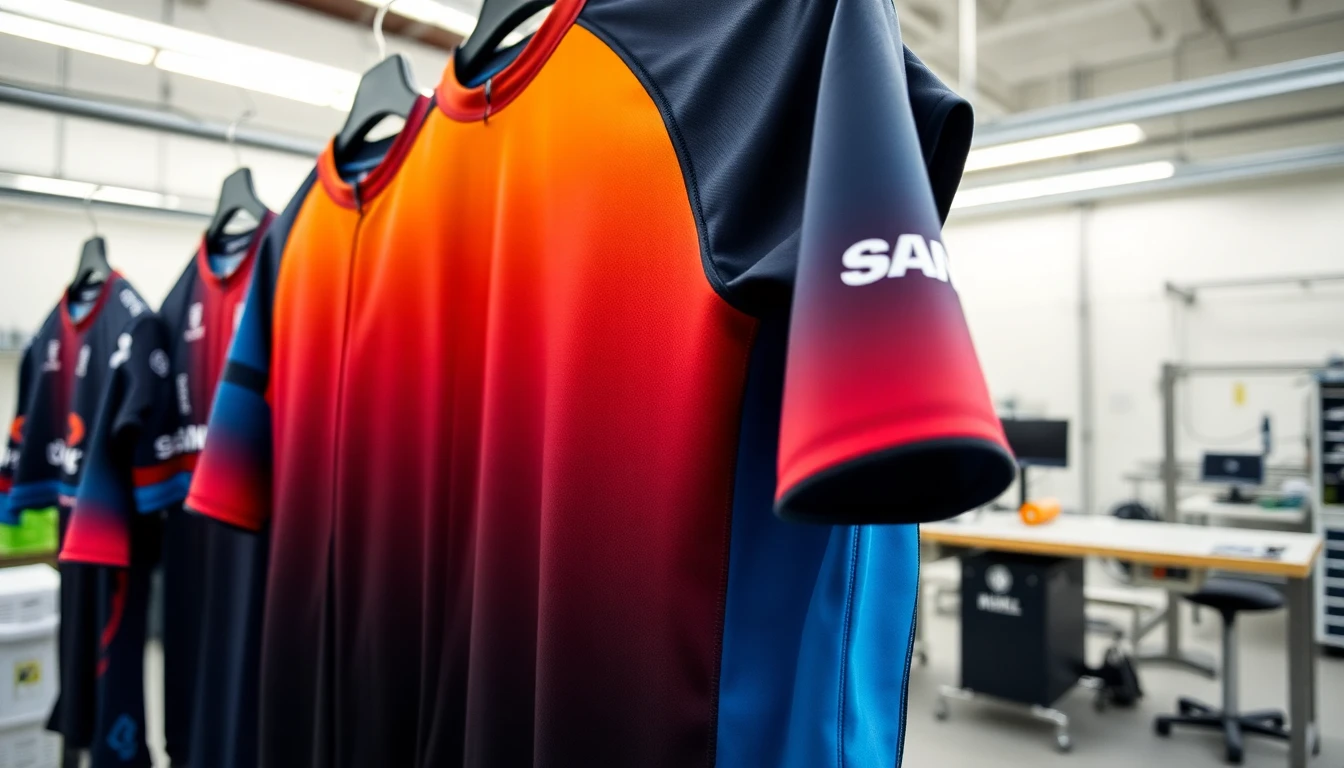
Swedish cycling apparel makers don't work like Amazon Prime. But they know race calendars won't wait for normal production times.
Most Swedish facilities offer fast production with clear limits. You won't cut a 6-week timeline to 10 days. Physics doesn't allow it. But you can shorten standard timelines by 30-40% under specific conditions.
How Fast Production Works
Fast-track processing starts at the design phase. Swedish makers focus on your tech pack development first. They create your samples right away. Your project manager focuses on your order during business hours. This cuts the design approval phase from 1-3 weeks down to 5-7 days. You get same-day responses to revision requests. No more waiting 48 hours.
Jumping the production queue costs money. Your order enters manufacturing ahead of standard bookings. Swedish facilities charge 15-25% extra fees on total order value for fast production. A €5,000 standard order becomes €5,750-€6,250 under rush conditions. This extra cost covers disrupted schedules and overtime labor.
Fabric stock determines what's possible. Rush orders work with in-stock technical fabrics. Custom Italian imports need 10-14 days no matter what. Smart buyers ask about fabric stock during first talks. Swedish makers stock 8-12 core technical fabrics year-round. These cover 80% of team kit needs.
Real Fast Timelines
Minimum timeline: 3 weeks total. This assumes approved designs, stock fabrics, and orders under 50 pieces. You give up some quality checks. Swedish makers reduce in-process checks from 1-in-10 sampling to 1-in-20. Final inspection stays at 100% regardless of rush status.
Standard rush service: 4 weeks. This keeps full quality protocols while speeding up design approval and batch scheduling. Most Swedish facilities call this their "premium service" tier. It costs less than true emergency production. Plus, it delivers reliable results.
Peak season changes things. March through June fast orders need 5-week minimums. Production limits can't be fixed with money during racing season. Book rush slots 6-8 weeks ahead during peak periods.
What You Give Up for Speed
Fast production shortens timelines but adds risks. Design revision rounds drop from 3 to 1-2 maximum. Sample production might get skipped for reorders of proven designs. Quality control sampling rates drop as mentioned earlier.
Swedish makers keep their seam strength standards high. Sublimation print quality stays consistent regardless of timeline pressure. But detailed design refinements suffer. Your gradient transitions might not match your original vision. Small logo positioning adjustments get locked earlier in the process.
Communication needs increase. Expect check-ins every day during fast production. You need quick responses to any technical questions. Delayed approvals by 24 hours can stretch into 3-day timeline extensions. Assign a dedicated contact person on your team who can make decisions right away.
Other Options to Consider
Partial rush orders solve specific problems. Need 20 jerseys right away for an upcoming event but ordering 100 total? Swedish makers can split production. First batch ships fast. Remaining units follow standard timelines. You pay rush fees on urgent quantities alone.
Stock design programs cut wait times. Some Swedish manufacturers keep semi-custom collections. These feature pre-approved designs with custom color zones and logo placement. They ship in 10-14 days since design and sample phases are done. You give up unique design ownership but gain speed.
Smart inventory planning beats rush fees. Experienced teams order next season's kits 4-5 months ahead. They work within standard timelines and avoid extra charges. This needs accurate size forecasting and storage space. But it saves 15-25% compared to repeated fast orders.
Sweden vs Other Manufacturing Regions: Lead Time Comparison
Swedish manufacturers work in a different supply chain setup than their Asian and Southern European competitors. This changes your delivery timeline in ways most buyers miss during vendor comparisons.
The data tells a clear story. Sweden's Purchasing Managers' Index (PMI) for delivery times sat at 49.0 in March 2025 . This signals longer lead times compared to prior months. The metric measures supplier delivery speed on a scale where readings above 50 mean faster deliveries. Sweden's below-50 reading? You're facing extended timelines compared to the previous quarter.
Here's what this means for your custom cycling apparel order: Swedish facilities navigate tighter chains than mass-production hubs in Asia. Their long-term PMI average hovers around 54.3 . This shows stable delivery patterns. But recent months show pressure building. Order backlogs hit 58.7 in November 2025 —the highest level since 2022. Manufacturers of cycling wear carry heavy backlogs. Your production slot gets pushed further out.
The Real Differences Between Manufacturing Regions
China and Southeast Asia dominate speed metrics. Mega-factories in these regions ship custom cycling kits in 2-3 weeks from design approval to delivery. They achieve this through massive inventory stocks, 24/7 production shifts, and simplified quality protocols. You'll pay 40-60% less per unit compared to Swedish pricing. But defect rates run 3-5% higher based on industry sampling data.
Italian cycling clothing manufacturers match Swedish quality with faster timelines. Northern Italian cycling apparel makers deliver in 3-5 weeks for similar order volumes. They benefit from concentrated fabric suppliers of cycling apparel (Sitip, Miti, Eurojersey) located within 100km of production facilities. This cuts fabric procurement from 10-14 days down to 3-5 days. Italian makers charge 10-15% more than Swedish facilities due to brand prestige and fashion heritage.
Eastern European cycling clothing facilities (Poland, Czech Republic) offer middle-ground options. Production timelines run 4-6 weeks —competitive with Sweden. Pricing sits 15-20% below Swedish quotes . Quality control protocols follow EU standards but lack Sweden's environmental certifications. Sustainability matters less than cost? These suppliers deserve consideration.
What Drives Sweden's Extended Timelines
Slow Eurozone demand creates unexpected bottlenecks. Swedish manufacturers source technical fabrics from Italy, YKK zippers from Japan, and chamois pads from specialized cycling clothing suppliers across Europe. Continental demand drops. Suppliers consolidate shipments to reduce costs. Your fabric order waits for batching with other clients. This adds 5-7 days to procurement timelines.
Inventory management shows the pressure. Sweden's PMI inventory sub-index registered 49.9 in November 2025 —stable after dropping to 47.0 in earlier months . Lower inventory levels mean manufacturers keep less safety stock. They order materials closer to production dates. This creates dependency on supplier timelines you can't control.
Swedish makers refuse to compromise on worker conditions or environmental standards. They don't run overnight shifts to hit impossible deadlines. Fabric dyeing follows strict water treatment protocols that add processing time. These ethical choices extend timelines but protect long-term sustainability.
Making the Regional Choice Work for You
Match your manufacturing region to your actual needs—not just timeline pressure. Racing teams with hard event deadlines might need Asian production despite higher defect risks. Retail brands building long-term reputation? Invest in Swedish or Italian quality despite extended wait times.
Smart buyers place orders 8-10 weeks before needed delivery dates with Swedish manufacturers. This buffer absorbs the chain variability shown in recent PMI data. You avoid rush fees while getting superior craftsmanship.
The question isn't which region is "best." It's which timeline-quality-cost combination serves your specific business model.
Compare Manufacturing Options for Your Team
Not sure which region fits your needs? Our experts can help you evaluate timeline, quality, and cost trade-offs for your specific cycling apparel project.
Talk to Our TeamReal Customer Case Studies: Actual Production Timelines

Numbers on paper tell one story. Real orders tell another.
Three Swedish cycling apparel makers shared production data from recent client projects. These cases show how timelines work out. Design complexity, order volume, and seasonal demand all meet factory capacity.
Case Study 1: Stockholm Cycling Club Annual Kit (50-Piece Team Order)
This club ordered matching jerseys, bibshorts, and wind vests in February 2024. They needed delivery by late April for their season opener.
Initial timeline estimate : 6 weeks total
Actual timeline : 6 weeks, 2 days
Timeline breakdown :
- Design consultation and tech pack setup: 8 days (1 week target, extended by weekend)
- Sample production and approval: 9 days (included shipping sample to club president)
- Bulk production: 21 days (within projected 15-25 day range)
- Quality inspection: 3 days
- Shipping within Sweden: 2 days
What affected their timeline : The club asked for design changes after seeing the first sample. The gradient shift between their blue and yellow colors looked different on fabric versus the digital mockup. This added 4 days for a second sample round. The maker cut 2 days through faster quality inspection. Final delivery hit just 2 days past original estimate.
Key insight : Sample approval delays affect your entire timeline. Stockholm Cycling learned to gather feedback from all team members before talking to makers. Their 2025 reorder moved 30% faster.
Case Study 2: Nordic Gravel Series Event Merchandise (200-Piece Retail Order)
A gravel racing series ordered retail jerseys for their merchandise booth. They placed the order in March 2024—peak season for Swedish makers.
Initial timeline estimate : 7-8 weeks
Actual timeline : 9 weeks, 3 days
Timeline breakdown :
- Design development: 12 days (3 revision rounds for sponsor logo placement)
- Sample production: 10 days
- Bulk production: 28 days (extended from 25-day estimate)
- Quality inspection: 4 days
- International shipping to Norway: 7 days
What extended their timeline : March orders hit production backlogs. The maker's capacity sat at 88% during this order. Fabric buying took an extra 5 days. The client's chosen Italian fabric wasn't in stock. The factory ordered it with two other clients' materials to cut shipping costs.
The financial impact : The event organizer paid standard pricing. They accepted the extended timeline. A rush order would have cost €1,850 extra (25% premium on their €7,400 base order). They planned ahead for next year's event and placed the order in January 2025. Current production timeline: 5 weeks, 4 days.
Key insight : Peak season (March-June) adds 25-35% to standard timelines. Doesn't matter what makers promise. Order during off-season months or accept extended delivery windows.
Case Study 3: Corporate Wellness Program Custom Kit (35-Piece Mixed Order)
A Swedish tech company ordered cycling kits for their employee wellness program. The order had different sizing across jerseys and bibshorts with custom corporate branding.
Initial timeline estimate : 5-6 weeks
Actual timeline : 4 weeks, 5 days
Timeline breakdown :
- Design approval: 5 days (used maker's semi-custom template)
- Sample production: Skipped (reorder of proven design with new logos)
- Bulk production: 18 days
- Quality inspection: 2 days
- Delivery in Stockholm: 1 day
What sped up their timeline : The company picked a stock design template with proven fit and build. They just customized color blocking and logo placement. This cut out the sample phase. The maker gave their order priority. It used in-stock fabrics and simple build. Small order volume (35 pieces) fit into a shared production batch with another client using identical fabric.
Cost comparison : Standard custom design would have cost €185 per complete kit (jersey + bibshort). The semi-custom approach cost €165 per kit—an 11% savings. Total project savings: €700 on a €5,775 order.
Key insight : Semi-custom programs give up design uniqueness but cut timelines by 30-40% and lower costs. Great for corporate orders or clubs without specific branding needs.
Ready to Start Your Cycling Apparel Project?
Get a detailed production timeline and quote tailored to your team's specific needs.
Get Free Quote TodayConclusion
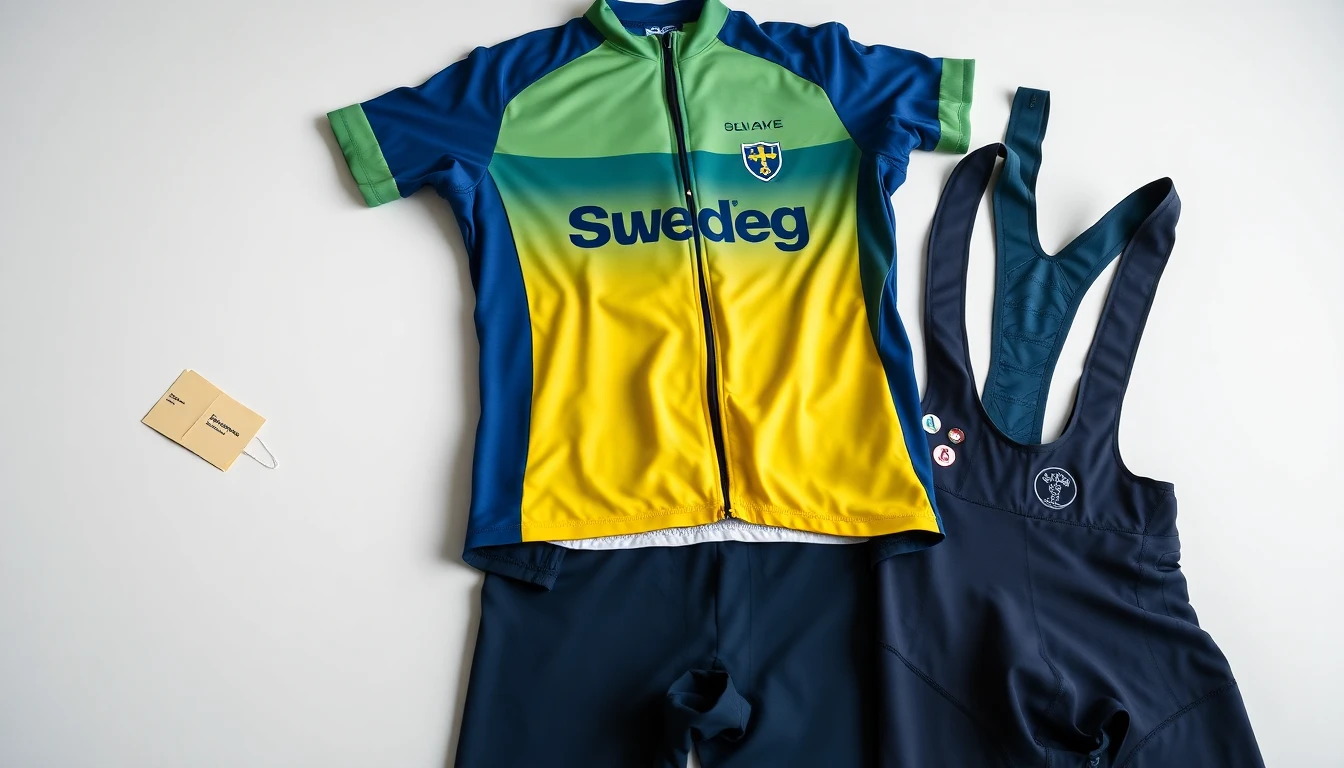
The cycling kit production timeline is about smart planning. It separates successful teams from disappointed ones. Swedish manufacturers deliver custom cycling apparel in 4-9 weeks. Here's what matters most: you're investing in Scandinavian craftsmanship. This meets EU sustainability standards. Plus, you get performance fabrics built for Nordic conditions.
The smart move? Start your custom bike clothing turnaround conversation at least 12 weeks before your target date. This buffer gives you negotiating power. You get design flexibility. It stops panic-driven compromises on quality. Rush orders exist, but they'll cost you. Both in money and fabric choices.
Ready to gear up your team with premium Swedish cycling apparel? Request a detailed production timeline quote today. Include your specific requirements: order quantity, design complexity, and target delivery date. Manufacturers who respond with clear timelines are the partners worth your investment. Vague promises? Skip those. Your next race season deserves apparel that arrives on time and performs well. Make it happen now.