Launching a swimwear brand sounds like a dream — until you open a spreadsheet and realize you have no idea what anything costs. Is $5,000 enough to get started? Or will you need closer to $50,000 before your first bikini hits the market?
The honest answer: it depends — and the range is wider than most people expect, falling between $3,000 and $50,000+. Your scale, sourcing strategy, and how much you're willing to DIY all play a role.
Founders who launch and those who stall out mid-process aren't separated by talent or timing. The real difference is a clear, line-by-line picture of where the money goes. This breakdown covers swimwear manufacturing cost per unit, sampling fees, packaging, photography, and marketing. Use it to build a budget that reflects reality — not wishful thinking.
Swimwear Brand Startup Cost Breakdown: Every Line Item You Need to Budget For
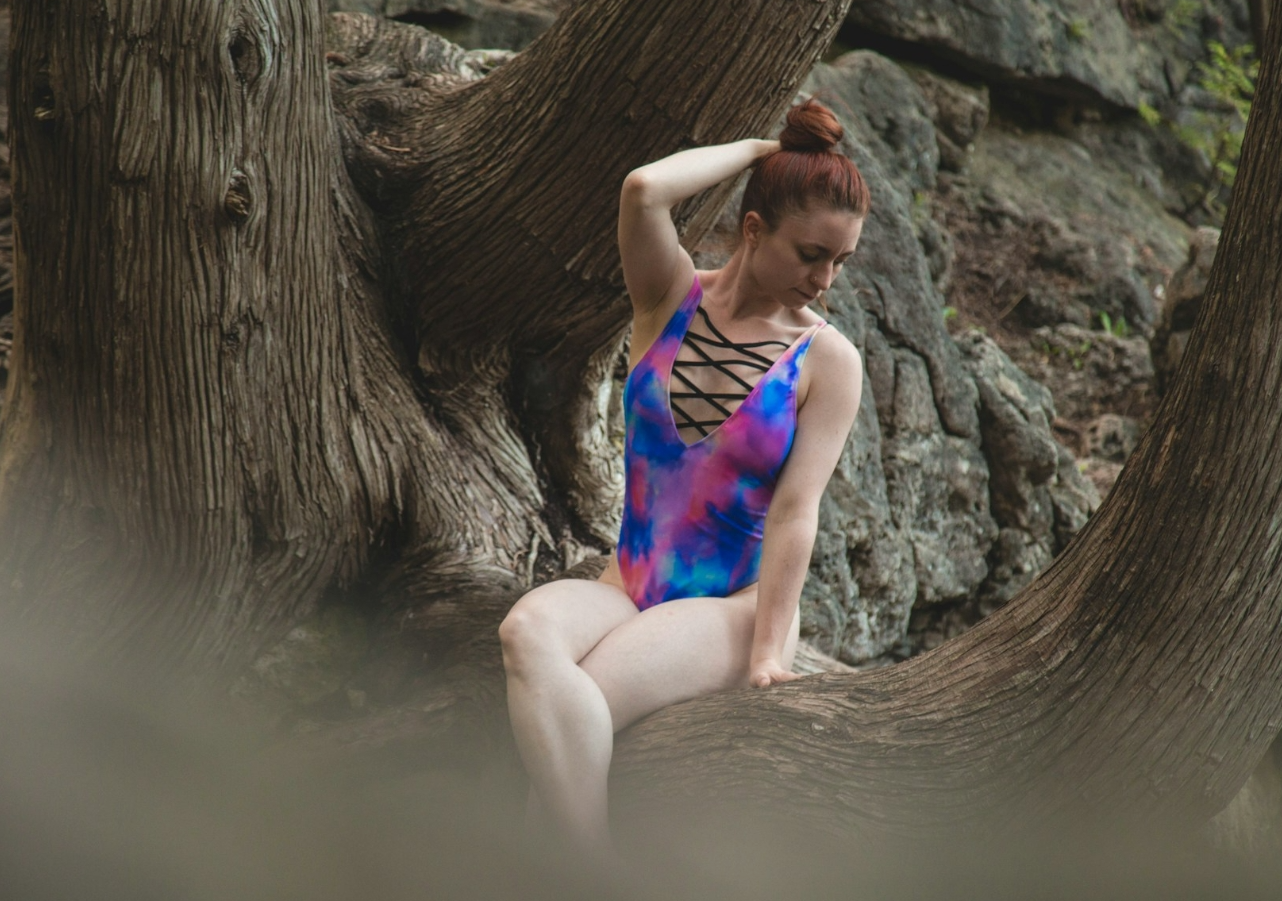
Here's the thing about budgeting for a swimwear brand: the numbers don't lie, but they do surprise you — almost always in the direction of "more than you thought."
Every cost category below is a real decision point. Skip one, underestimate another, and you're not just over budget — you're mid-launch with no runway. So let's go line by line, with actual figures attached to each one.
Design & Development
You're paying for ideas to become physical specs before a single stitch is cut. Pattern making, tech packs, and fit adjustments for a small collection run $50,000–$100,000 at medium scale. That's when you bundle them with sampling and bulk production revisions. Early-stage founders working straight with an OEM swimwear manufacturer often pay less. Some swimwear manufacturers fold tech pack development into the sampling fee, which cuts that number down.
Sampling alone can run from a few hundred dollars per piece to several thousand for a full collection. The final cost depends on complexity, fabric choices, and how many revision rounds you go through.
Fabric & Materials Sourcing
This is where your brand philosophy meets your P&L. Standard swimwear fabrics — nylon-spandex blends, polyester — sit at the lower end of the cost range. Go sustainable with recycled ECONYL or bio-based elastane, and your materials cost jumps 20–50% higher per unit.
For a small-to-medium brand, materials budgets range from $30,000 to $100,000 . Bulk orders bring the per-unit cost down in a way that makes a real difference to your margin. Buying in higher quantities strains cash flow upfront. But it protects your margin on the back end.
Manufacturing & Production
Small batch swimwear production carries a high per-unit cost. A 300-unit run of high-waisted bikini sets, for example, lands at $18 per set in total landed cost. That's workable — but tight once you factor in returns and markdowns.
At medium scale, manufacturing budgets climb to $50,000–$200,000 . That reflects both the volume and the price of working with reliable, quality-consistent factories. Cutting corners here is the most common mistake new founders make. It's also the most expensive one.
Packaging & Labeling
Custom hang tags of swimwear, poly bags, branded tissue, and retail-ready packaging run $0.50–$3.00 per unit . The exact cost depends on materials and print quality. On a 300-unit order, that's a $150–$900 line item. Easy to overlook. But skip it and you're stuck — especially if retail or gifting is part of your channel plan.
Marketing, Branding & Website
A solid brand presence — logo, Shopify store, social media setup, basic content — runs $5,000–$10,000 for a lean launch. Add professional beach lifestyle photography with three models and one shoot day, and that's another $1,200 . A 60-day paid social or Amazon PPC push adds $1,000 more to your launch budget.
The Numbers, Stacked
Cost Category | Small Launch | Medium Scale |
|---|---|---|
Materials | $5,000–$15,000 | $30,000–$100,000 |
Manufacturing | $8,000–$30,000 | $50,000–$200,000 |
Design & Development | $1,500–$10,000 | $50,000–$100,000 |
Packaging & Labeling | $500–$2,000 | $2,000–$8,000 |
Marketing & Branding | $2,000–$5,000 | $5,000–$10,000 |
Photography | $500–$1,200 | $1,200–$5,000 |
Total Estimated Range | $5,000–$50,000 | $100,000–$200,000+ |
The profit side of this equation is strong — but only when the cost side stays under control. Direct-to-consumer swimwear brands running tight operations report gross margins of 60–80% and net margins of 40–58% . Successful lines average around $230,000 in annual revenue . Not a windfall, but a real business.
The brands that reach those numbers share one thing: they knew what each line item cost before they committed to it. That's the whole game.
Swimwear Brand Startup Cost by Scale: Small vs. Medium vs. Large (2026 Comparison Table)
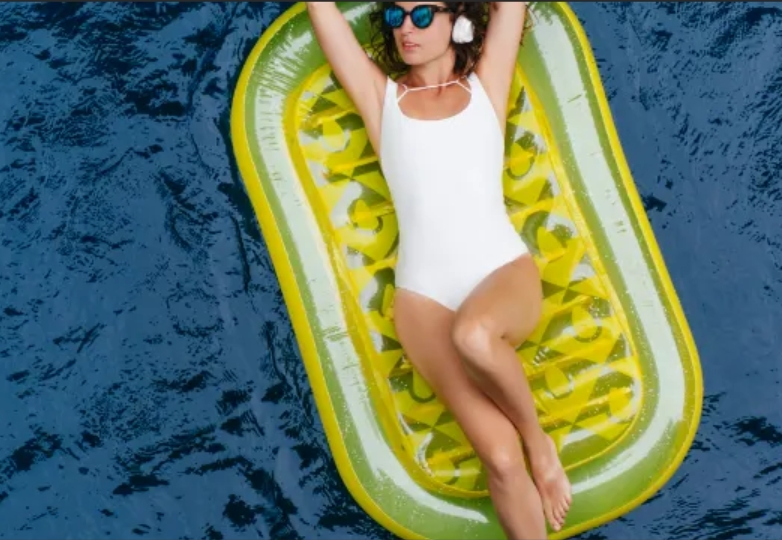
Scale changes everything — not just the number at the bottom of your spreadsheet, but the type of business you're building.
The swimwear industry has three startup tiers. Each one runs by a different set of rules. Pick the wrong tier for your budget and you don't just slow down. You drain your cash flow before your first reorder.
Here's how the three tiers stack up in 2026:
Dimension | Small (DIY / White Label) | Medium (Private Label / Custom) | Large (Full OEM / Custom) |
|---|---|---|---|
Total Budget | $1,500–$10,000 | $10,000–$50,000 | $100,000–$1M+ |
MOQ | 0–300 units | 500–2,000 units | 5,000+ units |
Per-Unit Cost | ~$18/unit (landed) | Lower with volume | Lowest at scale |
Customization | Low (white label, POD styles) | Medium (private label patterns, eco-fabric options) | High (original OEM designs, full production control) |
Gross Margin | 45–55% | 60–80% | Brand-dependent |
Break-Even Timeline | 1–3 months | 3–6 months | 6–12+ months |
Best For | Solo founders, Amazon/Shopify testers | Growing DTC brands, niche sellers | Venture-backed teams, full-scale operations |
Who Each Tier Is Built For
Small-scale founders work with around $5,000 total — sometimes less. The approach: use print-on-demand (POD platforms like Printful run $500–$1,000 to set up), pair it with a lean Shopify store, and sell on Amazon as your main channel. High-waisted bikinis priced at $42.99–$52.99 hit the sweet spot. Risk stays low. Margins are tight but workable.
Medium-scale operators are sellers who have proven demand. They commit to private label manufacturing, put $5,000–$10,000 into digital marketing, and plan for a 3–6 month runway before breaking even. You can hit 60–80% gross margins and 40–58% net margins at this tier. That only works with tight cost management, though.
Large-scale brands are a different animal. We're talking leased facilities, hired staff, and bulk OEM swimwear orders where materials and equipment costs clear $100,000 before a single item ships. The payoff is full creative and production control. The cost of entry is a 6–12+ month break-even window.
Moving Up a Tier
Going from small to medium isn't about timing — it's about your numbers. Three signals say you're ready:
Order volume : 500+ total units sold, past what POD can handle without friction
Cash position : $20,000+ positive cash flow to cover a $50,000 production run
Brand foundation : Trademarked, 10%+ repeat customer rate, $50,000+ in revenue
Hit all three and moving up carries no real risk. Staying small does.
CTA Section 1Planning Your Swimwear Brand Budget?
Get a free production quote tailored to your scale and budget. No middlemen, no inflated markups.
Get Free Quote5 Proven Strategies to Reduce Your Swimwear Brand Startup Costs in 2026
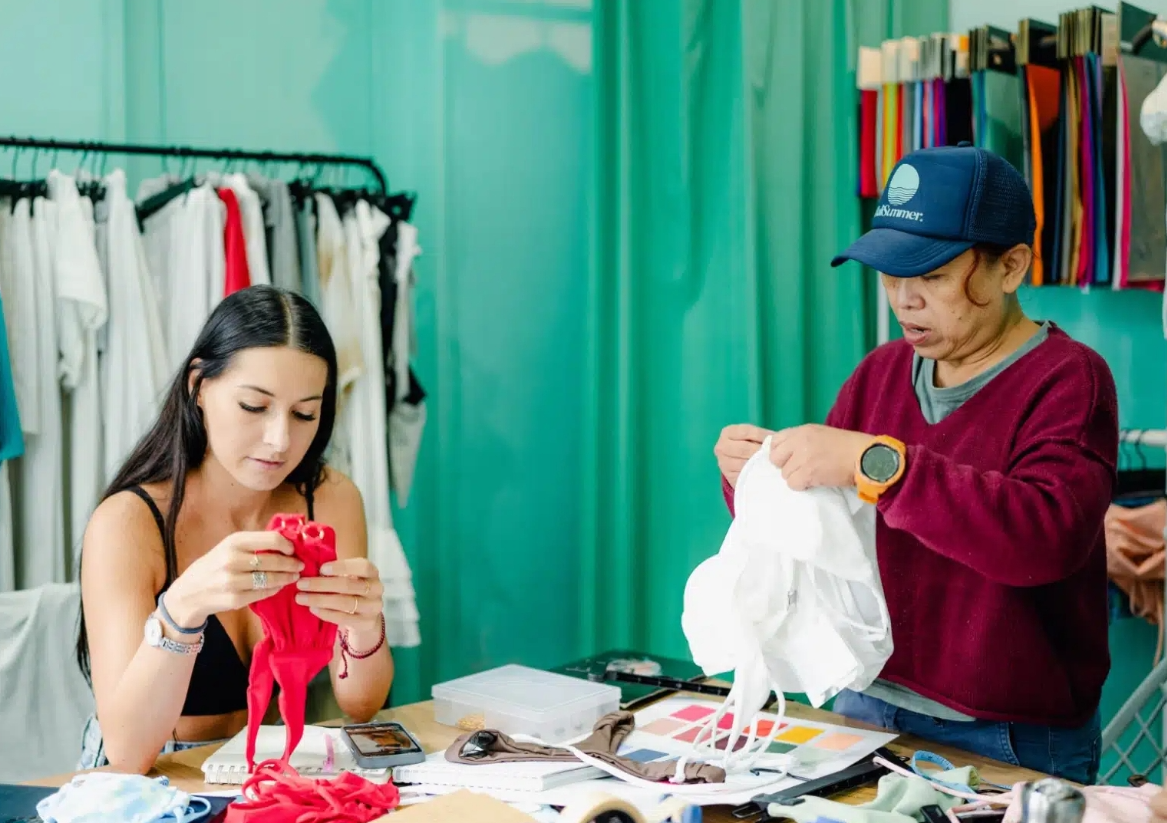
Most of the money new swimwear founders waste isn't lost to bad decisions — it's lost to default ones. Default swimwear manufacturer. Default process. Default assumption that everything costs what someone else told them it costs. These five strategies break that pattern.
1. Go Direct to an OEM Manufacturer — Cut Out Every Middleman
Every layer between you and the swimwear factory adds margin on top of margin. A sourcing agent takes a cut. A trading company takes another. By the time you see a per-unit price, you're already paying for two or three people who added nothing to your product.
Go direct to an OEM swimwear manufacturer and you cut all of that out. You negotiate price against real production cost — not against someone else's markup. On a 300-unit run at $18 per unit landed cost , shaving even $2–$3 per unit through direct sourcing saves $600–$900 on that order alone. That compounds fast.
Four things to check when evaluating swimwear manufacturers:
- Design complexity capability
- Order fulfillment reliability
- Quality consistency
- Pricing transparency
Find a manufacturer who scores well on all four. That solves the most expensive problem in this business.
2. Start Private Label Before Going Full Custom
Full custom OEM swimwear design is the most expensive starting point. For early-stage brands, it's also the least necessary. Private label lets you launch with existing, proven silhouettes. You add your own branding. You test real demand. And you do all of this before spending a dollar on original pattern development.
The cost gap is massive. A full custom collection can push design and development costs to $50,000–$100,000 . A private label launch costs a fraction of that. Your budget stays focused on branding, packaging, and customer acquisition — the things that build a real brand in year one.
Validate your market first. Customize once you know what your customers buy.
3. Negotiate MOQ Before You Fall in Love With a Factory
Minimum order quantity is a negotiation — not a fixed number. Many factories post MOQs that reflect their ideal scenario, not their actual floor. For new relationships, manufacturers will often lower unit minimums in exchange for a committed reorder timeline or a slightly higher per-unit price on the first run.
The trade-off is straightforward: smaller production runs cost more per unit. A 300-unit order carries a higher per-unit cost than a 1,000-unit order. But the lower financial exposure on that first run matters. So does the lower risk if demand doesn't show up right away. For most early-stage brands, that trade-off is worth it.
Get the MOQ conversation on the table before anything else. Don't build your budget around a number nobody questioned.
4. Buy Fabric in Bulk — But Only What You've Already Validated
Bulk fabric purchasing creates real, measurable savings. Standard nylon-spandex blends and polyester options cost less per meter at higher volumes. Eco-friendly textiles — ECONYL, bio-based elastane — run 20–50% more per unit , but volume pricing still applies.
The risk is simple: buy bulk on a colorway or fabric weight your customers don't want, and that cash is stuck. A smarter sequence:
Test at smaller quantities first
Identify your two or three top-performing SKUs
Consolidate your next fabric order around those
This protects your margin. It also keeps cash out of inventory that won't move.
5. Start Digital-First on Marketing — Every Dollar Goes Further
A $5,000–$10,000 marketing budget can build a real brand presence — if you spend it in the right places. Social media campaigns deliver exposure at a fraction of what offline events, trade shows, or print ever could. Paid social and Amazon PPC, run with discipline, generate enough data to shape your entire second season.
Three things your early marketing budget must cover:
- A clean brand website
- A consistent visual identity across every channel
- Content that reflects the lifestyle your customer already wants
A single beach lifestyle shoot with three models — around $1,200 — produces enough content to fuel months of organic and paid campaigns. That's a strong return on a small spend.
What doesn't belong in your early budget:
- Trade show booths
- Influencer retainers with no performance clauses
- Brand activations before you have proof of demand
Spend lean. Measure everything. Scale what works.
The swimwear market grew 14% year-over-year in the first half of 2025 , with average selling prices rising 15% . The opportunity is real. The brands that capture it aren't the ones who spent the most at launch — they're the ones who spent with precision, protected their runway, and stayed in the game long enough to see results compound.
4 Budget Mistakes That Kill New Swimwear Brands (And How to Avoid Them)
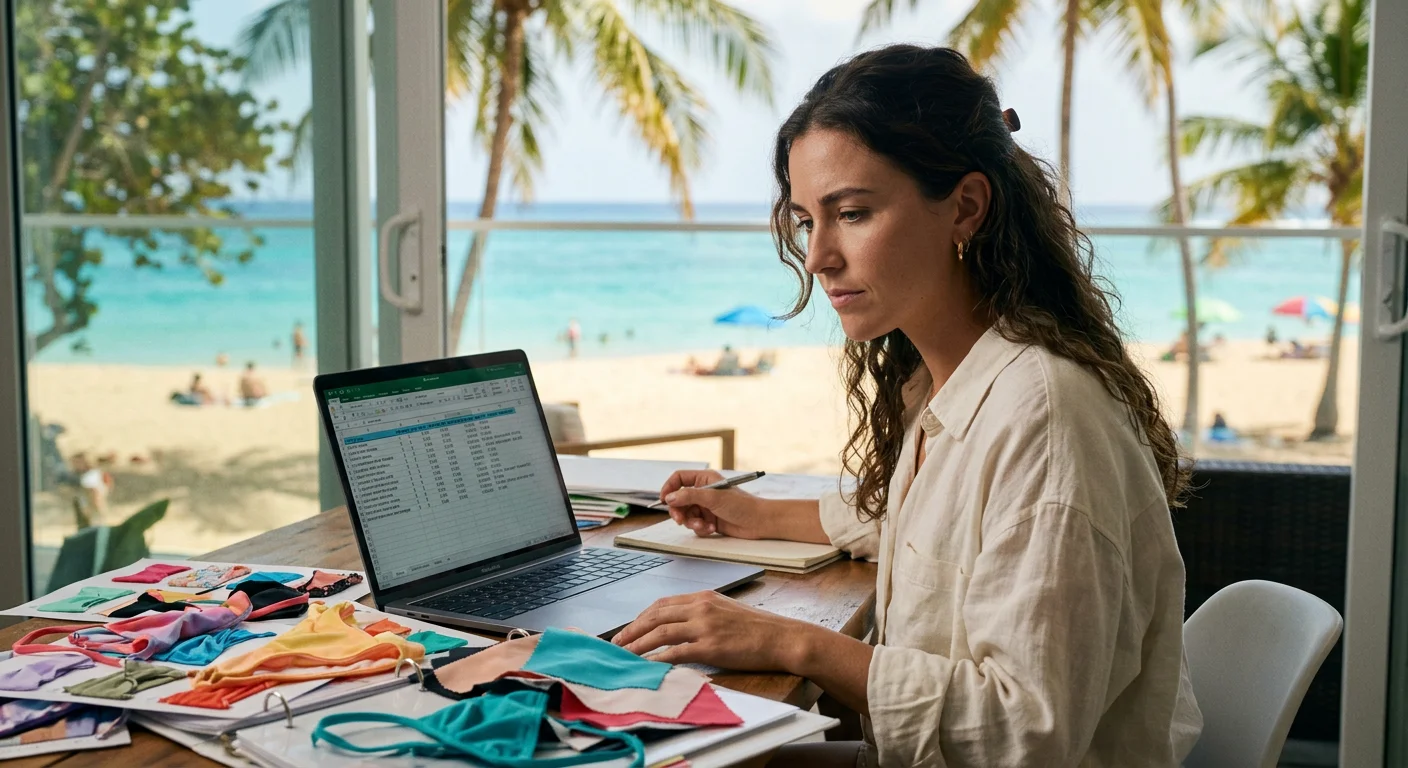
Seventy percent of new swimwear brands don't make it past year two. Not because the founders lacked passion. Not because the designs were wrong. The money ran out before the market had a chance to respond.
These are the four places where budgets fall apart — without warning.
Mistake #1: Treating Cash Flow Like a Fixed Problem
Swimwear is a seasonal business. Summer revenues spike. Winter revenues don't. This isn't a surprise — but most new founders still budget as though income arrives in steady, predictable chunks each month.
It doesn't. The fixed costs keep running even when revenue stops. Storage fees, overhead, staff — they don't pause for your slow season. The brands that survive aren't the ones with deeper pockets. They're the ones who planned for the gap before it hit.
What to do instead:
- Build a 3–6 month operating reserve before you launch
- Use fashion-specific budget spreadsheets that model seasonal dips — not just flat averages
- List off-season storage and markdown costs as separate line items. Don't treat them as surprises at the end of the quarter
Mistake #2: Ignoring the Real Cost of Returns
Returns aren't a rare exception. In 2022, return-related losses hit $279 billion across e-commerce. Swimwear sits near the top of that list. Fit sensitivity and multi-size ordering behavior push return rates higher than almost any other apparel category.
Every return costs you shipping twice. It takes up processing time. Price it wrong from the start, and returns will wipe out your margin on that sale — completely.
What to do instead:
- Build returns into your unit economics from day one. Set aside 20–30% of total costs to cover returns and shipping buffers
- Invest in a detailed size guide before you put another dollar into ads
- Track your cart abandonment rate. That $18 billion in annual e-commerce losses starts with checkout friction — and that's something you can fix
Mistake #3: Misjudging Your Scale — In Either Direction
There's no single entry price for a swimwear brand. A small-scale launch starts around $1,500 for basic sampling. A medium-scale operation runs past $200,000 . Large-scale brands — the ones with leased production facilities, equipment, and full staff — cross $1,000,000 before the first shipment goes out.
Starting small isn't the mistake. The mistake is planning a small-scale budget while expecting medium-scale results. Or the reverse — spending like a large operation before you've tested the market at all.
What to do instead:
- Get real quotes based on your actual situation. Skip the industry averages
- Put 40% of your initial budget into product development and sampling , not bulk production
- Capital is tight? Start with white-label or dropshipping partnerships. Build up from there once you've found what sells
Mistake #4: One-Channel Marketing Thinking
63% of swimwear startups spend less than 10% of their total budget on marketing. Most of that small slice goes to one channel — Instagram or email — and never moves.
Here's the problem: 72% of consumers say they prefer brands that reflect their values . That's not something a single Instagram feed solves. It's a brand-building challenge. You can't build a brand on one channel with one message repeated over and over.
Speedo doesn't run one channel. Neither should you.
What to do instead:
- Set aside 10–15% of your total budget for marketing — that's your floor, not your ceiling
- Spread across at least two or three channels before you start optimizing any single one
- Do your audience research before your product is finished. Not after it's already sitting in production
The pattern across all four mistakes is the same. Founders treat uncertain costs as fixed, and fixed costs as optional. Flip that. Know your numbers before they catch you off guard.
CTA Section 2Ready to Start Your Swimwear Brand?
Work directly with our factory -- low MOQ, transparent pricing, full OEM capability from first sample to production.
Explore Swimwear ManufacturingSwimwear Brand Startup Cost FAQ

Real numbers cut through the noise faster than any advice. Here are the questions founders ask — with the answers your spreadsheet needs.
Q: What's the minimum budget to launch a swimwear brand?
Your path determines your budget.
Print-on-demand route : ~ $1,500 to go live. That's $500–$1,000 for a Shopify store, product mockups, and basic marketing. No inventory upfront. You start selling before spending a dollar on stock.
Private label route : ~ $10,000 minimum. That covers 300 units at $18/unit landed ($5,400), a trademark ($750), a product shoot ($1,200), and a starter PPC budget ($1,000).
POD gets you live in 1–3 weeks. No warehouse bill. Private label takes 3–6 months and adds storage costs of $1,500–$5,000/month . Neither path is wrong — they're just different businesses.
Q: Is print-on-demand viable for swimwear?
Viable, yes. Optimal, no.
POD removes inventory risk. A basic triangle bikini costs $9.74 per unit to produce, retails at $32.99 , and returns a 55% profit margin . The math works.
The catch: you hand quality control to a platform you don't manage. Custom swimwear fabric testing isn't an option. Net margins in the 40–55% range leave little room for the mistakes every new brand makes in year one.
Q: How long before a swimwear brand turns profitable?
Successful swimwear lines average $230,000 in annual revenue . Gross margins run 60–80% for standard swimwear. Sustainable lines pull 40–50% , due to higher material costs. Average selling prices rose 15% year-over-year in 2025. Category volume grew 14% . The opportunity is real — but launch timing doesn't guarantee profit. Margin discipline does.
Q: What new cost variables matter in 2026?
Two things shifted the numbers this year.
First, sustainable fabrics . Eco-textiles cost 20–50% more per unit . That compresses margins to 40–50% . The upside: you reach buyers who pay premium retail prices without much resistance.
Second, supply chain pricing pressure . A chlorine-resistant one-piece from a swimwear factory in 2026 runs $14.50/unit . Add $2 shipping and $2.64 in tariffs . That puts your landed cost at $19.14 total . Plan your budget around that number.
The overall market sits at $28 billion . Large brands hold 35%. That leaves 65% of the opportunity open to independent labels.
Q: How do I find a reliable swimwear OEM manufacturer?
Five things separate a trustworthy swimwear factory from an expensive mistake:
Quality consistency — test chlorine resistance and UPF 50+ ratings on small runs before committing
Flexible MOQ — look for factories starting at 300–500 units (~$7.20/unit for a basic bikini)
Transparent landed pricing — swimwear factory price plus freight plus duties should give you a clear $9.74–$19.14 landed cost range
Track record — prioritize swimwear manufacturers with documented, verifiable output
Sustainable capability — recycled material support matters if your brand goes that direction
Berunclothes checks all five. Low MOQ, full OEM swimwear capability, and pricing built for brands at every stage — from first sample to scaled production.
Ready to Launch? Get Your Free 2026 Swimwear Production Quote
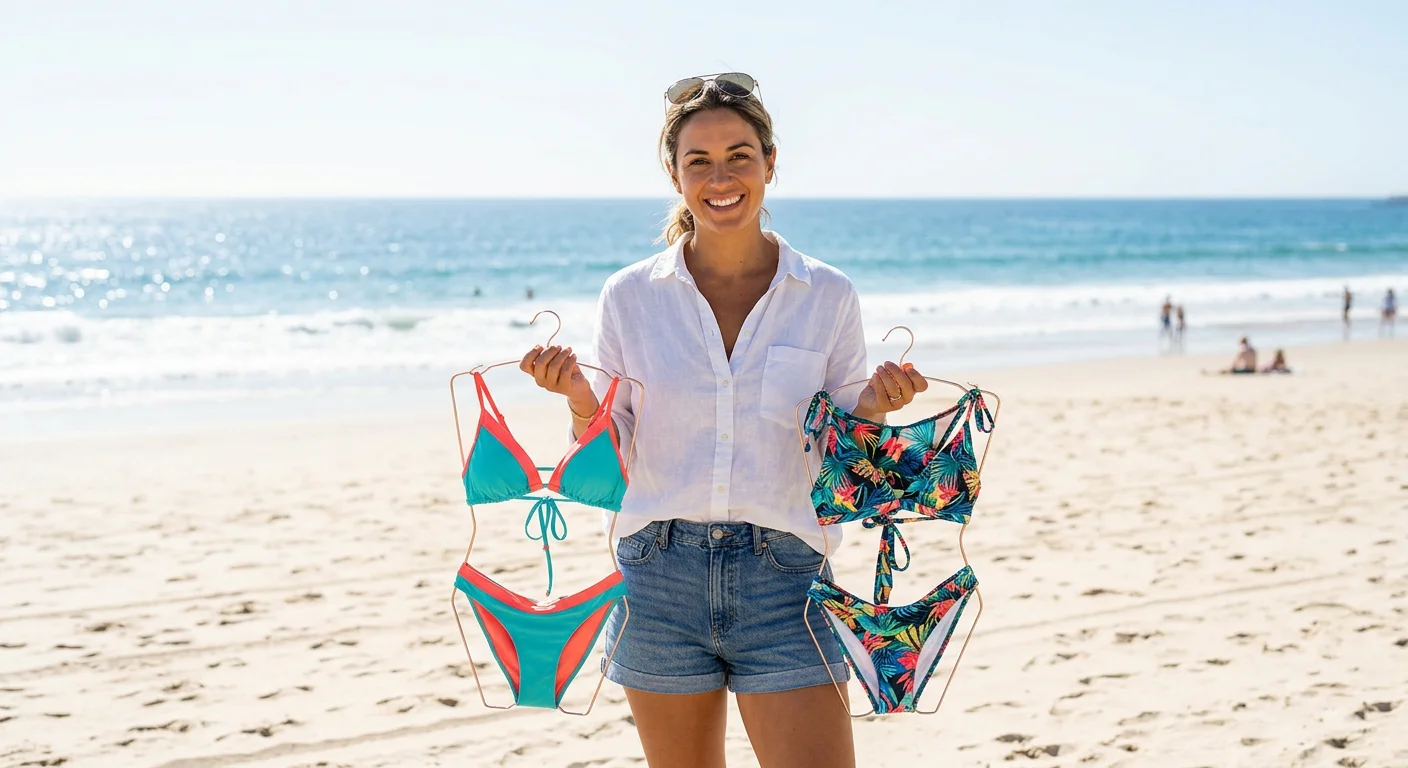
The numbers are clear. The market is moving — bikini sales hit $9.1 billion in 2025 , and that 7.1% CAGR shows no signs of stopping. Sixty-five percent of a $28 billion industry is still open to independent labels. That's not a small window. That's a wide-open door.
Berunclothes works with founders at every stage. From your first sample to full OEM swimwear production — no middlemen, no inflated markups. You get transparent pricing built around your actual budget.
Get started in three steps:
- Request a free quote — share your design concept, target MOQ, and fabric preferences
- Order a sample — zero commitment, full quality check before you commit to bulk
- Lock in your production plan — with pricing that reflects the 15% ASP rise already reshaping the market
Reach out via form, WhatsApp, or email — whichever works for you.
Your brand doesn't launch on a spreadsheet. It launches when you make the first move.
Conclusion
The numbers don't lie — and now, neither does your budget.
Starting a swimwear brand in 2026 doesn't need a Hollywood-sized investment. But it does need an honest one. Launching with $3,000 in small-batch private label pieces? That works. Putting $30,000+ into a custom OEM swimwear collection? That works too. The brands that survive aren't always the ones with the deepest pockets. They're the ones who spent smart from day one.
The real competitive edge? Cut out the middleman. Work with an experienced swimwear OEM manufacturer like Berunclothes. Your swimwear manufacturing cost per unit drops. Quality control gets tighter. Your margins start to make sense.
You've done the research. You know the numbers. One step is left — take it.
→ Request your free 2026 Swimwear production quote from Berunclothes today — and turn that budget breakdown into your brand's first real collection.
Your swimwear brand doesn't start at launch. It starts right now.
Video Section